# Rising Tensions in U.S. Immigration Politics: Crackdowns, Court Challenges, and Community Resistance
The landscape of U.S. immigration policy is undergoing a tumultuous shift marked by aggressive federal crackdowns, judicial pushback, and fierce battles at the state and local levels. As the federal government tightens rules around green cards, asylum processes, refugee enforcement, work permits, and public benefits, opposition from courts, communities, and local governments is intensifying. These developments reflect a broader ideological clash over the future of immigration in America—one that is shaping the nation’s social fabric, economic outlook, and core values.
## Federal Crackdowns and Policy Tightening
In recent months, the Biden administration has faced increasing pressure from hardline immigration advocates aligned with former President Donald Trump’s policies. The federal government has implemented **restrictions that make it more difficult for immigrants to obtain green cards**, including stricter background checks and new eligibility hurdles that prolong or block permanent residence. Additionally, **refugee and asylum policies have been further tightened**, with agencies scaling back refugee admissions and increasing hurdles for asylum seekers, especially those arriving at the southern border.
**Work permits and public benefits are also under scrutiny**, with proposals aiming to restrict access for certain categories of immigrants, arguing to prioritize American workers and taxpayers. Concurrently, **Trump-aligned proposals** are circulating to **drastically cut legal immigration levels**, threatening to reduce the number of green cards issued annually, which could reshape the country's demographic landscape.
## Judicial and Legal Resistance
Amid these aggressive policies, **federal courts are increasingly serving as a bulwark against enforcement excesses**. Several judges have temporarily blocked attempts to arrest and detain refugees and asylum seekers without warrants, asserting protections under constitutional rights and existing law. Notably:
- Courts have **ordered the release of immigrants held in detention without proper warrants**, challenging the federal government’s authority to detain individuals indefinitely without due process.
- Legal coalitions representing immigrant advocates have filed numerous lawsuits, arguing that recent policies violate statutory and constitutional protections, leading to **a series of injunctions that limit enforcement actions**.
These judicial actions underscore the ongoing tension between executive efforts to tighten immigration controls and the judiciary’s role in safeguarding civil liberties.
## State and Local Battles: Laws and Policies on the Frontlines
States like **Kansas and Idaho** are advancing legislation aimed at **deepening cooperation with ICE**, including laws that **mandate local law enforcement to cooperate with federal immigration authorities** and share data on undocumented residents. Such laws often provoke fierce opposition from local officials and immigrant communities, who see them as threatening sanctuary protections and community trust.
Conversely, **cities, school districts, and municipalities** are actively working to **update and expand sanctuary policies**. Cities like Denver and various school districts have adopted measures to **protect immigrant students and residents from federal enforcement actions**, emphasizing their commitment to community safety and inclusion. These local policies often clash with state laws, creating legal battlegrounds that highlight the national debate over immigration enforcement.
## On-the-Ground Impacts: Raids, Detentions, and Community Responses
The enforcement crackdown has led to a spike in **ICE raids and contested detentions**, sometimes targeting lawful residents who have lived in the U.S. for years. Reports detail **families torn apart by arrests**, with some individuals detained without warrants or proper legal procedures.
Local law enforcement officials, including sheriffs, are increasingly protesting federal directives, citing concerns over community safety and civil rights. Many sheriffs oppose **mandatory cooperation with ICE**, arguing that such policies undermine trust and hinder local policing efforts.
Amidst these tensions, **data sharing between local governments and federal agencies has raised privacy concerns**, with immigrant communities fearing increased surveillance and deportations. These fears often lead to decreased civic participation and reluctance to seek essential services, further marginalizing vulnerable populations.
## Community Solidarity and Cultural Resilience
In response to enforcement fears, communities are organizing and rallying around faith and cultural events. A notable example is the recent **Ramadan gatherings in South Burlington**, where local Muslims, including Maryam Khan, have been meeting at mosques to reinforce solidarity and mutual support.
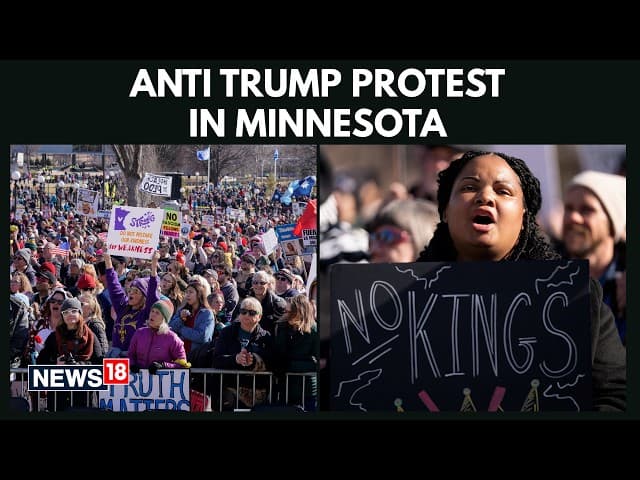
These gatherings serve as vital spaces for **community resilience**, offering emotional support, sharing information about rights and resources, and protesting unjust policies. Faith-based organizations and local activists are also mobilizing to provide legal assistance, aid, and advocacy, emphasizing that **immigration is not just a policy issue but a matter of human rights**.
## Research and Public Opinion: Shaping the Broader Debate
Amidst the policy and legal battles, research continues to underscore **the economic benefits of immigration**. Studies highlight how immigrants contribute significantly to labor markets, innovation, and local economies, challenging narratives that portray them as burdens.
At the same time, **public disapproval of hardline immigration policies is rising**, with polls indicating that many Americans favor more humane and inclusive approaches. The political stakes are high: immigration policy is increasingly seen as a litmus test for broader values around fairness, diversity, and America's identity as a nation of immigrants.
## Current Status and Future Outlook
As of now, the federal government maintains its crackdown, but judicial and community resistance continue to shape the trajectory of immigration enforcement. The ongoing legal challenges and local policies suggest a **fragmented, contested landscape** where federal authority faces significant limits from courts and local jurisdictions.
**The battle over immigration in the United States remains central to the nation’s political discourse**, with implications for its economic future, social cohesion, and moral values. The coming months are likely to see continued legal rulings, policy proposals, and grassroots mobilizations that will determine whether the country moves toward greater inclusion or further division.
---