# Public Safety in 2026: Leadership Accountability, Staffing Challenges, and New Developments
As 2026 advances, the landscape of public safety continues to evolve amid persistent challenges, strategic reforms, and technological progress. Communities across the nation are grappling with staffing shortages, rising violence, and debates over surveillance and oversight—all while striving to build transparent, accountable, and resilient policing systems. Recent developments highlight both the hurdles faced and the strides made toward safer, more trustworthy environments.
## Leadership & Civic Oversight: Heightened Scrutiny and Accountability Measures
This year has seen an unprecedented level of civic activism and oversight, leading to significant leadership changes and policy debates:
- **Police leadership accountability** remains a core issue. The resignation of **Newton Grove’s police chief** followed revelations of systemic vetting failures, including lapses in screening personnel with histories of child sex crimes. This incident underscores the urgent need for **rigorous background checks** and **transparent hiring practices** to prevent similar lapses.
- **Elected officials** continue to face scrutiny over personal conduct. For instance, **Aurora’s City Councilman Robert Andrews** was **arrested on suspicion of DUI**, sparking discussions about the importance of ethical standards for public officials and the impact on public trust.
- On the municipal level, **Cary’s mayor** recently divested from a side business amid conflict-of-interest allegations, signaling a commitment to **transparency** and restoring confidence in local governance.
- Grassroots movements have gained momentum, with residents in **Eagle Mountain** successfully voting to **dismantle the mayor’s authority**, advocating for **greater community control over safety policies**.
- Civic engagement remains strong. In **Newark**, a **pre-meeting streamed over 400 times on February 17** reflects active community involvement demanding transparency and participatory oversight.
In response, advocacy groups are pushing for **mandatory body camera policies**, **independent investigations into misconduct**, and the creation of **community advisory boards**. These efforts aim to **deter misconduct**, **increase accountability**, and **foster public trust**.
Simultaneously, cities are reevaluating **surveillance technology** use. The deployment of **Flock license-plate readers**, once seen as vital for crime tracking, is now under scrutiny due to **privacy concerns**. Several municipalities are considering **restrictions or transparency measures** to balance crime prevention with individual rights.
## Staffing & Operations: From Crisis to Strategic Solutions
Persistent staffing shortages continue to challenge police departments, but cities are adopting diverse strategies:
- The **Latta Police Department** now operates with **only one full-time officer** after multiple resignations approved by the city council. This severe reduction hampers **patrol coverage**, **emergency response times**, and **community engagement**, leaving residents increasingly vulnerable and safety concerns mounting.
- Conversely, **Wichita** has **hired 29 new officers**, exemplifying proactive efforts to **stabilize staffing levels**. These recruitment initiatives aim to **revitalize proactive policing** and **rebuild community trust** through **targeted incentives**.
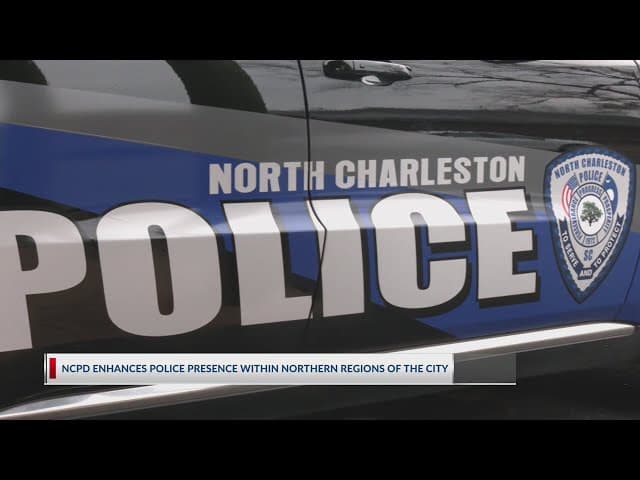
- Notably, **North Carolina’s Charlotte-Mecklenburg Police Department (NCPD)** has recently **enhanced police presence in northern areas of the city**, responding to rising concerns over safety. A recent video shows **NCPD deploying additional officers** to the South End neighborhood, a popular area known for its vibrant nightlife but also experiencing increased incidents. The video, lasting 2 minutes and 47 seconds, demonstrates a strategic effort to **deter crime and reassure residents**.
- Meanwhile, **crime reports** such as the **Bloomington-Normal crime data (February 9–13)** reveal that **persistent crime patterns** continue, exacerbated by **staff shortages** that force officers into **extended shifts**, leading to **burnout** and **delayed responses**.
Long-term planning is critical. Cities are investing in **targeted recruitment**, **retention strategies**, and **innovative staffing models** to ensure **consistent police presence** and **quick response capabilities**, even amid fiscal pressures and competing priorities.
## Rising Violence & Officer Safety: Ongoing Incidents and Strategic Responses
Violent crime remains a pressing concern, with recent incidents illustrating both ongoing threats and some progress:
- High-profile shootings in **Merced**, **Killeen**, and **Dayton**—especially around gas stations—highlight the proliferation of firearms and the challenges law enforcement faces in curbing gun violence.
- The **shooting in Charlotte’s South End neighborhood**, captured in a recent YouTube video, involved an early-morning altercation that resulted in gunfire and injuries. The video, just 1 minute and 45 seconds long, shows the scene shortly after the incident with minimal details but underscores ongoing safety concerns in popular community hubs.
- In **Providence**, a **carjacking** ended with a crash and multiple arrests, exemplifying offenders' increasing boldness.
- The **loud laundromat machete attack in Los Angeles**, captured on video, illustrates how violence can erupt unpredictably, endangering bystanders and officers alike.
- **Home invasions** in **Colorado Springs** and **Abilene** continue to threaten residents’ safety, especially as law enforcement resources are stretched thin.
- The **Fresno shooting**, where a victim was fatally shot during a police de-escalation attempt, highlights the unpredictable dangers officers face even during routine interventions.
Officer safety remains a concern. Recent incidents include:
- A **San Jose sergeant** critically injured during a carjacking response, with the suspect fatally shot.
- A viral **YouTube video** shows **Decorrian Partee** being shot while **picking up a DoorDash order in Kansas City**, raising questions about civilian safety in everyday situations.
- Increased **police vehicle crashes** further impact response times and officer safety.
A recent investigation in **Tipp City** revealed challenges in transparency: authorities **denied a request for a preliminary autopsy report** in a high-profile murder case, as reported by WHIO-TV. Such restrictions fuel public concern over accountability in investigations.
Despite these hurdles, some jurisdictions report **positive trends**. For example, **Statesville** experienced a **notable decline in violent crime and burglaries in 2025**, demonstrating that targeted violence reduction strategies can be effective.
Additionally, law enforcement agencies are actively investigating **homes linked to mass shootings**, such as ongoing probes on **College Avenue**, aiming to identify early warning signs and prevent future tragedies.
## Infrastructure & Technology: Upgrades, Deployments, and Debates
Infrastructure issues continue to impact emergency responses:
- Recent **traffic signal malfunctions** at **10 Mile & Lawrence** and **erratic flashing signals** have created hazardous conditions, especially during emergencies.
- **Road closures** for sewer repairs on **Sepulveda Boulevard** and ongoing **traffic system upgrades** at **State Street & Roosevelt Avenue** complicate logistics.
In response, cities are making significant investments:
- **Las Cruces’ Real-Time Crime Center** enhances **situational awareness** and **incident management**, enabling faster deployment of resources.
- **San Diego** has **upgraded traffic signals** to improve traffic flow and **emergency response times**.
- **Bloomington** appointed a **new Traffic Engineer** to lead **transportation safety initiatives** and improve **infrastructure resilience**.
- The **North Avenue Signals and Safety Project** in **Pittsburgh** is set to **resume next week**, focusing on **pedestrian safety** and **traffic efficiency**.
Public outreach campaigns, such as in **San Mateo**, encourage residents to report **flooding and other emergencies** via online platforms, bolstering **emergency preparedness** and **climate resilience** efforts.
However, aging infrastructure and maintenance gaps threaten to undermine these investments, emphasizing the need for **proactive management**.
## Community Engagement & Prevention: Civic Action, Youth Programs, and Public Education
Community involvement remains a cornerstone of safety efforts:
- The arrest of **Councilman Robert Andrews** intensified discussions around **behavioral standards** and **public accountability**.
- In **Bozeman**, debates continue over **law enforcement’s role in immigration enforcement**, reflecting community tensions regarding **immigration policies** and **public safety**.
- Protests against **ICE detention centers**, such as those in **Surprise**, demonstrate civic activism advocating for **humane immigration practices**. A recent **2-minute 27-second video** with **437 views** captures residents voicing concerns.
- Active community forums, like in **Newark**, foster **trust-building** and **input** from residents.
Recent violent incidents, including a **fatal shooting** with **one death and five injuries**, have galvanized community action. A **short YouTube video** with **177 views** highlights calls for **comprehensive violence prevention programs**.
To address root causes, cities are investing in **youth employment programs**. **Stockton’s Y.E.S.S. (Youth Employment & Safety Strategy)** announced a **paid summer jobs program for 100 youths**, aiming to **reduce idle time**, **foster positive relationships**, and **empower young residents** as community stakeholders. Such initiatives seek to **prevent violence before it starts** by engaging youth proactively.
## Data & Oversight: Transparency, Technology, and Recent Challenges
Transparency and data-driven decision-making remain priorities:
- The **Antioch Police Department** is preparing to **release first-quarter crime data** and **2025 long-term trends**, providing residents with insights into safety metrics.
- **San Mateo** continues collecting **public feedback** on flooding and emergency reports, integrating community input into **response planning**.
- The deployment of **real-time crime centers**, such as in **Las Cruces**, exemplifies technological investments designed to **enhance situational awareness** and **response efficiency**.
- The debate over **surveillance technology**, especially **Flock license-plate readers**, persists. Several cities are considering **restrictions** or **transparency measures** to protect **privacy rights**.
A recent development involves **Tipp City**, where authorities **denied a request for a preliminary autopsy report** in a high-profile murder case, raising concerns about **investigative transparency** and **public trust**.
## Recent Key Events and Current Implications
Adding to the ongoing safety concerns, **Charlotte’s South End neighborhood** experienced a **person shot early in the morning**, as captured in a recent YouTube video. The incident involved gunfire that left one individual injured, emphasizing the need for increased patrols and community engagement in the area.
In response, **NCPD** has **enhanced police presence in northern neighborhoods**, deploying officers to **deter crime and reassure residents**. A 2-minute, 47-second video shows officers actively patrolling and engaging with community members, signaling a strategic shift to **address localized safety issues**.
**Officer safety and response capacity** remain critical. Recent incidents, including **crashes involving police vehicles**, highlight operational hazards and the importance of ongoing safety training. The **investigation into the Tipp City autopsy report denial** underscores ongoing concerns about transparency and accountability in law enforcement investigations.
---
**In summary**, 2026 continues to be a pivotal year for public safety, marked by efforts to address staffing shortages, combat rising violence, upgrade infrastructure, and strengthen community trust. The recent deployment of additional officers in northern Charlotte, coupled with community-led oversight initiatives and technological investments, showcases a multi-faceted approach to creating safer environments. However, ongoing challenges—such as resource constraints, privacy debates, and transparency concerns—will require sustained commitment and collaboration among officials, law enforcement, and residents alike. The path forward depends on balancing innovation with accountability, ensuring that safety improvements serve all members of the community effectively.