# Community-Driven Response to North Carolina’s Fentanyl Overdose Crisis Continues to Evolve with New Strategies and Successes
As the fentanyl overdose crisis persists and deepens across North Carolina and neighboring states, community resilience, innovation, and compassion remain at the forefront of efforts to combat this public health emergency. Moving beyond traditional law enforcement approaches, grassroots organizations, local policymakers, and residents are pioneering comprehensive, empathetic strategies centered on harm reduction, data-driven interventions, and community trust-building. Recent developments highlight a significant shift: **saving lives increasingly depends on collective, community-centered efforts rooted in health, dignity, and prevention**.
## Expanding Grassroots Outreach and Harm Reduction Initiatives
Over recent months, community-led programs have intensified their outreach to vulnerable populations—including those experiencing homelessness, housing insecurity, mental health challenges, or active substance use. These initiatives focus on early intervention, providing immediate life-saving tools, and fostering trust within marginalized groups.
### Key Developments Include:
- **Public Naloxone (Narcan) Stations and Distribution**
Communities have established **public Narcan stations**, such as **community-based Narcan cabinets** accessible 24/7. For example:
- **Augusta, Georgia**, secured a **$66,000 opioid grant** to deploy **40 Narcan boxes across downtown**, ensuring rapid overdose reversal access.
- **Henrico County, Virginia**, expanded **free naloxone distribution points** through local health departments and libraries, placing overdose reversal medications in public spaces to boost community preparedness.
Across North Carolina, counties are following suit by increasing availability at libraries, clinics, and community centers—making life-saving tools more accessible than ever.
- **Training and Education Programs**
The number of **overdose response training sessions** has surged, equipping residents, outreach volunteers, and first responders with vital skills to **respond swiftly and effectively to overdoses**. These efforts help destigmatize intervention and foster shared responsibility for overdose prevention.
- **Targeted Outreach in High-Risk Neighborhoods**
Organizations like **New Paths** in Michigan emphasize **stigma-free, person-centered conversations**, meeting individuals wherever they are—on the streets, shelters, or community centers—and distributing naloxone kits. **Safe Place for Youth** in California exemplifies youth-specific harm reduction, offering tailored services such as housing support and overdose prevention for unhoused and at-risk youth.
- **Mobile and Weather-Responsive Outreach**
Recognizing increased risks during extreme weather, innovative tactics now include deploying **mobile outreach vans** that deliver naloxone, supplies, and support during cold snaps or storms. Nonprofits in Kentucky are **raising funds for mobile units** to reach rural and underserved areas, ensuring no community member is left vulnerable due to weather conditions.
### Notable Examples:
- **From Overdose to Outreach**:
In **Flint, Michigan**, **"From Overdose to Outreach"** programs led by peers with lived experience focus on **engagement with those most at risk**, fostering resilience through peer support and direct outreach.
- **Community Calls for Tactical Shifts**:
In Boston’s **Mass. and Cass** neighborhood, community groups and residents advocate for a **shift away from punitive measures** toward **harm reduction-focused approaches** prioritizing health and safety over criminalization.
- **Upcoming Community Event**:
On **Wednesday, Feb. 25, from 6-7:30 p.m. at St. Mary Parish Hall (119 E. Walnut)**, the **St. Vincent de Paul Society** will host an outreach event. The goal is to connect individuals with resources, distribute naloxone, and foster greater community engagement in overdose prevention efforts.
## Innovations in Data and Technology for Targeted Interventions
A major breakthrough has been the integration of **real-time data analytics** into overdose response efforts. The **Virginia SUDA (Substance Use Data Analytics) Dashboard** exemplifies this approach by **aggregating overdose reports, EMS responses, hospital admissions, and outreach activities** into a live, interactive platform.
**Dr. Lisa Jackson**, involved with SUDA, emphasizes:
> “This isn’t just about handing out kits; it’s about transforming our response—changing minds, fostering resilience, and creating a community where saving lives is everyone’s responsibility.”
Such platforms enable communities to **identify overdose hotspots swiftly**, **monitor intervention outcomes**, and **allocate resources strategically**. For instance, **Crawford County, Ohio**, has deployed **quick response teams** that utilize **real-time data** to **connect overdose survivors with immediate care**, thereby reducing repeat emergencies and strengthening community trust.
## Recent Data, Impact, and Emerging Trends
Encouragingly, some counties have reported **notable reductions in overdose fatalities**, illustrating the tangible impact of these community-driven efforts. **Hamilton County, Ohio**, under Coroner Jeff Jellison, has documented a **significant decrease in fatal overdoses over the past three years**, with overdose deaths **halved**, demonstrating the effectiveness of harm reduction and outreach strategies.
In North Carolina, initiatives like **Henrico County’s project to expand free naloxone access through libraries and mental health centers** continue to contribute to these positive trends, reinforcing that **accessible prevention tools and community engagement save lives**.
### Recent Examples of Impact:
- **From Encampment to Housing**:
The **People Concern’s E6 outreach team** successfully helped move individuals like Rocky out of encampments and into interim housing, illustrating the power of **outreach-to-housing transitions**—reducing overdose risk while promoting stability.
- **Data-Informed Response in King County**:
King County’s **overdose response efforts** leverage **comprehensive data analytics** to **target interventions effectively**, ensuring resources reach the most critical areas and populations.
- **Springfield’s Street Outreach Success**:
The **Springfield Police Department’s outreach team** has made significant progress over three months, assisting homeless individuals in accessing essential services, housing, and overdose prevention resources—reducing emergency calls and building community trust.
- **Peer-Led Initiatives and Community Resilience**:
Programs led by individuals with lived experience, such as **atTAcK Addiction**, continue to scale, promoting destigmatization and mental health support. In **Los Angeles**, grassroots coalitions in **Skid Row** address mental health crises and overdose risks through immediate support and social stabilization.
## Persistent Challenges: Weather, Shelter Capacity, and Community Distrust
Despite these advances, operational hurdles remain:
- **Extreme Cold Weather**
Severe winter storms, especially in **Syracuse, New York**, heighten risks for those experiencing homelessness. Many are forced outdoors during frigid temperatures, increasing the likelihood of **hypothermia, frostbite, and overdose**. Warming centers and shelters are operational but often **strained by capacity limitations**.
- **Shelter and Housing Shortages**
Overcrowded shelters like **Northrup Shelter** in Syracuse struggle to meet rising demand. Advocates emphasize the need for **more low-barrier, inclusive shelters** that prioritize **health, safety, and dignity**, especially during winter weather. Community-led efforts are pushing for **harm-reduction shelter models** that better serve those in need.
- **Community Distrust and Safety Concerns**
Many individuals avoid shelters due to **fears about safety, stigma, or restrictive policies**. Building **trust through respectful, accessible outreach** remains critical. Portland’s Mayor Wilson recently reaffirmed:
> “We are committed to expanding shelter options and ensuring that no one is left outside in these cold conditions. Our focus remains on compassion and meeting people where they are.”
- **Growing Encampments and New Hotspots**
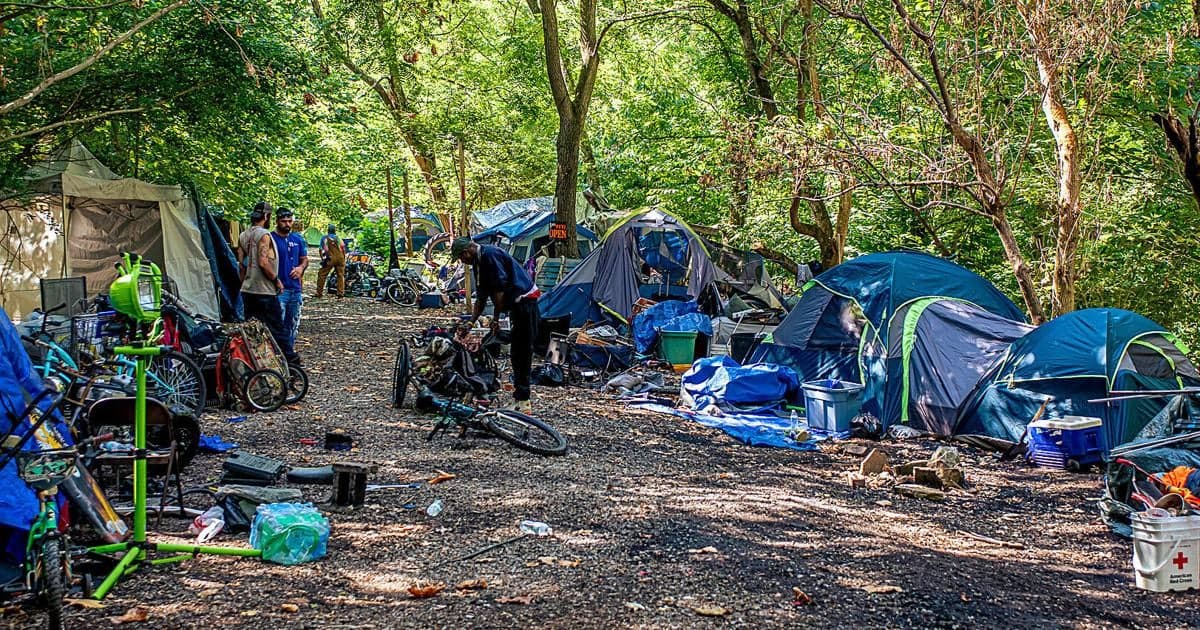
The **Lakewood/Colfax corridor** in Colorado has seen a significant increase in encampments, with **FOX31** revisiting the area as conditions worsen. These encampments pose additional challenges for overdose prevention, sanitation, and community safety.
## Policy Shifts Toward Compassionate, Non-Criminal Approaches
A rising movement emphasizes **shifting away from criminalization** toward **public health and harm reduction policies**:
- **Legislative Progress**
In **Massachusetts**, the **House recently advanced a bill** expanding overdose protections, including **Good Samaritan laws** and **overdose reporting safeguards**. These measures aim to **encourage individuals to seek help without fear of arrest or prosecution**.
- **Community Opposition to Punitive Measures**
Groups like the **NAACP in Lansing, Michigan**, condemn efforts such as **camping bans**, arguing that **criminalization worsens health outcomes** and **perpetuates community tensions**. Instead, there is increasing support for **safe, low-threshold housing** and **comprehensive outreach programs**.
- **Recent Legislative Actions**
In **Altoona, Pennsylvania**, city officials are discussing measures to address homelessness, including a proposed ordinance that would **ban ‘urban camping’**—a move criticized by advocates as potentially undermining harm reduction efforts and further criminalizing populations in need. Similarly, **West Virginia lawmakers** are exploring **camping bans in public areas**, raising concerns about pushing vulnerable populations into unsafe conditions or deeper marginalization.
### Community Opposition and Tensions
While some policies aim to control public spaces, community opposition often critiques these measures as **counterproductive**. For example, **Northwest Portland neighbors** expressed frustration after a bill to restrict needle distribution **failed to pass**, highlighting ongoing debates over harm reduction strategies versus punitive policies.
## Strategic Priorities for Continued Progress
Experts and community leaders agree that sustained success hinges on:
- **Expanding training programs** for residents, outreach workers, and first responders to ensure rapid, effective overdose responses.
- **Scaling real-time data systems** like SUDA to **identify hotspots early** and **deploy targeted interventions** efficiently.
- **Increasing low-barrier shelters and warming centers**, especially during winter, to **provide safe, accessible environments**.
- **Securing ongoing funding** for mobile outreach units, naloxone distribution, and supportive housing initiatives.
- **Enhancing public education and destigmatization campaigns** to foster greater community participation and understanding.
## Current Status and Future Outlook
The collective efforts—spanning grassroots outreach, technological innovation, and policy reform—are already producing promising results. Programs like **Henrico County’s expansion of free naloxone access through libraries and clinics**, combined with **mobile outreach units**, are leading to **more overdose reversals, increased awareness, and stronger community partnerships**.
Though operational challenges such as **extreme winter weather, shelter capacity limitations, and community distrust** persist, the overall trajectory remains hopeful. **Community-driven, health-centered approaches are transforming overdose responses**, demonstrating that **collective compassion, data-informed action, and policy reform** can significantly reduce overdose fatalities.
**As these efforts continue to grow and adapt**, they offer a hopeful pathway toward **preventing overdose deaths through empathy, innovation, and shared responsibility**. The momentum built by grassroots initiatives, technological advancements, and progressive policies underscores a vital truth: **saving lives depends on us working together—with dignity and determination—to address this crisis comprehensively**.