# World Powers Race to Mediate Spiraling Iran–Mideast War: New Developments Signal a Tipping Point
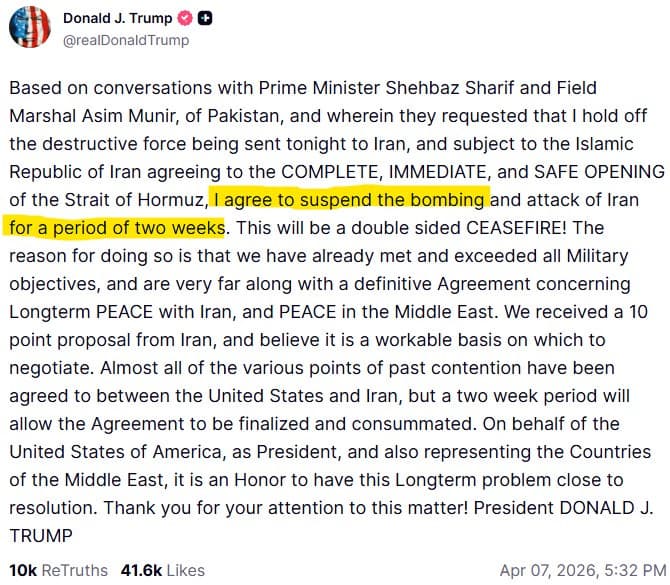
The Middle East stands at a perilous crossroads as escalating tensions between Iran and Israel threaten to spiral into a broader regional and global conflict. What was once a localized clash has rapidly intensified into a complex mosaic of military strikes, cyber warfare, clandestine diplomacy, and shifting alliances. Recent developments underscore a tense diplomatic landscape, where high-stakes negotiations—both overt and covert—could either pave the way for a fragile peace or propel the region into full-scale war.
---
## Escalation of the Conflict and Its Broader Regional Impact
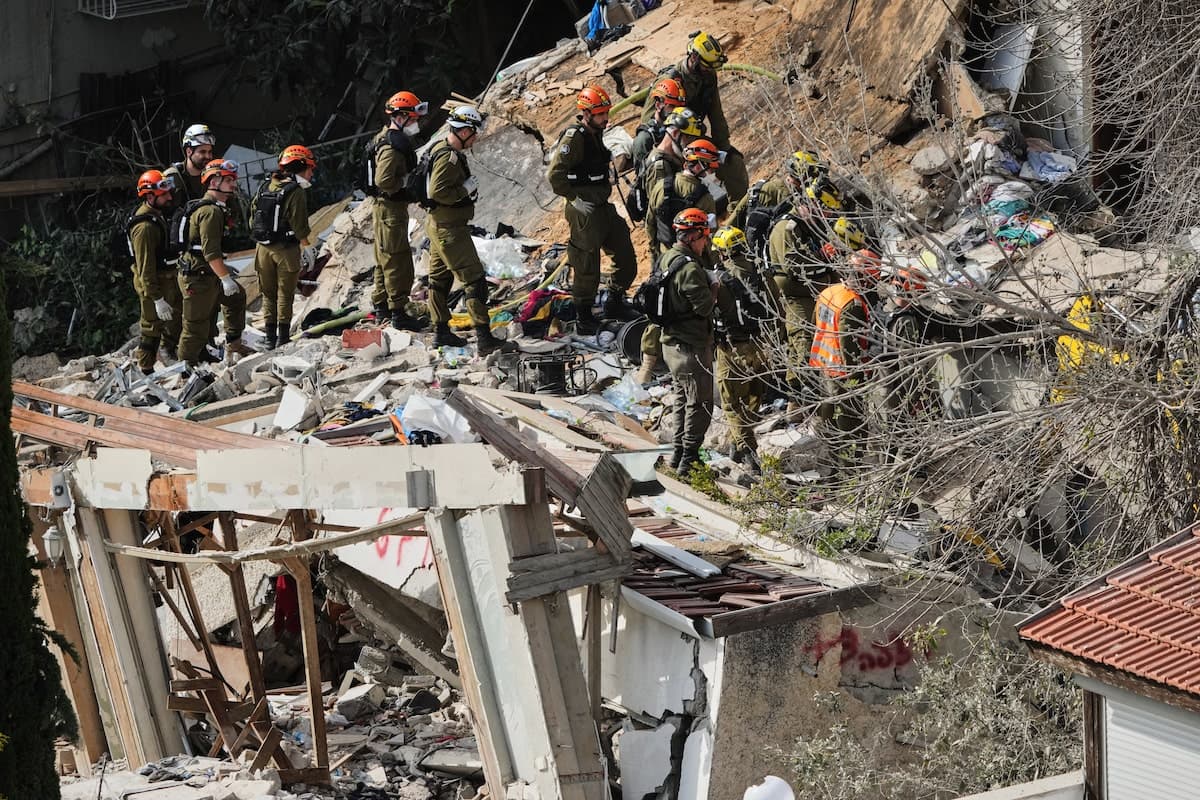
In recent weeks, violence has surged dramatically, with Iran intensifying its military and asymmetric operations across multiple fronts:
- **Iran’s Military Escalation:** Iran has increased missile attacks, cyber operations targeting critical infrastructure, and support for militias in Iraq, Syria, Lebanon, and Yemen. This multifaceted assault has destabilized the region, raising fears of wider conflict involving neighboring countries and non-state actors.
- **Lebanon and Hezbollah:** In an unprecedented move, Lebanese officials have signaled willingness for direct talks with Israel—an effort aimed at de-escalating Hezbollah's ongoing confrontations. This potential diplomatic opening could serve as a breakthrough, but it also risks deepening Iran’s influence over Lebanon’s militant groups if negotiations falter.
- **Iran’s Rejection of Ceasefire Offers:** Iran has publicly dismissed ceasefire proposals from global powers including China, Russia, and France. Recent reports indicate that Iran has laid out specific conditions for engaging in talks with the U.S., emphasizing its strategic resilience and unwavering stance to pursue regional objectives regardless of international pressure.
- **U.S. Casualties and Domestic Tensions:** Casualties among American forces are approaching **150**, fueling fierce debates within the United States over military escalation versus diplomatic efforts. The Biden administration faces internal divisions—some factions advocating for cautious diplomacy, others for increased military pressure.
This relentless escalation, coupled with Iran’s firm rejection of diplomatic overtures, risks destabilizing the entire region and possibly widening the conflict beyond Israel and Iran’s immediate spheres of influence.
---
## The Diplomatic Landscape: Fragmented and Multifaceted
Efforts at diplomacy are ongoing but remain hamstrung by deep mistrust, conflicting interests, and opaque negotiations:
- **China’s Five-Point Peace Initiative:** China has proposed a comprehensive five-point plan emphasizing dialogue, respect for sovereignty, and an immediate ceasefire. While initially met with cautious optimism, skepticism persists regarding its practical implementation amid ongoing hostilities.
- **European Union and United Nations:** Both entities have renewed calls for ceasefires and the resumption of multilateral negotiations, warning that continued fighting could destabilize the region and have global repercussions.
- **Gulf States and Neutral Countries:** Countries such as **Qatar** and **Saudi Arabia** are engaged in behind-the-scenes diplomacy, attempting to mediate while safeguarding their strategic interests. South Africa and other neutral nations are also involved in discreet efforts aimed at de-escalating tensions.
### High-Level and Covert Diplomacy: A Shadow Play
The diplomatic arena is characterized by clandestine negotiations and behind-the-scenes efforts:
- An influential YouTube analysis titled *"Trump’s Secret Plan for Iran? The Operation That Could Shake the Middle East"* suggests that **former U.S. President Donald Trump** may be supporting or orchestrating covert efforts to de-escalate the crisis.
- Reports indicate that **U.S. intelligence agencies, Iranian intermediaries, and regional stakeholders** are engaged in **secret backchannels**, possibly discussing targeted strikes, sanctions relief, or phased troop withdrawals. These negotiations aim to reduce hostilities quietly, but their opacity raises concerns about transparency, mutual trust, and the potential for hidden agendas.
- **U.S. officials and Israeli leadership** are reportedly seeking clarity on these clandestine efforts, wary of being caught off guard or undermined by undisclosed deals.
---
## Recent Developments: Lebanon, Iran, and International Responses
Adding further complexity are recent signals from regional actors:
- **Lebanese Officials:** Their willingness to engage directly with Israel over Hezbollah’s ongoing confrontations signals a potential diplomatic breakthrough—though it remains politically risky given Hezbollah’s close ties to Iran and the broader regional rivalry.
- **Iran’s Rejection of Ceasefires:** Iran has explicitly **rejected ceasefire proposals** from China, Russia, and France, emphasizing its commitment to pursuing strategic objectives through military means if necessary. Its leadership remains **resolutely opposed to diplomatic overtures** that could constrain its regional ambitions.
- **U.S. Casualties and Deadlock:** As casualties among American forces approach **150**, and Iran dismisses recent U.S. ceasefire proposals, the deadlock deepens, emphasizing mutual distrust and strategic calculations that hinder progress.
### New Reports on U.S. Logistical Strains and Secret Negotiations
Recent reports highlight **U.S. logistical challenges**, particularly concerning missile-defense inventories:
- **Patriot and THAAD missile systems** are increasingly strained, raising concerns over the U.S. military’s capacity for prolonged conflict.
- Meanwhile, a **wave of reports** suggests that **secret ceasefire negotiations** are ongoing between U.S. and Iranian officials. These talks, possibly supported by influential figures—including former leaders—aim at de-escalation but remain highly opaque. A recent video titled *"U.S. Out of Missiles? Patriots, THAAD Drying up, US Seeks Ceasefire with Iran in Secret Talks"* underscores the high stakes of these clandestine efforts.
### Proxy and Regional Actor Dynamics
Adding further turbulence, **Hamas** has issued an unusual appeal:
- **Hamas** has called on **Iran** to **halt attacks on Gulf states**, signaling internal divisions and the fragile balance among Iran’s proxy networks and regional actors. This plea highlights the complex inter-proxy negotiations and the potential for internal disagreements within Iran’s broader regional strategy.
---
## Current Status and Implications
The situation remains highly volatile. The interplay of overt diplomacy, clandestine negotiations, and regional brinkmanship underscores a **fractured diplomatic environment** with high risks of miscalculation:
- **If clandestine efforts succeed**, there is a real possibility of a ceasefire and renewed negotiations that could temporarily stabilize the region.
- **Failure of diplomacy** or deliberate sabotage of secret talks could lead to further military escalation, involving neighboring states and non-state actors, and possibly igniting a wider war.
- **Regional widening** remains a genuine threat, with escalation potentially involving Gulf nations, militant groups like Hamas and Hezbollah, and even global powers.
---
## Key Recent Developments Summarized
- **President Trump** has reportedly **rejected efforts** to facilitate Iran ceasefire talks, according to sources cited by Reuters, underscoring the ongoing political deadlock.
- **Hamas** has **urged Iran** to **stop attacks on Gulf states**, demonstrating internal tensions and the delicate regional balance.
- **International responses** include **urgent UN Security Council sessions**, with over **25 nations warning about escalation** and exchanges of sharp rhetoric between Israel and Iran, emphasizing the fragile diplomatic environment.
---
### **The Path Forward**
The coming weeks are critical. Success in covert diplomacy could lead to a fragile ceasefire and open channels for long-term negotiations—potentially stabilizing the region temporarily. Conversely, continued rejection of diplomatic overtures, sabotage of behind-the-scenes talks, or miscalculations could plunge the Middle East into further chaos.
**The international community** faces a pivotal moment: the actions taken now—balancing diplomacy, pressure, and clandestine efforts—will determine whether this crisis concludes with a fragile accord or spirals into devastating conflict. The stakes have never been higher, and the world watches anxiously as shadows of diplomacy and war collide in the Middle East.
---
## Recent Coverage and New Intelligence
In addition to these developments, recent independent reports and media coverage reinforce the precariousness of the current situation:
- **BBC News** reports detail the escalation and the bleak prospects for a ceasefire, emphasizing the difficulty in finding common ground amid mutual distrust.
- **WION** highlights Iran’s apparent readiness to negotiate, suggesting that despite overt rejection of ceasefire proposals, behind-the-scenes talks may be underway—adding a nuanced layer to the narrative.
---
## Conclusion
The Middle East stands at a critical juncture. Whether the ongoing covert negotiations and diplomatic efforts can forge a pathway toward de-escalation remains uncertain. The coming days will reveal if the fragile threads of diplomacy can hold or if miscalculations and sabotage will ignite a wider regional war. As global powers race to influence the outcome, the world’s eyes remain fixed on this volatile theater—where the balance of peace and chaos hangs by a delicate thread.