# Minneapolis Faces Critical Crossroads After Federal Immigration Surge: New Developments and Next Steps
Minneapolis continues to grapple with the aftermath of **Operation Metro Surge**, a federal initiative that deployed over **700 ICE officers** in an aggressive campaign targeting immigration enforcement. While recent developments signal a **federal withdrawal** from this operation, the city remains embroiled in unresolved issues surrounding law enforcement misconduct, systemic reform, and community trust. The past weeks have underscored the profound trauma inflicted on immigrant, Indigenous, and marginalized communities, exposing gaps in accountability and oversight that threaten long-term justice.
---
## The Surge: Deployment, Aggressive Tactics, and Community Outcry
**Operation Metro Surge** was unprecedented in scope for Minneapolis, characterized by **highly confrontational tactics** such as **courthouse arrests**, **undercover raids**, and **detention practices**. Viral videos captured disturbing scenes—most notably, **ICE agents tackling and detaining individuals inside the Hennepin County Government Center**—sparking widespread outrage. Faith leaders, advocacy groups, and grassroots organizers responded with mass protests, including **demonstrations at MSP Airport** where nearly **100 faith leaders were detained**. Indigenous communities and immigrant organizations voiced concerns that **federal operations often disregarded Native sovereignty and human rights**, fueling resistance and demands for systemic change.
---
## Key Incidents Amplifying Community Trauma
### The Fatal Shooting of Alex Pretti and Accountability Calls
A pivotal moment was the **fatal shooting of Alex Pretti**, a 37-year-old VA nurse, during a federal raid. Classified as a **homicide**, Pretti’s death galvanized community advocates demanding **justice and transparency**. Critics argue that his killing **exposes systemic failures and unchecked law enforcement violence**. Federal investigators have confirmed that Pretti’s death was **unlawful** and have launched investigations into the circumstances.
### Firearm Discharge at Eagan Hotel and Training Concerns
Another alarming incident involved **federal agents accidentally discharging firearms inside a hotel in Eagan**. Witnesses described the event as **dangerous** and **indicative of poor training**, raising serious concerns over **officer oversight**, **safety protocols**, and **training adequacy**. This incident has intensified calls for **mandatory body cameras**, **public reporting**, and **independent oversight** to prevent such lapses and ensure officer accountability.
### Reports of Use-of-Force and Systemic Misconduct
Additional reports have highlighted **misconduct involving shootings** and **use-of-force incidents** by federal agents. These revelations expose ongoing issues with **training gaps**, **oversight failures**, and **strained community relations**. Advocates continue to urge for **comprehensive reforms** emphasizing **accountability**, **civil liberties**, and **community safety**.
---
## Accountability, Transparency, and Legislative Responses
### Legislative Initiatives and Legal Proposals
In response to these incidents, **Democratic lawmakers** have advanced legislation aimed at **holding ICE personnel liable** for misconduct. A notable proposal includes **allowing residents to sue ICE officers**—a groundbreaking step designed to **increase legal accountability** and serve as a **deterrent** against future abuses. Such measures signal a push toward greater **civilian oversight**.
### Disputes Over Jail Practices and Data Transparency
Meanwhile, **Hennepin County officials** have publicly **disputed federal claims** suggesting their jails were used intentionally to shield immigrants from deportation. They assert that **data does not support** the narrative of widespread detention for deportation purposes, with headlines like **"Hennepin To Feds: Stop Cooking ICE Jail Numbers"** emphasizing efforts to **push back against misinformation**.
### County’s Defense of Bail Policies and Repercussions
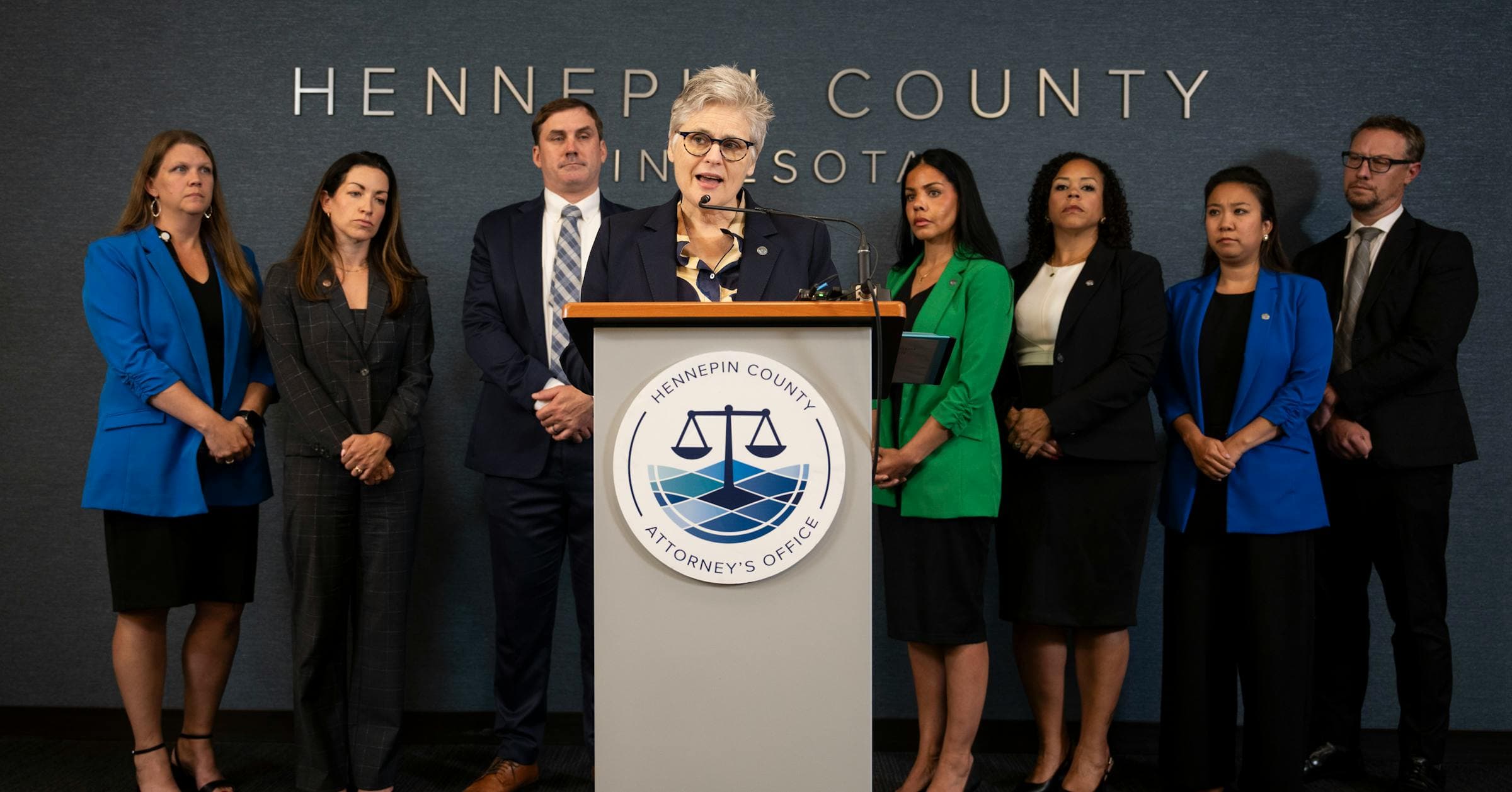
Adding complexity, **Hennepin County Attorney Mary Moriarty** recently **defended the county’s detention and bail practices** following incidents where individuals linked to violent crimes were released. In a recent statement, Moriarty emphasized that **bail decisions are based on risk assessments**, asserting they are **not intended to shield anyone from consequences**. Critics, however, argue that such policies may **jeopardize public safety**, especially when individuals with violent histories are released into communities, fueling ongoing debates over **detention policies** and **public safety priorities**.
### Calls for Oversight and Civil Liberties Protections
Community advocates continue to demand **mandatory body cameras for federal officers**, **transparent disclosures of enforcement activities**, and the creation of **independent oversight bodies** with **community representation**. These measures are viewed as essential steps toward **restoring trust**, **preventing future abuses**, and **safeguarding civil liberties**.
---
## Jail, Release Controversies, and Public Safety Concerns
### The Double Homicide and Jail Release Controversy
A recent troubling incident involves the **release of a man linked to a double homicide in north Minneapolis**. Despite community concerns and the potential connection to **fatal shootings of two individuals**, he was **released from Hennepin County Jail** on Monday. This decision has intensified scrutiny of **detention and bail policies**, raising questions about **risk assessment practices** and **public safety**.
### Broader Law Enforcement Incidents
- The **Minneapolis Police Department** is actively investigating a **double homicide in north Minneapolis**, where **two victims were fatally shot**. The investigation remains ongoing, highlighting persistent challenges in **detention effectiveness** and **crime prevention**.
- In **Brooklyn Center**, police **shot and killed a suspect involved in a double homicide** after a confrontation with an armed individual. The incident has prompted discussions about **use-of-force protocols** and **inter-agency coordination**, with recent **MPD updates** reaffirming commitment to public safety.
### Federal and Interagency Enforcement Activities
Recent federal operations underscore ongoing law enforcement collaboration:
- **Feds arrest 12 individuals linked to the 'Family Mob'**, removing **3.5 million doses of fentanyl**. The FBI and local agencies targeted a gang involved in significant drug trafficking, exemplifying efforts to combat violent crime and drug violence.
- **FBI warrants** led to multiple arrests of gang members and associates involved in organized crime.
- **Law enforcement announced charges against alleged gang members**, reflecting continued federal and local efforts to dismantle criminal networks.
Despite the federal withdrawal from immigration enforcement focus, law enforcement remains active in addressing **organized crime, drug trafficking, and violent crime**, with large-scale arrests and detailed investigations demonstrating a persistent commitment to **public safety**.
---
## Continued Community Resistance and Mobilization
Despite the **federal agency withdrawal**, protests and community mobilizations persist. **Four weeks after Alex Pretti’s death**, demonstrations continue at **Whittier Park** and other sites, with organizers—including **immigrant and Native communities**, **faith leaders**, and **youth activists**—demanding **justice**, **systemic reforms**, and **greater community involvement**.
### Notable Recent Events
- The **deportation of a local pizza shop owner** in Richfield has sparked outrage. Community-led fundraisers are supporting his family, highlighting the **human toll of immigration enforcement**.
- A **fundraiser event** was organized to support families affected by recent violence and detentions, emphasizing **community resilience**.
- **Sebastian**, a 16-year-old asylum-seeker from Ecuador, was **detained while driving in north Minneapolis** and subsequently **lost track of**, exemplifying ongoing challenges with **enforcement mismanagement** and **lack of accountability**.
---
## Next Steps: Toward Systemic Reform and Community Trust
Minneapolis now faces a critical challenge: **transforming trauma into systemic change**. To accomplish this, community leaders and policymakers advocate for **comprehensive investigations** into recent incidents, including **Pretti’s death**, the **firearm discharge in Eagan**, and the **linked double homicide**.
Key reforms include:
- **Establishing independent oversight bodies** with **community representation**.
- **Mandating body cameras** and **public reporting** of enforcement activities.
- **Reassessing surveillance tools** such as **license-plate readers** and **facial recognition** technologies to safeguard **civil liberties**.
- **Revisiting detention and bail policies** with an emphasis on **transparency**, **risk assessments**, and **public safety**.
### Building Trust Through Inclusive Policymaking
Community advocates emphasize **meaningful engagement** with residents to **restore trust**. Initiatives include:
- Creating **community-led oversight committees**.
- Promoting **transparent data sharing** on detention, enforcement, and use-of-force incidents.
- Implementing **regulations on surveillance technologies** to prevent racial profiling.
- Ensuring **community participation** in policymaking processes at city and county levels.
---
## Current Status and Broader Implications
While **federal agents have withdrawn** from Operation Metro Surge, **systemic issues such as misconduct, racial profiling, and community trauma** persist. The city’s next steps—focused on **investigations, oversight, and inclusive reforms**—are essential to **building a more transparent, just system**.
Recent law enforcement activities demonstrate that **agencies continue their efforts** to dismantle criminal organizations through **large-scale arrests** and **federally coordinated operations**. However, **community trust remains fragile**, and balancing **law enforcement effectiveness** with **civil liberties** is more critical than ever.
**Implications for Minneapolis and beyond include:**
- Demonstrating that **humane, accountable immigration enforcement** is achievable when **community oversight** is prioritized.
- Showing that **transparent, community-led oversight** can **prevent abuses** and **restore trust**.
- Providing a **model for national reform** on immigration enforcement, detention, and community safety.
---
## Notable Recent Developments
### Federal Charges and Gang Disruptions
**Title: Officials announce federal charges against Mpls. gang**
> Federal and local officials on Wednesday announced charges against a dozen people allegedly associated with a Minneapolis gang involved in organized crime and drug trafficking. The coordinated effort resulted in the seizure of **3.5 million doses of fentanyl**, highlighting ongoing law enforcement efforts to dismantle criminal enterprise networks responsible for violence and public health crises.
### Broader Law Enforcement Actions
- **Brooklyn Center Shooting:** A suspect involved in a double homicide was shot and killed by police after a confrontation. The incident underscores the ongoing challenges of **use-of-force protocols** and **interagency coordination**.
- **Bail and Detention Policies:** The Hennepin County Attorney’s Office defended recent bail decisions for individuals accused of violent crimes, igniting debates about **risk assessments** and **public safety** amid concerns about **releases of violent offenders**.
- **Community Protests Persist:** Demonstrations demanding justice for Alex Pretti, accountability for federal misconduct, and systemic reforms continue at Whittier Park and other sites.
---
## Conclusion: Toward a More Just and Trustworthy Minneapolis
The **Operation Metro Surge** revealed systemic vulnerabilities and deep-seated community wounds. Although the **federal withdrawal** marks a significant step, **unresolved issues of misconduct, oversight, and community trauma** demand urgent attention. The city’s future hinges on **independent investigations**, **transparent reforms**, and **inclusive policymaking** that prioritize **civil liberties** and **trust-building**.
By embedding **community-led oversight**, **accountability measures**, and **civil liberties protections** into its reform agenda, Minneapolis has an opportunity to **model a more humane approach**—one that balances **public safety** with **respect for human rights**. The coming months will be decisive in shaping a city that **heals wounds**, **restores trust**, and **sets a precedent for national reform** on immigration enforcement and systemic justice.