September 26, 2026
AI Turns Leaked Car Firmware into Easy Exploits
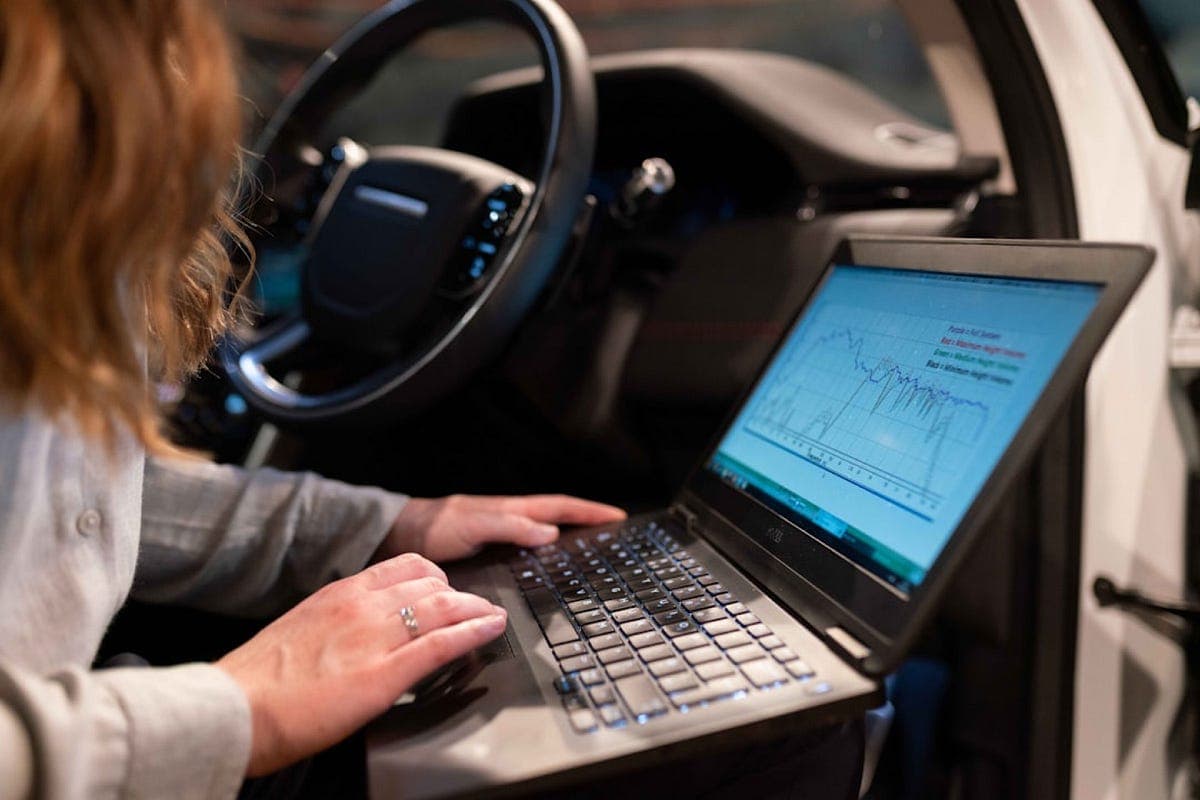
AI is slashing the cost of binary analysis, making firmware tampering far more accessible once attackers obtain an image.
- Mythos Preview...

Created by Victoria Dobson
Real-world car hacking incidents and vulnerability analysis for consumer and autonomous vehicles
Explore the latest content tracked by Car Hack Incident Digest
AI is slashing the cost of binary analysis, making firmware tampering far more accessible once attackers obtain an image.
UNECE R155 and R156 force automakers to treat cybersecurity and software updates as continuous lifecycle processes rather than one-time checks.
-...
Security practitioners at ScapyCon 2026 explored real automotive attack surfaces through practical experiments and protocol work.
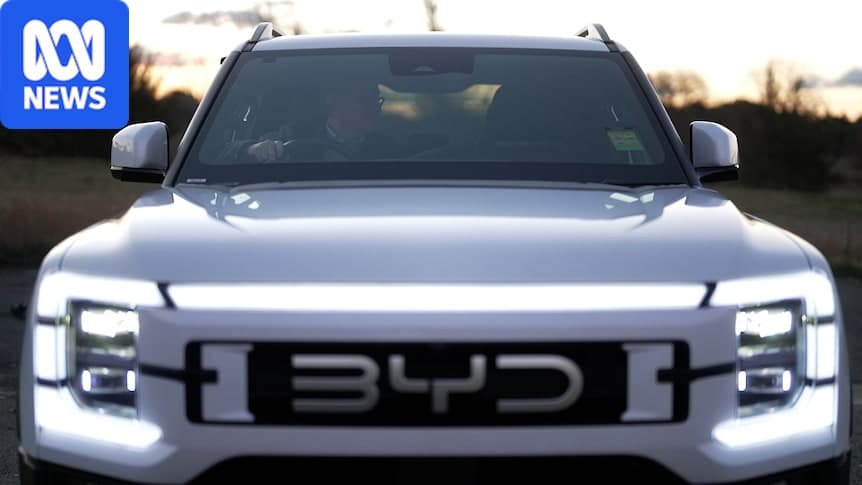
A cybersecurity expert remotely accessed a BYD Shark with minimal effort, activating its microphone to eavesdrop on banking details and extract...
Automotive cybersecurity in India is now a road safety and product liability issue, not just an IT problem.
A new survey traces Internet of Vehicles security from classical machine learning through large language models, adversarial robustness, and explainable AI.
ShinyHunters published hundreds of thousands of vehicle ownership records from Florida’s DAVID database after breaching it in September via stolen...
Default Bluetooth credentials in low-cost e-rickshaw BMS units let anyone with generic apps remotely cut power to moving vehicles, directly spurring...
AI interpreting vehicle camera data must operate under fixed safety constraints that block critical actions like steering or braking, since...
A pedestrian can freeze a driverless Cybercab simply by standing in its path, as its safety logic has no steering wheel, driver, or override to evade the obstruction. The Austin experiment showed this tactic requires zero technical skill.
Aftermarket vehicle components often gain broad authority through shared authentication, turning trusted accessories into potential attack vectors.
-...
Efforts to block government-mandated "kill switches" in new vehicles highlight deep tensions between impaired-driving prevention and risks of...
Britain’s automotive sector faces an existential crisis, with JLR cutting 4,000 jobs and a string of plant closures since 2005 threatening...
Connected-car app ecosystems create compound risks that extend far beyond any single app. The security boundary covers OS services, shared...
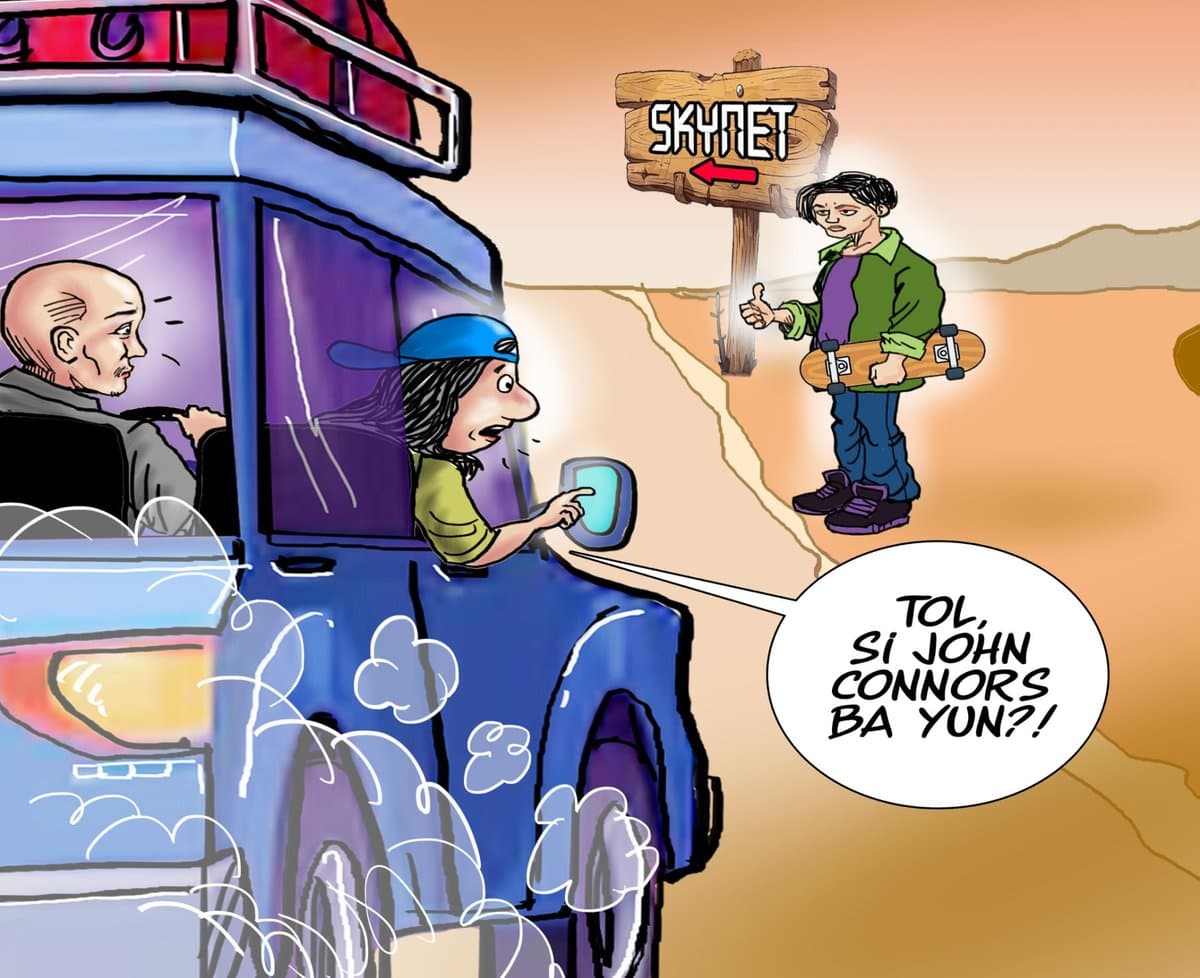
An alleged internet disruption caused a remotely operated driverless vehicle to crash into a police van in Islamabad after losing remote control. The...
Connected vehicles and Industry 4.0 are rapidly expanding the automotive attack surface, exposing manufacturers to ransomware, data breaches, and...
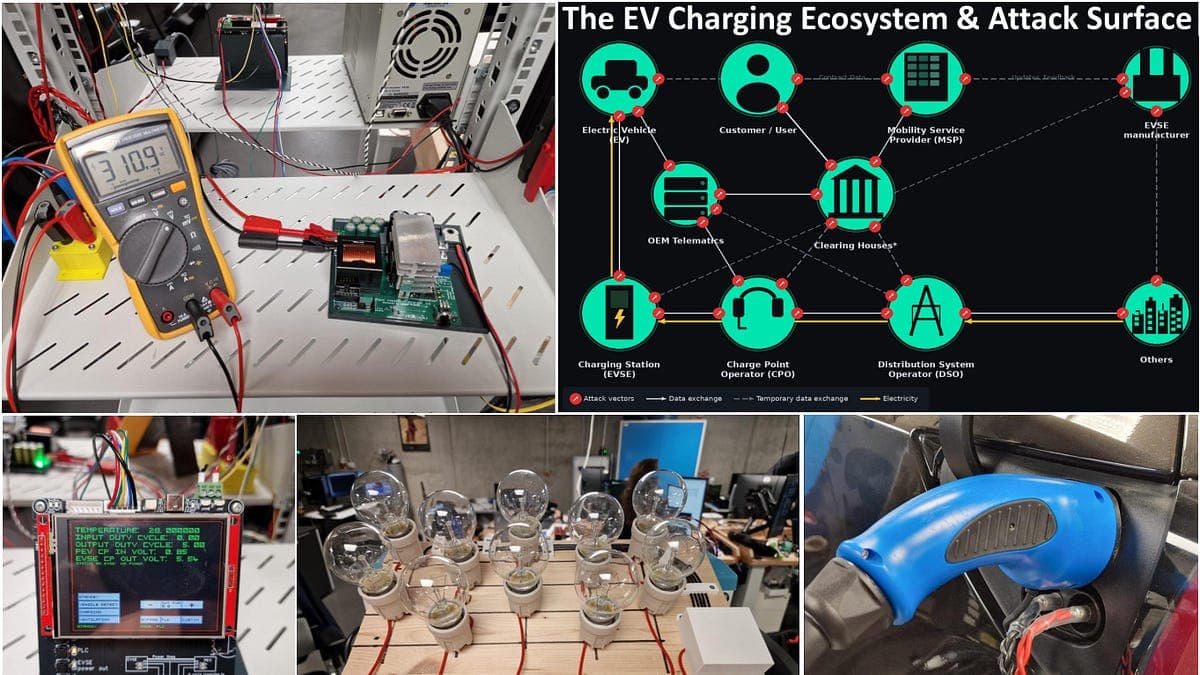
EV battery systems blindly trust the power-flow direction and negotiated limits reported by chargers. A malicious station can exploit this to pull energy from the vehicle instead of supplying it.
Researchers decode vehicle networks through systematic observation rather than proprietary files.
EV的ECU、电池管理系统、CAN总线和汽车以太网在开发全周期都需要安全测试。