# Advancements in Data-Centric AI and Specialized Foundation Models for Scientific and Domain-Specific Applications
The landscape of scientific and domain-specific artificial intelligence continues to accelerate, driven by groundbreaking innovations in data selection, model compression, multimodal reasoning, and autonomous workflows. Recent developments are transforming AI from mere tools into active collaborators capable of mechanistic understanding, safe operation, and rapid discovery. This evolution reflects a convergence of efforts to optimize data efficiency, enhance model interpretability, and deploy trustworthy systems tailored for critical research domains like medicine, biology, and neuroscience.
---
## 1. Data-Centric Strategies: Elevating Efficiency and Diversity
At the heart of these advancements lies a renewed focus on **data quality, diversity, and efficiency**. Techniques such as **dataset distillation** now enable the condensation of large-scale, complex datasets into smaller, highly representative subsets. For example, recent studies demonstrate that distilled datasets can **accelerate training** by **orders of magnitude** while maintaining, or even improving, model accuracy. This approach significantly reduces computational costs, making high-performance scientific models more accessible.
Complementary methods like **synthetic feature-space generation** facilitate the creation of **diverse samples** that improve models’ **generalization** across modalities and tasks. These synthetic samples enable models to learn **robust multimodal reasoning** involving images, text, and symbols—integral for interpreting medical reports, biological images, or mathematical data.
**Notable examples include:**
- **DeepVision-103K**, a curated multimodal dataset combining visual, textual, and symbolic data, empowering models to interpret complex diagnostic information.
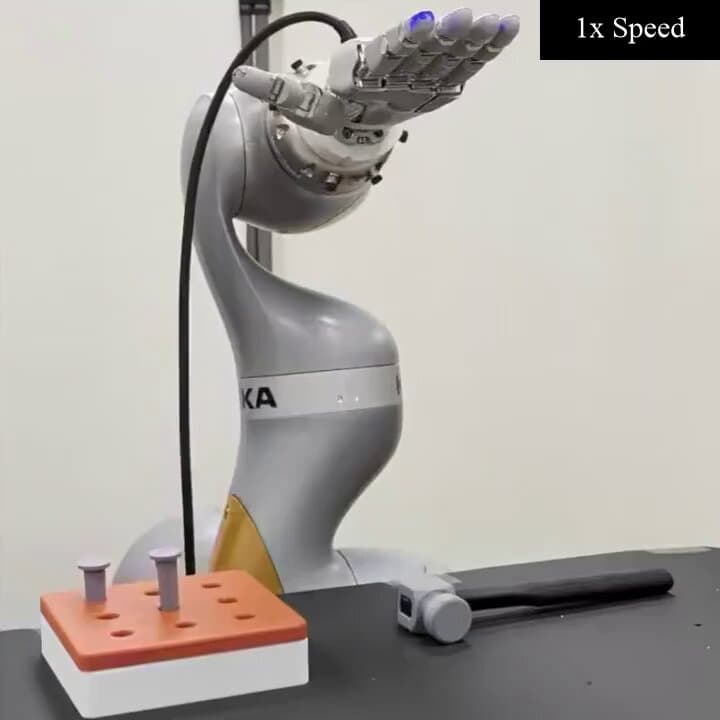
- **RoboCurate**, which employs **action-verified neural trajectories** for robotics dataset assembly, yielding models capable of **zero-shot generalization** across experimental tasks.
- **DataRecipe**, an automated dataset design tool utilizing reinforcement learning to craft **task-specific, minimal datasets**—lowering barriers to high-quality data curation.
These data-centric innovations **democratize AI development**, **enhance sample efficiency**, and **expand reasoning capabilities** with fewer, higher-quality samples.
---
## 2. Domain-Specific Foundation Models: Trustworthy, Explainable, and Mechanistically Grounded
Recent breakthroughs have produced **specialized foundation models** tailored for **healthcare**, **neuroscience**, and **biology**. These models prioritize **privacy-preserving techniques** and **explainability**, addressing the stringent requirements of clinical deployment.
For instance, **BrainIAC** exemplifies a model optimized for **brain MRI analysis**, achieving state-of-the-art performance in **age prediction** and **dementia diagnosis** while maintaining **regulatory compliance**. Its architecture emphasizes **interpretability**, allowing clinicians to trace model reasoning—a critical factor for **trust and adoption**.
In biological research, models like **BABE (Biology Arena BEnchmark)** are shifting focus from simple correlation detection to **causal inference** and **experimental reasoning**, fostering **mechanistic understanding**. These models accelerate **drug discovery** and **functional genomics** by enabling **hypothesis-driven analysis** rather than mere pattern recognition.
Further technical innovations, such as **homotopy hyperparameter tuning**, bolster **fine-tuning stability** and **domain adaptation**, ensuring models remain **robust across diverse datasets**—a vital feature for real-world scientific applications.
---
## 3. Model Compression and Hardware-Aware Deployment for On-Device Scientific Computing
To facilitate **deployment in resource-constrained environments**, models are increasingly optimized via **compression** and **sparsity techniques**. **Sink-Aware Pruning** selectively removes parameters based on their **information sink behavior**, preserving accuracy while reducing size.
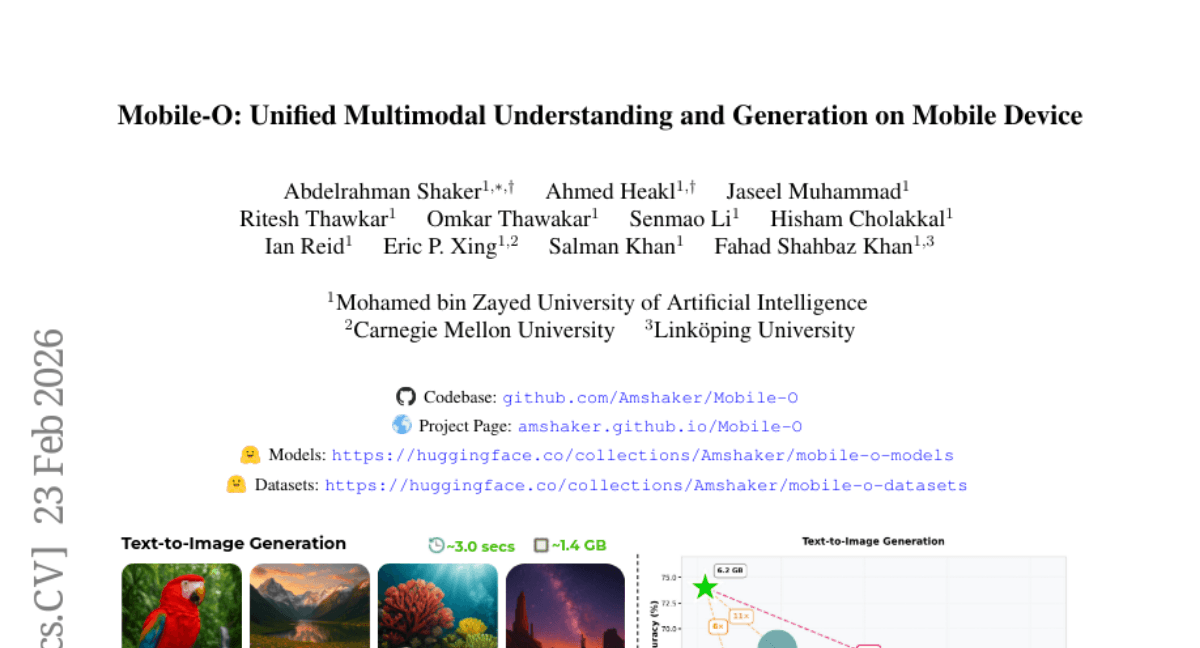
Emerging methods like **RaBiT** and **NanoQuant** push weights toward **near-binary precision**, enabling models to **run efficiently on smartphones and embedded devices**. **Sparse attention mechanisms**, exemplified by **SpargeAttention2**, introduce **trainable sparsity masks** that allow models to **attend selectively during inference**, drastically reducing **computational complexity**.
These hardware-aware innovations are complemented by **compute-in-memory architectures** such as **DICE**, which enable **faster inference** and **lower latency**, making large, sophisticated models **accessible for real-time scientific applications** outside traditional data centers.
---
## 4. Multimodal Representation and Cross-Modal Reasoning: Towards Unified Understanding
A crucial enabler for mechanistically grounded scientific AI is **modality-agnostic tokenization** and **shared latent spaces**. Frameworks like **UniWeTok** introduce **immense binary codebooks** with \(2^{128}\) tokens, capable of **fusing visual, textual, and auditory data** within a **single unified vocabulary**. This **simplifies cross-modal reasoning** and enables **real-time analysis** involving multiple data streams—such as combining medical images with textual reports and sensor data.
Models like **VLANeXt** and **UL (Unified Latents)** develop **joint embeddings** across modalities, facilitating **faster training**, **more efficient inference**, and **multi-sensor understanding**—crucial for **autonomous laboratories**, **medical diagnostics**, and **interactive research assistants**.
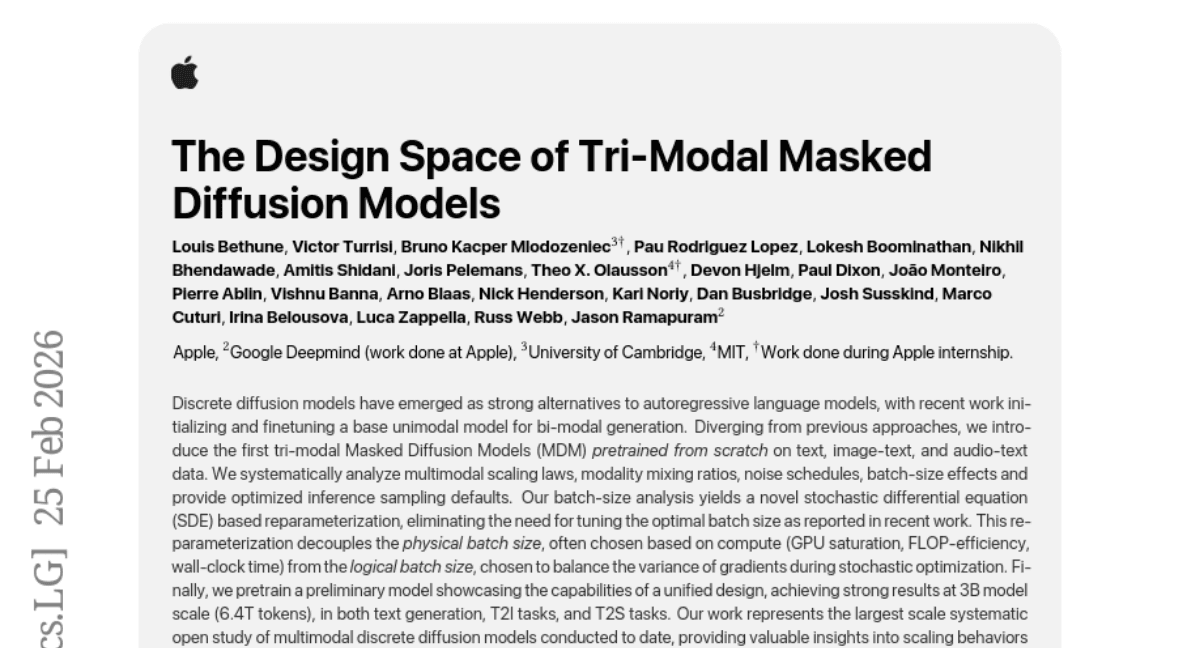
Recent advances also include **tri-modal diffusion models** and **3D grounding systems** like **JAEGER**, which support **multi-sensor perception** and **immersive reasoning**, pushing the boundaries of **multi-dimensional scientific understanding**.
---
## 5. System-Level and Autonomous Scientific Workflows
Progress at the **system architecture level** enhances **speed**, **robustness**, and **trustworthiness** of scientific AI:
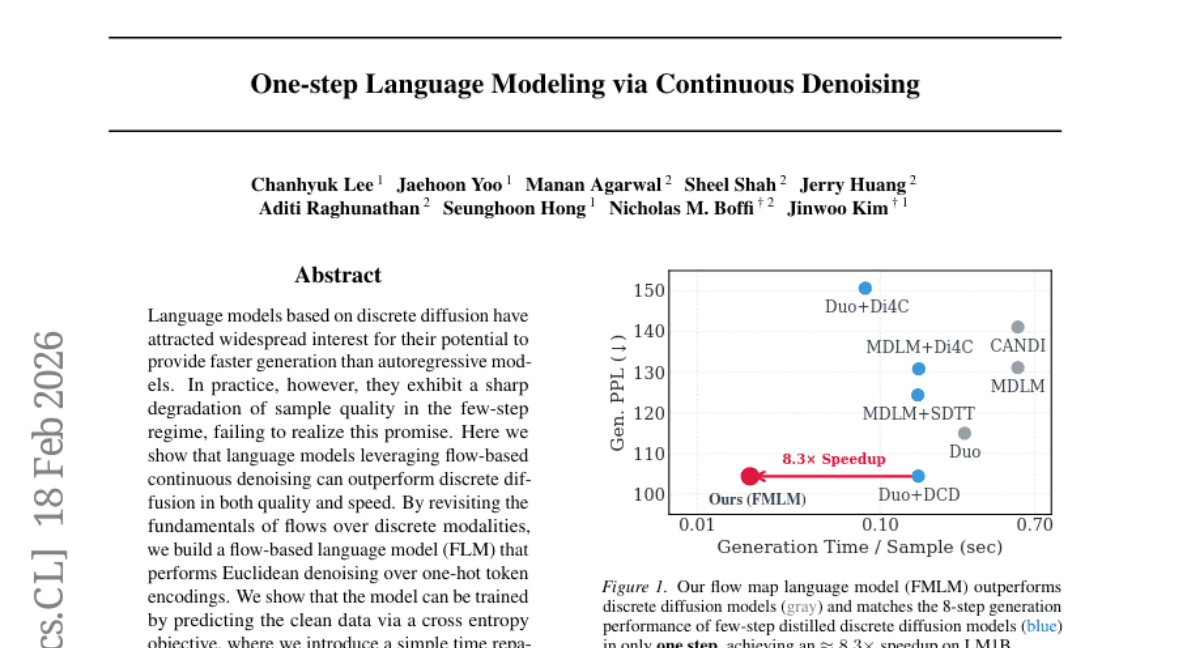
- **One-step continuous denoising** replaces multi-step processes, enabling **faster data generation**.
- **Headwise chunking** and **parallel context processing** allow models to handle **longer contexts** with **less memory**, supporting **extended reasoning** and **multi-stage experiments**.
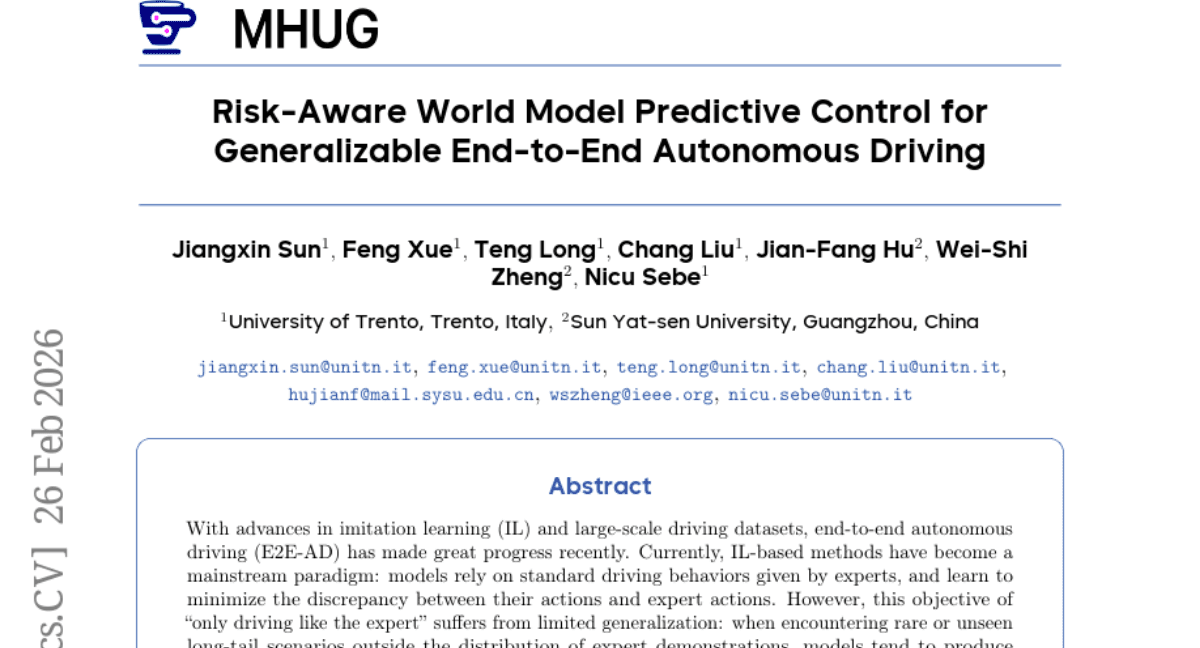
- **Self-reflective planning** and **world model predictive control** empower **autonomous agents** to make **robust decisions** in complex environments like **robotic labs** or **autonomous vehicles**.
- **Neural architecture search (NAS)** automates the discovery of **task-specific, hardware-efficient architectures**, accelerating **deployment** and **adaptation**.
These innovations are leading toward **autonomous in silico research teams** capable of **hypothesis generation**, **experiment design**, and **data analysis**—significantly **accelerating discovery cycles**.
---
## 6. Ensuring Trustworthiness, Safety, and Privacy
As autonomous AI systems take on more critical scientific roles, **trustworthiness** and **safety** are paramount. Techniques such as **Neuron Selective Tuning (NeST)** enable **targeted safety updates** by **modifying specific neurons**, supporting **rapid safety alignment**.
**Token-level interpretability tools** like **LatentLens** allow researchers to **trace reasoning pathways**, verify mechanistic understanding, and **ensure regulatory compliance**—an essential step for clinical and biological applications.
Addressing vulnerabilities such as **"expert-silencing attacks"**, scientists develop **adversarial defenses**, **safety verification protocols**, and **integrity checks**. These measures help ensure **reliable**, **safe**, and **ethical operation** of AI in high-stakes scientific contexts.
---
## 7. Future Directions: Toward Truly Autonomous, Trustworthy Scientific AI
Emerging frontiers focus on **scaling multimodal reasoning** to handle **longer, more complex data streams**, with an emphasis on **embedding causal and mechanistic knowledge** directly into models. Developing **standardized benchmarks** for **trustworthiness** and **reliability** will guide responsible deployment.
Simultaneously, **privacy-preserving techniques**—such as federated learning and differential privacy—are expanding to uphold **ethical standards** across sensitive domains like medicine and genomics.
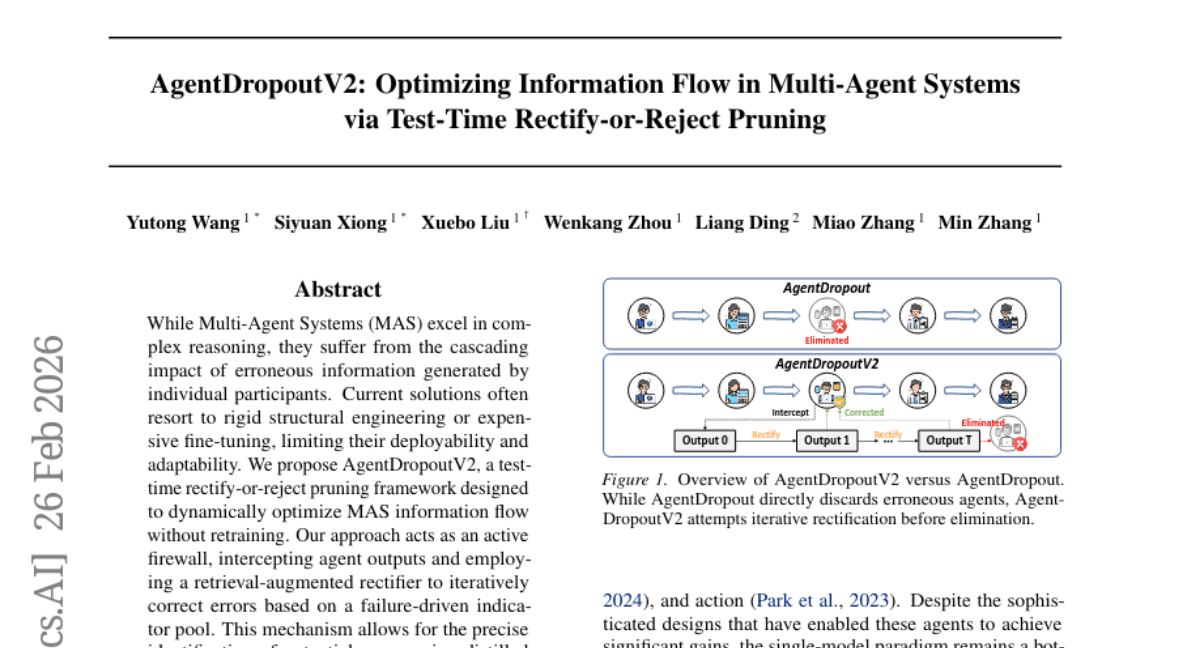
**Recent articles** highlight novel architectures such as **UniT** for **multimodal chain-of-thought reasoning**, **TOPReward** leveraging **token probabilities as implicit zero-shot rewards**, and **JAEGER** supporting **multi-sensor 3D grounding**. The advent of **agentic AI systems** like **AgentX** and **RoboCurate** illustrates **autonomous in silico research teams** capable of **hypothesis generation**, **experiment design**, and **data analysis**—potentially revolutionizing the pace of scientific discovery.
---
## **Implications and Current Status**
Today, the integration of **specialized models**, **efficient architectures**, and **autonomous agents** is **transforming scientific workflows**. These AI systems are **not merely tools** but **active collaborators** capable of **mechanistic reasoning**, **hypothesis testing**, and **automated experimentation**, all within **trustworthy and privacy-preserving frameworks**.
This evolution promises **faster breakthroughs**, **cost reductions**, and **greater accessibility** across scientific disciplines. As research continues, the focus will be on **scaling multimodal reasoning**, embedding **causal understanding**, and establishing **robust safety and trust benchmarks**, ultimately **accelerating human knowledge** and **scientific progress** in unprecedented ways.