# How Digital Freelancers Are Building Resilient, Multi-Stream Careers Online in 2026: The Latest Developments
The landscape of digital freelancing in 2026 continues to evolve rapidly, reflecting both technological innovation and shifting policy environments. No longer viewed as a supplementary income source or a temporary gig, freelancing has cemented itself as a **mainstream, multi-faceted career pathway**. This shift is characterized by strategic diversification, technological savvy, and an increasingly supportive regulatory environment—elements that empower freelancers to build resilient, sustainable, high-earning careers online.
## Freelancing in 2026: A Mainstream, Diversified Ecosystem
**Freelancing is now a central component of the global workforce.** Recent estimates indicate that the sector has generated **over $500 million worldwide in the first half of FY26**, underscoring its explosive growth. Surveys from organizations like the **Society for Human Resource Management (SHRM)** reveal that **most workers now rely on multiple income streams**, signaling a fundamental departure from traditional single-employer careers.
Freelancers today **diversify their income sources** through a variety of channels:
- **Client-based gigs** across multiple platforms
- **Digital products** such as online courses, templates, ebooks, and downloadable resources
- **Passive income ventures** including affiliate marketing, automated sales funnels, and investment strategies
- **User-generated content (UGC)** for brands
- **Consulting and advisory services**
This **multi-stream approach** enhances **financial resilience** and **career longevity**, allowing freelancers to **adapt swiftly** to platform policy shifts, technological changes, and market dynamics. By **building multiple income streams**, they **reduce dependency on any single source**—a crucial strategy in an unpredictable environment.
## Strategic Trends Reinforcing Resilience
In response to ongoing **macroeconomic uncertainties** and **technological breakthroughs**, freelancers are adopting **deliberate, strategic approaches** to stay ahead:
### Building and Scaling Digital Assets
Two key avenues have gained prominence:
- **Digital Products:** Freelancers create **online courses, templates, ebooks, and downloadable resources** tailored to niche audiences. For example, a freelance designer selling branding templates on Etsy or their own website can generate **semi-passive income**, complementing active client work.
- **User-Generated Content (UGC):** As brands prioritize **authentic engagement**, freelancers produce **relatable social media content** or **manage brand campaigns**—a scalable income stream that fosters **long-term relationships** with clients and offers stability during platform uncertainties.
### Cutting-Edge No-Code AI Services
A major recent development is the rise of **AI-powered freelance services**, especially **building no-code AI voice agents** for local businesses. Freelancers leverage **no-code platforms** to **design customized voice assistants** that handle customer inquiries, appointment bookings, and FAQs.
**Earnings Example:** Many report **monthly incomes around $5,000** from developing and managing these AI voice solutions. This niche exemplifies **how freelancers are innovating within emerging technologies**, creating **high-margin, scalable opportunities** less vulnerable to automation.
### Upskilling and Platform Mastery
To stay competitive amid **AI-driven automation**, freelancers are **investing heavily in upskilling**—focusing on **branding**, **client relationship management**, and **specialized technical skills**. Mastery of platforms such as **Fiverr**, **LinkedIn**, and newer gig marketplaces helps freelancers **stand out** and **secure higher-value engagements**.
### Financial and Long-Term Resilience Strategies
Recognizing that resilience encompasses **long-term stability**, freelancers are **deploying advanced financial planning tools**:
- **Retirement Accounts:** Increasingly, freelancers utilize **tax-advantaged accounts** like **Solo 401(k)s**, which in 2026 allow contributions **up to $66,000 annually**, with significant tax benefits.
- **Tax Tech Tools:** Solutions such as **Wave**, **QuickBooks Self-Employed**, **TaxBit**, and **Everlance** are vital for **tracking income and expenses**, **maximizing deductions**, and **simplifying compliance**.
- **Enhanced Deductions & Incentives:** Recent policies include **“No Tax on Tips” deductions**, potentially **reducing federal tax bills by around $1,400**, and **expanded deductions** for gig-related expenses—supporting **financial health** and **formalization of freelance income**.
## Navigating a Changing Regulatory and Platform Landscape
### Legal and Policy Developments
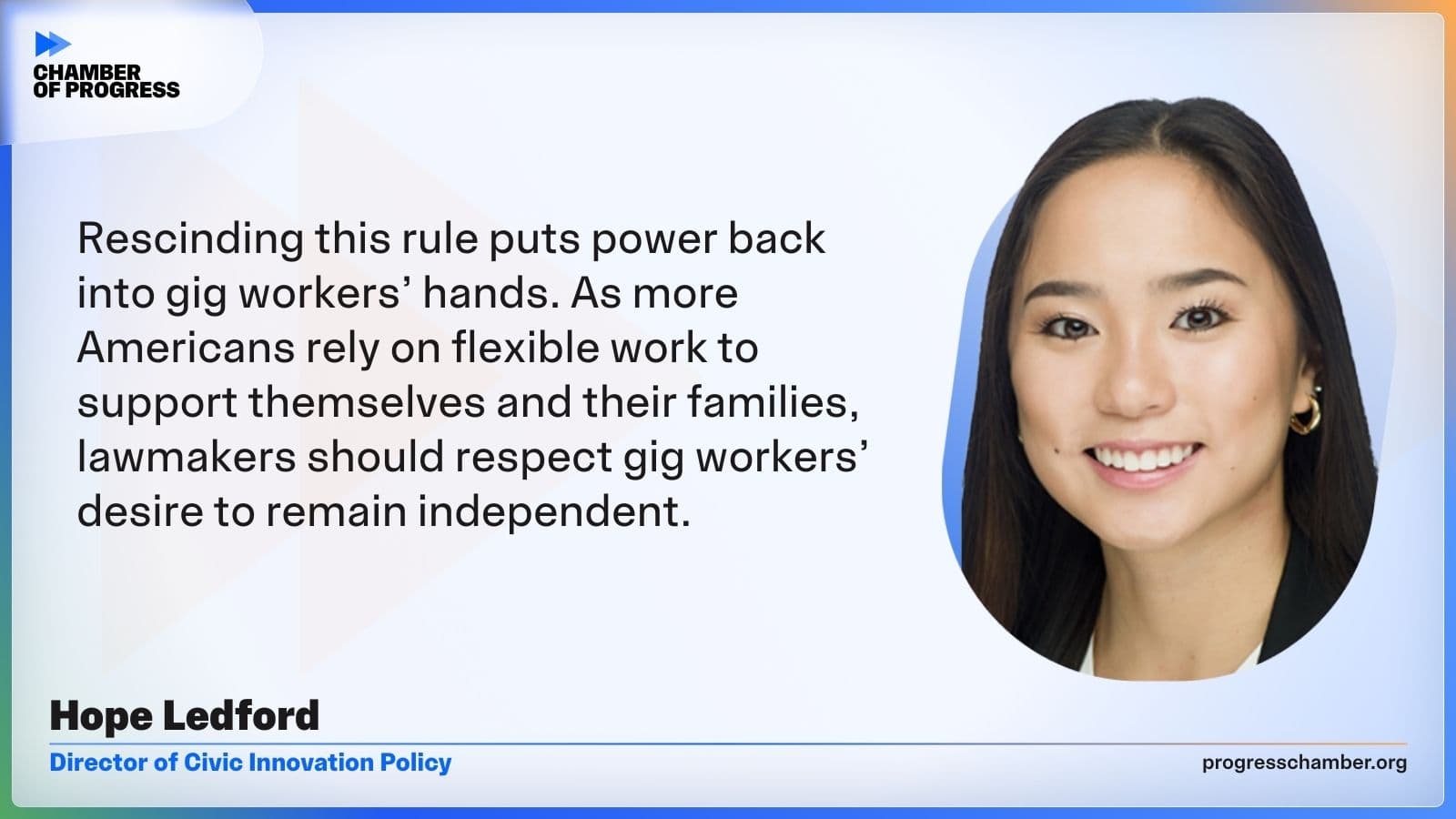
A **noteworthy recent development** is the **Labor Department's move to restore worker choice** for independent contractors. This guidance emphasizes **flexibility** for gig workers, acknowledging their right to choose their work arrangements. As **policy debates** around gig worker classification continue, there is potential for **expanded worker protections**—though this may also **increase operational costs** for platforms, influencing **freelancer earnings and business models**.
### FTC Consumer Protection Actions
The **Federal Trade Commission (FTC)** has taken steps to **protect gig workers** and **ensure fair practices**. A prominent example is the **$100 million settlement with Walmart** over their **gig-driver program**. This settlement addresses allegations of **misleading practices** and **unfair treatment**, signaling **greater regulatory scrutiny** over platform policies. Such actions may **drive platform reforms** and **improve conditions** for workers, but could also **introduce new compliance requirements**.
### Platform Reporting and Compliance
Platforms like **Etsy**, **Cash App**, and **eBay** are now **required to report transactions exceeding new thresholds**—such as **revised Form 1099-K rules**—which **enhances transparency** but **raises compliance burdens**. Freelancers must maintain **precise records** and utilize tools like **TaxBit** and **Real-Time Profit Calculators**—such as **GigU**—for **instant insights into earnings and expenses**, facilitating **effective business management**.
### Proposed Policies for Portable Benefits
Several states and policymakers are pushing for **portable benefits** for gig workers. Legislation like **House Bill 987** in Georgia advocates for **voluntary, portable benefits** without forcing gig workers into traditional employment. These proposals aim to **provide health insurance, retirement options**, and **training benefits**, helping freelancers **achieve long-term security** while maintaining flexibility.
## Practical Examples, Risks, and Myths
### Pathways to Six-Figure Earnings
A recent study indicates that **with strategic planning, consistent effort, and diversified income streams**, many freelancers are reaching **six-figure annual earnings within 2-4 years**. Success hinges on **niche selection**, **pricing strategies**, and **investment in skill development**.
### Success Stories
- **Videographer Side Hustle:** A freelancer managing video projects reports earning **$86,000** while maintaining a full-time job, illustrating the power of **targeted marketing** and **local market focus**.
- **Niche Business Growth:** **Mike O'Dell**, formerly a nurse anesthetist, transitioned into building a **$1.4 million** business centered on **niche quilt patterns**, exemplifying **focused niche specialization** and **persistent effort**.
### Shadow Market Practices and Risks
A significant portion of gig workers—**up to 25%**—engage in **shadow market practices** like **multiple accounts** or **delivery stacking** to boost earnings. While profitable, these tactics **risk platform bans** and **legal issues**. As regulatory oversight tightens, **sustainable, compliant strategies** are increasingly vital.
### Myths About Tax Reporting
A common misconception is that **income under $600 per gig** is exempt from reporting. The reality is **all income must be declared**, regardless of amount. Proper documentation and tools such as **TaxBit** help freelancers **stay compliant** and avoid penalties.
## Current Status and Future Outlook
The **2026 freelance ecosystem** is characterized by **diversification, technological innovation, and strategic agility**. Freelancers who **build multiple income streams**, **specialize in less automatable niches**, and **stay informed about policy shifts** are best positioned for **long-term resilience**.
Stories like **Mike O'Dell’s** demonstrate that **focused niche work**, **smart positioning**, and **persistent effort** can **lead to extraordinary earnings**. The emergence of **AI-powered services**, especially **no-code AI voice agents**, offers **scaling opportunities** previously unavailable.
However, **regulatory developments**—such as **worker protection laws**, **platform compliance rules**, and **tax reforms**—highlight the importance of **adaptability, compliance, and financial planning**. Freelancers who **stay proactive and informed** will continue to thrive in this dynamic environment.
## Final Thoughts
The **resilient freelance career in 2026** hinges on **diversification, continuous skill enhancement, and strategic adaptation**. As the economy, technology, and policies evolve, freelancers who **embrace innovation**, **manage expectations transparently**, and **navigate regulatory complexities** will craft careers that are **not only resilient but also highly rewarding**.
The current landscape offers **unprecedented opportunities** for those willing to **invest in their growth**, **stay informed**, and **think long-term**—building online careers that are **flexible, profitable**, and **sustainable** for years to come. The key is **staying proactive**, **leveraging emerging technologies**, and **aligning with evolving policy frameworks** to ensure continued success in the digital gig economy.