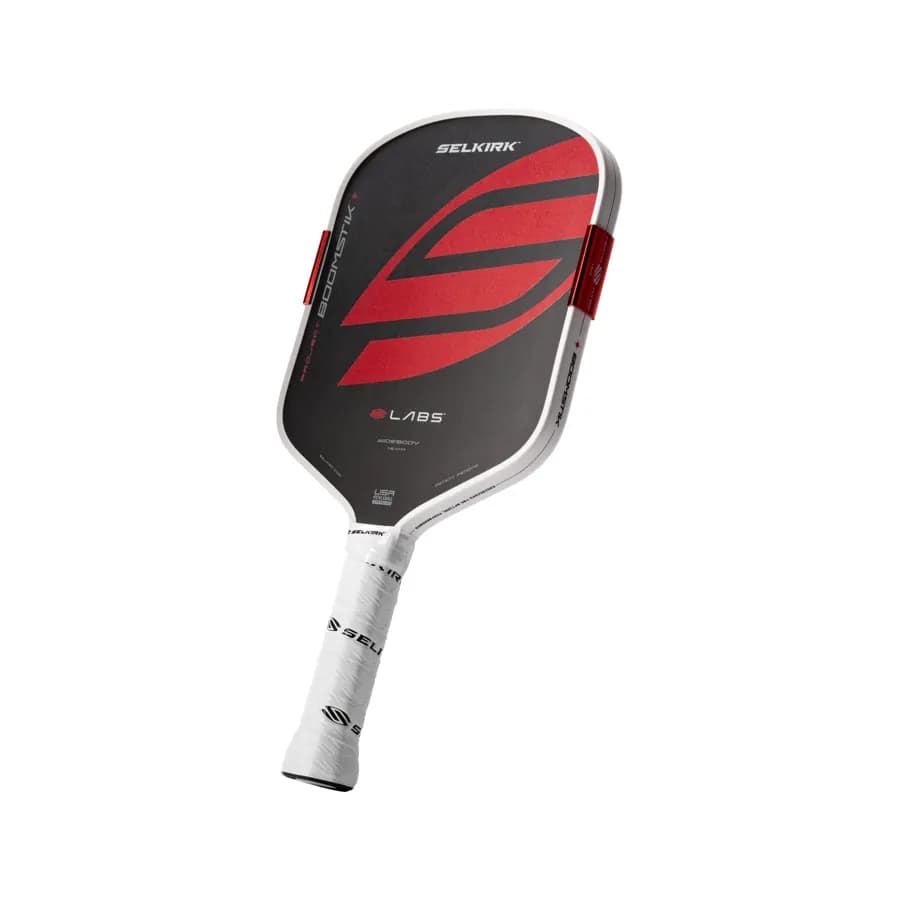
The governance of pickleball paddle technology continues to be a foundational element in preserving the sport’s fairness, safety, and inclusivity amid unprecedented growth and rapid innovation. At the heart of this governance lies the **USA Pickleball Association’s (UPA) rigorous, science-driven certification framework**, which remains the definitive authority on tournament-legal paddles. Recent developments—including the integration of AI-enhanced analytics, an expanding and increasingly diverse certified paddle ecosystem, ongoing durability challenges, and emerging regulatory harmonization efforts—have further refined how paddle approval shapes tournament eligibility and player experience.
---
### UPA Certification: The Unwavering Standard for Tournament Legitimacy
The **UPA continues to serve as the primary arbiter of paddle certification**, enforcing stringent, evidence-based testing to uphold critical performance, safety, and fairness standards. The certification process rigorously assesses:
- **Energy Transfer and Deflection:**
Paddles are required to restrict ball exit velocities to approximately 40 MPH and adhere to strict deflection angle limits. This ensures no paddle provides artificial speed or rebound benefits, even as manufacturers innovate with cutting-edge materials and designs. The *JOOLA Agassi Pro 14mm Carbon Fiber* remains a benchmark example of compliance within these parameters.
- **Weight, Balance, and Ergonomic Criteria:**
Drawing on biomechanical research and player insights—such as those featured in *“Concentrated vs Distributed Weight + Loco & Inferno Lookalikes | EP 112”*—the UPA enforces minimum weight thresholds and specific mass distribution to reduce injury risk, enhance comfort, and promote accessibility.
- **Durability and Core Integrity Testing:**
With persistent concerns around foam core compression ("core crushing"), the UPA has intensified durability protocols to ensure paddles maintain consistent performance and structural integrity over time.
- **Surface Grit and Spin Regulation:**
Certification now includes stricter limits on surface roughness and grit to control excessive spin generation, a factor increasingly scrutinized in elite competition.
- **Mandatory Certification for Tournament Eligibility:**
Only paddles bearing the official UPA seal are permitted in sanctioned events, establishing a uniform equipment baseline essential for competitive equity.
---
### AI-Enhanced DUPR Analytics: A Game-Changer in Certification and Player Experience
A groundbreaking advancement is the integration of **artificial intelligence (AI) within the Dynamic Universal Pickleball Rating (DUPR) system**. This AI-powered analytics platform synthesizes detailed paddle characteristics—such as weight distribution, energy transfer, and deflection—with dynamic player performance data across all skill levels.
The implications are profound:
- **Adaptive Certification Standards:**
The UPA can proactively and near-instantaneously recalibrate certification criteria to address new materials, designs, or emerging performance trends before they threaten competitive fairness.
- **Personalized Paddle Recommendations:**
Players gain access to data-driven guidance aligning paddle attributes with their unique playing styles, optimizing both performance and satisfaction.
- **Evidence-Based Regulatory Evolution:**
The traditional static certification checklist is evolving into a continuously refined, data-informed system that balances innovation with equitable competition.
---
### Expanding Certified Paddle Ecosystem: Innovation Meets Regulation
The certified paddle market is rapidly diversifying, fueled by advances in materials science and inventive design. The UPA has broadened testing protocols to accommodate a wider array of core technologies and paddle shapes, including:
- **Foam Core and Hybrid Technologies:**
Models like *CRBN³ TruFoam Waves*, *Holbrook Zone Power*, *Mark Pickleball Two R3*, and *Holbrook Mav* push the limits of performance and durability. The *Holbrook Fuze*, featuring dual-density expanded polypropylene (EPP) foam, exemplifies a balance of power, precision, and vibration dampening, as reviewed in *“Loco Competitor? | Holbrook Fuze Review”*.
- **Air-Infused Foam Innovations:**
*Selkirk Power Paddles* and *Selkirk Boomstick* utilize air-infused foam cores to enhance shock absorption and longevity. The budget-friendly *Selkirk Dauntless* expands accessibility while maintaining certification standards, highlighted in *“BUDGET BOOMSTICK?!? | Selkirk's NEW Full Foam SLK DAUNTLESS | Quick Take.”*
- **Honeycomb Polypropylene Cores:**
While foam cores dominate, honeycomb polypropylene paddles remain favored by many for consistent ball response and durability.
- **Noteworthy New Entrants Under Certification Review:**
- *Honolulu J2CR* (pre-order since April 2026) aims for ergonomic refinement and lightweight stability.
- *Callaway Inertia*, leveraging golf engineering expertise, challenges certification norms through its high-profile debut.
- *JOOLA Kosmos*, with a hybrid shape blending traditional and elongated profiles, has sparked certification scrutiny regarding shape and surface area distribution (*“What is ‘Kosmos’ by JOOLA? Inside the hybrid shape pickleball paddle.”*).
- Budget innovation continues with the *SLK Valkyrie Widebody* (~$80), praised for balancing touch, spin, forgiveness, and pop, reinforcing UPA’s inclusivity goals.
- The recently released *Six Zero Coral* (16mm core, ~$200) offers a versatile control-power hybrid pending full certification, expected to broaden approved options.
- The *Selkirk BoomStik Elongated*—recognized as a top power paddle but controversial due to its elongated shape—exemplifies ongoing certification debates.
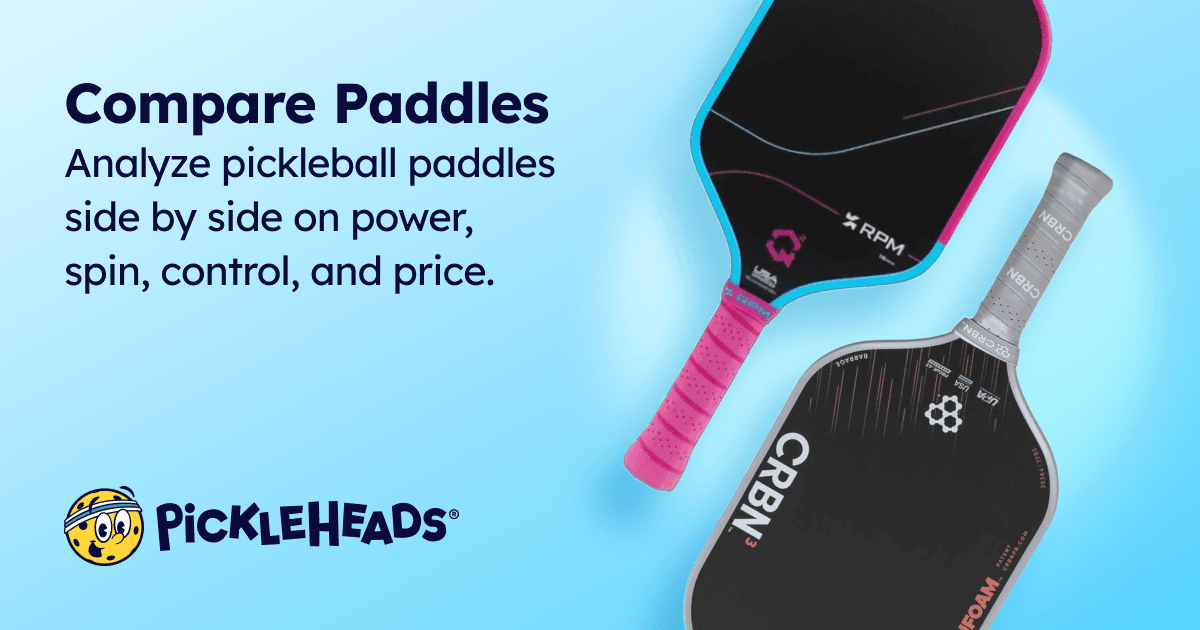
- The premium *RPM Q2* ($250), a “Gen 3” foam paddle, draws attention for advanced core technology and high-end performance.
- Newcomers like *Beyond Measure Ronin Hybrid* and *Widebody*, recently reviewed by DDOG_Pickleball, introduce novel shapes that may influence future certification and tournament eligibility.
- **Recent Launches and Reviews:**
The *Volair Shift*, reviewed in *“Volair Shift Review & Giveaway! | A Very UNIQUE Take On Gen 4 Paddle Design,”* introduces a fresh approach to Gen 4 paddle design, now undergoing UPA certification evaluation.
Additionally, Ben Johns’ insider breakdown of the *JOOLA Pro V* in *“Ben Johns Breaks Down His New JOOLA Pro V Paddle”* offers valuable insights likely to influence certification and market reception.
- **Selkirk’s SLK Line Reset:**
The introduction of three sub-$200 paddles—*Dauntless*, *Geo*, and *Valkyrie*—targets a broad player base by emphasizing affordability without compromising certification standards or performance.
- **SpeedUp Tide 14mm: A Unique Addition:**
The *Speedup Tide 14mm* paddle, reviewed in *“Speedup Tide Review | The Most Unique 14mm I’ve Tested”*, stands out for its distinctive combination of spin potential and feel, contributing new data points for certification and player preference discussions.
---
### Durability Challenges: Surface Grit Wear and Core Crushing Remain Key Concerns
Durability continues to be a critical issue, with two persistent challenges:
- **Surface Grit Longevity:**
Studies and player reports—including *“Honolulu TACKLES Grit Durability | Plus, NEW JOOLA & CRBN Paddles!”*—confirm that paddle surface grit degrades over time, potentially altering spin characteristics and impacting certification compliance. These findings are driving calls for enhanced durability testing and improved player education on maintenance.
- **Foam Core Compression (“Core Crushing”):**
Core crushing subtly but progressively reduces paddle performance consistency. Despite incremental improvements, this remains a concern, motivating ongoing certification updates and increased player awareness initiatives.
---
### Regulatory Fragmentation and Emerging Harmonization Efforts
Despite the UPA’s scientific rigor, regulatory fragmentation persists, notably due to differing standards from the United Pickleball Association of America (UPA-A):
- **Divergent Testing Philosophies:**
UPA-A emphasizes deflection and surface texture but lacks UPA’s comprehensive scientific framework, which leads to inconsistent paddle eligibility and confusion among manufacturers and players.
- **Signs of Cooperation and Harmonization:**
Both organizations acknowledge the drawbacks of fragmentation and have signaled openness to collaborative efforts:
> “Our aim is to highlight alternative performance aspects through distinct testing approaches, but we acknowledge the importance of harmonizing standards to prevent confusion and preserve fairness,” said a UPA-A spokesperson.
UPA responded:
> “We are committed to safeguarding pickleball’s competitive integrity through rigorous standards and welcome conversations aimed at harmonizing approaches for the benefit of players and the sport’s future.”
- **Impact on Industry and Players:**
Regulatory fragmentation complicates manufacturer compliance, muddies tournament paddle eligibility, and affects player sponsorship and paddle choices, as explored in *“Why Pro Pickleball Players Are Changing Paddles.”* A unified certification framework is increasingly viewed as essential for the sport’s integrity and growth.
---
### Community Reviews and Empirical Research Informing Certification Evolution
Player-driven reviews and scientific research remain vital in shaping certification protocols:
- **Recent Paddle Tests Highlighting Nuance:**
- *“Crazy Sound and Spin | SpeedUp Tide 14H Review”* (7:45) explores unique spin and auditory feedback, illustrating sensory factors influencing certification and player preference.
- *“Pickleball Paddle Test: Havik 2 Quick Hands & Maneuverability #shorts”* (58s) provides insights into handling and balance that inform ergonomic standards.
- **Empirical Research Advances:**
- **Dwell Time Reevaluation:** Studies suggest ball-paddle contact time impacts performance less than once believed, prompting recalibrated energy transfer and deflection limits.
- **Stricter Spin and Grit Controls:** Improved understanding of spin mechanics has led to tighter surface roughness restrictions to maintain competitive balance.
- **Reinforced Weight and Balance Standards:** Confirmed links between mass distribution and handling have strengthened minimum weight and balance requirements, improving safety and consistency.
- **Ongoing Core Crushing Scrutiny:** Persistent foam core compression concerns continue to motivate certification updates and player education.
---
### Empowering the Pickleball Community: Transparency and Education
The pickleball community actively promotes player literacy and compliance amid a complex certification landscape:
- **In-Depth Video Reviews and Durability Tests:**
Beyond classics like *Honolulu J6CR* vs. *Spartus P1*, recent deep dives into *Holbrook Fuze*, *11SIX24 Vapor Power 2*, and *RPM Q2* examine spin potential, grit wear, and durability, enabling informed, certification-aligned player choices.
- **Technical Podcasts and Tutorials:**
Shows like *KewCast* dissect topics such as budget paddle performance, AI’s impact on DUPR, grit durability, and spin mechanics. For example, *“Selkirk Boomstik Still #1? Leaderboard Shake-Up + Head Radical Pro Launch | KewCast 97”* examines elite paddle selections and certification implications.
- **Weight Distribution Discussions:**
Episodes focusing on concentrated versus distributed weight inform UPA’s ergonomic standards by highlighting mass placement’s influence on handling and injury risk.
- **Player-Driven Trends:**
Videos like *“New paddle of Men's WORLD #1 & More | Ep. 034”* provide insight into professional paddle choices, underscoring their influence on certification dynamics and market demand.
---
### Conclusion: Toward a Unified, Transparent, and Adaptive Certification Future
The **UPA’s science-based certification framework remains indispensable** in preserving pickleball’s fairness, safety, and inclusivity amid rapid technological advances and a complex equipment marketplace. The integration of AI-powered DUPR analytics, growth of foam-core and hybrid paddle certifications, intensified durability scrutiny, and ongoing empirical research reflect a proactive and adaptive regulatory philosophy.
Nonetheless, **persistent fragmentation—particularly between UPA and UPA-A—and the influx of innovative paddles** such as Callaway’s *Inertia*, Selkirk’s *Boomstick* and *Dauntless*, JOOLA’s *Kosmos* and *Pro V*, budget-friendly *SLK Valkyrie*, emergent *Six Zero Coral*, advanced *RPM Q2*, *Beyond Measure Ronin*, *Volair Shift*, and the uniquely featured *Speedup Tide 14mm* underscore the urgent need for harmonized, transparent certification frameworks. Unified standards will streamline manufacturer compliance, clarify tournament eligibility, and bolster competitive equity at all levels.
As pickleball’s global popularity surges, **collaboration among governing bodies, manufacturers, researchers, and players is paramount**. Embracing rigorous, science-based standards, transparent data sharing, and unified certification protocols will ensure innovation enhances—rather than undermines—the sport’s fairness, safety, and inclusivity. With upcoming paddle launches, evolving player feedback, and research milestones imminent, the regulatory landscape promises to evolve dynamically, balancing integrity with innovation hand in hand.