55 min ago
Fleet Week Safety and Transit Reminders
San Francisco officials have detailed safety and transportation plans for Fleet Week events drawing over a million people.
- Plan extra travel time,...

Created by Cheng Niu
Real-time alerts on Bay Area disasters, outages, safety shelters, and transit impacts
Explore the latest content tracked by Bay Area Disaster Watch
San Francisco officials have detailed safety and transportation plans for Fleet Week events drawing over a million people.
451 PG&E customers lost power in the Norris Canyon area west of San Ramon Monday morning, with restoration estimated by 3 p.m. The outage, reported at...
Golden Gate Bridge drivers face reduced lanes nightly this week during a 10-year seismic retrofit project.
San Francisco police are investigating after officers responded to a reported shooting on the 900 block of Market Street around 1 a.m., where a man...
A six-story South of Market apartment building was evacuated Saturday after a lithium-ion battery in a scooter caught fire on the third floor. Firefighters contained the blaze in about 15 minutes with no injuries or spread beyond that floor.
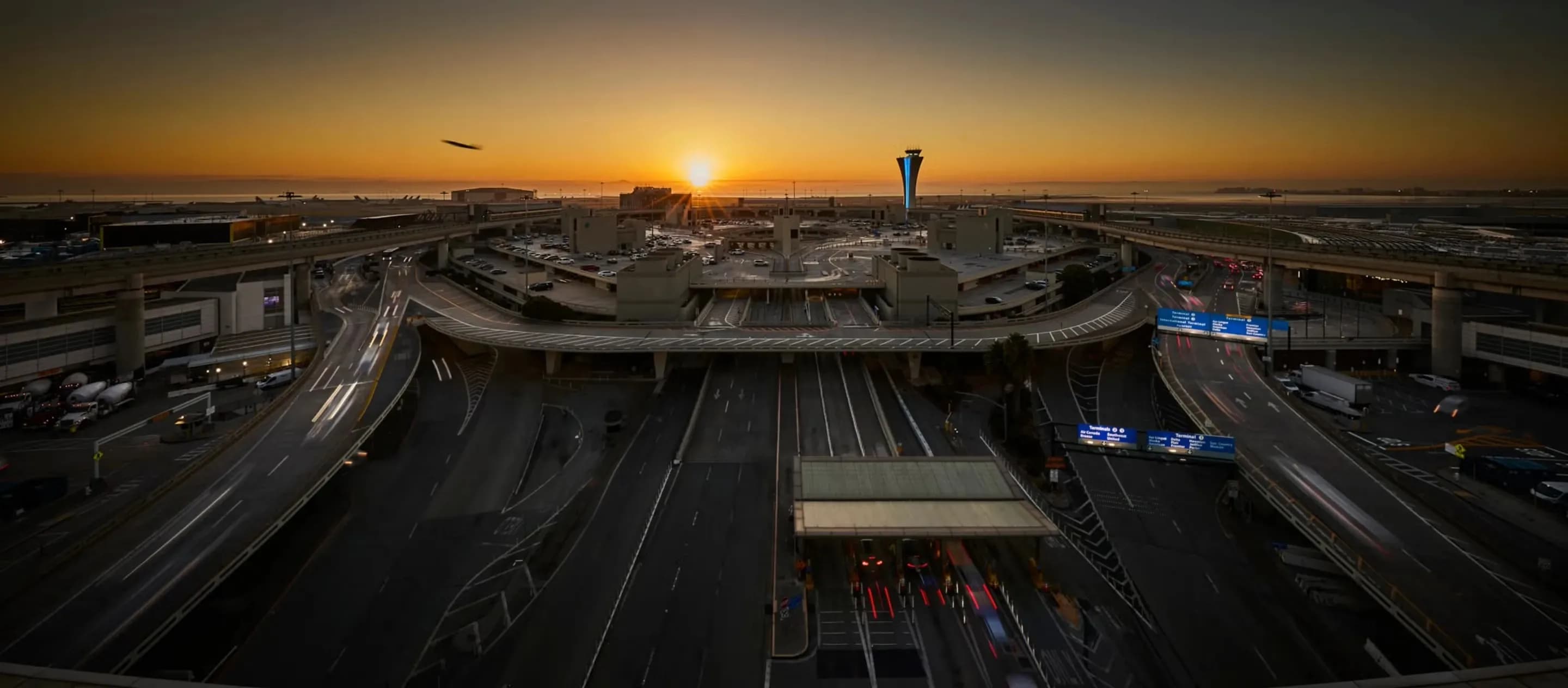
SFO will shift most departures back to Runways 1L and 1R starting October 3, ending the six-month use of 28L/28R during 1R rehabilitation.
-...
A six-story South of Market apartment complex was evacuated at noon Saturday after a lithium-ion scooter battery ignited on the third floor. San...
BART will cancel the Green Line all day on Sunday, October 18, with single-track operations causing 25–30 minute delays between San Leandro and Bay...
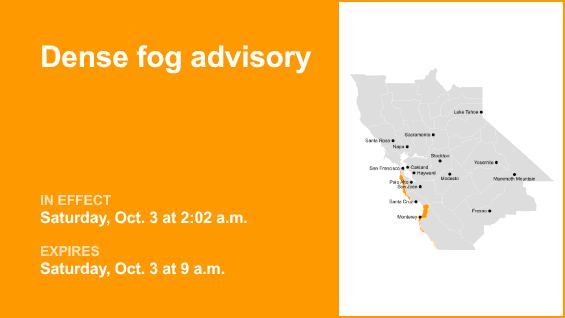
Dense fog advisory covers San Francisco Peninsula Coast until 9 a.m. with visibility at one quarter mile or less.
Key driving tips from NWS:
Prescribed burn smoke reached San Francisco and shoreline neighborhoods, causing residents to close windows, check air readings, and shorten outdoor...
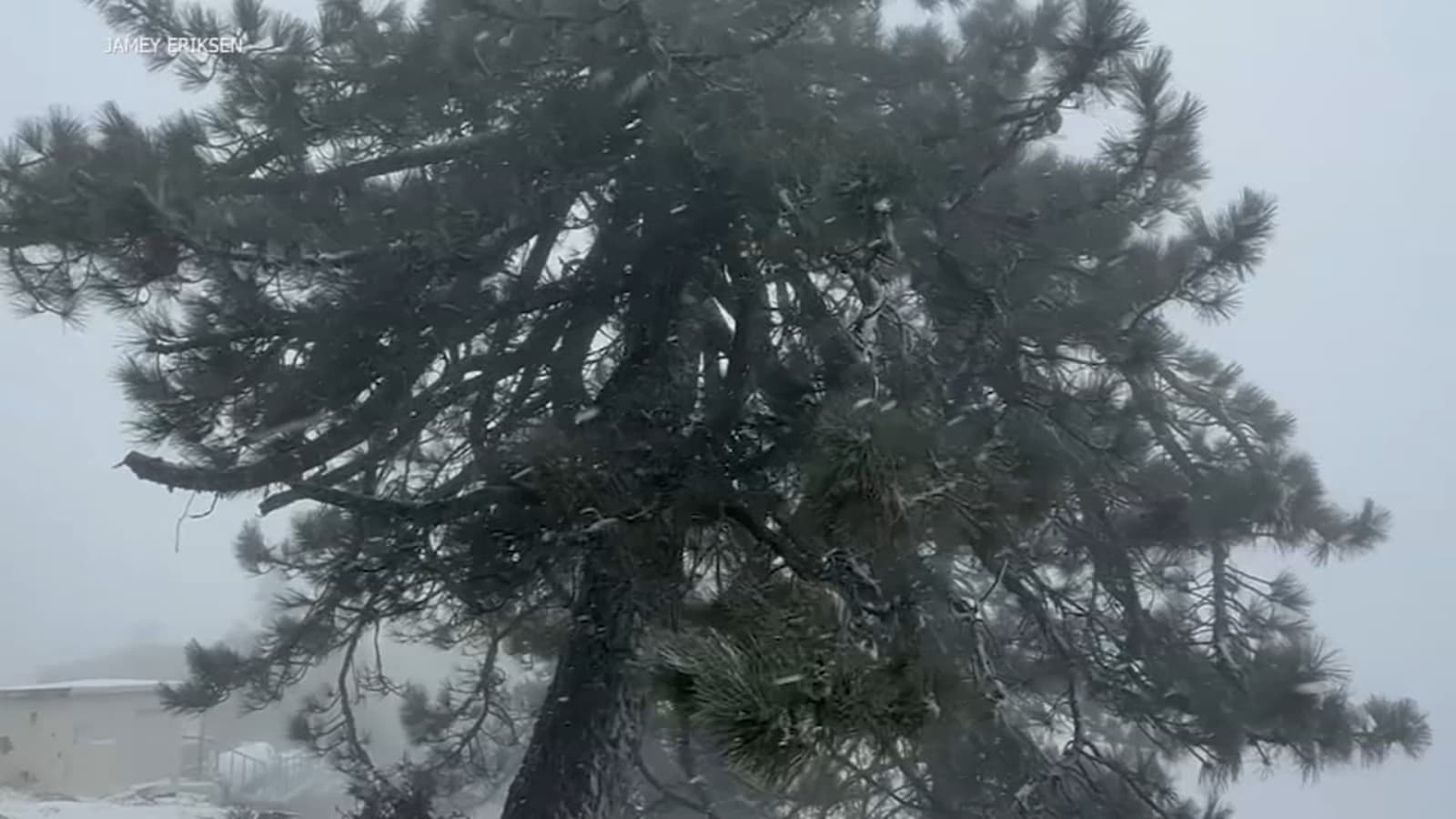
Tuesday's storm delivered rain and snow across the South Bay, creating safety hazards and infrastructure disruptions.
Cal Fire has launched AwareCA, a free app delivering vetted real-time emergency updates on fires, floods, earthquakes, severe weather, and hazmat...
Oakland is urging residents to register for the free AC Alert system this October, marking anniversaries of the 1989 Loma Prieta earthquake and...
Ozone and smog levels will reach unhealthy ranges across the Bay Area on Saturday, October 3 and Sunday, October 4.
Over 3,180 customers lost power in Tenderloin, Lower Nob Hill, and Western Addition neighborhoods.
The Rancho Fire is now 100% contained at 6.6 acres in Contra Costa County's Briones Regional Park, with the cause still under investigation.
Green Line service will be cancelled all day Sunday, October 18 due to trackway vegetation management between San Leandro and Bay Fair.
Heat wave incoming: Abnormally hot temperatures will stretch from southern California north to the Bay Area and Central Valley through next week.