# How Laws, Standards, and Institutions Are Reshaping AI’s Role in Society: The Latest Developments
Artificial intelligence (AI) continues to transition from experimental technology to a core societal infrastructure, influencing governance, security, ethics, and everyday life. As AI's scope expands, so does the recognition that deliberate regulation, transparency, and ethical stewardship are essential to ensure it benefits society without infringing on rights or fueling conflict. Recent months have witnessed an unprecedented surge in initiatives by governments, industry bodies, academic institutions, and civil society, all aiming to shape AI’s development in responsible, transparent, and secure ways. This evolving landscape underscores the urgent need for cohesive, multi-disciplinary frameworks to harness AI’s promise while mitigating risks.
## Accelerating Institutional Governance and Regulatory Frameworks
In the past several months, key institutions and governments have intensified efforts to establish effective oversight mechanisms:
- **NIST (National Institute of Standards and Technology)** has come under increasing scrutiny. Critics argue that NIST’s evolving standards must be more inclusive—engaging industry players, academia, civil rights organizations, and international partners—to craft guidelines that **foster innovation** while **ensuring safety, fairness, and accountability**. Recently, NIST has released draft frameworks emphasizing **risk management**, **bias detection**, and **explainability**, signaling a move toward more comprehensive and actionable standards.
- **The European Union** continues refining its **Artificial Intelligence Act**, aiming for a **risk-based classification system** that imposes **strict oversight on high-risk applications**. Recent updates highlight a focus on **human rights safeguards** and **transparent data practices**, reflecting the EU’s commitment to balancing innovation with civil liberties.
- **The United States** is drafting **federal guidelines** addressing **data privacy**, **bias mitigation**, and **security standards**, recognizing that effective AI regulation requires **cross-sector collaboration**. The push for **comprehensive legislative frameworks** indicates a shift toward integrating AI governance into existing legal systems.
- **Professional organizations** such as **IEEE**, **ACM**, and health IT federations have released **position papers** emphasizing **ethics, safety, and interoperability**. These documents serve as **industry-wide guiding principles**, promoting **harmonization of practices** aligned with societal values and legal norms.
## The Critical Role of Transparency, Legal Boundaries, and Accountability
As AI systems increasingly influence decisions affecting individuals’ rights, debates around **transparency** and **legal oversight** have intensified:
- **FOIA advocates** are calling for **expanded access** to **government AI algorithms**, especially those used in **criminal justice** and **public policy**. Transparency is deemed vital to **prevent opacity**, **ensure accountability**, and **build public trust** in AI-driven decisions like parole determinations or resource allocation.
- **Constitutional concerns** around **facial recognition**, **predictive policing**, and **mass surveillance** have led many jurisdictions to **impose bans or strict regulations**. Civil liberties groups emphasize the risks of **civil rights violations** and **due process infringements**, advocating for **oversight mechanisms** and **regular audits** to prevent misuse while maintaining security.
- **High-profile disputes**, such as **Anthropic’s recent conflict with the Pentagon** over AI defense contracts, exemplify tensions between **industry innovation** and **military oversight**. These conflicts highlight the necessity for **transparent procurement processes** and **clear accountability** protocols in **national security applications**.
## Security, Resilience, and Geopolitical Dimensions
AI’s integration into defense and security sectors has amplified concerns over **cyber vulnerabilities** and **state influence operations**:
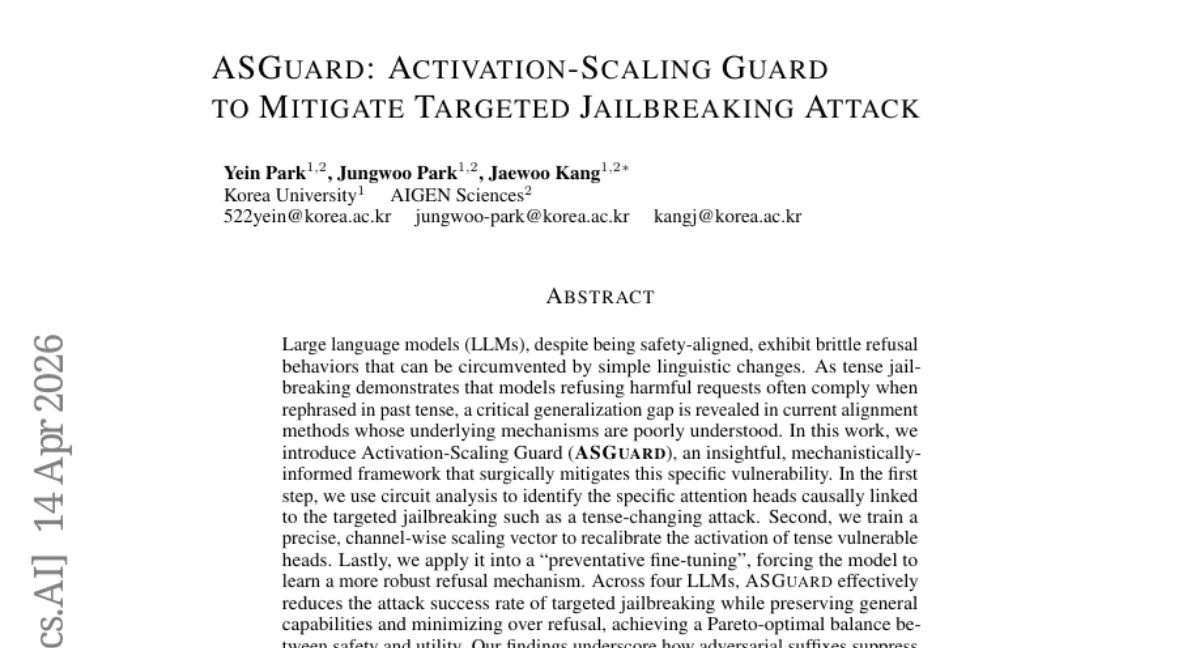
- **Cyberattack resilience** remains a top priority. Institutions are developing **resilience frameworks** aimed at **detecting, mitigating**, and **recovering from malicious exploits**. A compromised AI system could have **catastrophic societal consequences**, underscoring the importance of **robust safeguards**.
- **State-linked influence campaigns** utilize **AI companions** and **social bots** to **spread propaganda**, **recruit**, and **manipulate public opinion**, especially in authoritarian regimes like China. These tools facilitate **covert influence operations**, raising fears about **cross-border security threats** and **information warfare**.
- The **global race for AI dominance** persists, with nations deploying AI for **disinformation**, **public influence**, and **cyber warfare**. International cooperation on **standards and security frameworks** becomes critical to **prevent misuse** and **manage geopolitical tensions**.
## Academic and Research Community’s Response
The scholarly ecosystem is actively adapting to these societal challenges:
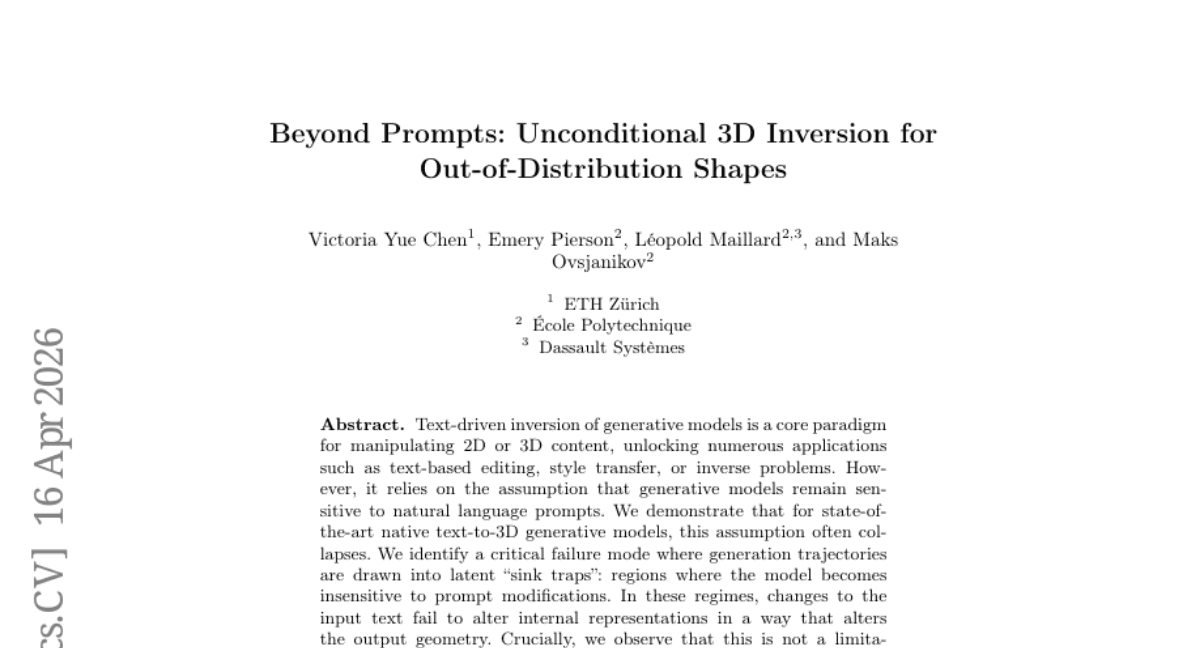
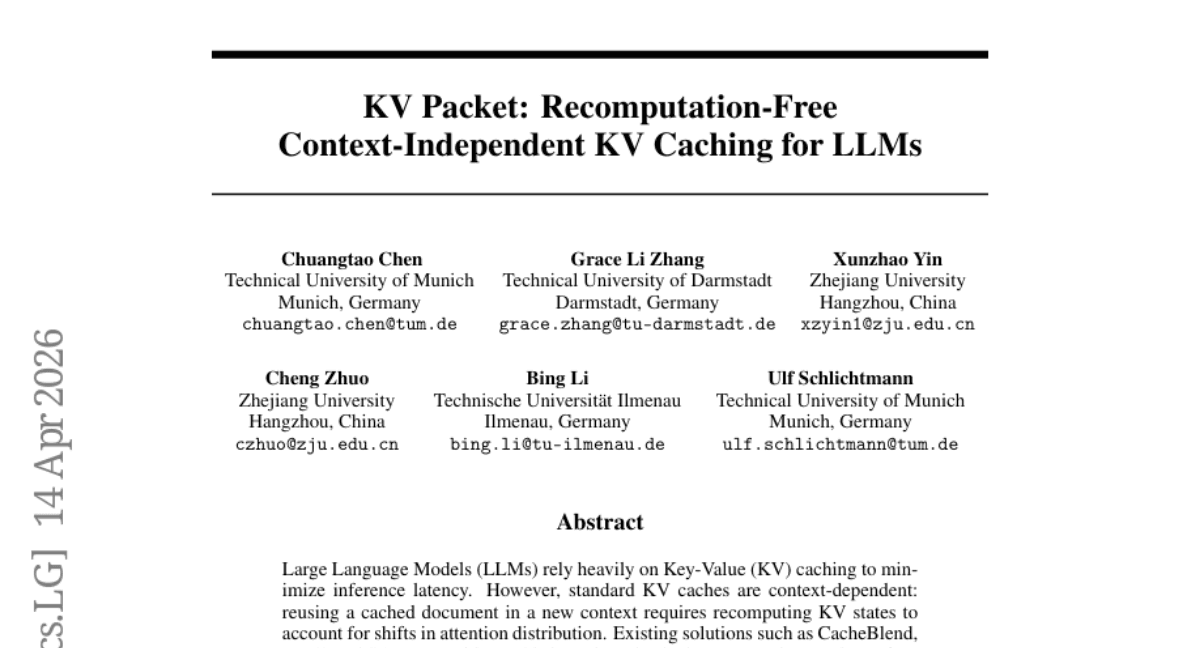
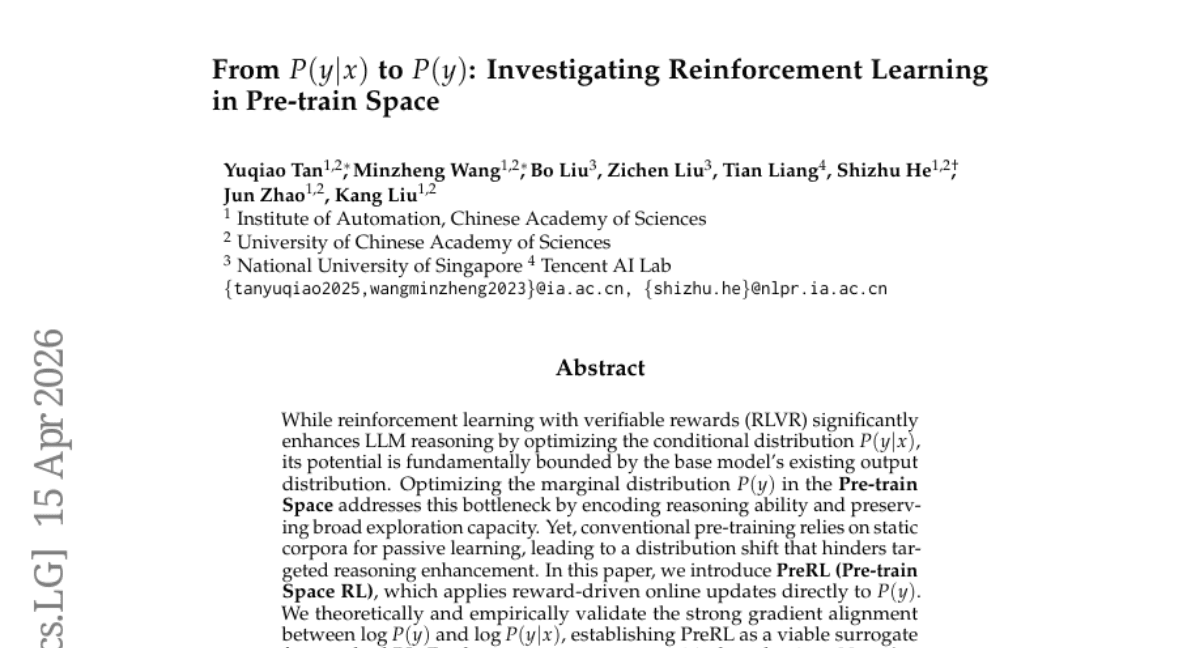
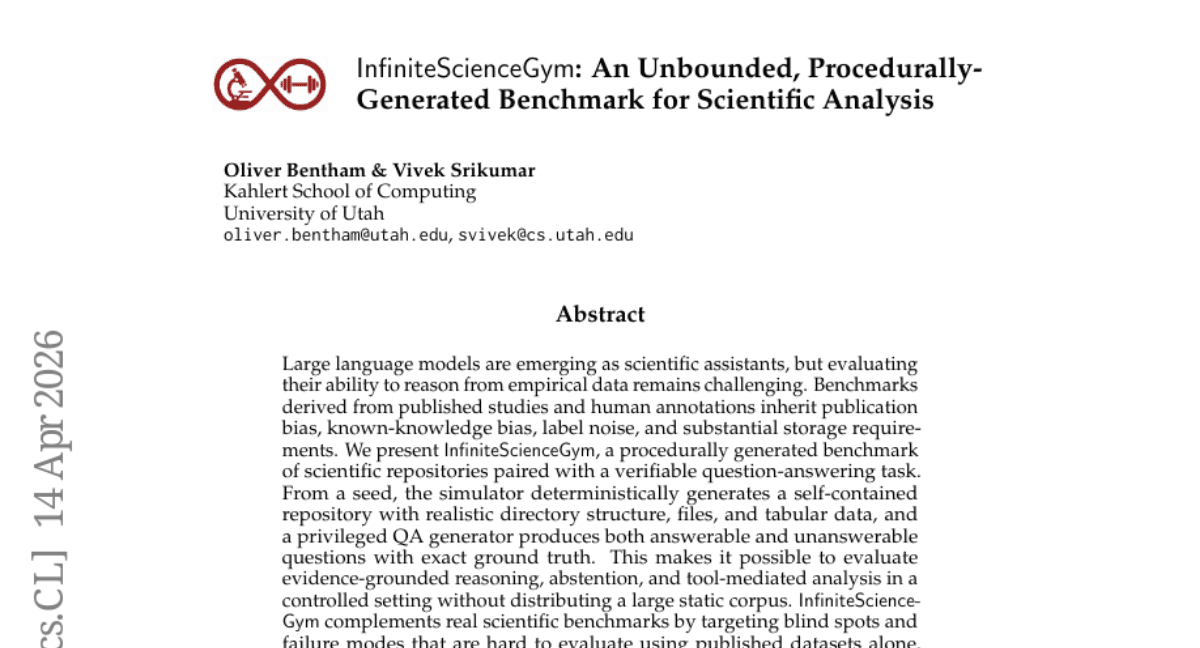
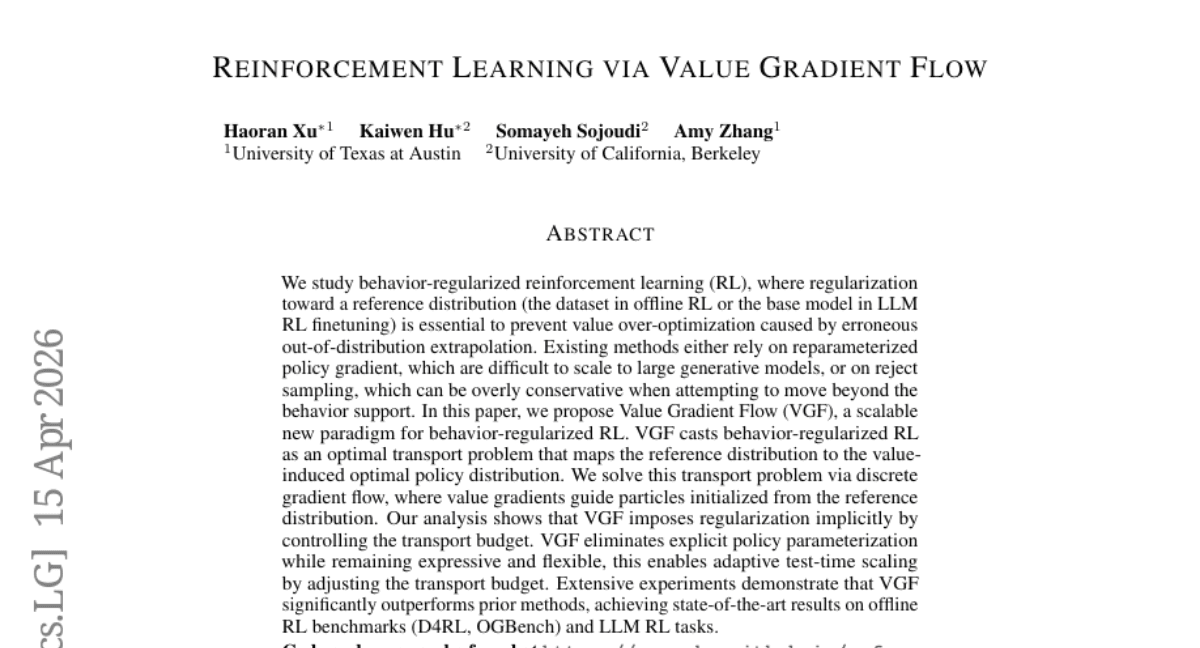
- **Universities and research repositories** are implementing **policies promoting responsible research**, emphasizing **transparency**, **reproducibility**, and **ethical standards**. Initiatives include **metadata tagging** and **disclosure protocols** for **AI-generated content**, aiming to **maintain scholarly integrity**.
- The rise of **AI-generated academic content** has prompted concerns. An influential article titled **"AI is inventing academic articles—and scholars are citing"** warns that uncritical citation of AI-produced research could **undermine trust** in scientific literature. Consequently, institutions are establishing **verification protocols**, **peer review standards**, and **disclosure requirements** to uphold **authenticity**.
## Emerging Discourse on AI Identity and Provenance
A new frontier in AI governance involves **debates about AI 'identity'** and **attribution**:
- An influential podcast titled **"The Artificial Self: Characterising the landscape of AI identity"** explores **how AI systems are increasingly capable of mimicking human-like behaviors**, raising questions about **ownership, authorship**, and **accountability**. The discussion emphasizes the importance of **standards for distinguishing human versus AI-generated outputs**, which is crucial for **authorship attribution**, **legal responsibility**, and **trustworthiness**.
- The podcast highlights the potential for **AI to develop 'identity' traits**, complicating efforts to **trace origin** and **assign responsibility**, especially in contexts like **content creation**, **artificial personalities**, and **automated decision systems**.
## Broader Implications and Future Outlook
Today, AI is undeniably **a societal institution**, demanding **robust regulation**, **international cooperation**, and **ethical oversight**. The recent developments reveal a **multi-layered approach**:
- **Legal frameworks** are evolving rapidly, aiming to **balance innovation** with **rights protection**.
- **Standards bodies** are working towards **harmonized, transparent guidelines** that can adapt to technological advances.
- **Academic and civil society** are advocating for **ethical norms**, **disclosure standards**, and **accountability mechanisms**.
### Critical Challenges and Opportunities:
- The need for **multi-disciplinary collaboration** among **lawmakers, technologists, ethicists, and civil society** to **align AI development with human rights**.
- The importance of **international standards** to prevent **cross-border misuse** and **conflicts** in the geopolitical arena.
- The ongoing challenge of **ensuring AI systems are transparent, accountable**, and **aligned with societal values** amid rapid technological change.
**In conclusion**, the trajectory of AI depends heavily on our collective ability to **govern responsibly**. As new societal, ethical, and geopolitical issues emerge—such as debates over AI identity and provenance—these efforts become even more critical. Through **sustained oversight, international cooperation**, and **ethical commitment**, society can harness AI’s transformative potential **while safeguarding human dignity, fairness, and accountability**. The future of AI rests on our capacity to embed **responsible innovation** at the core of its development—making it a tool for societal good rather than unchecked power or harm.