# How Theology and End-Times Beliefs Continue to Shape Views on Israel and Middle East Peace: New Developments and Their Impact
The intertwining of religious prophecy—particularly Christian end-times theology—continues to exert a profound influence on perceptions of Israel, regional geopolitics, and the prospects for peace in the Middle East. Recent geopolitical events, ritual developments, and media narratives have intensified these influences, reinforcing biblical expectations and fueling apocalyptic outlooks that shape activism, diplomatic strategies, and public discourse.
Understanding these evolving dynamics is crucial to grasp how faith-based narratives influence regional stability and global policy, often blurring the lines between spiritual prophecy and pragmatic diplomacy.
## Historical Roots and the Rise of Christian Zionism
The roots of these beliefs trace back over a century, intertwining biblical prophecy with Zionist aspirations. While **Theodor Herzl** and secular political Zionism emerged in the late 19th century, figures like **William Hechler**, a German Protestant theologian and supporter of Zionism, helped forge an enduring theological link. Hechler believed that the Jewish return to Israel was a divine mandate foretold in Scripture, elevating Zionism from political movement to divine fulfillment.
This theological perspective persisted into the 20th century, shaping visions of Israel’s destiny as part of biblical prophecy. The modern State of Israel is often viewed by many believers as a **divine fulfillment**, fueling religious activism and influencing Christian Zionist movements worldwide.
In recent decades, especially within American evangelical circles, **Christian Zionism** has experienced significant growth. Influential figures like **Mike Huckabee** have explicitly linked U.S. support for Israel to biblical prophecy, asserting that **supporting Israel aligns with divine plan**. Huckabee and others have argued that U.S. foreign policy should reflect this theological understanding, framing the modern state as part of God's unfolding end-times scriptural narrative.
## Contemporary Prophetic Media and End-Times Framing
Modern prophetic media outlets play a pivotal role in reinforcing these narratives. Platforms such as **Prophecy Today**, **Jimmy DeYoung’s broadcasts**, and **theTrumpet.com** interpret regional conflicts and political developments as signs of biblical prophecy coming to fruition. Recent events—like Israeli military operations, Gaza conflicts, Iran’s nuclear pursuits, and European political shifts—are frequently portrayed as **prophetic milestones**.
For instance, **theTrumpet.com** warns that **"Bible prophecy warns that the world is heading toward a clash of civilizations between Iran-led radical Islam and German-led Catholic Europe."** Such narratives suggest current geopolitical tensions are **divinely orchestrated**, fostering grassroots activism and shaping public attitudes toward conflict and diplomacy.
### Key recent examples include:
- **Iran’s nuclear program and regional influence**, interpreted as **fulfillments of biblical warnings**, suggesting Iran’s ambitions are part of an apocalyptic script.
- **The certification of a red heifer**, seen as a **sign of imminent Third Temple reconstruction**, which many believe will trigger end-times biblical events.
- **Regional conflicts in Gaza and Israel**, portrayed as **signs of biblical fulfillment** and **divine judgment**.
## Ritual Signs and Political Implications: The Red Heifer and Temple Rebuilding
A notable recent development fueling end-times expectations is the **certification of a red heifer**, a traditional prerequisite for Jewish sacrificial offerings and the rebuilding of the Third Temple. Prophetic circles interpret this event as a **sign that the prophetic clock is ticking**, with some groups actively supporting efforts to rebuild the Temple.
This event has prompted **renewed ritual preparations** and **political activism**, with some advocates viewing the Temple’s reconstruction as **essential to biblical prophecy**. The political implications are significant, as some policymakers and religious groups push for policies that support Temple rebuilding efforts, believing they are **divinely mandated**.
## New Media and Eschatological Analyses
Recent prophetic content has deepened the narrative that current events align with divine plans. For example, **"Stage Setting? What the Bible Says About Global Alignment"**, a recent YouTube video from **End Times Studies**, explores how geopolitical shifts reflect biblical scenarios of global alignment and conflict. Such content underscores the idea that **world events are fulfilling biblical prophecies** and signals the approach of **biblical climax**.
Figures like **Dr. David Jeremiah** have emphasized that recent milestones—such as peace treaties, conflicts, and regional alliances—are **prophetic signals** indicating we are nearing the end-times. Jeremiah’s recent sermons, such as **"We Just Crossed a Prophetic Line,"** reinforce this view, emphasizing that **divine thresholds** are being crossed, and the **end-times are imminent**.
## Policy Impacts: Faith-Driven Hardline Positions and Diplomatic Challenges
The integration of end-times beliefs into political ideology has tangible consequences. Many activists and policymakers motivated by prophetic narratives advocate for **robust, often confrontational policies** toward Iran, Gaza, and neighboring states. These policies are sometimes justified as **accelerating biblical fulfillment** or **preventing divine delays**.
Such beliefs can **complicate diplomacy**, as conflicts are viewed through a lens of **divine destiny** rather than pragmatic peacebuilding. The risk is that **military actions** are perceived as **necessary steps** toward biblical prophecy, potentially fueling a **self-fulfilling cycle** of escalation and conflict.
## Recent Media Reinforcing End-Times Narratives
In addition to the earlier sources, recent videos like **"How the Bible Describes Global Alignment,"** further reinforce the idea that current geopolitical shifts are **preparing the stage for biblical fulfillments**. These narratives foster a sense of **urgency and inevitability**, encouraging believers to **prepare spiritually and politically** for what they see as imminent prophetic events.
Such content often frames current conflicts as **divinely orchestrated signals**, urging believers to **remain vigilant**, **advocate for support of Israel**, and sometimes **engage politically** based on prophetic convictions.
## Challenges and Recommendations for Balancing Faith and Diplomacy
The blending of end-times beliefs with geopolitics presents significant challenges:
- **Rigid attitudes** rooted in prophetic expectations may resist compromise and diplomacy.
- Media content emphasizing **imminent apocalyptic events** can heighten tensions.
- Policymakers influenced by these narratives may prioritize **confrontational strategies** over peaceful solutions.
To foster sustainable peace, it is essential for religious leaders and policymakers to **navigate these influences carefully**. Recognizing the **deep emotional and theological roots** of these beliefs can help promote dialogue that respects prophetic convictions while emphasizing **pragmatic, diplomatic approaches**.
## Current Status and Future Implications
Recent developments continue to bolster end-times narratives:
- The **certification of a red heifer** has intensified preparations for Temple reconstruction.
- Iran’s **regional influence and nuclear pursuits** are seen as **fulfillments of biblical warnings**.
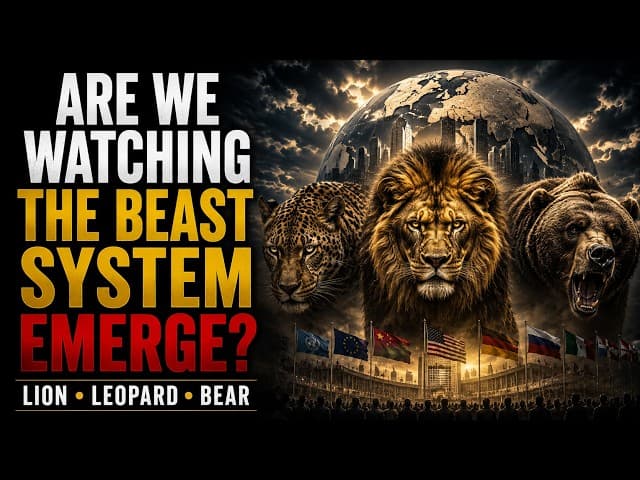
- Shifting alliances in **Europe and the Middle East** are interpreted as **biblical signs of global alignment**.
Media and religious content—like **Dr. Jeremiah’s** sermons and **End Times Studies’** videos—further reinforce the perception that **biblical prophecy is unfolding now**, often fostering a sense of **urgency among believers**.
**Implications include:**
- Increased grassroots activism supporting Israel and Temple rebuilding.
- Policy stances driven by prophetic beliefs, sometimes leading to **hardline approaches**.
- Potential escalation of conflicts perceived as **part of divine plan**.
### In conclusion
The enduring influence of **theology and end-times beliefs** remains central to how many perceive Israel and regional geopolitics. As new signs and developments emerge, these narratives continue to shape public perception, activism, and policy, often framing current events as **divinely orchestrated milestones**.
Balancing these deeply held convictions with **pragmatic diplomacy** is crucial to prevent misunderstandings and foster **lasting peace**. Recognizing the powerful role of faith and prophecy in shaping perceptions can help policymakers and religious leaders work toward **solutions rooted in hope and stability**, rather than fear and apocalyptic anticipation.