# Mideast Conflict Sparks Multi-Year Highs in Global Oil Prices: Escalating Tensions and Market Ramifications
The ongoing turmoil in the Middle East has reached a critical juncture, with recent military actions and strategic disruptions pushing global oil prices to levels not seen in several years. As geopolitical tensions escalate—marked by targeted strikes, infrastructure damage, and regional instability—markets are grappling with uncertainty over the duration and severity of supply disruptions, raising concerns about a sustained high-price environment with profound economic implications worldwide.
## Escalation in Middle East Conflict and Key Supply Disruptions
Recent weeks have witnessed a series of aggressive developments that threaten the stability of global energy supplies:
- **Strait of Hormuz Blockade:** The strategic Strait of Hormuz, through which roughly **20% of the world's oil passes**, has become increasingly volatile. Military confrontations and attacks have **effectively shut down this critical chokepoint**, raising fears of prolonged disruption. The Strait’s vulnerability remains a persistent threat to global oil flows, especially if conflict persists or intensifies.
- **US Military Strikes on Kharg Island:** A significant escalation occurred when the United States launched **military strikes targeting Kharg Island**, Iran’s main oil export facility. This infrastructure is vital for Iran’s oil shipments, and damage inflicted during these strikes could **further constrain Iran’s export capacity**. Analysts suggest that the attack not only hampers Iran’s current exports but also signals a more aggressive stance by the US, increasing the risk of retaliatory actions from Iran or allied factions.
- **Damage to Iranian Fuel Depots & Halted Shipments:** Iran's fuel depots have suffered multiple **bombings**, disrupting its ability to export oil efficiently. Additionally, Iran has **halted shipments** amid escalating security concerns and sanctions enforcement. These disruptions are contributing to a **tightening global supply**, compounding existing fears of shortages.
- **Regional Producer Precautionary Cuts:** Key OPEC+ producers like **Saudi Arabia** and **Kuwait** have announced **production cuts** aimed at stabilizing markets amidst rising storage levels and logistical bottlenecks. Their moves reflect a proactive effort to prevent oversupply but also highlight **fears of escalating conflict and further disruptions** that could threaten market stability.
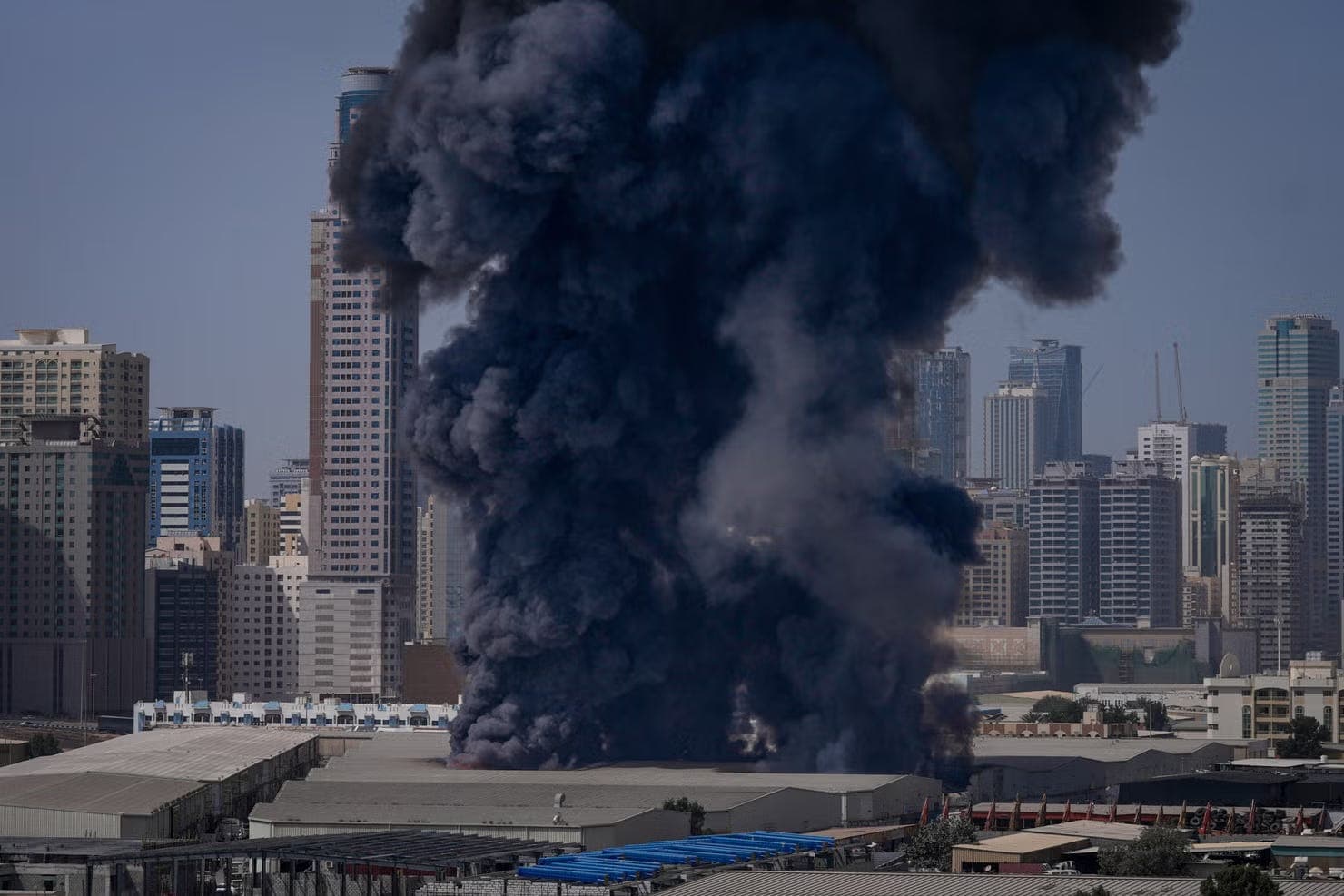
- **Attack on Fujairah Port:** Recent attacks have targeted the Fujairah port in the UAE, a crucial hub for oil loadings and storage. **Sources confirm that Fujairah resumed oil loadings after the attack**, but concerns remain about the port’s vulnerability and the potential for future disruptions that could impact regional and global supplies.
## Market Response: Prices Surge and Inventories Tighten
The geopolitical upheaval has triggered a rapid market response:
- **Oil prices have surged past $110 per barrel for WTI** and have similarly risen for Brent crude, levels last seen during previous crises.
- **Inventories across key regions are tightening**, with traders pricing in **significant risks of prolonged disruptions**. The heightened risk premium has led to increased volatility and elevated risk premia in oil markets.
Headlines emphasizing recent events—such as the US strikes on Kharg Island and the damage to Iranian infrastructure—have intensified market nervousness. The prospect of **further attacks or naval blockades** in the Strait of Hormuz continues to underpin fears of supply shortages, pushing prices higher.
## Broader Economic and Policy Implications
The surge in oil prices reverberates beyond energy markets, impacting global economic stability:
- **Inflationary pressures** are mounting as higher energy costs ripple through consumer prices and production costs.
- **Economic growth prospects are at risk**, especially for energy-dependent nations, where elevated energy prices threaten to slow recovery trajectories.
In response, **OPEC has revised its demand forecast upward for 2026–2027**, projecting that **global oil demand will reach an average of 107.87 million barrels per day in 2024**—a slight increase from previous estimates. This revision underscores **confidence in continued demand growth** despite current geopolitical uncertainties and highlights the importance of **market stability** to meet future energy needs.
**OPEC’s outlook** emphasizes:
- The importance of **OPEC+’s ability to adjust production** as circumstances evolve.
- The resilience of regional producers to **maintain output amid ongoing conflicts**.
- The potential for **further supply disruptions** if tensions persist or escalate.
## New Developments Heightening Risks
Recent key events have underscored the volatility:
- The **US military strikes on Kharg Island** have **significantly damaged Iran’s vital export infrastructure**, likely constraining Iran’s shipments further. This move signals a more aggressive posture aimed at deterring Iran but raises concerns about **retaliation or escalation**, which could exacerbate supply disruptions.
- **Iran’s fuel depots** remain vulnerable, with ongoing **attacks and sabotage** threatening Iran’s export resilience.
- **Transport routes**, especially in the Strait of Hormuz, remain **susceptible to attacks or blockades**, risking further disruptions and market volatility.
Officials from **OPEC** maintain a **cautiously optimistic stance**, emphasizing **market stability** while acknowledging **uncertainties**. They stress that **it’s too early to gauge the full impact** on demand and supply but highlight the **urgent need for vigilance** given current conditions.
## Current Status and Future Outlook
Oil markets continue to exhibit **high volatility**, with prices remaining elevated amid ongoing conflicts and disruptions. The combination of **supply constraints**, **regional production cuts**, and **geopolitical risks** suggests **elevated prices could persist for an extended period**.
**Key questions moving forward include:**
- Will **regional producers and OPEC+** be able to **stabilize or increase** supply to counteract ongoing disruptions?
- How long will **military escalations** and conflict persist, and what **additional shocks** might occur?
- Could **further attacks or blockades** deepen shortages, pushing prices even higher?
### Implications for the Global Economy
Persistent high energy prices threaten to **fuel inflation globally**, complicate monetary policies, and slow economic recovery efforts. Countries heavily reliant on energy imports are particularly vulnerable, prompting policymakers worldwide to monitor developments closely and consider strategic measures to mitigate adverse effects.
## Conclusion
The Middle East conflict has **profoundly impacted global oil markets**, propelling prices to multi-year highs amid fears of prolonged supply disruptions, escalating regional tensions, and geopolitical uncertainties. While some analysts view this as a **temporary shock**, the current environment—marked by infrastructure damage, strategic port attacks, and unstable chokepoints—suggests **higher energy prices could endure**.
**Market participants and policymakers** must remain vigilant. The **stability of global energy supplies** remains precariously linked to regional peace and security, with **escalating conflicts or retaliatory actions** holding the potential to trigger further shocks. The coming weeks will be critical in determining whether markets can stabilize or if tensions will push prices higher, with significant economic ramifications worldwide.