# Oil Alliance Raises Output Despite Escalating Middle East Tensions and Iran War Disruptions
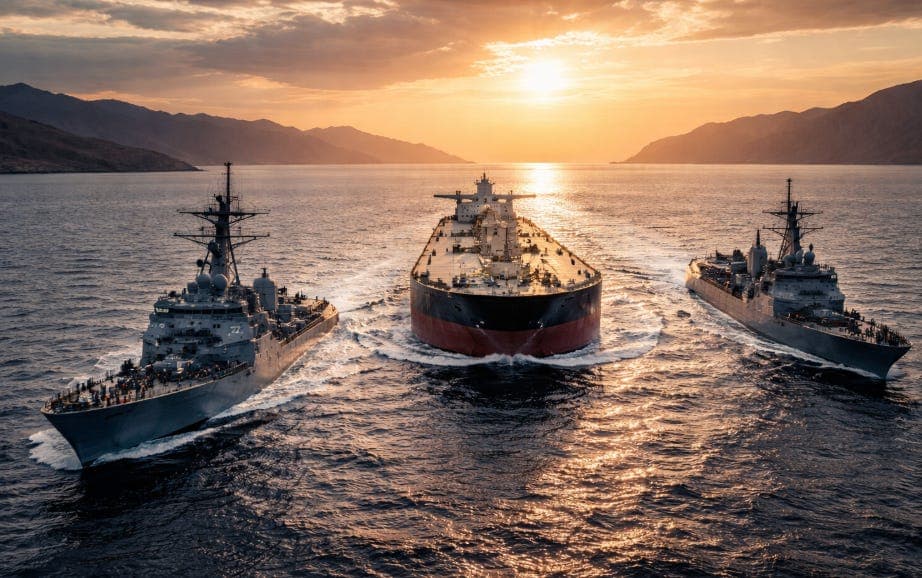
In a carefully calibrated move amid escalating geopolitical tensions in the Middle East, OPEC+ has announced a modest increase in oil production, signaling both a short-term stabilization effort and an acknowledgment of the fragile state of global supply chains. This decision comes against a backdrop of intensified conflicts, recent military strikes on Iran’s key infrastructure, and mounting concerns over the stability of major oil export routes.
## OPEC+ Implements a Cautious Production Increase
On March 15, the OPEC+ coalition reached a consensus to **increase collective oil output by approximately 206,000 barrels per day (bpd)** starting in April. This incremental boost signifies the **beginning of a gradual recovery of about 1.65 million bpd of voluntary cuts** that had been implemented earlier to support prices during heightened uncertainty. The alliance aims to **prevent further price surges** while avoiding exacerbating supply risks in a tense geopolitical environment.
### Market Reaction and Price Dynamics
Prior to the announcement, oil prices surged approximately **17%**, driven by fears of supply disruptions linked to ongoing conflicts and threats to vital shipping routes. The modest output increase is intended to **mitigate potential price spikes**; however, analysts warn that such a limited measure may be **insufficient to counteract the scale of current disruptions**, especially as infrastructure attacks and military strikes threaten supply stability.
Recent developments have pushed Brent crude prices near **$100 per barrel**, with some analysts projecting further upside toward **$110–$115** if geopolitical tensions persist or escalate. A decisive close above $100 would **extend bullish targets**, highlighting the market’s sensitivity to conflict-driven risks.
## Recent Geopolitical Disruptions: US Strikes on Kharg Island and Regional Attacks
Adding to market volatility, **US military forces conducted strikes targeting Kharg Island**, Iran’s main oil export terminal. This attack has **heightened concerns over Iran’s export capacity**, as Kharg Island’s facilities are central to Iran’s crude logistics.
> **Breaking: US strikes military targets on Kharg Island – Iran’s main oil hub**
> These strikes are likely to **further reduce Iran’s export capacity**, elevating supply constraints and market uncertainty. Damage to Kharg Island could significantly impair Iran’s ability to export crude, compounding the already complex picture of regional instability.
**Kharg Island** has historically served as Iran’s primary export hub, capable of handling a substantial share of its crude exports. Any operational setbacks here threaten to **tighten global supply**, particularly amidst Iran’s ongoing sanctions and regional conflicts.
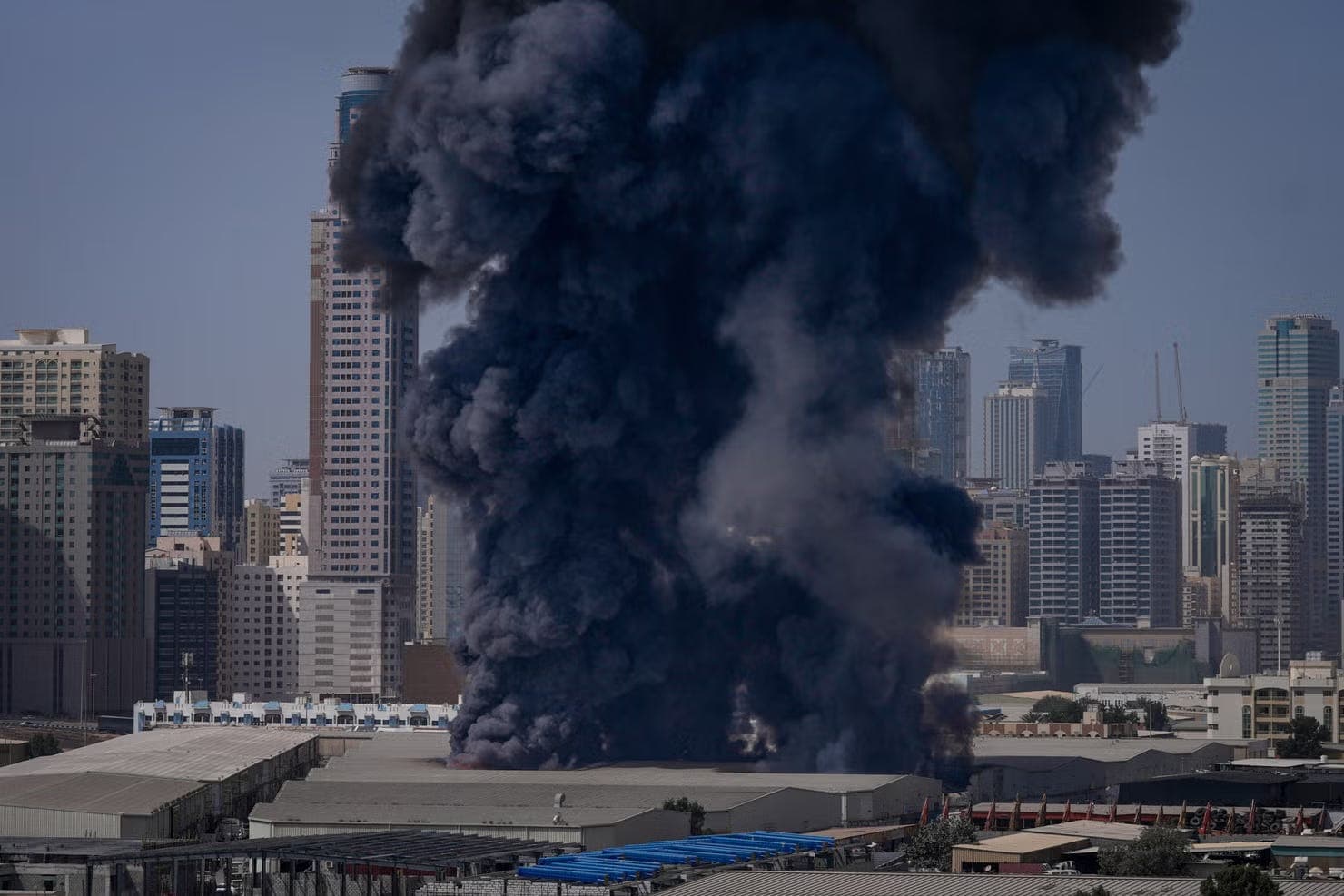
Adding to the regional fragility, **attacks on Fujairah**, a critical logistics hub in the UAE, temporarily disrupted oil loadings. However, **Fujairah has now resumed operations**, signaling some resilience in regional infrastructure but underscoring the persistent risks.
### Iran’s Leverage and Supply Outlook
Recent analyses emphasize Iran’s **strategic leverage** in the global energy market. A report titled *"Analysis—Iran holds the key to reopening global energy markets"* highlights that **Iran’s ability to restore export flows** could be pivotal in **alleviating supply shortages and stabilizing prices**.
Iran’s **potential to reopen export routes** or **negotiate sanctions relaxations** remains a critical factor that could **reshape future supply dynamics**. The ongoing conflicts, combined with diplomatic efforts, will likely influence Iran’s export trajectory in the coming months.
## Broader Regional Context and Infrastructure Constraints
The Middle East’s energy infrastructure remains highly vulnerable. **Kuwait**, for example, has begun limiting oil production after running out of storage capacity due to the bottleneck effect caused by the conflict. This situation exemplifies the **operational constraints** faced by OPEC members, which further complicate efforts to stabilize supply.
The attack on Fujairah, though temporarily disrupting operations, demonstrated the ongoing risks to regional logistics hubs. The port’s **resumption of oil loadings** indicates resilience but also highlights the **fragility of critical infrastructure** that supports global oil flows.
## Demand and Supply Outlook: Updated Forecasts and Challenges
Organizations such as the **International Energy Agency (IEA)** and the **International Energy Forum (IEF)** are actively reassessing the supply-demand landscape. OPEC has **updated its global oil demand forecast for 2024** to approximately **107.87 million barrels per day**, reflecting cautious optimism but also acknowledging ongoing geopolitical and economic uncertainties.
Looking ahead to **2026–2027**, the outlook remains **cautiously optimistic**, with forecasts emphasizing the need for stability and infrastructural recovery to sustain growth. However, **risks remain high**—regional conflicts, infrastructure damage, and diplomatic impasses could all influence these projections.
## Strategic Implications: Iran’s Role and Long-term Stability
Iran’s **ability to restore its export capacity** is widely viewed as a **key factor** in easing supply pressures. A more open Iranian market could **significantly temper price volatility**, but this depends on **diplomatic breakthroughs** or **further sanctions negotiations**.
The recent military strikes underscore the **fragility of current infrastructure**, which requires **restoration and protection** to ensure steady supply flows. **De-escalation of regional conflicts** and **diplomatic progress** are essential for **long-term market stability**.
## Current Market Status and Future Risks
- The **US strikes on Kharg Island** intensify concerns over Iran’s export infrastructure, with potential for further disruptions.
- The **resumption of operations at Fujairah** offers some relief but does not eliminate regional risks.
- **Iran’s strategic leverage** means that its actions—whether through diplomacy or conflict—will significantly influence supply dynamics.
**Market participants should remain vigilant**, as geopolitical tensions continue to drive significant volatility. **Supply disruptions, infrastructure resilience, and inventory trends** will be critical indicators in assessing future market directions.
## Conclusion
The recent modest increase in oil production by OPEC+ reflects a **short-term tactical response** to an **unstable geopolitical landscape**. Meanwhile, recent US strikes on Iran’s key export hub and ongoing regional conflicts highlight the **delicate state of global oil supply chains**.
While the incremental output boost may **stabilize prices temporarily**, **long-term stability** depends on **de-escalation efforts**, **restoration of critical infrastructure**, and **diplomatic advances with Iran**. As the geopolitical environment remains volatile, **market volatility is likely to persist**, requiring **ongoing monitoring and international coordination**.
**In essence, the future of global energy markets hinges on geopolitical developments, infrastructure resilience, and diplomatic progress, with risks and opportunities intertwined in this complex landscape.**