The live-service gaming landscape continues to evolve dynamically through early 2026, characterized by a complex fusion of hardware innovation, cloud expansion, subscription service growth, and vibrant community engagement. Recent updates build on prior trends while introducing fresh developments—particularly around Microsoft’s Project Helix delay, expanded cloud and subscription offerings, sustained content momentum, and ongoing hardware optimization challenges. Meanwhile, esports narratives and mobile live-ops event cadences further enrich the ecosystem’s depth and player investment.
---
### Project Helix: Launch Delay to 2028 but AI, Modular Design, and Cloud Integration March On
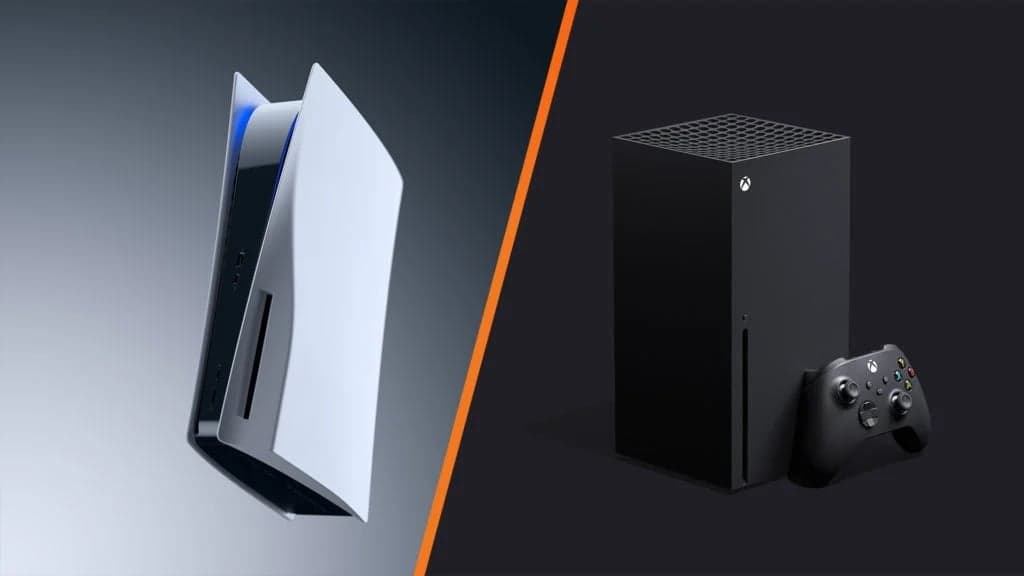
Microsoft’s ambitious **Project Helix** hardware platform, designed to revolutionize live-service gaming through a hybrid modular design and robust AI integration, has officially shifted its target launch to **2028**, a year later than previously expected. This delay, spotlighted in the viral *NOVO XBOX SÓ EM 2028 ⚠️* video, stems from extended development cycles aimed at maximizing the custom AMD SoC’s ray tracing capabilities—promising a **10x performance uplift** over current Xbox consoles—and refining the modular hardware’s seamless PC-console-cloud convergence.
Key ongoing Project Helix highlights include:
- **Gaming Copilot AI Assistant** enhancements that deepen in-game adaptive support, accessibility, and personalized content generation, aligning with Microsoft’s vision of AI-driven, player-tailored experiences.
- Continued development of the **modular hybrid design**, enabling flexible hardware configurations that blur traditional boundaries and support consistent progression across Xbox consoles, Windows PCs, and cloud platforms.
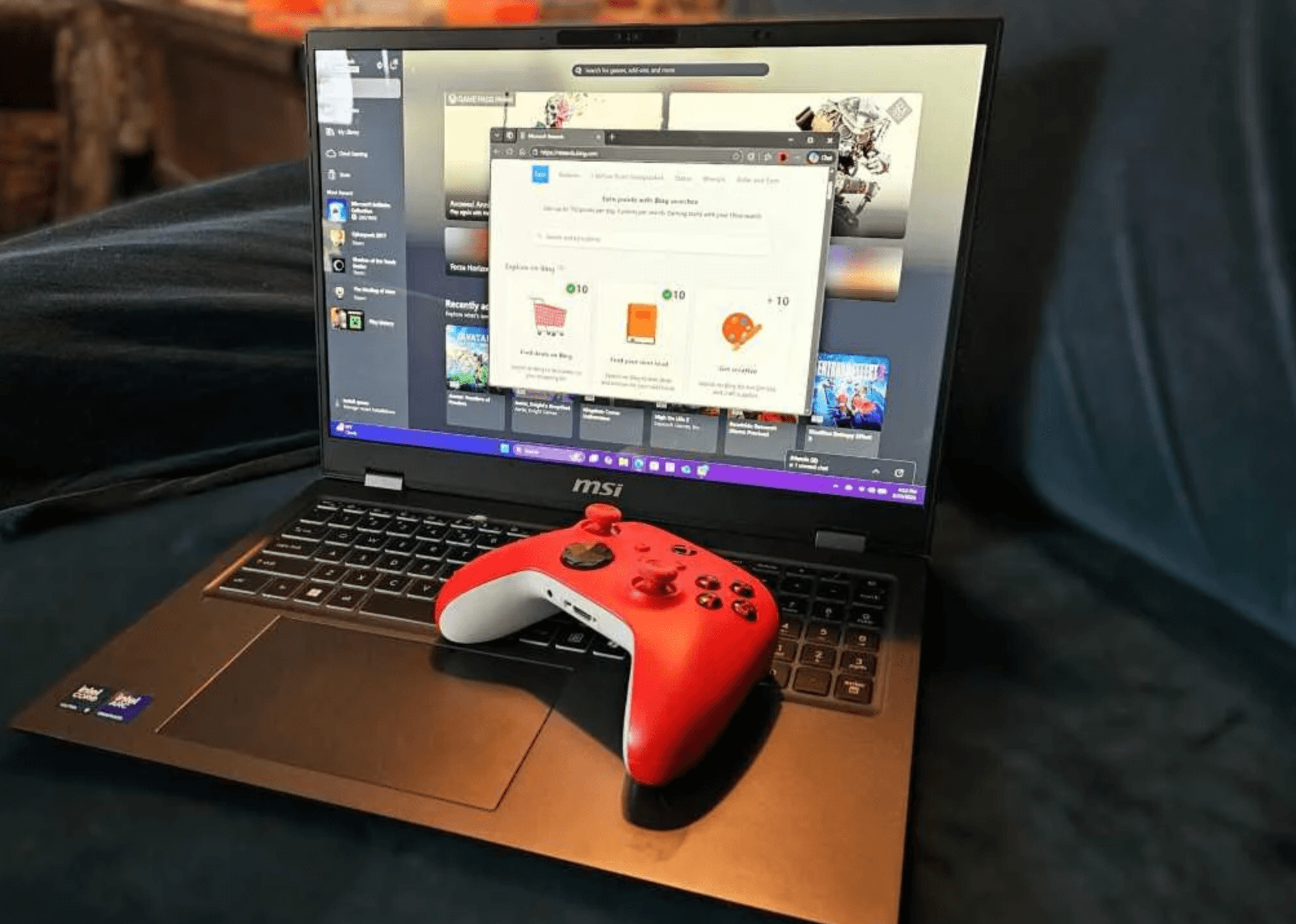
- Early adoption of **‘Xbox Mode’ on handheld devices** such as the Ayaneo series, as documented in *Expedition: Handheld ep. 3*. While functional, these implementations currently raise **security and performance concerns**, underscoring the need for tighter optimization and compatibility assurance before broad rollout.
This postponement does not impede Microsoft’s strategic momentum; instead, it opens a window to refine both hardware and software pillars supporting the next generation of live-service ecosystems.
---
### Cloud Gaming and Cross-Platform Continuity: Expanding Access and Synchronization
Xbox Cloud Gaming continues to broaden its footprint with **day-one access for major March 2026 releases**, extending live-service reach to smartphones, tablets, and lightweight PCs. This expansion is bolstered by key technical milestones:
- **Synchronized cloud saves and multiplayer sessions** facilitate seamless player transitions between streamed and local gameplay, reducing friction and enhancing engagement.
- Tight integration within the Xbox ecosystem supports multiple device entry points and variable network conditions while maintaining unified player progression and social connectivity.
Complementing Xbox’s cloud push, subscription services across platforms reinforce live-service accessibility:
- **PlayStation Plus Extra & Premium’s March update** added *N7*, a live-service title with evolving content, signaling Sony’s intensifying commitment to live-service formats.
- **Xbox Game Pass’s April 2026 additions** include nine new live-service games and two imminent releases, enriching content pipelines that bolster player retention.
- **Google Play Games on PC** extended free trial and cross-buy features, smoothing transitions between Android and Windows devices.
- **Apple Arcade**, with updates like *Dredge+*, sustains a curated live-service model that balances premium content with an ad-free experience.
These subscription and cloud advances collectively underscore a trend toward **low-friction, multi-device, cross-platform accessibility**, essential for growing and sustaining live-service player bases.
---
### Content Cadence and Community Creativity: Major Releases, Seasonal Updates, and Viral Meta
The first quarter of 2026 has been prolific for live-service content, driven by both developer-led releases and player-generated meta content:
- Microsoft’s **March 16–20 release window** unveiled over 30 titles, including the open-world RPG *Crimson*, reinforcing a commitment to immersive, evolving game worlds.
- *Killing Floor 3*’s **Operation: Deep Freeze update** introduced new dual-wielding mechanics and an arctic-themed map, diversifying gameplay and supporting long-term engagement.
- The *Helldivers 2* community’s **Entrenched Division Warbond campaign** generated viral meta content such as tier lists with hundreds of thousands of views, exemplifying player-driven content lifespan extension.
- *Call of Duty Black Ops 7 Zombies*’ **Paradox Junction map** became a viral hit, with walkthroughs and community discoveries deepening narrative immersion.
- *Dome Keeper* is actively testing a **new cooperative multiplayer mode** in response to player demand for shared sandbox experiences.
- Cross-franchise collaborations like **Among Us x Wreck-It Ralph** continue to sustain engagement through brand synergy.
In mobile live-service, the **Steal a Brainrot St. Patrick’s update**, launching March 14, 2026, features festive content including the **Pot of Gold base skin** and new event mechanics in *Escape Tsunami for Brainrots*. These limited-time events demonstrate ongoing sophistication in retention tactics through timed rewards, promo codes, and community guides.
---
### Persistent Device Challenges: Battery, Thermal, and Driver Optimization in Handheld and Hybrid Hardware
Despite technological strides, hardware optimization remains a significant challenge, especially in handheld and hybrid devices:
- Xbox-compatible handhelds such as the **N7 and N10 models** continue to face **battery life and thermal management issues**, limiting extended gameplay sessions and consistent performance.
- **Nvidia driver regressions** produce instability across multiple live-service titles, prompting ongoing developer-hardware partner collaboration for fixes.
- The introduction of **Intel’s latest hybrid CPUs** brings performance variability that requires targeted optimization strategies.
- Early “Xbox Mode” implementations on handhelds, while promising new use cases, expose **security vulnerabilities and compatibility risks** that must be addressed to protect player data and gameplay integrity.
- The rollout of **Gaming Copilot AI assistance** offers hardware-level support designed to mitigate some usability challenges and enhance accessibility.
Community calls for **clearer hardware compatibility guidance** and increased development of **VR and handheld peripherals** reflect demand for improved ecosystem transparency and innovation.
---
### Business Dynamics: Industry Consolidation, Ethical Lifecycle Management, and Studio Sustainability
Business trends continue to shape the live-service sector’s sustainability and ethical standing:
- Scopely’s recent **$1 billion acquisition of Loom Games** demonstrates sustained investor confidence in mobile live-service monetization and live ops capabilities.
- Mobile titles like *Brainrot Card Battles* integrate advanced retention tools, evidenced by the Steal a Brainrot St. Patrick’s event cadence and associated guides, illustrating sophisticated event-driven player engagement.
- Ethical lifecycle management is receiving growing industry attention; **EA leads in 2026** with transparent sunsetting policies emphasizing player data preservation and clear communication.
- The collapse of Highguard Studio, exposed in a high-profile exposé, highlights risks linked to opaque management and operational failures within live-service environments.
- Despite successes with titles like *Battlefield 6*, EA’s workforce reductions underscore ongoing tension between ambitious live-service goals and sustainable studio operations.
- Initiatives such as **GameFly’s preowned sales program** promote circular economy principles, responding to player demands for affordability and environmental responsibility.
Collectively, these developments underscore that **transparent, ethical, and sustainable business practices are crucial** to maintaining player trust and long-term viability in live-service gaming.
---
### Esports: Valorant Masters and Call of Duty League Drive Competitive Engagement
Competitive esports remain a vital component of live-service ecosystems, generating excitement and community cohesion:
- The **Call of Duty League (CDL)** sees OpTic Texas extend an **eight-series winning streak**, while Miami’s Heretics surge toward playoffs, adding postseason drama.
- The **Valorant Champions Tour (VCT) Masters Santiago 2026** knockout stage delivered intense matches, notably:
- NRG’s hard-fought victory over BBL Esports
- Paper Rex’s upset of top seed All Gamers
- A thrilling elimination clash between G2 Esports and BBL Esports
The NRG vs Paper Rex Lower Bracket Finals, held on March 14, 2026, attracted millions of viewers and tens of thousands of live interactions, exemplifying esports’ global reach and their role in sustaining live-service player engagement.
---
### Outlook: Navigating Innovation, Stability, and Trust Toward Enduring Live-Service Ecosystems
As 2026 unfolds, the live-service gaming sector faces a delicate balancing act:
- **Project Helix’s delayed hardware launch to 2028** provides Microsoft with a valuable window to refine AI capabilities, modular hybrid design, and cloud integration—ensuring a stronger foundation for next-gen experiences.
- Cloud gaming and subscription platforms continue to **broaden access, reduce friction, and unify cross-device progression**, critical for growing diverse player bases.
- Robust content pipelines and community creativity fuel sustained engagement, while esports add competitive narratives that deepen cultural resonance.
- Persistent hardware challenges, particularly in handheld and hybrid devices, underscore the need for **rigorous optimization, security measures, and clearer compatibility standards**.
- Business dynamics increasingly emphasize **ethical lifecycle management, transparent communication, and sustainable studio operations**, crucial for fostering player trust and long-term ecosystem health.
Success in this evolving landscape will depend on the industry’s ability to **harmonize rapid technological innovation with operational robustness, player-centric transparency, and ethical stewardship**—ensuring live-service titles remain dynamic, resilient, and engaging amid growing complexity and player expectations.