September 23, 2026
Menopause Oestrogen Drop Raises Cholesterol Risks
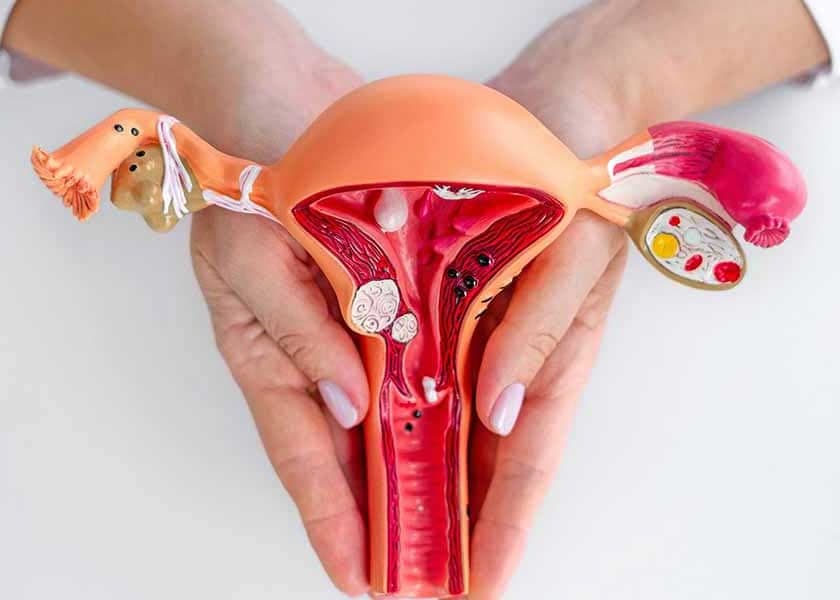
Oestrogen decline in perimenopause and menopause can raise LDL cholesterol, reduce HDL protection, and increase triglycerides.
- Heart disease risk...

Created by Soray
Peer‑reviewed research, guidelines, and policy on obesity, diabetes, cholesterol, PCOS, metabolic health, and wellness
Explore the latest content tracked by Metabolic Health Digest
Oestrogen decline in perimenopause and menopause can raise LDL cholesterol, reduce HDL protection, and increase triglycerides.
Post hoc analysis shows HDL cholesterol levels predict major cardiovascular events in statin-treated patients. This relationship holds even when LDL reaches very low levels, though it does not automatically make HDL a treatment target.
Clinical guidelines stress obesity as chronic, requiring maintenance plans to avoid weight regain after stopping GLP-1 drugs.
Real-world Dutch data...
Obesity reflects diet-driven functional gut microbiota disruption more than specific taxa or excess calories alone, impairing SCFA production, bile...
A man with obesity, type 2 diabetes, and acne may carry higher metabolic risk if his sister has PCOS, prompting clinicians to view these as possible...
Real-world data from newly diagnosed type 2 diabetes patients reveals mixed outcomes with early insulin plus metformin versus metformin alone.
-...
Once-weekly insulin is called a huge deal for patients with diabetes, as it could improve treatment convenience and adherence by cutting daily...
A new multidisciplinary cross-sectional survey explores physicians' perceptions and referral patterns for bariatric surgery among overweight and obese...
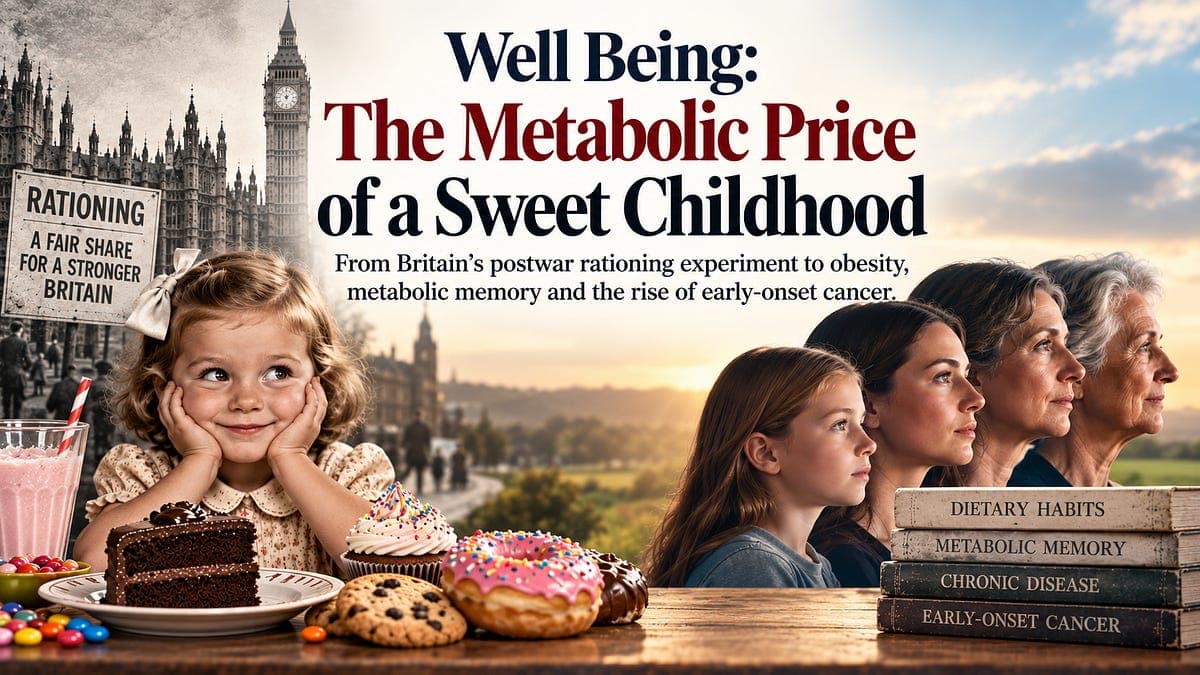
UK sugar rationing ended in 1953, creating a natural experiment separating genetically similar groups by early-life sugar access.
Menopause transition alters lipid profiles, raising cardiovascular risk, yet hormone therapy is not indicated for dyslipidemia. Statins remain first-line pharmacologic therapy once lifestyle interventions prove insufficient.
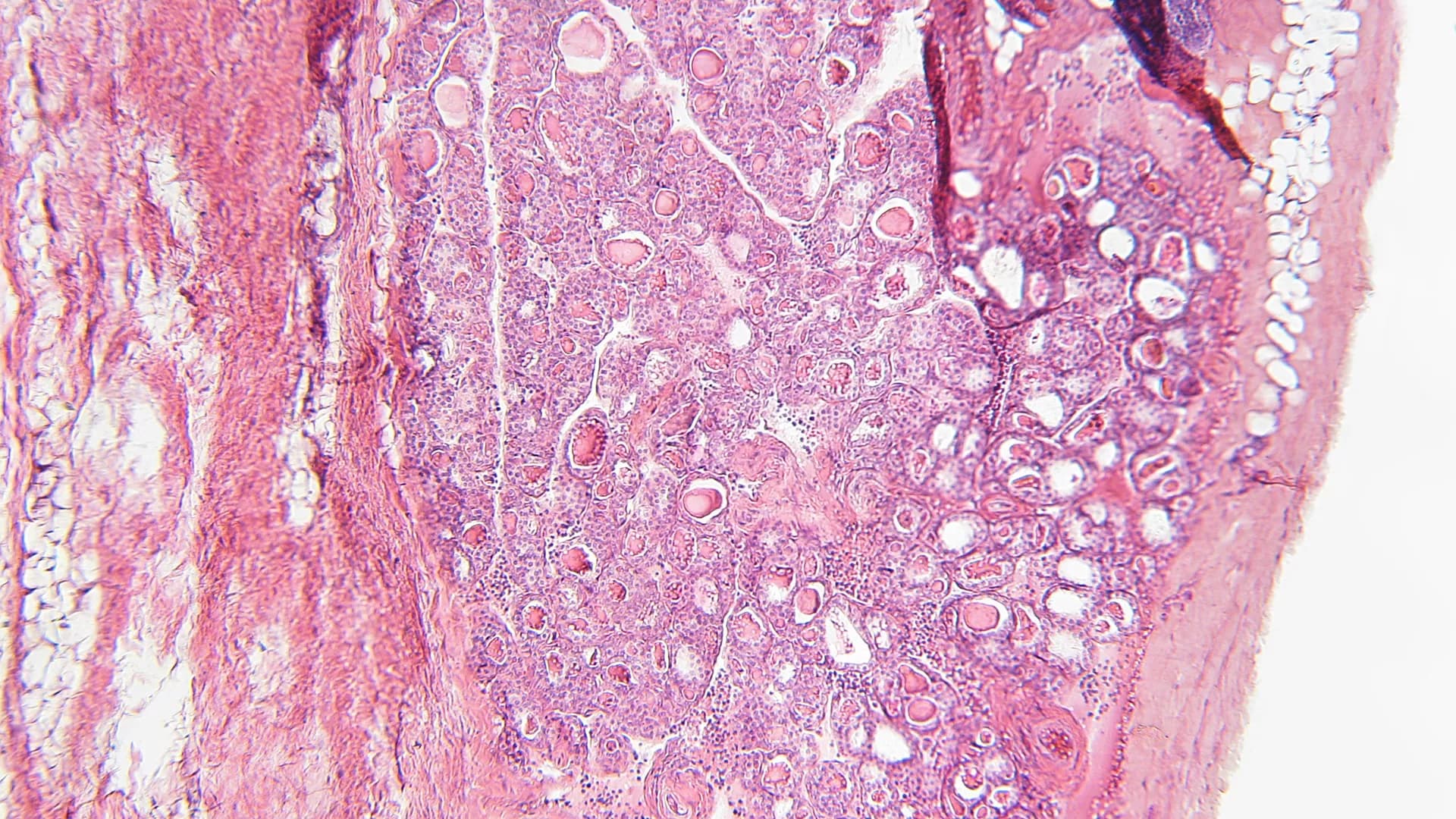
Mouse studies reveal ovaries don't simply shut down after reproduction. Instead they undergo ongoing molecular shifts, losing reproductive identity...
Hypothyroidism raises total and LDL cholesterol through slowed lipid metabolism, with stronger effects in overt disease than subclinical...
People with overweight or obesity rank weight-loss efficacy, CV risk reduction, and oral dosing as top factors when selecting obesity medications....
Supplements offer limited help for blood sugar but cannot replace core habits.
36mg剂量比12mg额外减重2.62%体重、2.31kg,并改善腰围、HbA1c及收缩压。
安全性方面,两剂量治疗 emergent不良事件、停药率及胃肠道反应无显著差异。
分析支持滴定至36mg维持剂量以最大化获益,且未见临床担忧的不良事件增加。
Blood sugar management involves more than food choices—circadian rhythms influence insulin sensitivity, glucose tolerance, and hormone patterns...
FDA批准Kerendia(非奈利酮)用于1型糖尿病相关慢性肾病成人患者,FINE-ONE研究显示6个月内尿蛋白较安慰剂多降低25%,有助于减缓肾损伤。每日一次口服,需监测血钾并注意药物相互作用。
Sandy Struss's first CGM sensor revealed a hidden post-lunch spike after her sandwich and soup, triggering rage bolusing and a crash that left her...
Intermittent fasting may aid weight and blood sugar control in type 2 diabetes but poses serious risks for some.