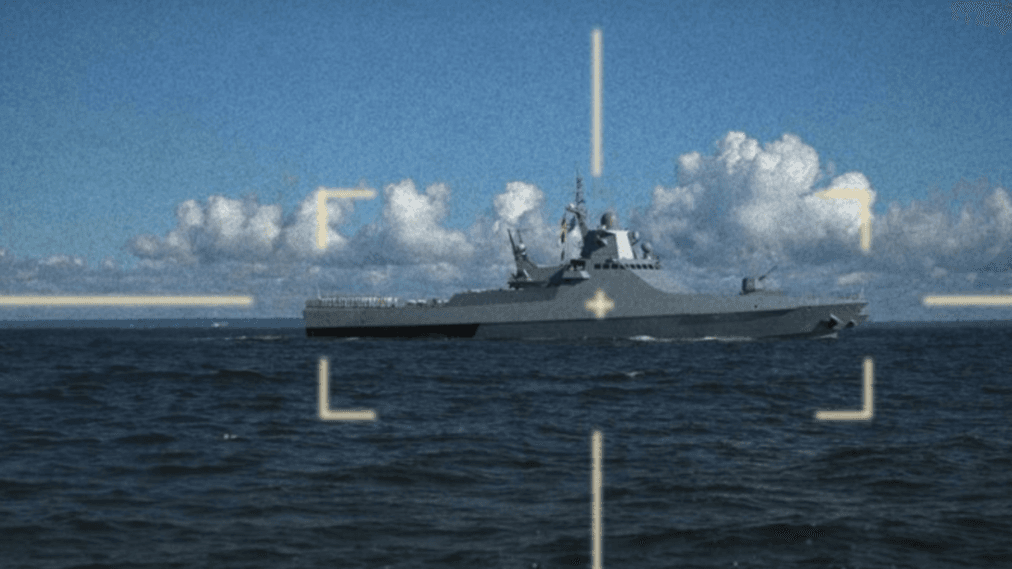
# Sanctions Tighten Grip on Illicit Oil Shipments, Elevating Maritime Tensions and Market Disruptions
The global effort to enforce sanctions on Iran, Russia, and Venezuela’s oil exports has reached a critical juncture, marked by intensified maritime enforcement, evolving clandestine tactics, and increasingly volatile regional dynamics. As Western nations deploy advanced legal, military, and intelligence tools to disrupt covert shadow fleet operations, regional actors like Iran and Saudi Arabia are adapting their strategies, heightening the risk of escalation along vital energy corridors.
## Escalation of Western Enforcement and Legal Measures
Over recent months, a concerted international crackdown has targeted the shadow fleet—an underground network of vessels engaged in illicitly transporting sanctioned crude oil. Operations by the United States, United Kingdom, New Zealand, and allies have resulted in high-profile interdictions, including the seizure of vessels such as **Skipper** and **VLCC Bertha**, which were caught attempting to clandestinely move illicit cargo under false pretenses. These interdictions serve as strong signals of a more aggressive enforcement stance, aiming to impair the operational capacity of illicit traders.
In tandem, authorities have broadened their legal arsenal. New sanctions targeting vessel owners, trading firms, and financial networks suspected of facilitating illicit oil shipments have been imposed. These measures aim to cut off financial lifelines, increase shipping risks, and deter potential facilitators from engaging in or supporting shadow operations. The combination of legal pressure and interdiction efforts is making clandestine shipments increasingly risky and expensive.
## Evasive Tactics and Geographic Expansion of Illicit Operations
Despite these intensified efforts, illicit operators are deploying increasingly sophisticated tactics to evade detection:
- **Ship Identity Fraud:** Many vessels now falsify or manipulate AIS transponder signals, obscuring their true identities and origins.
- **Deceptive Routing:** Ships reroute around known patrol zones, utilize complex transshipment hubs, and loiter near strategic chokepoints such as the Strait of Hormuz, the Indian Ocean, and the Strait of Malacca.
- **Covert Transshipment:** Operations often involve covert cargo transfers at sea or within congested ports like Bab el-Mandeb and the Strait of Malacca, effectively acting as floating warehouses to mask the cargo’s origin.
Recent intelligence confirms an alarming proliferation of these tactics, complicating interdiction efforts and posing serious threats to global shipping security. Ships are observed loitering at strategic choke points, employing “floating warehouses,” or conducting covert cargo transfers to evade detection and interdiction. These maneuvers threaten to destabilize energy flows and complicate international efforts to uphold sanctions.
## Regional Power Dynamics: Iran and Saudi Arabia
The regional landscape remains highly tense. Iran has been actively testing the limits of control over the Strait of Hormuz through military and paramilitary maneuvers. Iranian naval forces have conducted provocative operations, deploying fast-attack craft and conducting maneuvers near critical shipping lanes to assert influence and defend its exports amid mounting sanctions pressure. These activities are part of a broader strategy to maintain influence over vital energy routes and to signal resilience against external pressures.
Meanwhile, Saudi Arabia is adjusting its export strategies, announcing plans to increase its oil exports to counterbalance Iran’s assertive tactics and demonstrate regional resilience. Despite ongoing conflicts and diplomatic tensions, both countries are recalibrating their approaches, which could either stabilize or further destabilize the regional security landscape.
## Rising Risks: Maritime Security, Insurance, and Market Impact
Recent developments have significantly impacted maritime insurance and commercial shipping. The Gulf conflict risks and Iranian provocations have led carriers to issue cancellation notices and have placed insurance providers under stress. Shipping companies are increasingly wary of operating through high-risk zones, leading to potential delays and disruptions.
**Key points include:**
- **Carriers Issuing Cancellations:** Major shipping lines are canceling or rerouting voyages to avoid areas of heightened conflict, adding costs and logistical challenges.
- **Insurance Stress:** Insurers face mounting claims and increased premiums due to perceived risks in the Gulf and surrounding regions, which could lead to higher shipping costs globally.
- **Market Implications:** The combination of sanctions enforcement, regional tensions, and insurance uncertainties has caused oil prices to rise due to perceived supply risks. Market analysts note that "strikes on Iran lift geopolitical risk in oil markets," though immediate supply disruptions remain limited so far.
### Potential for Strait Closures and Disruption
Experts warn of a non-negligible risk that Iran might attempt to close or heavily contest the Strait of Hormuz—a critical chokepoint through which approximately 20% of global oil supplies pass. Such a move could trigger catastrophic disruptions in global energy markets, with potentially long-lasting repercussions. Recent analyses, including reports titled *"Experts Assess Threat of Strait of Hormuz Closure and Iran’s Shipping Disruption Tactics,"* underscore Iran’s capabilities and strategic intentions to disrupt shipping flows if deemed necessary.
## Military Posture and International Response
In response to escalating threats, the United States has significantly increased its naval presence in the Persian Gulf and Indian Ocean, deploying additional ships and patrol assets to deter provocations, support interdictions, and reassure regional allies. The U.S. also continues to leverage expanded legal tools—such as sanctions and maritime enforcement authorities—to target vessels, financial networks, and trading entities facilitating illicit trade.
International cooperation remains vital. Enhanced surveillance, intelligence sharing, and legal enforcement are essential to counter the evolving tactics of illicit operators and regional actors. The ongoing cat-and-mouse game underscores the importance of vigilance, rapid response capabilities, and diplomatic efforts to prevent escalation.
## Current Status and Future Outlook
The maritime security landscape is characterized by persistent tension, with enforcement agencies intensifying interdiction efforts while illicit operators adapt with increasingly covert tactics. The ongoing regional power struggles, coupled with the threat of military escalation or strategic blockade, pose significant risks to global energy markets.
**Recent developments include:**
- The publication of *"48 Hours Into the Iran War: The Maritime Impact,"* analyzing Iran’s military actions and their immediate effects on regional shipping lanes.
- Growing concerns over potential Iran attempts to close the Strait of Hormuz, which could cause immediate and long-term disruptions to global oil supplies.
- The mounting stress on maritime insurance markets, prompting carriers to reevaluate routes and coverage amid escalating Gulf conflict risks.
**Looking ahead**, sustained international enforcement, enhanced surveillance, and diplomatic engagement are crucial. As actors refine their tactics and regional tensions persist, the international community must remain vigilant to prevent further escalation and protect critical maritime corridors vital for global energy security.
---
*The situation remains fluid, with potential for further escalation or breakthrough solutions. Stakeholders should closely monitor developments in tactics, regional diplomacy, and geopolitical signals to effectively mitigate risks and secure maritime and energy stability.*