South Korea’s strategic trajectory toward deeper ROK–US operational integration, cautiously expanding trilateral cooperation with Japan, and accelerated undersea and defense-industrial modernization continues to advance amid evolving technological, diplomatic, and security dynamics. Recent developments throughout 2026 and early 2027 underscore a multifaceted and complex security calculus shaped by North Korean provocations, great-power rivalry, and alliance management challenges. As Seoul pushes forward with cutting-edge joint military exercises, transformative command-and-control upgrades, trilateral technology collaboration, and ambitious indigenous defense programs, the interplay of operational, industrial, and diplomatic factors demands nuanced balancing to sustain deterrence and alliance cohesion in Northeast Asia.
---
### Advancing ROK–US Operational Integration and Calibrated Trilateral Expansion
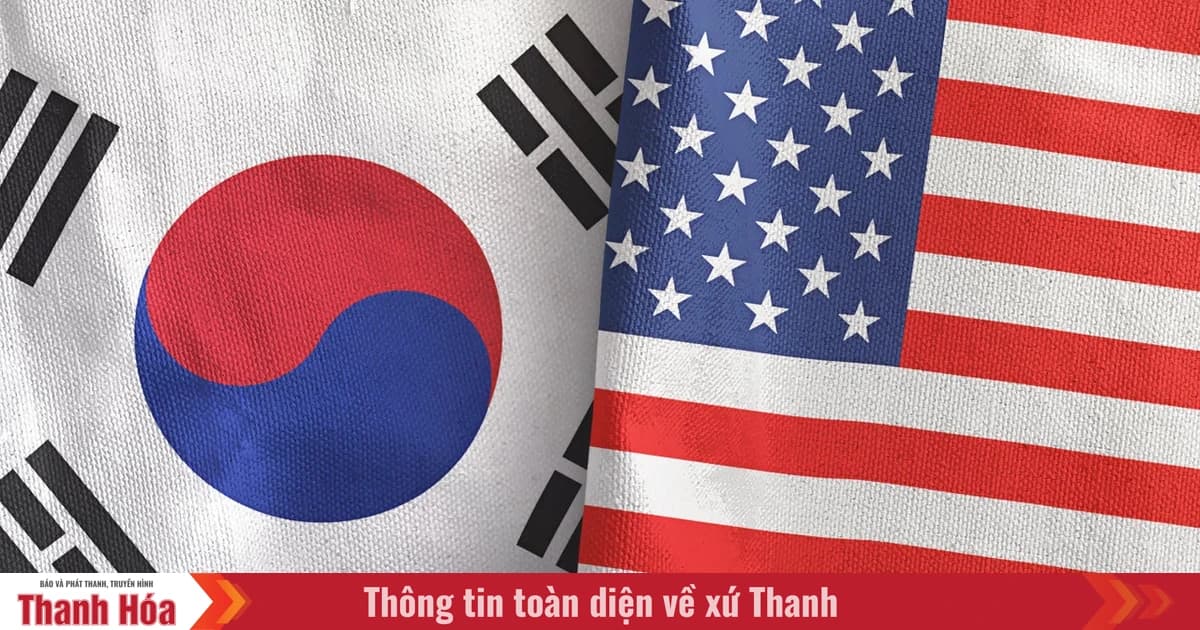
The cornerstone of alliance strengthening remains the deepening ROK–US military operational integration, marked by increasingly sophisticated joint exercises and command enhancements, with Japan’s involvement expanding carefully amid sensitive historical and political contexts.
- **Freedom Shield 2026**, scheduled from late 2026 through March 2027, is on track to become the largest-ever allied military exercise focused on multi-domain deterrence against North Korea’s rapidly advancing missile threats. This exercise will showcase next-generation command-and-control (C2) systems designed to operate resiliently under intense electromagnetic and cyber warfare conditions. Integrated layered missile defense capabilities will be rigorously tested, reflecting urgent strategic priorities in countering North Korea’s expanding ballistic and hypersonic missile arsenal.
- The **March 9, 2027 ROK–US spring drills** will incorporate advanced air combat, electronic warfare, and missile defense scenarios. Notably, Japan’s participation has been expanded in a **limited missile defense capacity within the “Buddy Squadron” air combat drills at Osan Air Base**. This represents a carefully calibrated step toward trilateral operational cooperation, balancing alliance unity with persistent domestic nationalist opposition in South Korea and unresolved territorial disputes such as Takeshima/Dokdo. Seoul’s cautious approach underscores the delicate alliance management required to maintain trilateral momentum without provoking backlash.
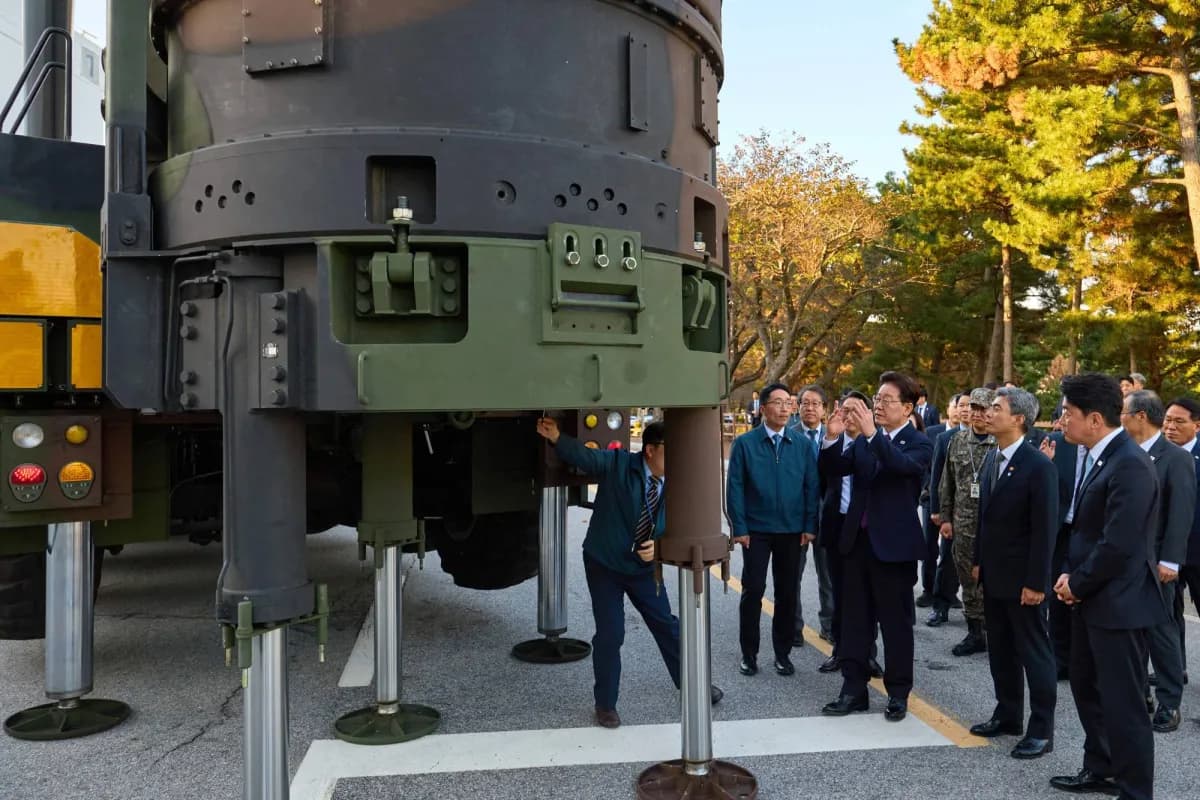
- The nearly completed **$27 million C2 upgrade at Camp Humphreys**, recently inspected by Foreign Minister Cho Hyun, enhances secure broadband voice and video communications vital for real-time coordination during complex joint operations. This infrastructure upgrade lays the foundation for more agile and integrated combined command capabilities, a critical enabler for multi-domain joint warfare.
- The **fully operational trilateral missile defense network**, linking South Korea, the U.S., and Japan, now supports seamless real-time data sharing and coordinated interception against a broad spectrum of missile threats—including hypersonic glide vehicles and submarine-launched ballistic missiles (SLBMs). Newly institutionalized joint protocols for cyber and electronic warfare (EW) cooperation bolster alliance resilience against increasingly sophisticated North Korean asymmetric threats.
Despite these operational strides, the alliance continues to grapple with persistent challenges:
- Japan remains partially excluded from some air combat exercise components due to unresolved nationalist tensions. The diplomatic fallout from Japan’s 2027 observance of “Takeshima Day” sparked strong protests from Seoul and fueled domestic opposition to closer trilateral military ties, illustrating the fragility of expanding Japan’s military role.
- South Korea deliberately restrains the scale and timing of joint exercises as a strategic calculation to avoid provoking Pyongyang or escalating tensions with China. This stands in contrast to calls from U.S. defense analysts and think tanks such as the Asan Institute and CSIS, which advocate for more robust and sustained drills to maintain deterrence credibility.
- Alliance crisis management was tested during a tense February 2027 **Yellow Sea aerial standoff involving U.S. and Chinese fighter jets**, which exposed coordination challenges between U.S. Forces Korea and South Korean officials amid conflicting accounts.
- Domestic debates persist over South Korea’s nuclear deterrence posture, drone warfare capabilities, and troop morale, reflecting ongoing questions about alliance sustainability and evolving defense priorities amid growing security threats.
---
### Expanded Trilateral Technology Cooperation and Training Initiatives
Beyond traditional military exercises, trilateral cooperation between South Korea, the U.S., and Japan has broadened in scope to include emerging technologies and energy domains, signaling a deepening and more diversified alliance framework.
- A February 2026 report by the Foundation for Defense Democracies (FDD) highlighted joint trilateral efforts in **artificial intelligence (AI) and nuclear energy cooperation**. These initiatives aim to enhance interoperability and foster industrial and research synergies amid accelerating technological competition in the Indo-Pacific.
- Trilateral military units have also conducted **N1 training exercises**, focusing on improving interoperability in command, control, communications, computers, intelligence, surveillance, and reconnaissance (C4ISR) systems. This emphasis on cutting-edge C4ISR integration further cements the technological and operational ties among the three allies.
---
### Accelerated Undersea Warfare Modernization and Defense-Industrial Expansion
South Korea’s ambitions to become a regional undersea warfare powerhouse are advancing rapidly, supported by landmark technological developments, expanded industrial capabilities, and growing export ambitions.
- South Korea remains on track to deploy its first **nuclear-powered attack submarines (SSNs) within the next decade**, supported by ongoing U.S. cooperation on nuclear propulsion technology transfer and breakthroughs in South Korea’s civilian small modular reactor (SMR) development. Prototype nuclear propulsion system testing continues through 2026 and early 2027 despite technical, environmental, and regulatory hurdles. Notably, new reporting confirms that South Korea is actively preparing for nuclear-powered submarines, underscoring the seriousness of this strategic pivot.
- The **diesel-electric submarine fleet modernization** incorporates advanced acoustic stealth coatings, next-generation sonar suites, and integrated combat management systems designed for seamless interoperability with U.S. and Japanese anti-submarine warfare (ASW) assets.
- South Korea’s expanding **maritime maintenance, repair, and overhaul (MRO) infrastructure** is emerging as a critical regional sustainment hub, capable of servicing allied submarine fleets throughout the Indo-Pacific. This industrial expansion anchors the U.S.-led undersea warfare architecture while enhancing South Korea’s strategic autonomy.
- A landmark development is **HJ Shipbuilding’s high-profile bid for Canada’s $30 billion next-generation submarine program**, backed by a recently signed **classified 2027 Canada–South Korea intelligence-sharing pact**. This pact enhances bilateral defense cooperation and interoperability standards. Success in this bid would represent a major export breakthrough for South Korea’s defense industry and further integrate it into Western defense supply chains.
- The trilateral **Export Control Task Force has intensified oversight on sensitive dual-use technologies**, reflecting the tensions between alliance security concerns and South Korea’s ambitions for defense technological sovereignty. This dynamic adds complexity to industrial cooperation within the trilateral framework.
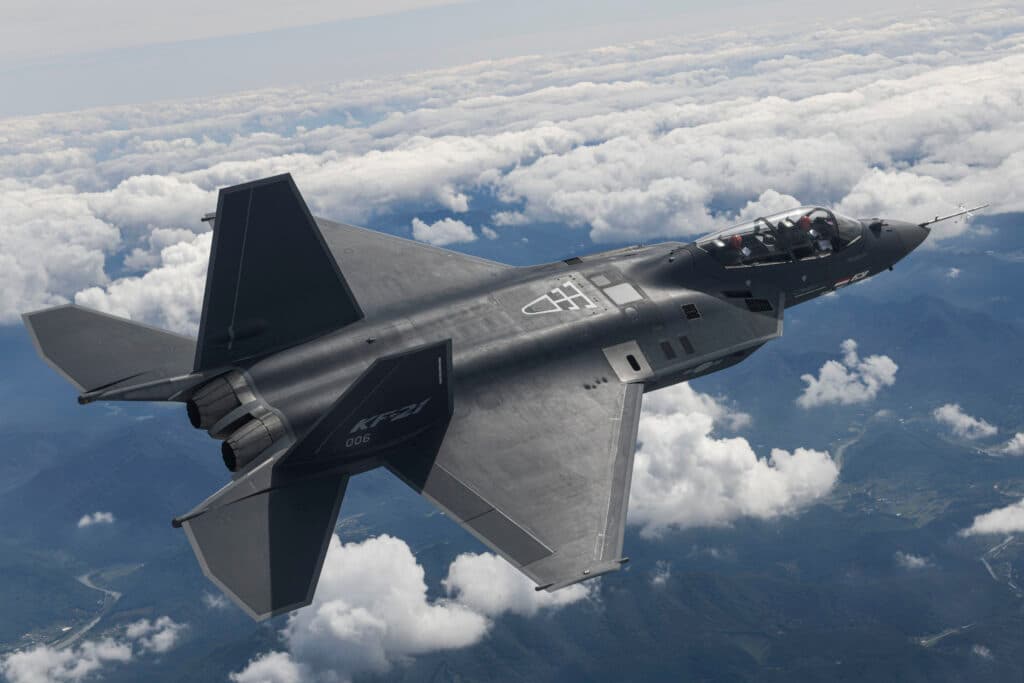
- South Korea’s defense industrial base is further energized by innovations such as Hyundai Rotem’s **air-launched hypersonic anti-ship missile**, unveiled in 2026, which significantly enhances maritime strike capabilities aligned with allied operational doctrines. The ongoing **KF-21 Boramae fighter jet program** continues progressing and remains a key pillar of defense-industrial diplomacy and interoperability with U.S. and allied air forces.
---
### Diplomatic Signaling, North Korean Coercion, and Regional Flashpoints
The diplomatic and security environment has grown more intricate amid evolving signals from Pyongyang and persistent regional flashpoints, complicating alliance calculus and deterrence strategies.
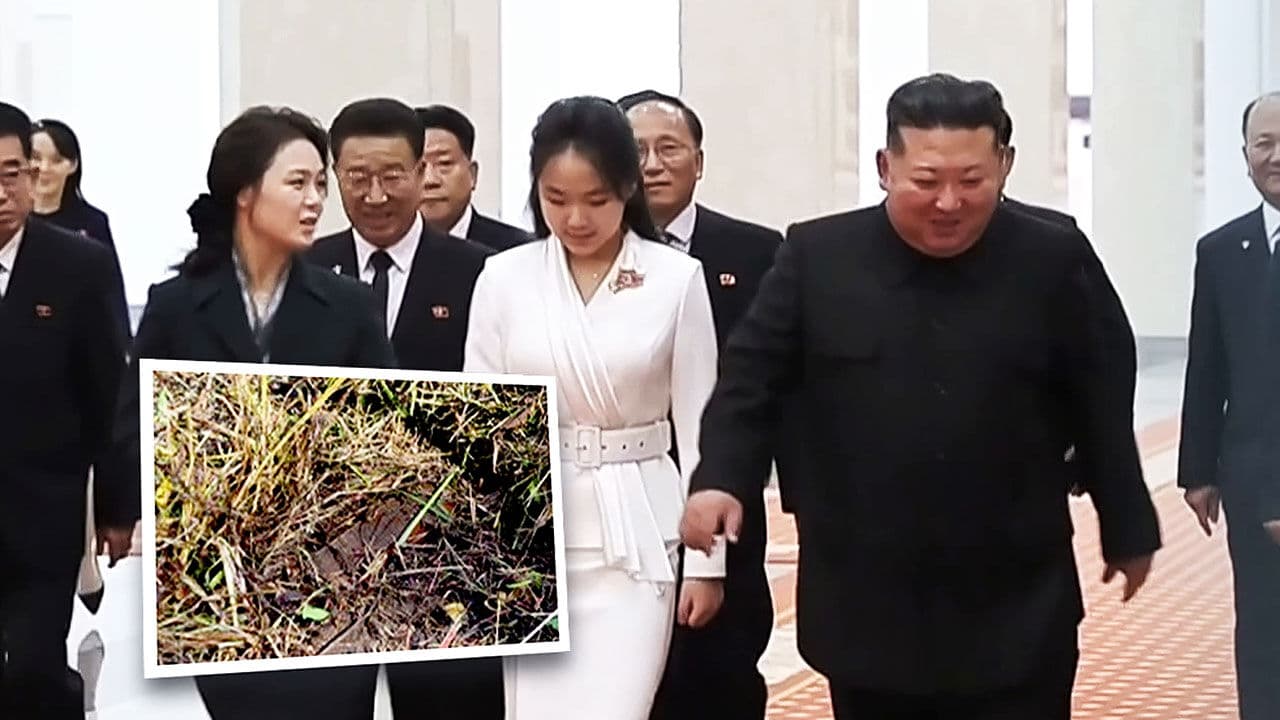
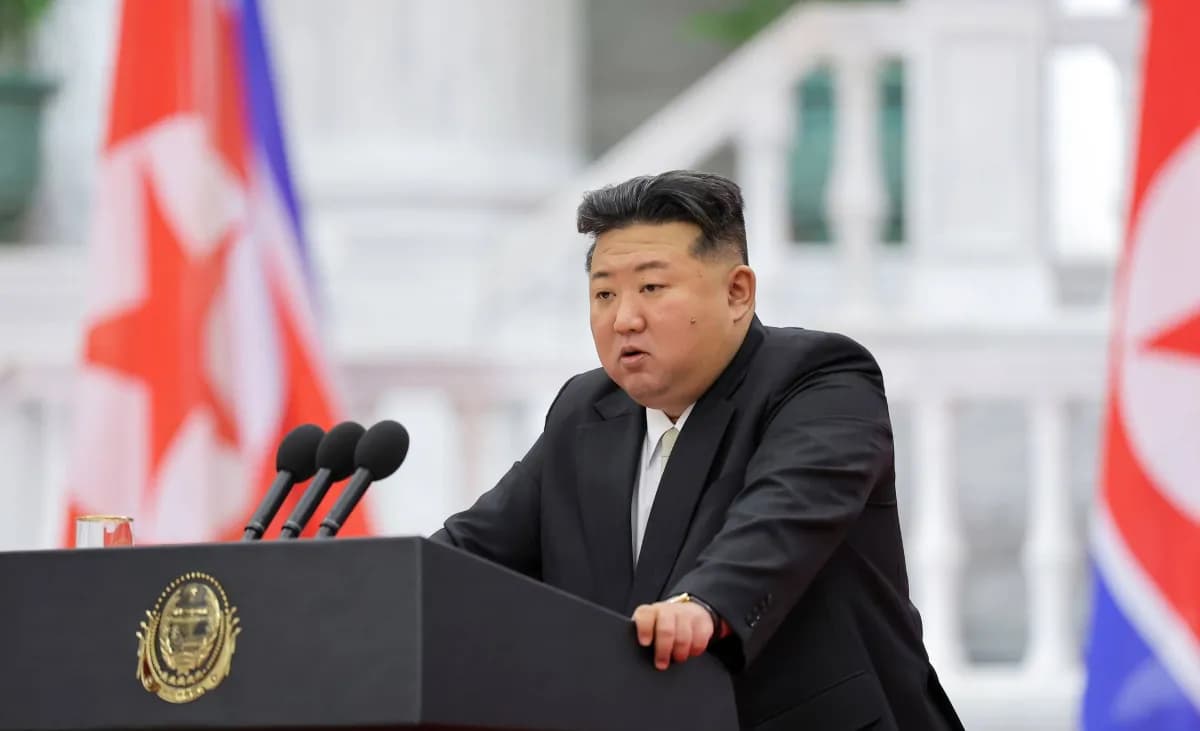
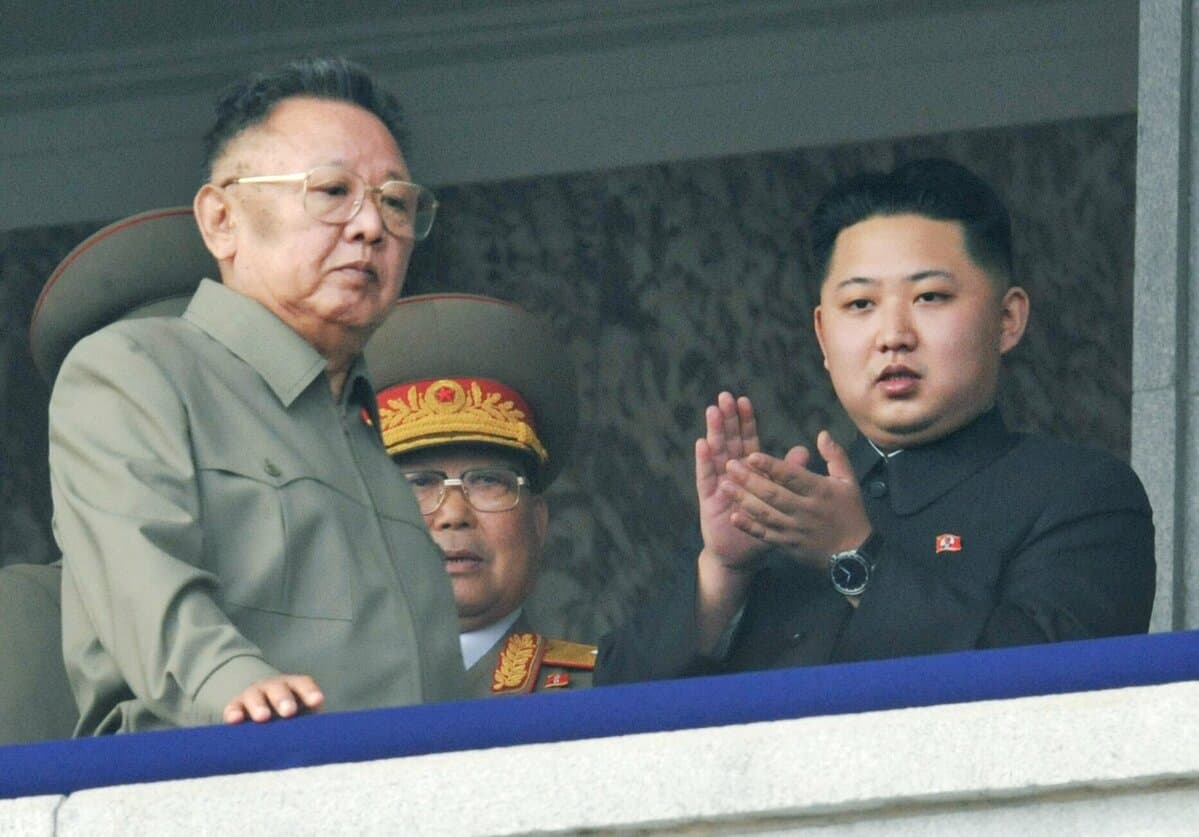
- South Korea’s envoy affirmed that the **U.S. remains open to unconditional dialogue with North Korea**, reflecting a potential shift to reduce tensions. However, Kim Jong Un reiterated that North Korea “could get along well” with the U.S. only if its nuclear status is formally recognized, while firmly rejecting rapprochement with Seoul. This stance complicates South Korea’s alliance diplomacy and deterrence posture, forcing Seoul to balance engagement efforts against alliance readiness imperatives.
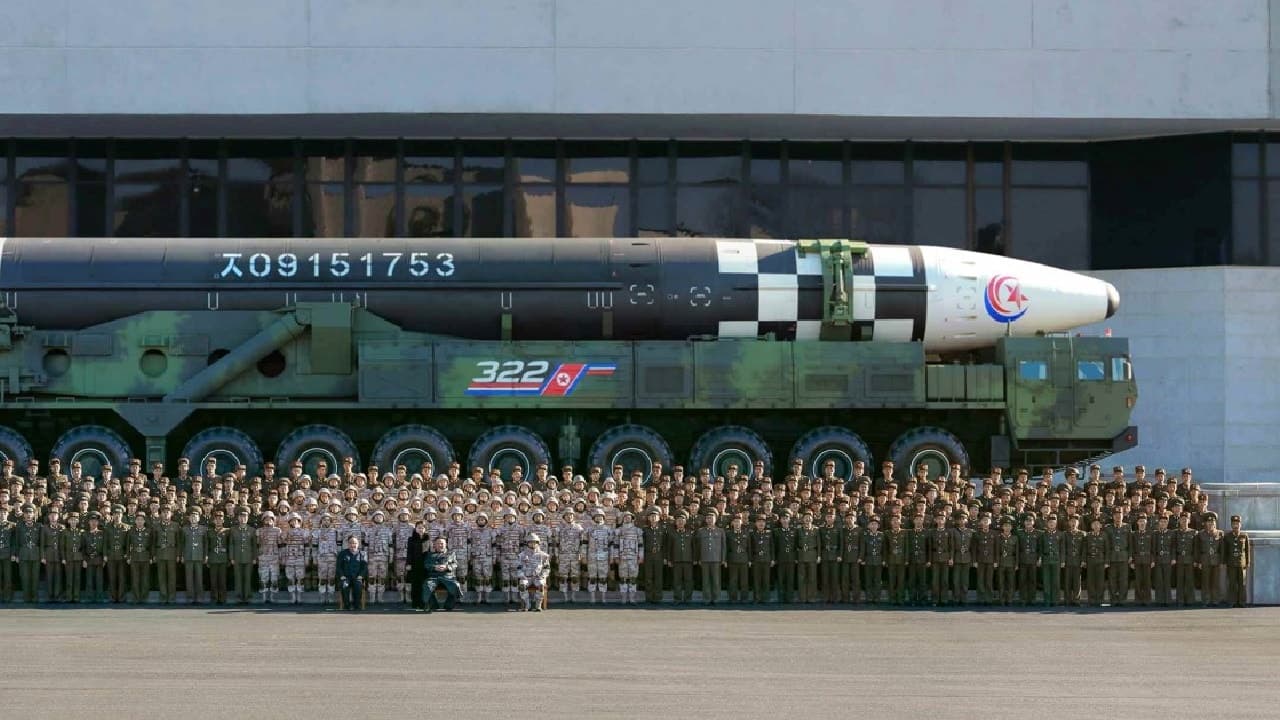
- North Korea has escalated **coercive messaging against South Korea**, including severe warnings over DMZ leaflet dissemination, underscoring the fragility of inter-Korean peace and the risk of provocations.
- Analysis of **DMZ jurisdictional conflicts**, which have increased since 2025, reveals potential flashpoints that could escalate into political crises, putting additional pressure on alliance crisis management and readiness.
- The February 2027 **Yellow Sea aerial standoff between U.S. and Chinese fighter jets** further illustrates the contested regional security environment, underscoring the need for close and precise ROK–US coordination to manage escalation risks.
---
### Complex Trade-Offs in Operational, Industrial, and Diplomatic Domains
South Korea’s comprehensive approach to alliance integration, defense modernization, and export diplomacy involves navigating a delicate set of trade-offs:
- **Operational integration gains**, particularly in combined exercises and missile defense, strengthen deterrence but require careful management of historical grievances with Japan and domestic political constraints.
- **Industrial competition and export control regimes** introduce friction within the trilateral alliance, as South Korea seeks to assert technological sovereignty while maintaining alliance security commitments. The Canadian submarine bid exemplifies these tensions, highlighting the dual imperatives of industrial growth and alliance cohesion.
- **Diplomatic balancing acts** continue as Seoul manages trilateral cooperation alongside Chinese and Russian disapproval, particularly concerning SSN ambitions and participation in multilateral frameworks like the Proliferation Unified Regional Logistics (PURL).
- South Korea’s **cautious calibration of joint exercises** aims to deter Pyongyang without provoking unnecessary escalation. However, some analysts warn that excessive restraint risks emboldening North Korea and weakening operational readiness.
- Recent **North Korean signaling and coercive actions** underscore the ongoing volatility of the security environment, reinforcing the imperative for robust alliance coordination and crisis management.
---
### Leadership Messaging and Near-Term Milestones
Alliance leaders emphasize steady progress amid challenges, highlighting ongoing commitment and strategic prudence:
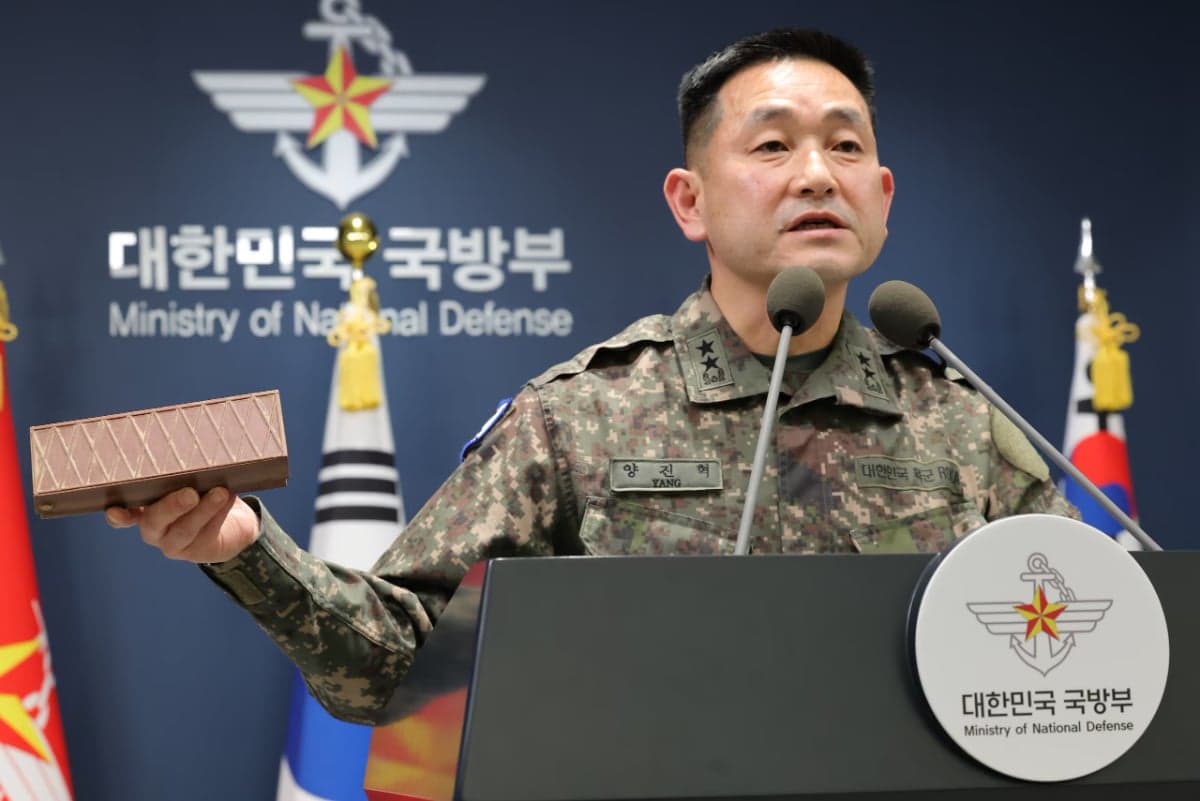
- South Korea’s Ministry of National Defense dismissed media speculation about alliance rifts following exercise postponements as routine and aligned with prudent strategic adjustments.
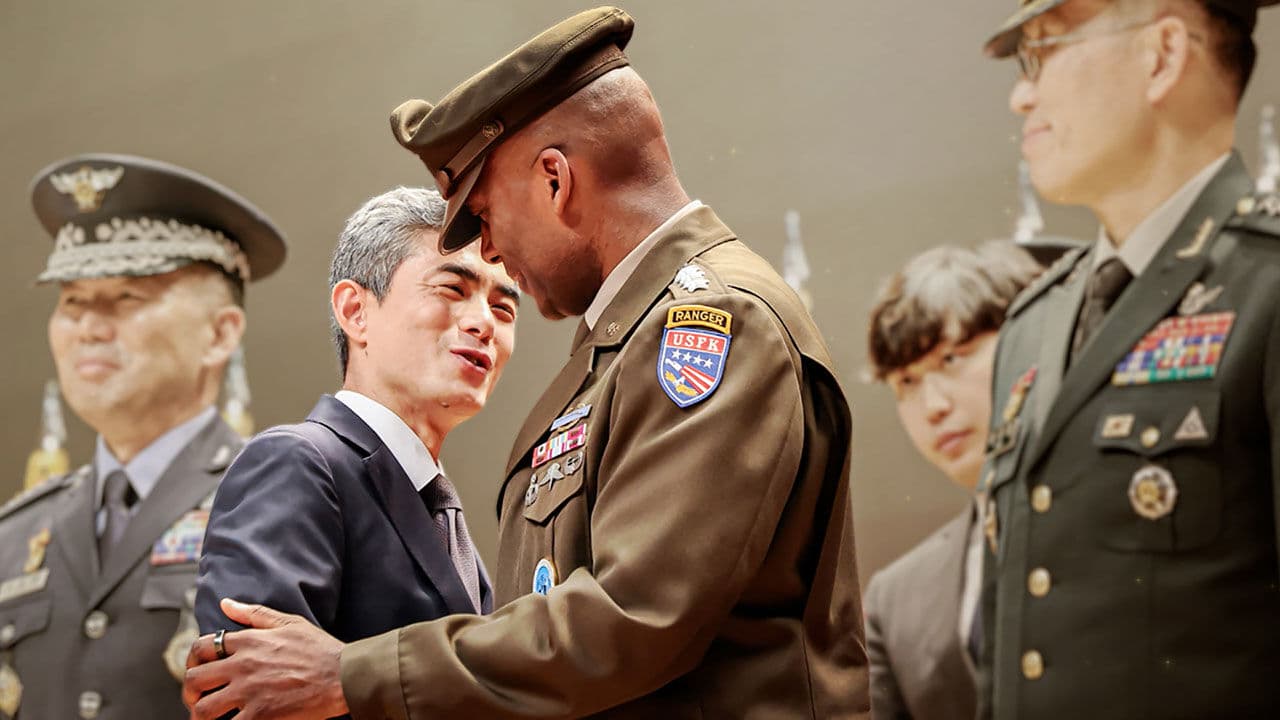
- General J. Beir Brunson, commander of U.S. Forces Korea and the Combined Forces Command, reaffirmed steadfast commitment to advancing operational ties and alliance readiness.
- Foreign Minister Cho Hyun’s inspection of Camp Humphreys underscored the critical importance of infrastructure modernization for enhanced combined command and control.
Key upcoming milestones include:
- Execution of **Freedom Shield 2026** and the **March 2027 ROK–US spring drills**, crucial for testing alliance operational readiness and the wartime operational control (OPCON) transfer process slated for 2028–2029.
- Continued progress on **nuclear propulsion technology testing**, supporting South Korea’s SSN development.
- Advancements in defense export negotiations, particularly **HJ Shipbuilding’s Canadian submarine bid**.
- Further unveiling and integration of South Korea’s **air-launched hypersonic missile** and ongoing developments in the **KF-21 Boramae fighter jet program**.
- Monitoring evolving dynamics of the **trilateral Export Control Task Force** and their implications for industrial cooperation and alliance security.
---
### Conclusion
South Korea’s accelerating ROK–US operational integration, cautiously expanding trilateral cooperation with Japan, and rapid undersea and defense-industrial modernization reflect a sophisticated strategy aimed at bolstering deterrence and strategic autonomy in a volatile regional security environment. The unfolding interplay of advanced military exercises, technological collaboration, industrial competition, and diplomatic signaling epitomizes the complex trade-offs Seoul must manage. How these linked operational, industrial, and diplomatic factors evolve will critically shape the cohesion and effectiveness of the ROK–US–Japan partnership and the broader Northeast Asian security architecture during the critical decade ahead.
---
### Selected Sources and Further Reading
- AEI Korean Peninsula Update, February 25, 2026
- South Korea, U.S. to Stage Annual Springtime Exercise Next Month Amid OPCON Preparations | Yonhap News Agency
- Freedom Shield Rift: South Korea, US at Odds Over War Games’ Scale | South China Morning Post
- Canada, South Korea Sign Pact to Share Classified Military Intelligence, 2027
- U.S.-Led American Maritime Action Plan Injects $10 Billion into Allied Naval Industrial Revitalization, 2026
- Asan Institute & CSIS Reports on Military Drills and Alliance Readiness, 2026–2027
- Hyundai Rotem Reveals Air-Launched Hypersonic Anti-Ship Missile, 2026
- UAE–South Korea Defense Cooperation: The KF-21 Factor
- South Korea Lodges Protest with US Forces Korea Over Rare US-China Aerial Standoff, 2027
- North Korea’s Kim Jong Un Open to Talks with Washington — With One Tough Pre-Condition, 2027
- February 27, 2026 - FDD: ROK-US-Japan Cooperation in AI and Nuclear Energy
- South Korea's Envoy: U.S. Open to Unconditional Dialogue with North Korea, 2027
- North Korea Warns South Korea With Severe Repercussions Over DMZ Leaflets, 2027
- Jurisdictional Conflict and the Future of the Korean DMZ – Analysis, 2027
- “South Korea is already preparing for nuclear-powered submarines,” 2027
---
This comprehensive update encapsulates South Korea’s evolving defense posture and alliance dynamics amid a complex and fast-changing security environment in Northeast Asia.