# Hormuz and Red Sea Turmoil Roils Global Energy Shipping: Escalating Risks and Geopolitical Tensions
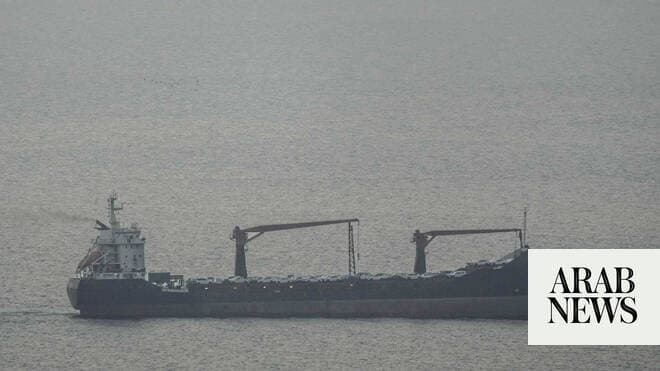
The strategic waterways of the Strait of Hormuz and the Red Sea, vital to the world’s energy security, are now at the heart of an intensifying geopolitical crisis. Recent developments—including missile strikes, proxy warfare, and explicit threats by Iran to close or seize these chokepoints—have dramatically increased the risk of disruption to nearly 20% of global oil exports and a significant volume of liquefied natural gas (LNG). The escalation threatens not only regional stability but also the global economy, security architecture, and energy markets.
---
## Escalation in Middle East Hostilities: Iran, Israel, and External Powers on the Edge
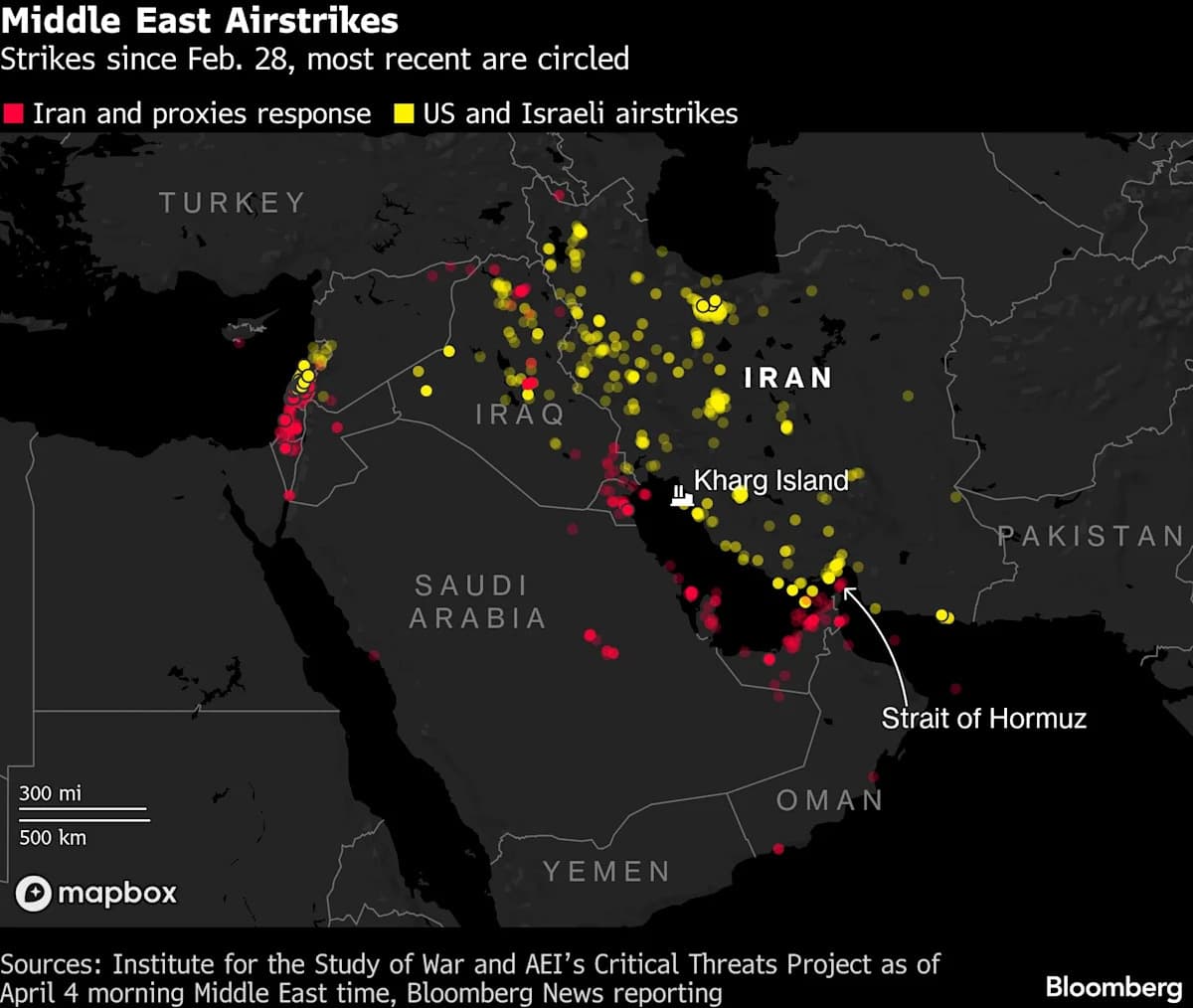
Over the past few weeks, the Middle East has witnessed a sharp escalation in violence involving Iran, Israel, and Western allies. Iran reports experiencing its **"most intense day of strikes inside Iran,"** targeting military installations and strategic assets. Concurrently, cross-border drone and missile attacks have become more frequent and sophisticated.
A notable development is Iran’s ongoing strikes on Israeli infrastructure, including recent attacks on oil refineries in Haifa, which underscore the spillover of regional tensions. Iranian leadership has issued stark warnings, explicitly threatening to **close vital sea routes** if provoked further. Iran publicly articulated its willingness to **seize control of key transit corridors** or **completely block the Strait of Hormuz**, through which roughly **20% of global oil passes daily**, heightening fears of a potential blockade.
Intelligence sources suggest Iran is contemplating more assertive actions, including **attempts to control Red Sea shipping lanes**, aiming to disrupt international trade and exert pressure on regional and global powers.
---
## Threats to Critical Maritime Infrastructure and Chokepoints
The possibility of maritime interdiction or outright closure of strategic chokepoints has become an urgent concern:
- **Seizure or blockade of the Red Sea**: Connecting the Suez Canal to the Arabian Sea, the Red Sea is a critical artery for global trade and energy exports. Iran and its proxies could attempt to disrupt this corridor, threatening a ripple effect on global supply chains.
- **Closure of the Strait of Hormuz**: As the narrow gateway vital for over a fifth of the world's oil exports, a blockade here would trigger immediate market upheaval.
- **Targeting of infrastructure such as Kharg Island**: Iran’s main oil export terminal remains a focal point. Recent analyses, including popular videos like "*Will Israel and the US Attack Kharg Island? Iran’s Oil Lifeline Under Threat*", underscore its strategic importance. Sabotage or military strikes on Kharg could drastically weaken Iran’s export capacity, leading to sharp price spikes and supply disruptions.
Furthermore, Iran has increased efforts to **threaten and potentially sabotage** critical infrastructure, with reports indicating mounting risks to Iran’s oil export facilities amid ongoing hostilities.
---
## Military Movements and Naval Posturing
In response to these mounting threats, the United States and allied navies have ramped up their regional military presence:
- **Enhanced naval escort operations**: Protecting vulnerable tankers navigating the Strait of Hormuz and the Red Sea.
- **Covert activities**: Many vessels now operate with **AIS (Automatic Identification System) turned off**—a tactic to evade Iranian detection—highlighting an elevated state of clandestine maneuvering.
- **Deployment of Marine Expeditionary Units**: Signaling a readiness to respond swiftly to any escalation, whether through direct action or proxy attacks.
These measures aim to **deter Iranian attempts at blockade or seizure**, but experts warn that **miscalculations or accidental confrontations** could ignite a broader conflict with catastrophic consequences for the energy markets.
---
## Proxy Warfare and Regional Spillover
Iran-aligned proxy groups have intensified their operations, conducting **guerrilla-style assaults, sabotage, and indirect strikes** against infrastructure, vessels, and military targets across Iraq, Syria, and the Gulf region. Recent reports—such as “*Iran’s regional proxies step up attacks despite setbacks since Gaza war*”—highlight these groups leveraging the chaos to expand their operational reach.
### Notable recent incidents include:
- **Missile launches into northern Israel**: Iran and Hezbollah launched missiles targeting northern Israel, damaging homes and vehicles, escalating regional violence.
- **Threats against U.S. forces**: The IRGC has issued explicit threats against U.S. military personnel in the UAE following attacks on Kharg Island, raising the risk of direct confrontation.
- **Maritime spillover risk**: Increased proxy activity raises the likelihood of attacks on ships or infrastructure, potentially igniting wider conflict involving multiple state and non-state actors.
---
## Critical Infrastructure Under Threat and Market Impacts
**Kharg Island**, Iran’s primary oil export terminal, remains a critical vulnerability. Recent threats and incidents suggest a strike or sabotage could **disrupt Iran’s oil exports**, causing market shocks and price volatility.
The ongoing hostilities are already affecting maritime logistics:
- Vessels are **rerouting or operating with AIS off** to evade detection, increasing the risk of accidents.
- **Freight costs and insurance premiums** have surged amid heightened risks.
- **Saudi Aramco** has issued **tenders for alternative routes** and increased shipments through the Red Sea to mitigate potential blockades.
- Several operators have **halted or slowed production**, amplifying fears of supply shortages.
### Market volatility has surged:
- **Oil prices** have spiked from around **$88 to over $120 per barrel**, driven by fears of supply disruptions.
- **LNG prices** are also volatile, with increased premiums and trading disruptions reflecting market uncertainty.
---
## Latest Developments: Cross-Border Attacks and Heightened Tensions
Adding to the crisis, **Iran and Hezbollah** launched a series of **missile attacks targeting northern Israel**, damaging homes and vehicles and escalating regional hostilities. These strikes mark a significant escalation, fueling fears of a broader regional conflagration.
Furthermore, **Iran’s IRGC** has threatened U.S. forces in the UAE following the attack on Kharg Island. Notably, a **recent incident involved an Iranian drone impacting a U.S. base building**, further heightening the risk of direct confrontation. A disturbing video captures the moment an Iranian drone circles a U.S. base before slamming into a building, exemplifying the dangerous brinkmanship at play.
### The incident: "Terrifying moment Iranian drone circles US base before slamming into building"
*This footage, lasting 1 minute and 24 seconds, shows an Iranian drone loitering ominously over a U.S. military installation before executing a precise strike. The attack resulted in damage to the structure and heightened alert levels among U.S. forces, underscoring the escalating risk of direct conflict.*
---
## Current Status and Outlook
The region remains under an intense military and intelligence spotlight. **Additional naval deployments and covert operations** continue, while proxy groups operate with increased boldness. The risk of **miscalculation or accidental escalation** persists, with a single incident potentially spiraling into full-scale conflict.
### Key points:
- **Naval and military assets are on high alert**, with increased escort and surveillance operations.
- **Proxy activities are intensifying**, raising the chance of maritime or infrastructure attacks.
- **Market volatility remains elevated**, with potential for rapid price swings and supply disruptions.
### Implications for global energy security:
- Any prolonged blockade or disruption could **trigger severe supply shortages**, driving prices higher and risking global economic instability.
- The international community faces an urgent need for **diplomatic de-escalation** and **strategic preparedness** to prevent a catastrophic regional or global crisis.
---
## Conclusion
The waterways of Hormuz and the Red Sea are now at the epicenter of a complex, multi-layered conflict involving direct military strikes, proxy warfare, and strategic threats. Recent incidents—such as missile launches into northern Israel, threats against U.S. forces, and Iran’s explicit threats to close or seize vital trade routes—highlight the fragility of regional stability. The **latest escalation**, including the Iranian drone attack on a U.S. base, significantly amplifies the danger of wider conflict.
As tensions continue to escalate, the **potential for significant disruptions to global energy supplies** remains high. Market watchers and policymakers must remain vigilant, emphasizing **diplomatic efforts, military readiness, and contingency planning** to prevent a catastrophe that could reverberate across the global economy and security landscape. The world watches anxiously as these critical waterways remain under threat, with the specter of an expanded conflict looming large.