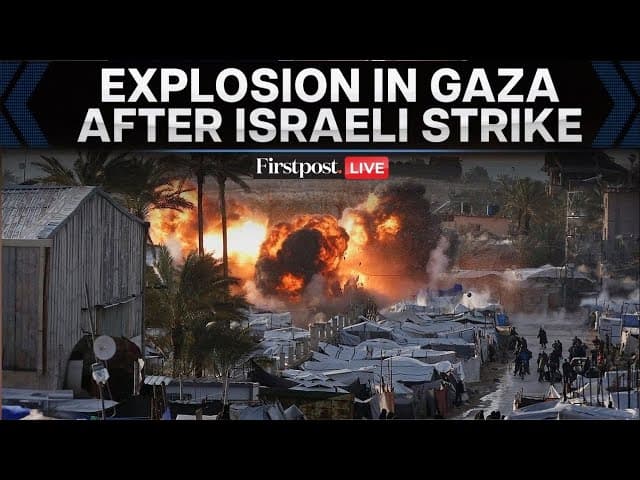
# Escalating Gaza Conflict, Humanitarian Collapse, and Postwar Power Struggles
The Gaza conflict continues to intensify amidst ongoing military operations, a deepening humanitarian crisis, and complex political maneuvers shaping the region’s future. Despite claims of a ceasefire, violence persists, while international actors grapple with urgent calls for peace and accountability.
## Ongoing Violence Despite Ceasefire Claims
While diplomatic efforts have sought to establish calm, reports indicate that hostilities remain active on multiple fronts:
- **Israeli strikes and shootings**: The Israeli military has conducted numerous airstrikes across Gaza, targeting suspected militant sites, yet these strikes often result in civilian casualties and widespread destruction. Concurrently, reports of shootings in border areas continue, with casualties on both sides.
- **Missile exchanges inside Israel**: Palestinian militant groups, notably Hamas, have launched missile attacks into southern Israel, causing injuries, property damage, and escalating fears of a broader regional escalation.
- **Continued violence despite claims**: Official statements from Israeli authorities suggest a temporary pause, but on-the-ground reports highlight ongoing clashes, undermining the prospects of a sustainable ceasefire.
## Humanitarian Collapse Deepens
The humanitarian situation in Gaza remains dire:
- **Rising death tolls**: A recent Lancet-backed survey estimates that both direct and indirect deaths have surged, with thousands of civilians killed since the conflict's escalation. The report underscores the toll of relentless bombing, shortages of medical supplies, and disrupted healthcare services.
- **Aid operations under strain**: Humanitarian assistance faces severe obstacles. Israel’s Supreme Court is currently weighing restrictions on aid groups, raising concerns that further limitations could exacerbate the crisis by restricting vital supplies like food, water, and medical aid.
- **Widespread suffering**: The blockade and ongoing hostilities have led to shortages of essentials, with vulnerable populations—particularly children and the elderly—bearing the brunt of the crisis.
## Political and Security Contest for Postwar Governance
As the conflict persists, regional and international actors are positioning themselves for the postwar landscape:
- **Hamas's shadow administration**: Reports indicate that Hamas is actively building a clandestine governance structure, aiming to shape the political order once active hostilities diminish. This shadow administration is seen as a strategic move to maintain influence and control in Gaza amid uncertainty.
- **International responses**:
- **Indonesia’s peacekeeping proposal**: Indonesia has floated the idea of deploying peacekeeping forces to help stabilize the region post-conflict, emphasizing the need for international involvement to ensure lasting peace.
- **UN Secretary-General’s call**: Antonio Guterres has issued a strong appeal for an **immediate ceasefire**, warning that continued hostilities threaten regional stability, worsen humanitarian suffering, and risk broader escalation. His statement underscores the urgency for diplomatic solutions.
- **Legal and accountability dimensions**: The Israeli Supreme Court's deliberations on aid restrictions reflect broader concerns about accountability and international law. Meanwhile, international bodies are closely monitoring potential war crimes and violations of humanitarian law.
## Regional Risks and Diplomatic Dynamics
The evolving situation heightens regional tensions:
- **Escalation risks**: Despite diplomatic overtures, the persistence of violence and the buildup of new military capabilities raise fears of a broader regional conflict.
- **Diplomatic efforts**: Countries like Egypt, Qatar, and the United States continue diplomatic engagement, seeking to broker a durable ceasefire, though progress remains slow and fragile.
- **Legal and accountability focus**: International attention is intensifying on potential violations, with calls for investigations and justice for civilian casualties.
## Current Status and Implications
As of now, the Gaza conflict remains active, with no clear resolution in sight. The humanitarian crisis worsens daily, risking irreversible damage to civilian life and infrastructure. Meanwhile, political actors are preparing for a complex postwar order, with Hamas consolidating shadow governance and international actors debating the path toward peace and stability.
**The region’s future hinges on urgent diplomatic action, accountability measures, and sustained humanitarian support.** The world watches closely, aware that the decisions made in the coming weeks will shape not only Gaza’s fate but also the broader Middle East stability for years to come.