# India’s Sovereign AI Ecosystem: A New Era of Infrastructure, Hardware, and Autonomous Innovation
India continues to propel itself into the forefront of autonomous, secure, and sovereign AI infrastructure, driven by unprecedented investments, cutting-edge hardware development, and innovative operational frameworks. With a strategic emphasis on data sovereignty, domestic hardware innovation, and autonomous systems, the nation is establishing a resilient and trusted AI ecosystem that aims to reduce dependence on foreign cloud giants while fostering indigenous technological leadership.
---
## Expanding Buildout of Sovereign AI Infrastructure: Gigantic Data Centers and Strategic Public-Private Partnerships
India’s commitment to **data sovereignty and self-sufficiency** is reflected in its massive data center initiatives and collaborative ventures:
- **Reliance Industries** announced an investment exceeding **$110 billion** toward **giga-scale data centers** across India. Its flagship **Jamnagar campus**, with an impressive **120 MW capacity**, is explicitly designed to host **sovereign AI ecosystems**, ensuring sensitive data remains within Indian borders and minimizing reliance on foreign cloud providers.
- **Tata Group**, in partnership with **AMD**, has launched the **Helios Data Center**, a **200 MW facility** optimized for **local autonomous AI inference**. This center emphasizes **edge processing** and **regional autonomy**, targeting sectors like **defense, healthcare, and critical infrastructure** with **low-latency, localized AI capabilities**.
- **OpenAI**, collaborating with Tata and TCS, unveiled plans to develop **100 MW of liquid-cooled AI infrastructure**, with ambitions to scale up to **1 GW**. This initiative aims to **empower Indian enterprises** with **regionally localized AI models**, drastically reducing dependence on Western cloud giants and fostering **enterprise-grade inference capabilities** within India.
- The confidence of investors is exemplified by **Neysa**, an Indian AI startup that recently raised over **$1.2 billion**, with up to **$600 million** allocated explicitly toward **sovereign AI deployments**, hardware innovation, and ecosystem development.
- On the hardware innovation front, **SambaNova** announced a **$350 million funding round** led by Vista, alongside a **strategic partnership with Intel**. These collaborations are pivotal for **hardware innovation** and **supply chain resilience**, supporting India’s infrastructure with **advanced AI chips** optimized for inference and edge deployment.
**Significance:** These colossal investments and partnerships underscore India’s deliberate shift toward **building a trusted, sovereign AI infrastructure**. By fostering **public-private synergies**, India aims to **safeguard data sovereignty**, **accelerate domestic hardware and AI innovation**, and establish a **trusted autonomous ecosystem**—especially vital for **defense, government, and critical sectors**.
---
## Hardware & Supply Chain Momentum: Domestic Chips, Global Inference Hardware, and Edge Silicon
Hardware development remains central to India’s AI ambitions, enabling **cost-effective, offline, and secure deployments** suited for regulated sectors:
- **NVMe-direct GPU inference technologies**, utilizing **Nvidia RTX 3090 graphics cards**, now support **offline execution** of large models like **Llama 3.1 70B**, significantly reducing latency and CPU bottlenecks—crucial for **defense, healthcare, and government applications**.
- Indian startup **Taalas** introduced its **HC1 chip**, a **specialized silicon** engineered to **embed large language models directly into hardware**. The **HC1** processes **almost 17,000 tokens/sec for Llama 3.1 8B**, nearly **10 times faster** than traditional inference setups, enabling **trustworthy, offline, real-time autonomous AI solutions**.
- **Global players** such as **Cerebras Systems** have launched inference chips like **GPT-5.3-Codex-Spark**, optimized for large models and edge deployment, enriching India’s hardware ecosystem.
- To bolster **supply chain security** and **capacity**, **SK Hynix** announced plans to **expand AI memory chip production**, addressing surging demand for large AI models deployed across India’s on-premises and edge infrastructures.
- The recent acquisition of **Israeli startup Illumex** by **Nvidia** for **$60 million** exemplifies ongoing semiconductor consolidation and innovation, supporting India’s hardware ecosystem through strategic international partnerships.
- **SambaNova**, supported by recent funding and Intel collaboration, continues developing **high-performance AI chips** tailored to India’s needs, emphasizing **performance, security, and supply chain resilience**.
- Additionally, **Axelera AI**, a Dutch startup specializing in edge AI chips, raised over **$250 million** in a recent funding round, signaling increasing international investment in **edge silicon** crucial for India’s expanding **edge AI deployments**.
**Implications:** These innovations—**Taalas HC1**, **Nvidia inference chips**, **Cerebras**, and **Axelera**—enable **cost-effective, secure, and offline AI deployments**, especially vital for **regulated sectors** demanding **trust, sovereignty, and operational security**.
---
## Maturation of Software Ecosystems and Enterprise Operational Tools
The operationalization of AI at scale hinges on **sophisticated software platforms** capable of managing, deploying, and monitoring large language models within secure environments:
- **Union.ai**, an **LLMOps startup**, raised an additional **$19 million** in Series A funding led by **Elevation Capital**. Its platform facilitates **deployment, monitoring, and management** of large language models in **secure enterprise and government settings**.
- **Google Labs** introduced **Opal 2.0**, an upgraded platform featuring **smart agents, memory, routing, and interactive chat capabilities**. The inclusion of **agent steps** enhances **workflow automation**, enabling **complex, multi-step AI processes** with minimal coding.
- Cost-reduction solutions like **AgentReady**, a **drop-in proxy**, now reduce **LLM token costs by 40-60%**, making **large-scale deployment** financially sustainable—crucial for India’s extensive AI ecosystem.
- **Hugging Face** expanded its **storage offerings**, introducing **storage add-ons starting at $12/month per TB**, supporting **scalable, affordable data management** to meet India’s vast data requirements.
These tools are **bridging research and enterprise deployment**, fostering **trustworthy, scalable, and cost-effective AI operations** aligned with India’s **sovereign AI ambitions**.
---
## Rise of Multi-Agent Systems and Autonomous Workflow Orchestration
India is advancing toward **autonomous decision-making** via **multi-agent systems**:
- **Grok 4.2**, a **native multi-agent system**, now features **internal debate** among four specialized AI agents sharing a common context. This **parallel reasoning** significantly enhances **answer accuracy, trustworthiness, and nuance**, marking a leap in **autonomous AI capabilities**.
- Such systems are particularly impactful in **defense, logistics, and enterprise automation**, reducing human oversight, increasing decision precision, and enabling **real-time collaboration among autonomous agents**.
- Recent launches include **Perplexity AI’s "Computer"**, designed to **complete complex assignments with minimal human supervision**, and **Anthropic’s expansion initiatives**, such as the acquisition of **@Vercept_ai**, aimed at enhancing **Claude’s computer use capabilities**. These advancements reinforce India’s trajectory toward **higher-trust, autonomous workflows**.
- **Profound**, an emerging enterprise AI startup, raised **$96 million at a $1 billion valuation**, targeting **AI marketing and autonomous agent functions**.
- **Trace**, another innovator, secured **$3 million** to streamline **enterprise AI agent adoption and scaling**.
- The **SAGTEC** platform launched an **agentic enterprise automation system**, emphasizing **governance and safety frameworks** critical for enterprise trust.
- **Rover by rtrvr.ai**, a lightweight tool, enables **embedding AI agents into websites**, transforming user interactions with **autonomous, action-oriented AI**.
**Implications:** These developments underscore **multi-agent systems and autonomous workflows** as central pillars of India’s AI landscape, supporting **complex decision-making** in **defense, logistics, and enterprise sectors**.
---
## Edge, Appliance, and Regulated Sector Deployments: Secured, Offline, and Rugged Solutions
To meet **strict security and latency demands**, India is deploying **AI-in-a-Box** solutions and **hardware appliances**:
- **Lenovo** and domestic hardware firms are launching **rugged, compact AI appliances** tailored for **defense, healthcare, and critical infrastructure**.
- **AI-in-a-Box** offerings from companies like **Understand Tech** deliver **offline, secure AI inference**, ensuring **sovereignty and compliance** in sensitive sectors such as **healthcare diagnostics, defense, and government**.
- Hardware trust modules embedded within inference chips are increasingly adopted to **counter vulnerabilities** like **silicon exploits**, further **strengthening security**.
---
## Strategic Collaborations, Funding Flows, and Security Frameworks
India’s focus on **hardware trust modules**, **agent monitoring tools**, and **supply chain security** highlights its **national security priorities**:
- **Trust modules** embedded within inference chips help **counter exploits** and **maintain hardware integrity**.
- **Agent monitoring tools** such as **jx887/homebrew-canaryai** are deployed to **detect reverse shells, credential theft, or malicious behaviors** in autonomous agents, safeguarding **trust and operational safety**.
- **Global developments**—including **SK Hynix’s expansion**, **BOS Semiconductors’ $60.2 million funding** for AI chips, and Nvidia’s strategic acquisitions—further bolster supply chain resilience and hardware innovation.
- The **Indian government and defense agencies** actively collaborate with vendors like **Anthropic** and **Google Cloud AI** to embed **hardware safeguards** and **supply chain resilience measures**, emphasizing **AI security as a national security priority**.
Recent signals from **Nvidia’s Q4 2025 earnings** indicate robust demand for its AI chips, especially the upcoming **N7** node, suggesting **capacity expansion** to meet both global and Indian needs. **Anthropic** continues to expand **Claude’s capabilities**, covering **investment banking, enterprise automation, and autonomous workflows**, reinforcing its role in India’s sovereign AI landscape.
---
## Current Status and Future Outlook
India’s **comprehensive AI ecosystem**—fueled by **massive investments, innovative hardware, mature operational tooling, and strategic security collaborations**—is rapidly establishing a **resilient, sovereign infrastructure**. This foundation supports **large-scale autonomous workflows**, **secure edge deployments**, and **trusted hardware modules**, drastically reducing dependence on external cloud services and safeguarding **data sovereignty**.
The nation’s focus on **hardware independence**, **security**, and **autonomous AI agents** positions it as a **regional and global leader** in **trusted, on-premises AI deployment**. The evolution of **multi-agent systems**, **secure appliances**, and **hardware trust modules** will accelerate **autonomous decision-making** across sectors, establishing India as a **model nation** for **trusted, scalable, and sovereign AI architectures**.
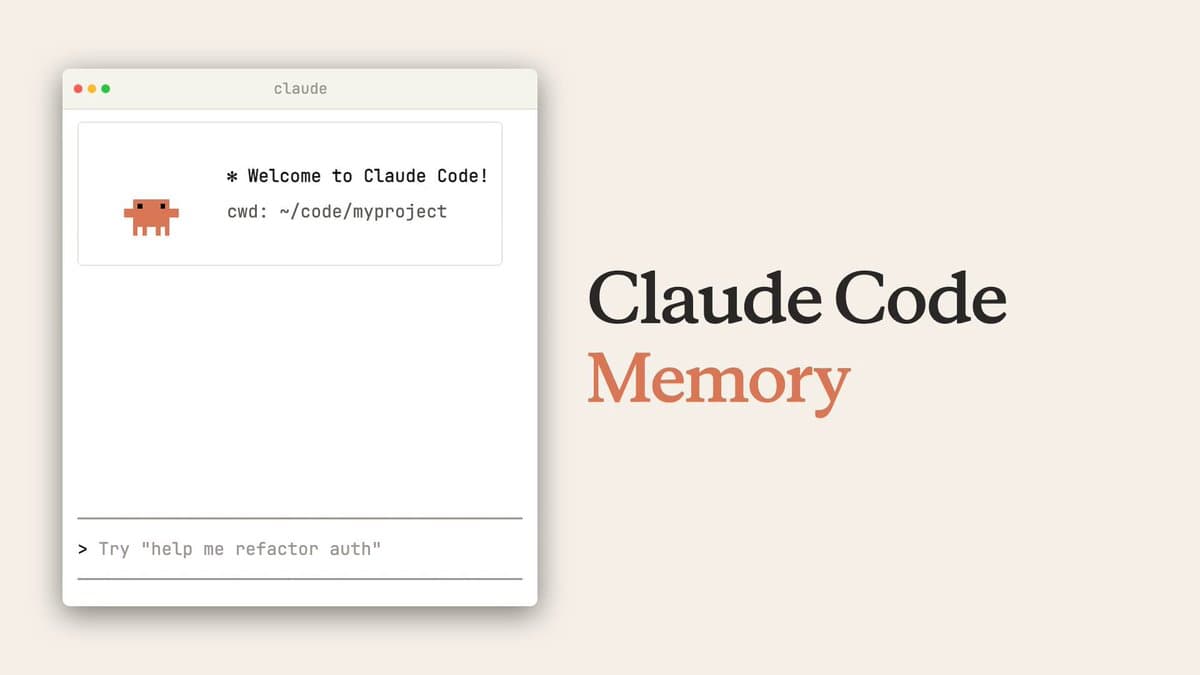
**Recent developments**, including Nvidia’s strong financial signals, strategic acquisitions, and **Claude’s new auto-memory support**, reinforce India’s trajectory toward **scalable, agentic, and secure AI ecosystems**. As these initiatives mature, India is poised to demonstrate how **technological innovation aligned with sovereignty and security** can shape the future of AI worldwide.
---
**In summary**, India’s strategic investments and innovative developments are transforming its AI landscape into a **robust, secure, and autonomous ecosystem**—a testament to its vision of **digital sovereignty** and **technological independence**. The nation is carving out a leadership role in **trusted, on-premises, and agentic AI deployments**, setting a benchmark for enterprise adoption, governance frameworks, and security infrastructure that will define the future of **trusted, autonomous AI** globally.