# The 2024 Landscape of Sovereign AI: Hardware, Regional Compute, and Autonomous Ecosystems
The enterprise AI landscape in 2024 is experiencing a profound transformation driven by groundbreaking hardware innovations, regional compute infrastructures, and sophisticated orchestration platforms. These developments are not only enabling large-scale, sovereign AI deployments but also redefining how organizations approach security, compliance, cost-efficiency, and regional autonomy. This article provides a comprehensive update on these trends, highlighting recent advances, strategic investments, and emerging capabilities shaping the future of enterprise AI.
---
## Cutting-Edge Hardware Innovations Power Inference at Scale
A key driver of this evolution is the advent of **specialized, energy-efficient inference hardware** designed to handle massive AI workloads with minimal latency and cost.
- **Taalas' HC1 Chip**: Launched as a pioneering solution, the HC1 chip now delivers **almost 17,000 tokens per second** for models like **Llama 3.1 8B**, supporting **near real-time multi-modal AI applications**. Its **cost efficiency and low energy consumption** make it feasible to deploy **thousands of autonomous agents** across enterprise environments, drastically reducing operational costs and latency.
- **Regional Exascale Deployments**: Exascale compute centers are emerging through regional collaborations. For instance, **G42 in Abu Dhabi**, partnering with **Cerebras**, has deployed **eight exaflops of compute power in India**, supporting sectors such as healthcare and finance with **localized AI processing** that complies with **data sovereignty and regulatory standards**. Such infrastructure enables **trustworthy, high-throughput AI workloads** at the regional level, addressing the critical needs of data privacy and latency.
These hardware breakthroughs are crucial for **scaling enterprise AI workloads**, especially those requiring **trustworthy, compliant, and high-performance inference**.
---
## Strengthening Regional Compute and Sovereignty
Recognizing that **data sovereignty and security** are central to enterprise AI, nations and corporations are heavily investing in **regional data centers**:
- **India’s Rapid Expansion**: Investments by **Reliance Industries** (over **$110 billion**) and **Tata** (around **$100 million**) aim to create **regional AI hubs** that ensure **low-latency, compliant AI deployment**.
- **OpenAI–Tata Collaboration**: These efforts include deploying **100 MW AI-ready data centers in India**, with plans to expand to **1 GW capacity**. These centers are designed for **local data processing**, **regulatory compliance**, and **self-sufficiency**, reducing dependence on foreign infrastructure and fostering **domestic AI ecosystems**.
- **Middle East and Asia**: Similar initiatives are underway across the Middle East, with investments in **regional compute centers** to bolster **security, resilience**, and **regulatory adherence**, positioning these regions as **global AI innovation hubs**.
Such investments are critical in enabling **trusted, sovereign AI ecosystems** that support sensitive applications, from healthcare to finance, while ensuring **compliance with regional regulations**.
---
## Advanced Orchestration and Multi-Model Ecosystems
Managing **large fleets of autonomous agents** across distributed regional compute centers demands **mature orchestration platforms**:
- **Tensorlake’s AgentRuntime**: Achieved significant maturity in 2024, supporting **real-time fleet management**, **resilience**, and **scalability**—facilitating **thousands of agents** operating seamlessly across regions.
- **Enterprise Orchestration Solutions**: Platforms like **Red Hat’s AI Factory**, developed in partnership with **NVIDIA**, integrate **open-source infrastructure** with **accelerated hardware** to streamline **model deployment, monitoring, and compliance** for enterprise-grade AI operations.
- **Perplexity Computer**: A recent breakthrough, capable of **orchestrating 19 different AI models** including **Claude, Gemini**, and others, at a **competitive $200/month**. It features **dynamic multi-model routing** and **workflow automation**, transforming AI search into a **comprehensive execution engine**. This unification of diverse AI capabilities supports **large-scale, multi-agent ecosystems** within regional centers, promoting **flexibility and efficiency**.
These orchestration platforms are vital for **scaling autonomous AI fleets**, enabling **multi-model workflows** and **adaptive routing** that optimize performance and cost.
---
## Rise of Autonomous, Copilot-Style Agents and Marketplaces
The enterprise is witnessing the emergence of **Copilot-style autonomous agents** that function as **task-specific operating systems**:
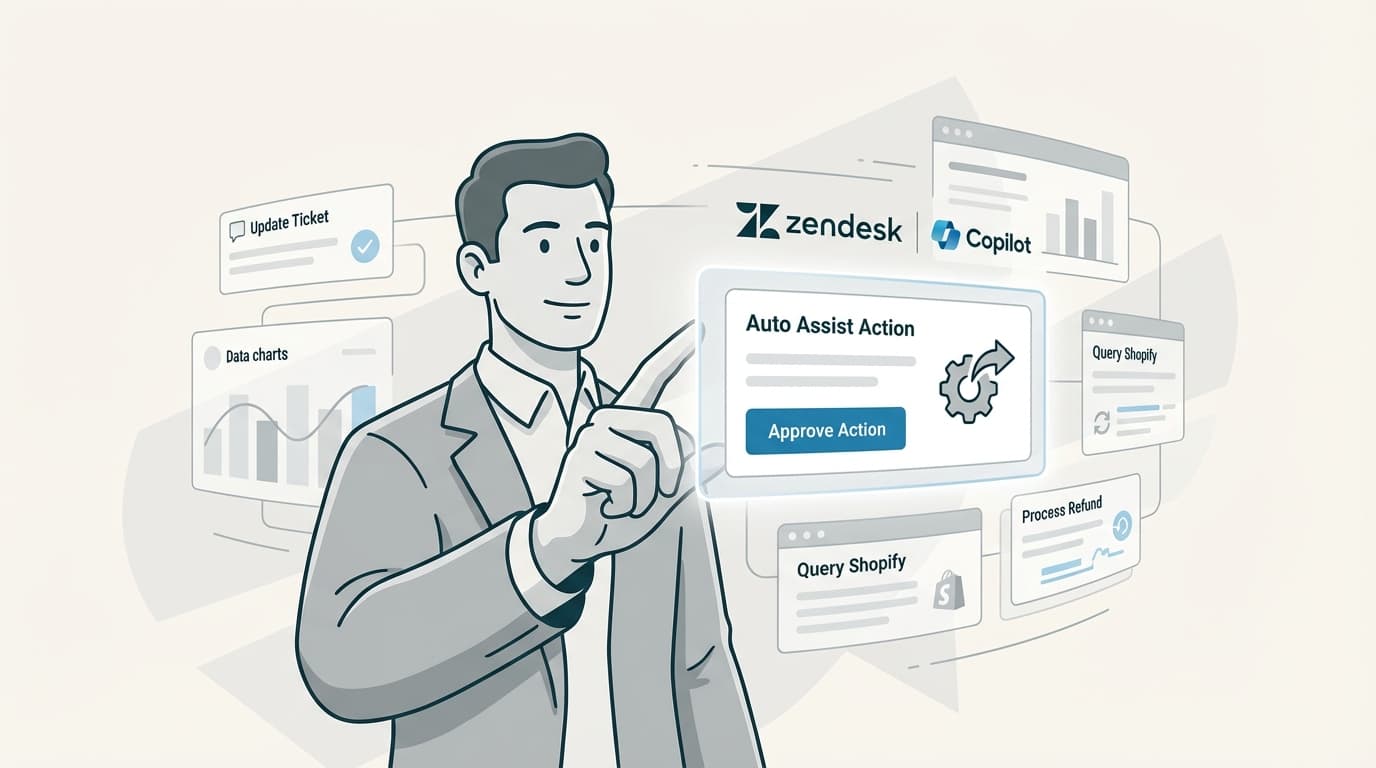
- **Microsoft Copilot Tasks**: Leveraging **dedicated compute resources**, these agents can **execute complex workflows autonomously**, reducing operational barriers and empowering **non-technical teams**.
- **SkillOrchestra**: A **multi-model orchestration platform** that automates **skill routing**, achieving **40-60% savings in token costs** and **reducing manual scripting**—a crucial capability for **scaling large autonomous fleets** efficiently.
- **Zava Signal Intelligence Agent**: A notable recent addition, this agent exemplifies **proactive market and competitor sweeps**. As showcased in a recent **14-minute YouTube video**, the **Zava Signal Intelligence Agent** actively monitors, analyzes, and reports on market movements, providing enterprises with **timely, actionable insights**. Such agents are transforming enterprise workflows from reactive to **proactive intelligence gathering**, enabling **rapid strategic responses**.
The proliferation of these **autonomous agents** and **marketplace ecosystems** signifies a shift toward **self-sufficient, intelligent operational units** that can **drive automation, strategic intelligence, and operational efficiency**.
---
## Enhancing Real-Time, Voice-Enabled Interactions
Progress in **low-latency, real-time AI models** continues apace:
- **gpt-realtime-1.5** by OpenAI exemplifies models optimized for **interactive voice applications**, supporting **more reliable and responsive voice agents**.
- These models broaden **interactive use cases** in **customer service**, **virtual assistants**, and **operational monitoring**, especially within **regional hubs** where latency is minimized and security is enhanced.
By enabling **voice-enabled workflows**, enterprises can deliver **more natural, immediate, and secure interactions**—a key advantage in customer engagement and operational oversight.
---
## Security, Safety, and Governance in Mission-Critical AI
As autonomous agents become integral to **mission-critical operations**, **security** and **governance** are paramount:
- **Recent Incidents**: A notable breach involved hackers exploiting **Claude** to **exfiltrate 150GB of Mexican government data**, highlighting vulnerabilities in current security frameworks.
- **Huge Investments**: Enterprises are deploying over **$1 billion** into **governance, safety, and resilience frameworks**.
- **Tools for Trustworthiness**:
- **Cencurity**: A **security proxy** designed to detect malicious activities within agent communication channels.
- **AI Observability Platforms**: Solutions from **Arize AI** and **New Relic** enable **performance monitoring**, **anomaly detection**, and **regulatory compliance**, ensuring **trustworthy deployment** of autonomous AI systems.
Robust security and governance measures are essential to **mitigate risks**, **protect sensitive data**, and **maintain operational integrity**.
---
## Economic Benefits and Deployment Strategies
The convergence of hardware and platform innovations yields significant **cost savings**:
- **Specialized inference chips** and **regional compute centers** reduce **inference costs** and **latency**.
- **Regionalization** lessens reliance on foreign infrastructure, lowering **operational expenses** and streamlining **regulatory compliance**.
- **Token Proxy Solutions**: Platforms like **AgentReady** have demonstrated **40-60% reductions in token costs**, making **large autonomous fleets** more affordable and scalable.
- **Practical Blueprints**: Enterprises are adopting strategies such as **building AI SaaS solutions on GCP using Gemini architectures**, ensuring **security**, **scalability**, and **regulatory adherence**.
These strategies enable organizations to deploy **large-scale, sovereign AI ecosystems** efficiently and cost-effectively.
---
## Current Status and Future Outlook
In 2024, **regional hubs**—notably in **India, the Middle East, and Asia**—are emerging as **global AI innovation centers**. These regions offer **secure, low-latency, and cost-effective environments** for **large autonomous AI ecosystems**, driven by **hardware breakthroughs**, **advanced orchestration**, and **strong governmental backing**.
The ongoing investments in **sovereign compute infrastructure**, combined with **multi-model orchestration platforms** and **robust governance frameworks**, are laying the groundwork for **trustworthy, scalable AI deployments** that respect regional sovereignty and compliance.
**Implications**:
- Enterprises leveraging these innovations will **accelerate automation**, **enhance security**, and **drive economic growth**.
- The evolution toward **multi-agent architectures** and **dynamic workflows** will redefine enterprise operations, making AI more **responsive, autonomous, and regionally resilient**.
As the ecosystem matures, **regional compute sovereignty** will be central to **trustworthy AI adoption**, positioning these regions at the forefront of **global AI innovation** in the coming years.
---
*This comprehensive view underscores that 2024 is a pivotal year in **building a sovereign, secure, and scalable enterprise AI future**, with hardware, regional infrastructure, and orchestration platforms working in concert to unlock unprecedented possibilities.*