# Cuba’s Economic Opening Amid Crisis, Protests, and Persistent Repression: A Critical Juncture Deepens
Cuba remains at a pivotal crossroads, navigating a fragile balance between tentative economic reforms and escalating social unrest amid pervasive repression and external pressures. While the government’s recent steps toward a market-oriented approach signal a recognition of the need for change, the island's socio-economic fabric continues to fray under the weight of shortages, infrastructural decay, sanctions, and underground dissent. The coming months will determine whether these reforms can lay the groundwork for sustainable recovery or if mounting unrest and external hostility will plunge Cuba further into crisis.
## A Delicate Push Toward Market Reforms
In a marked departure from decades of strict state control, the Cuban government has introduced measures aimed at revitalizing its ailing economy:
- **Authorization of Public-Private Enterprises:** For the first time in decades, small and medium-sized businesses are legally permitted to operate, an attempt to foster entrepreneurship and diversify economic activity.
- **Promotion of Joint Ventures:** Frameworks are being established to encourage collaborations between private entrepreneurs and state entities, especially in sectors like tourism, agriculture, and trade—crucial for economic recovery.
- **Easing Agricultural and Trade Restrictions:** Limited relaxations are opening new avenues for exports and trade, including potential engagement with U.S. farmers. However, these initiatives remain politically sensitive and limited in scope.
**These initiatives aim to stimulate local entrepreneurship, attract foreign investment, and reduce dependence on imports.** Yet, systemic issues—such as market distortions, governance challenges, and insider dominance—pose significant obstacles. Experts warn that without comprehensive reforms, these measures risk remaining symbolic or producing minimal tangible benefits.
## Deepening Hardships and Rising Unrest
Despite the government’s optimistic tone, the daily reality for ordinary Cubans continues to worsen:
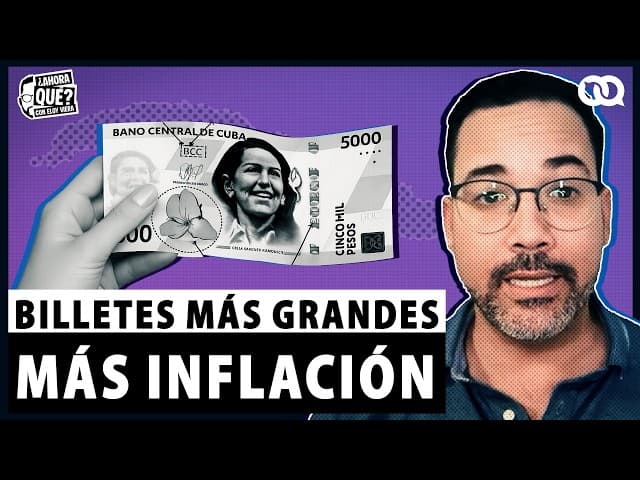
- **Persistent Shortages and Inflation:** Price controls distort markets, leading to shortages of essentials like food, medicine, and fuel. Inflation erodes purchasing power, pushing many into deeper hardship.
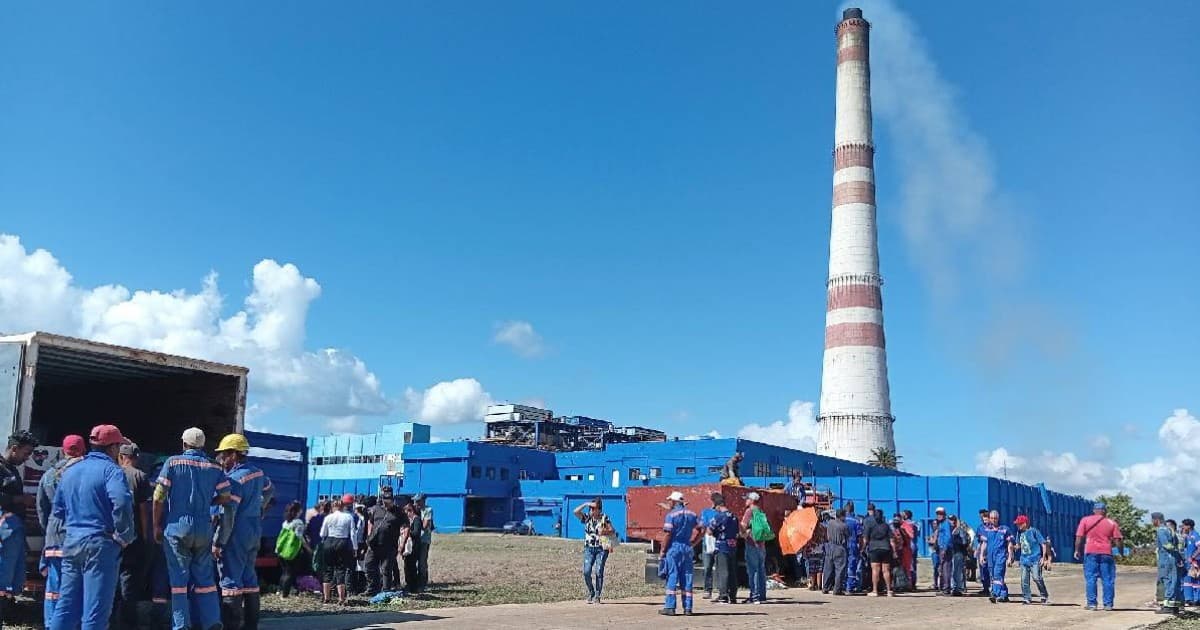
- **Electricity Outages:** A major power plant damaged earlier this year has resulted in ongoing blackouts. These outages severely disrupt daily life, hinder economic activities, and fuel protests across the island. Citizens demand better services and living conditions, but repression has so far suppressed visible dissent.
- **Protests and Repression:** Recent demonstrations—initially sparked by outages, rising prices, and deteriorating living standards—have been met with arrests and crackdowns. While repression has kept protests largely underground or subdued, underground resentment persists, creating an atmosphere of fear, mistrust, and defiance. Notably, **a recent notable development** was a bold local action: the takeover of a Communist Party (PCC) site in Ciego de Ávila, signaling rising boldness among protesters and discontented citizens.
### New Expressions of Dissidence
A particularly significant recent event was the *takeover of a PCC local office in Ciego de Ávila*, which drew attention as a rare, direct challenge to regime authority. Such acts suggest that, despite repression, opposition groups and ordinary citizens are increasingly willing to challenge the regime’s narrative and authority, signaling a shift in the dynamics of dissent.
## External Pressures and Geopolitical Dynamics
Cuba’s external environment remains hostile to its reform efforts, adding external pressures that compound internal hardships:
- **Reinstated Sanctions and Licensing Restrictions:** The U.S. government has suspended Cuba’s license exception SCP for a major Cuban bank, complicating financial transactions. The Bureau of Industry and Security (BIS) now requires dual approval from BIS and OFAC for certain transactions—creating new hurdles for trade and investment.
- **Clandestine Diplomacy:** Reports indicate high-level, behind-the-scenes talks between U.S. officials and individuals close to Raúl Castro. According to Republican Deputy Mario Díaz-Balart, “The Trump administration has been having secret, high-level conversations with several people in Raúl Castro’s inner circle,” suggesting ongoing efforts to influence Cuba’s leadership.
- **International Support from Russia:** Russia continues reaffirming its backing for Cuba, emphasizing solidarity amid U.S. pressures. This geopolitical backing provides Cuba with strategic resilience but further complicates Washington’s efforts to isolate the regime.
These external constraints hinder Cuba’s access to international markets, restrict foreign investment, and deepen diplomatic isolation, all of which threaten the momentum of ongoing reforms.
## Sectoral Impacts and Government Initiatives
Despite ongoing hardships, the regime persists in efforts to generate revenue and bolster economic sectors:
- **Tourism Decline:** In 2025, Cuba’s tourism industry suffered a sharp downturn, with only **1.8 million visitors—a 17.8% drop from the previous year**—marking one of the worst performances in recent memory. Contributing factors include travel restrictions, infrastructural decay, and the broader economic crisis.
- **Eco-Tourism Push:** To counter declining tourist numbers, the government is emphasizing eco-tourism and natural attractions, aiming to diversify offerings and attract niche markets.
- **Structural Reforms:** Prime Minister Manuel Marrero Cruz has urged regime leaders to fully embrace the “Government Program,” emphasizing the importance of structural reforms, better governance, and fostering an open economic environment for long-term recovery.
### Recent Sectoral Developments
The energy crisis has directly impacted the tourism sector, exemplified by the **closure of the Iberostar Hotel de la Torre K in Havana**, which shut down due to ongoing power outages that rendered its generators and facilities insufficient for operations. This closure underscores how infrastructural failures threaten key sectors vital for foreign currency generation, further deepening economic woes.
## New Data and Prognoses: Shadows Over Recovery
Forecasts from the Economist Intelligence Unit project a **severe contraction of approximately 7.2% in Cuba’s GDP in 2026**. This contraction underscores the depth of economic distress and raises concerns about social stability, as rising hardships and declining living standards increase the risk of unrest.
## The Broader Outlook: An Uncertain Future
Cuba’s cautious approach—balancing reforms with tight political control—remains precarious:
- **Limited Reforms and Persistent Repression:** Without broader governance reforms, anti-corruption measures, and a relaxation of external sanctions, economic recovery remains uncertain.
- **Potential for Escalation:** Growing hardships may fuel larger protests or unrest; while repression currently suppresses visible dissent, underground opposition continues to grow, hinting at potential flashpoints.
- **External Constraints:** Continued sanctions, diplomatic isolation, and support from allies like Russia limit policy options and economic prospects.
**Analysts warn** that unless Cuba undertakes comprehensive reforms—particularly in governance, transparency, and anti-corruption efforts—and seeks to ease external sanctions, its path toward sustainable recovery will remain obstructed.
## Recent Developments Signal Rising Boldness
In addition to the infrastructure and economic challenges, recent acts of defiance reflect an increasingly bold opposition:
- The **takeover of a PCC site in Ciego de Ávila** signifies a shift toward direct action, indicating that discontent is no longer solely underground but is manifesting in localized, visible protests.
- Calls for political transition are surfacing more openly, with citizens and dissidents demanding reforms and greater freedoms.
## Impact of U.S. Strategy and Diplomatic Moves
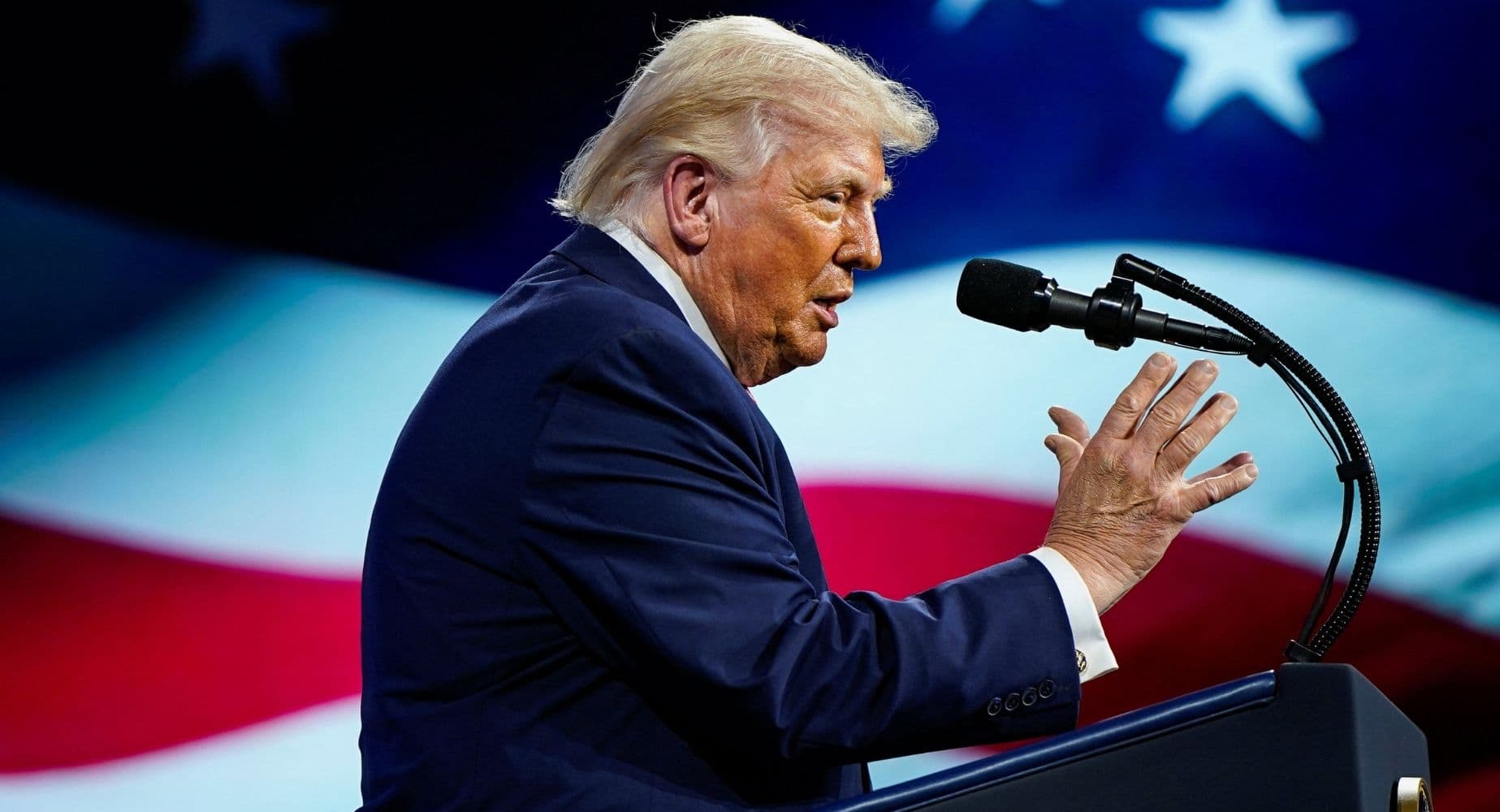
The Trump administration’s approach—marked by increased sanctions and restrictive licensing—continues to shape Cuba’s economic landscape. The recent suspension of critical licenses and tighter controls exacerbate financial hardships, while clandestine diplomacy with insiders around Raúl Castro indicates strategic efforts to influence leadership dynamics.
Simultaneously, the Biden administration’s stance remains cautious, balancing sanctions with engagement efforts, but the overall trajectory suggests continued external pressure unless significant reforms are pursued.
## Final Assessment: A Critical Crossroads
As of now, Cuba’s trajectory remains uncertain. The island’s fragile reforms, infrastructural decay, rising underground dissent, and external pressures create a volatile environment:
- The **decline of tourism and hotel closures like Iberostar Torre K** highlight how infrastructural and energy crises undermine economic recovery.
- The **growing boldness of protests**, exemplified by actions like the PCC site takeover, signals a potential shift toward more active resistance.
- The **geopolitical backing from Russia** and ongoing clandestine diplomacy suggest Cuba’s leadership is seeking strategic resilience amid external hostility.
**In conclusion**, Cuba’s future hinges on whether its leadership can implement genuine, comprehensive reforms—particularly in governance and anti-corruption—and find ways to ease external sanctions. Without such measures, the island risks continued economic decline, social unrest, and potential instability. Conversely, a successful reform path could stabilize the island and set it on a slow but essential course toward recovery, though immense challenges remain.
The coming months will be decisive. The convergence of economic, social, and geopolitical pressures will determine whether Cuba’s crisis deepens or begins to turn toward a more sustainable, if arduous, recovery.