April 17, 2026
Pediatric Endocrine Brief · Apr 17 Daily Digest
Practical Management Strategies
- 🔥 QI for T1D Retention: Pediatrics publishes article on using quality improvement to reduce loss to follow-up...

Created by Soumya Adhikari
Clinical guidelines, device reviews, and research for pediatric type 1 diabetes and endocrine disorders
Explore the latest content tracked by Pediatric Endocrine Brief
Key clinical takeaways for addressing comorbid disordered eating:
Practical QI interventions for clinicians to boost long-term adherence:
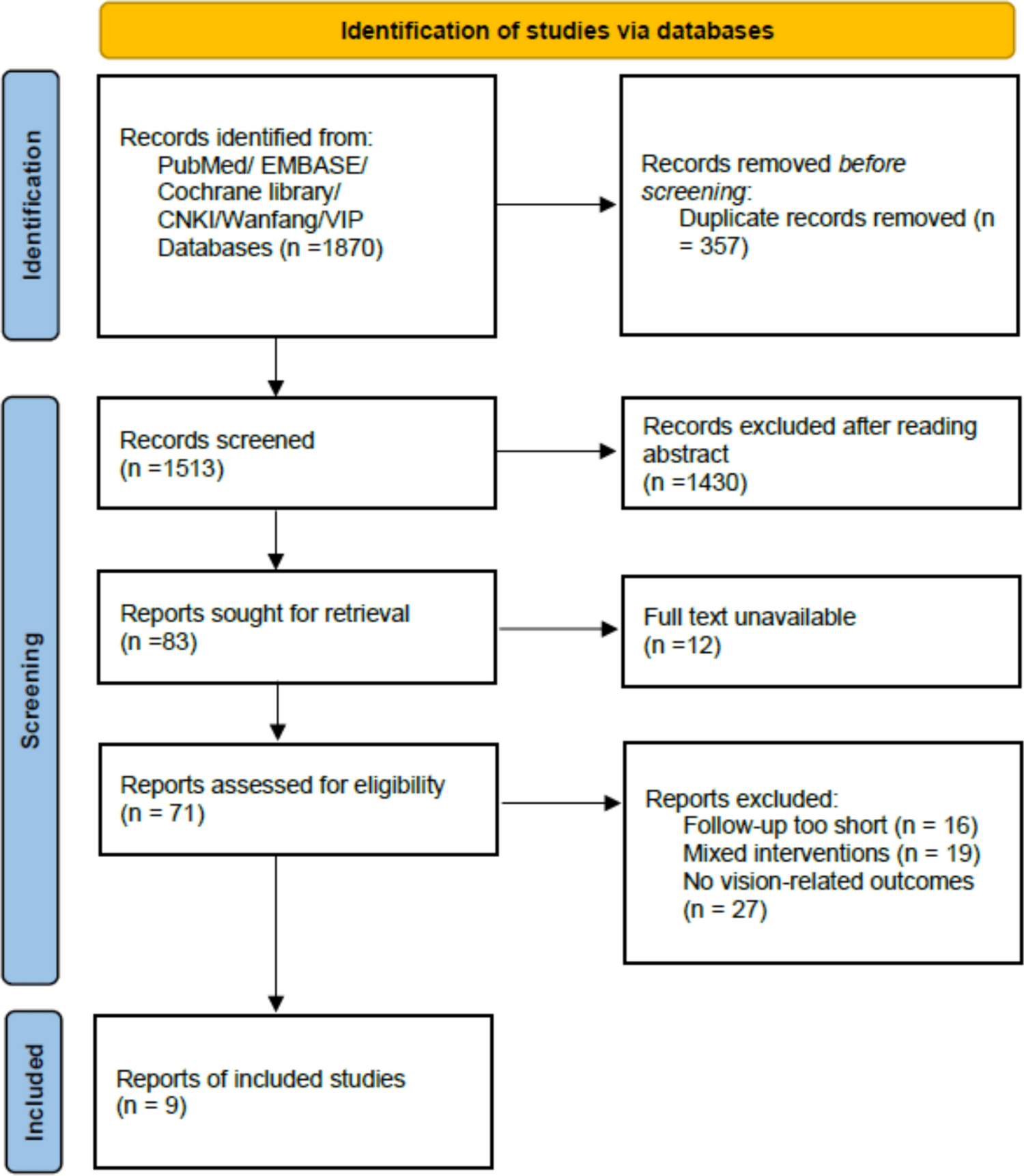
Key ocular findings from meta-analysis of 9 studies (4 RCTs, 5 cohorts) in children with ISS:
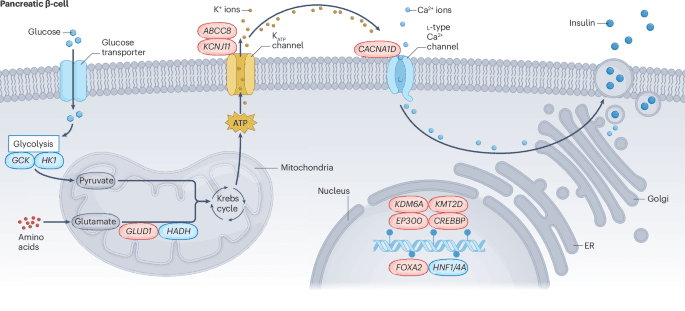
Dozens of unexpected genes are strongly linked to type 2 diabetes, new research from The Jackson Laboratory (JAX) shows. Findings stem from a novel approach with key implications for genetic research.
Alarmingly common CV risks in 17-26yo with pediatric-onset T1D: 17.6% hypertension (≥140/90 mm Hg), 14.0% LDL >130 mg/dL; 49.2% have ≥1 risk...
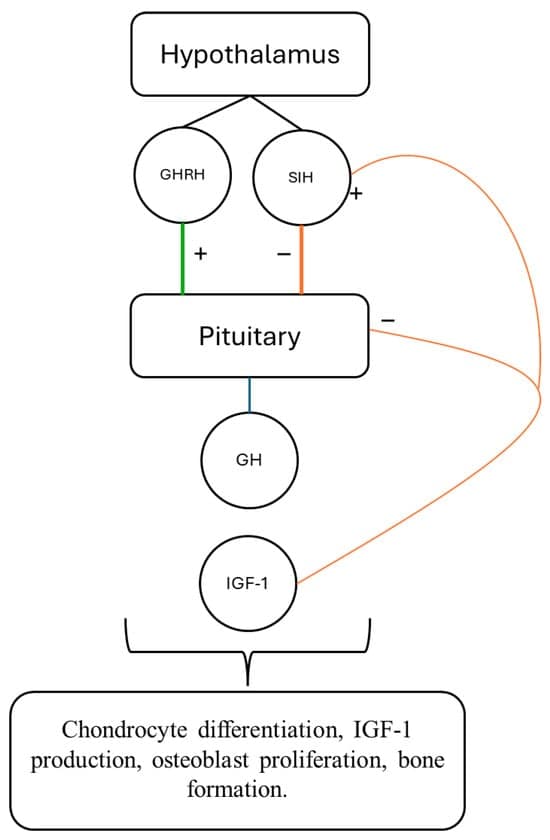
This narrative review identifies clinical, biochemical, and modifiable factors guiding personalized GH therapy in pediatric IGHD:
Rising pediatric chronic pancreatitis in India, like the Delhi 10-year-old's case leading to FCPD diabetes, demands parental vigilance.
Key red...
Key resource for T1D management research:
Key lessons for parents after a T1D diagnosis:
Stable growth doesn't rule out ARFID—key for endocrine assessments. Spot these clinical red flags in picky eaters:
Key practical insights for clinicians from Columbia's LEGACY study:
Overlooked culprits: Mutations in two non-coding RNA genes cause neonatal diabetes in babies under 6 months, an autoimmune form attacking beta cells...
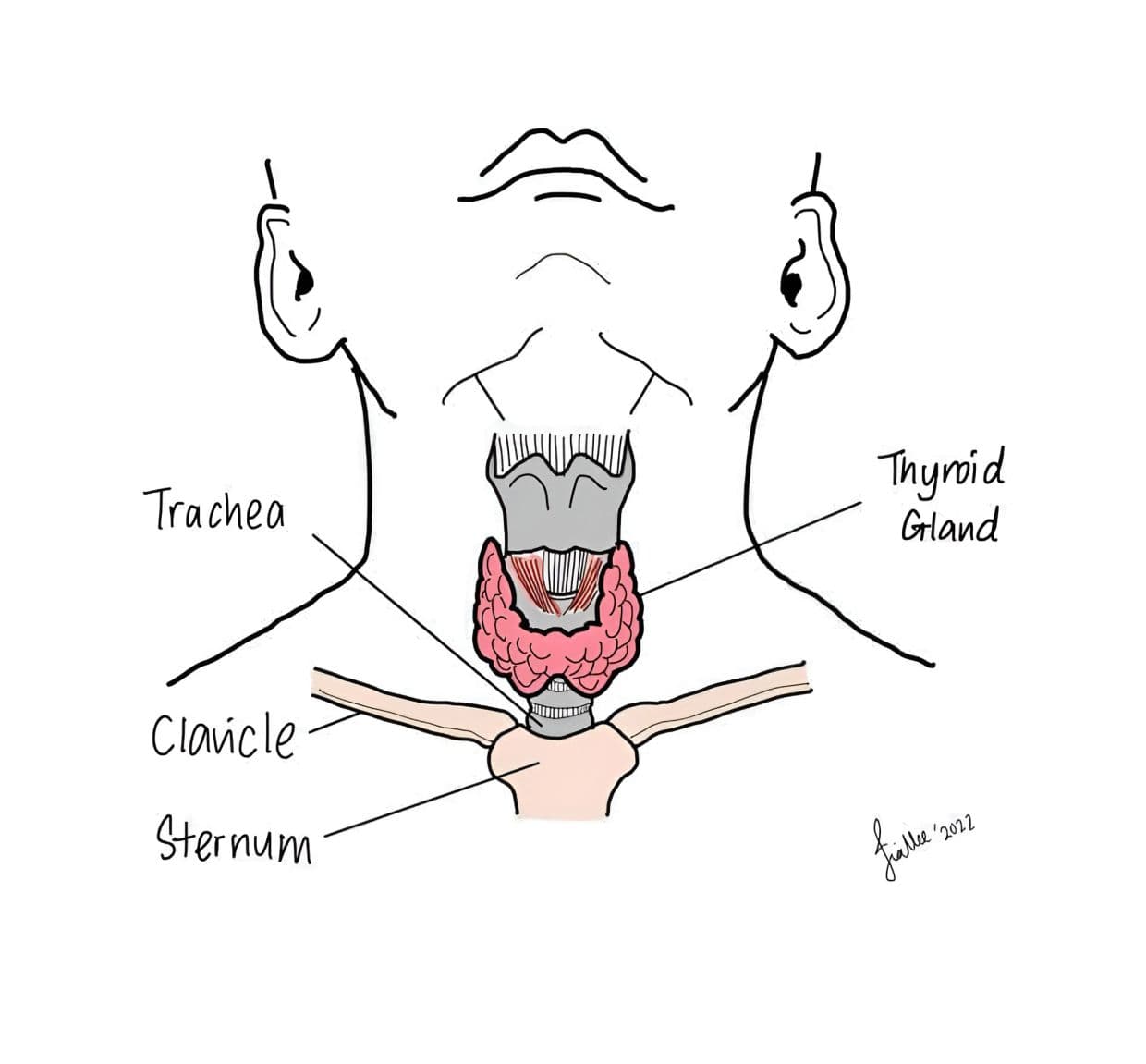
Key symptoms in children: unexplained weight loss, palpitations, irritability, heat intolerance, tremors, goitre, poor concentration. Graves’ disease...