# Clinical Toxicology Insights for Safer Poisoning Diagnosis and Care: Updated Perspectives Amid Rising Overdose and Environmental Toxicity Crises
The landscape of toxicology continues to evolve at a rapid pace, driven by escalating challenges such as the proliferation of synthetic drug adulterants, environmental contaminants, and complex poisoning cases. Recent developments highlight the urgent need for innovative diagnostic tools, enhanced surveillance systems, and comprehensive public health strategies. As these crises deepen, clinicians, public health officials, and communities must adapt swiftly to improve detection, treatment, and prevention—ultimately safeguarding vulnerable populations and enhancing patient outcomes.
## The Overdose Crisis: Rising Threats from Synthetic Opioids and Adulterants
The ongoing overdose epidemic remains a pressing concern globally, now compounded by the infiltration of highly potent synthetic opioids and adulterants. These substances introduce unique diagnostic and therapeutic challenges that demand urgent attention.
### Emergence of Adulterants and Their Clinical Impact
#### Xylazine ("Tranq"): An Escalating Veterinary Drug in Illicit Markets
Xylazine, a veterinary alpha-2 adrenergic agonist, has increasingly been found as an adulterant in illicit drug supplies—particularly in fentanyl-laced products. Its presence complicates overdose management due to its distinctive clinical features:
- **Detection Difficulties:**
Standard immunoassays often **fail to detect xylazine**, necessitating **mass spectrometry-based toxicology**—a resource-intensive method not routinely available in emergency settings. This diagnostic gap delays targeted interventions and may worsen patient outcomes.
- **Clinical Presentation and Management:**
Overdose patients may present with **deep sedation**, **hypotension**, **bradycardia**, and **respiratory depression**. Importantly, **naloxone**—the main antidote—may **only partially reverse** symptoms because xylazine acts on **alpha-2 adrenergic receptors**, outside the opioid pathway.
- **Supportive care** becomes crucial, including **airway management**, **ventilatory support**, and **hemodynamic stabilization**.
- Clinicians should recognize that **symptoms may persist despite repeated naloxone doses**, prompting consideration of **alpha-adrenergic antagonists** (e.g., yohimbine) where appropriate.
#### Novel Synthetic Opioids: Nitazenes and Isotonitazene
Emerging **ultra-potent synthetic opioids** such as **nitazenes** and **isotonitazene** have been associated with recent overdose surges. Their **chemical profiles often escape routine toxicology screens**, and their **extreme potency** causes **rapid, profound respiratory depression**, requiring **specialized testing** and heightened clinical awareness.
### Recent Incidents Highlighting the Overdose Epidemic
A tragic case involved a **4-year-old child in Jackson County** who suffered a **cocaine overdose**, leading to **felony child-cruelty arrests**. This incident underscores the **vulnerability of children** to accidental poisoning and emphasizes the importance of **community awareness**, **safe storage practices**, and **preventive measures**.
> *"The overdose of a young child has prompted law enforcement to act decisively, emphasizing the critical need for safeguarding minors from toxic substances."*
> — Local sheriff’s office statement
This case spotlights the **urgent need for public education** and **community-based prevention** to protect children from environmental and accidental exposures.
### Advances in Detection and Surveillance
To bridge diagnostic gaps:
- **Point-of-care rapid tests** are under development to **detect adulterants like xylazine** directly at the bedside, enabling **quicker, targeted responses**.
- **Expanded mass spectrometry laboratories** now facilitate **comprehensive toxicological profiling**, improving identification of novel substances.
- The integration of **machine learning algorithms**, such as **SHAP (SHapley Additive exPlanations)** models, enhances **prediction of patient deterioration**, supporting **triage** and **early intervention** in overdose cases.
## Environmental and Consumer Product Toxicants: Persistent and Emerging Risks
Beyond illicit drug adulteration, environmental contamination remains a significant concern. Recent studies reveal **heavy metal contamination** in food, water, and consumer products—posing long-term health threats.
### Heavy Metals in Food, Water, and Urban-Grown Produce
- A **2026 study in Istanbul** uncovered **arsenic, lead, and mercury** levels exceeding safety thresholds in drinking water and foods.
- In the United States, certain **rice brands** contain **detectable levels of toxic metals**, prompting regulatory actions such as recalls of arsenic-laden candies.
- **Urban gardening and foraging** in contaminated soils—particularly in industrial zones—pose additional risks due to **bioaccumulation of heavy metals** like **lead** and **cadmium** in plants such as **Moringa oleifera**. Exposure has been linked to **developmental delays**, **hormonal disruptions**, and **growth impairments**.
### Recent Regional Reports and Their Implications
#### Bengaluru Vegetables: High Lead Levels
A recent investigation in **Bengaluru** found **19 out of 72 vegetable samples** from local markets to be contaminated with **lead** at levels exceeding safety standards. This raises concerns about **bioaccumulation in urban produce** and potential long-term health effects, especially among vulnerable groups like children.
> *"Contaminated vegetables from local markets pose a significant health risk, emphasizing the need for stringent monitoring and consumer awareness."*
#### Brazilian Crops and Mining Contamination
A study in **Brazil** revealed **elevated arsenic and lead levels** in bananas cultivated after **mining disasters** contaminated local soils. The **bioaccumulation of toxic metals** in staple crops highlights the **far-reaching environmental impact** of mining spills, which can infiltrate the food supply chain.
> *"Researchers detected arsenic and lead bioaccumulating in staple crops, raising concerns about widespread dietary exposure."*
### Impact on Development and Mental Health
Emerging evidence links **early childhood heavy metal exposure** with **adolescent mental health issues**, including increased risks of **depression** and **behavioral disorders**. This underscores the neuropsychiatric impact of environmental toxins:
> *"Lead exposure during early life can have lifelong consequences, including increased vulnerability to mental health conditions."*
### Heavy Metals in Consumer Products and Traditional Medicines
Recent investigations have uncovered **heavy metal contamination in Ayurvedic and traditional medicines**, with cases like a **37-year-old woman** experiencing neurological symptoms linked to **arsenic, lead, and cadmium** in herbal supplements. Additionally, sporadic contamination of **sachet water** calls for ongoing surveillance and consumer education.
## Diagnostic and Predictive Innovations in Toxicology
Technological advancements are transforming toxicology:
- **Mass spectrometry** now provides **high-sensitivity, multi-analyte detection**, enabling rapid identification of a wide array of toxicants.
- **Point-of-care (POC) testing** for adulterants like **xylazine** and **synthetic opioids** allows **bedside detection**, facilitating **timely intervention**.
- **Machine learning models**, such as **SHAP algorithms**, support **predicting patient deterioration**, **triaging**, and **resource allocation**, thereby **improving clinical outcomes**.
## Organ-Specific Toxicokinetics and Targeted Treatments
A nuanced understanding of how toxins behave within specific organs guides **tailored therapies**:
- **Gabapentinoids** (gabapentin, pregabalin), especially in patients with **renal impairment**, can **accumulate**, leading to **severe sedation** and **respiratory depression**. **Dialysis** has proven effective in removing excess drugs, emphasizing the importance of **dose adjustments** and **monitoring**.
- **Heavy metals** respond well to **chelation therapy**, which reduces long-term health impacts if administered promptly.
- **Targeted antidotes** such as **silibinin** for **Amanita phalloides** mushroom poisoning exemplify the importance of **toxicokinetic knowledge** in developing **effective treatments**.
## Recent Advances in Envenomation and Inflammation Pathophysiology
New mechanistic insights into **snakebite envenomation** are emerging:
### Purified Zymogens and Vascular Injury
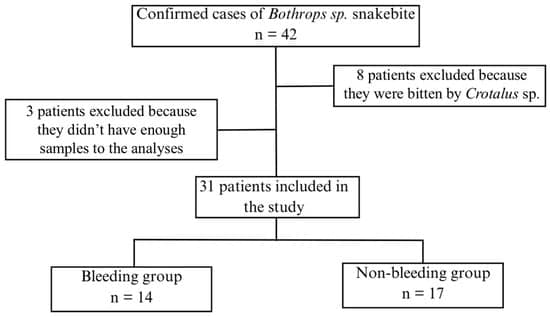
Recent research into **Bothrops snake venom** has shed light on how venom enzymes, particularly **zymogens** (inactive precursors of enzymes), become activated to induce **endothelial dysfunction** and **vascular injury**. A notable study titled **"Purified Zymogens Reveal Mechanisms of Snake Venom Activation and Pathogenesis"** elucidates these processes, opening potential therapeutic avenues:
> *"Understanding how venom zymogens activate and interact with host tissues can inform targeted therapies to mitigate vascular damage."*
### Cytokine-Mediated Inflammation: IL-33 and Endothelial Damage
Another breakthrough involves the role of **IL-33**, a cytokine released during tissue injury. Elevated **IL-33 levels** have been correlated with the severity of **endothelial injury** in **Bothrops bites**, suggesting that **targeting IL-33 pathways** could reduce **vascular complications**:
> *"Serum IL-33 levels serve as a biomarker for endothelial injury severity, and modulating this pathway offers promising therapeutic potential."*
## Public Health Strategies: Surveillance, Harm Reduction, and Education
Effective responses to the multifaceted toxicological challenges involve:
- **Enhanced surveillance systems** leveraging **advanced analytics**, **real-time data**, and **rapid detection tools** for **monitoring emerging substances**.
- **Harm reduction initiatives**, including **fentanyl test strips**, **public education campaigns**, and **safe storage practices**, to prevent accidental exposures and overdoses.
- **Regulatory measures** such as **product recalls**, **accurate labeling**, and **transparency** in drug composition to reduce consumer risks.
- **Clinician training** and **community outreach**—supported by resources like the **"Opiate Overdose & Case Studies"** video—to improve response capacity.
### Correctional Facility Interventions
Recent evidence underscores the importance of **medication-assisted treatment (MAT)** within correctional settings. Studies from **California** demonstrate that implementing **MAT programs** significantly **decreases post-release overdose deaths**, highlighting a critical strategy in **overdose prevention**.
## Protecting Vulnerable Populations: Children and Early Exposures
Infants and children are **especially vulnerable** to environmental toxins:
> *"Analyses of breast milk samples have detected traces of plastics, disinfectants, pesticides, and industrial chemicals, raising concerns over early exposures."*
Early heavy metal exposure correlates with **lifelong developmental and mental health issues**, including **hormonal disruptions** and **behavioral problems**. Strengthening **public health guidance**, **monitoring**, and **preventive measures** is essential to shield these populations.
## Current Status and Future Outlook
The toxicology field confronts an increasingly complex environment characterized by **technological innovation** and **emerging threats**:
- **Enhanced diagnostics** are enabling **rapid detection** of novel adulterants and synthetic opioids.
- **Advanced forensic analytics** improve identification of environmental and synthetic toxins.
- Integration of **predictive analytics** enhances **clinical decision-making** and **early interventions**.
- Public health strategies emphasizing **harm reduction**, **regulation**, and **community education** are vital in mitigation efforts.
Ensuring **widespread access** to **medications for opioid use disorder**—such as **buprenorphine**, **methadone**, and **naltrexone**—remains central to **overdose prevention**.
---
**In conclusion**, as toxic threats become more intricate and pervasive, a **multidisciplinary approach** combining **technological advances**, **robust surveillance**, and **public health initiatives** is essential. Rapid detection, targeted treatments, and community engagement are crucial for mitigating the escalating crises of overdose and environmental toxicity. These efforts will shape a safer, healthier future amid an increasingly complex toxicological landscape.