# How Myanmar’s Turmoil Continues to Reshape Its Economy, Livelihoods, and Global Risks
Myanmar remains a tinderbox of political instability, economic chaos, and regional insecurity. Despite efforts by the military regime to project resilience and legitimacy, recent developments reveal a deeply fractured nation where internal resistance, illicit markets, and external geopolitical pressures intertwine to produce a complex and volatile landscape. The ongoing conflict not only threatens Myanmar’s future but also has profound implications for regional stability and global security.
## Political Resilience Amid Contestation and Escalating Resistance
Contradicting early predictions of imminent collapse, the Myanmar military junta persists in its efforts to maintain control. **Next week**, a new parliamentary session is anticipated, signaling the regime’s attempt to uphold a façade of legitimacy. However, widespread skepticism persists, especially given the contested nature of the elections held under military supervision, which many observers dismiss as lacking credibility. The South China Morning Post recently commented: *“Myanmar’s junta staged an election. It couldn’t stage legitimacy.”*
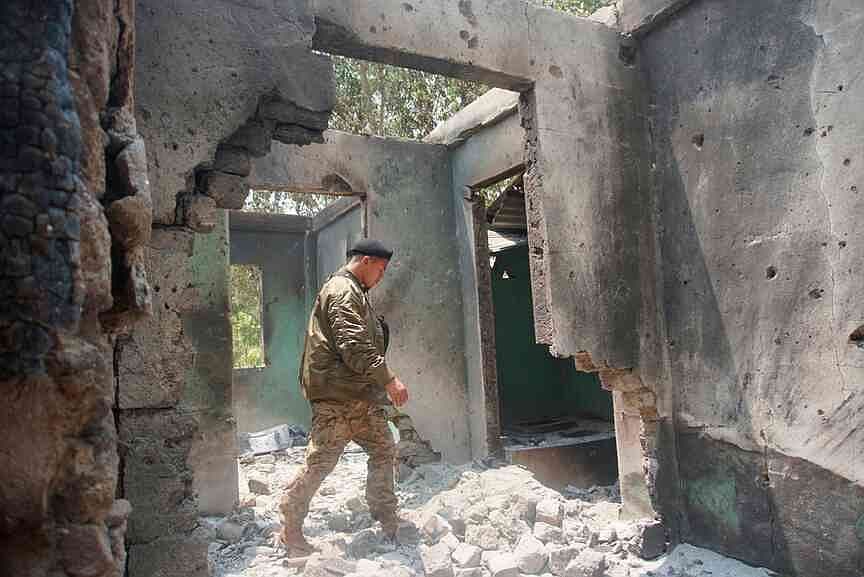
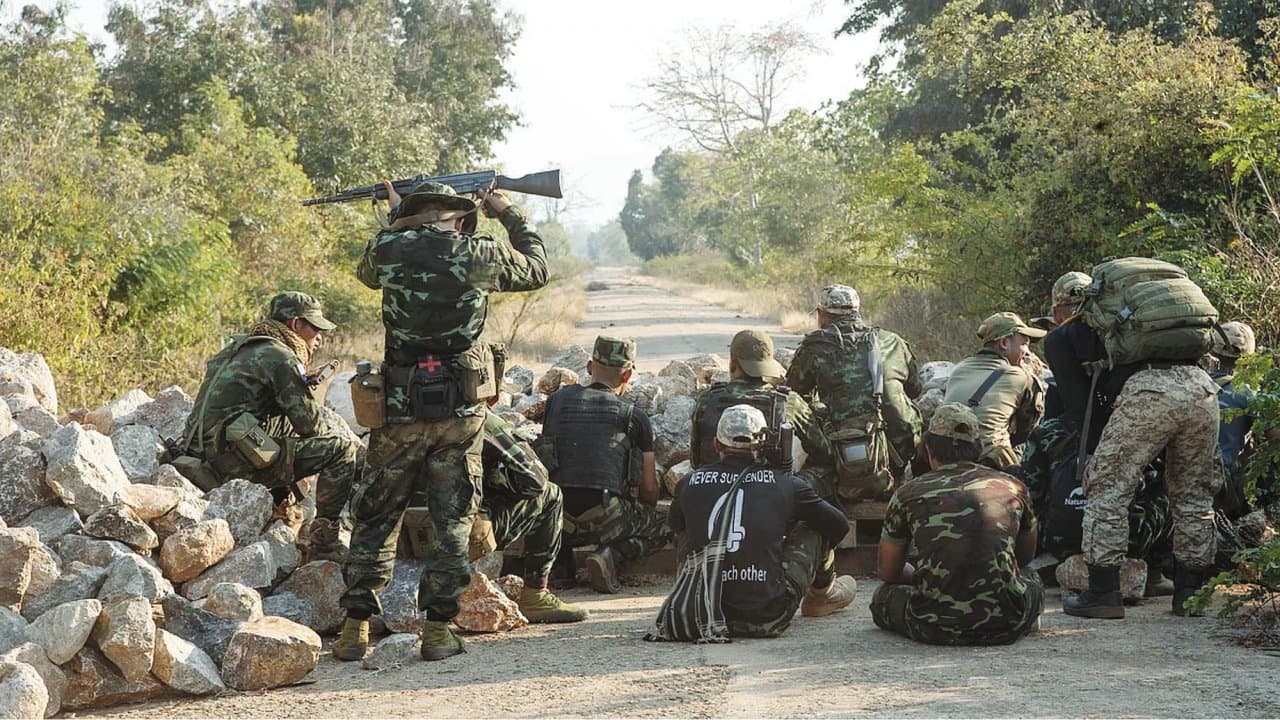
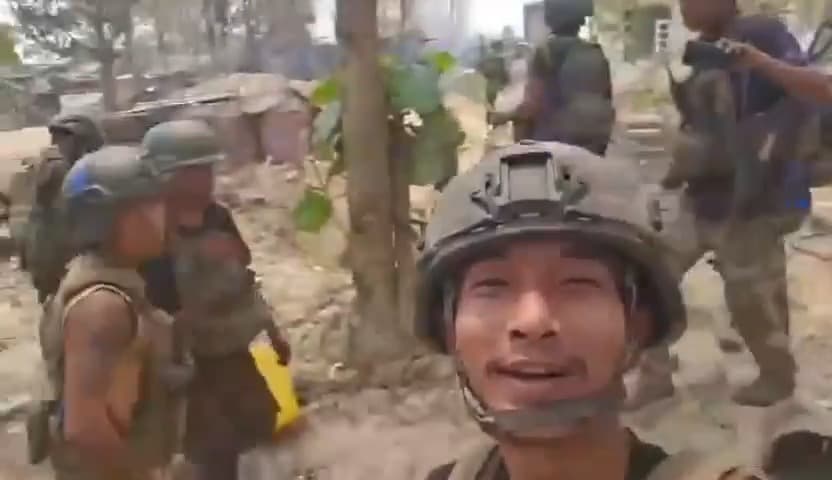
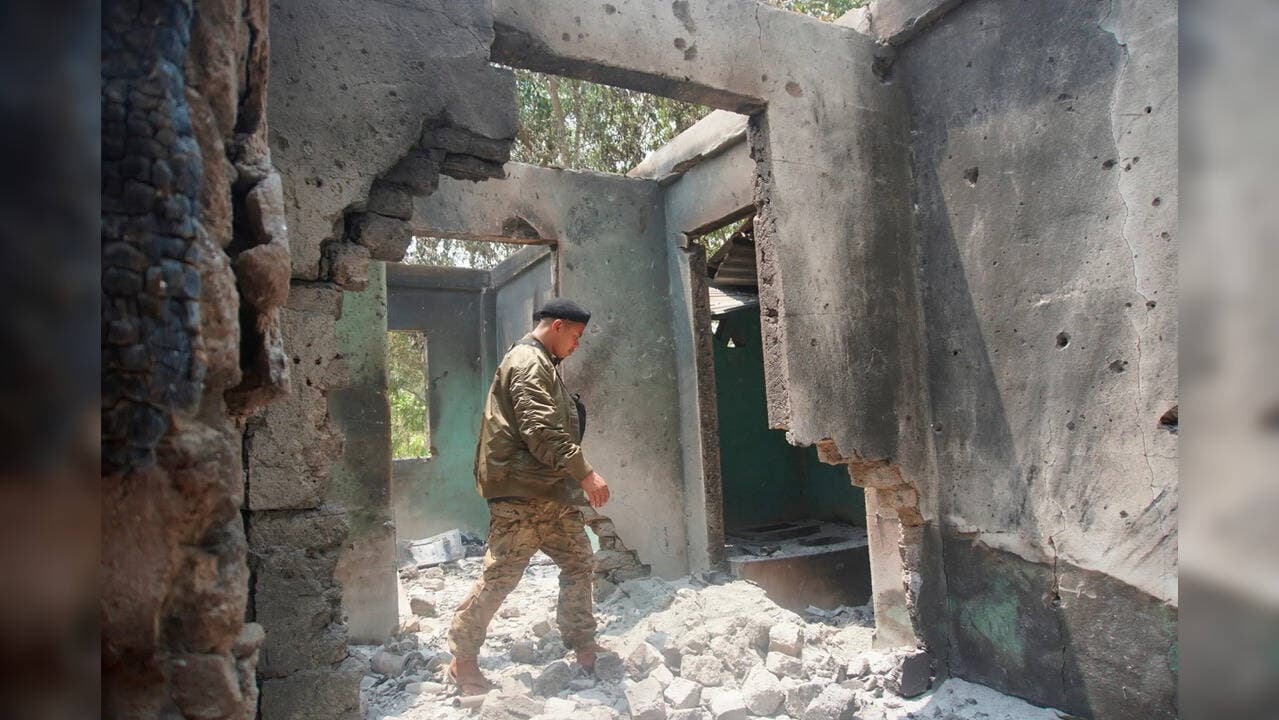
Meanwhile, armed resistance continues to pose a formidable challenge. The resistance forces have gained ground, capturing strategic towns and military posts. For instance, the recent offensive by the Kachin Independence Army (KIA) has resulted in the capture of key posts in the Indawgyi area, marking a significant escalation in the conflict. The **Myanmar Peace Monitor** reports that resistance forces now control **over 92 towns**, demonstrating a persistent and expanding insurgent presence across multiple regions, including Rakhine, Kachin, and Shan states. These gains complicate the junta’s efforts to reassert territorial authority and keep the country in a state of continual upheaval.
## Security Dynamics: Armed Resistance and Territorial Shifts
The security landscape is increasingly fragmented, with resistance groups engaging in offensive operations and territorial control. The recent KIA capture of posts in Indawgyi highlights the resilience and tactical advances of insurgent forces, who are now exerting influence over dozens of towns and strategic corridors. These developments reflect a broader pattern of resistance consolidating control in rural and border regions, further undermining the regime’s authority.
This persistent insurgency hampers any prospects for peace and heightens the risk of prolonged conflict. The ongoing clashes also hinder humanitarian access and destabilize local communities, fueling displacement and insecurity.
## Economic Disruptions Deepen and Elite Capture Expands
Myanmar’s economy continues to deteriorate under the weight of conflict, sanctions, and internal mismanagement. Fuel shortages, inflation, and rising poverty levels are now commonplace, with many citizens struggling to meet basic needs. The country’s dependence on imported fuel has led to shortages, long queues at gas stations, and a booming black market. The junta’s control over fuel distribution has only exacerbated these issues, making illicit trade a vital survival mechanism for many.
Amidst this chaos, the military elite and their families are capitalizing on emerging economic opportunities. The push for electric vehicle (EV) manufacturing—driven partly by import restrictions and fuel shortages—serves a dual purpose: it aims to modernize the economy but also provides a lucrative avenue for the military leadership to enrich themselves and entrench their power. This elite capture widens the economic gap, leaving ordinary citizens in worsening hardship.
Illicit markets, especially drug trafficking, have flourished in the chaos. Remote border regions such as Chin State have become key hubs for methamphetamine production and trafficking routes into northern Thailand. The proliferation of meth labs and trafficking networks is facilitated by the lack of effective governance and ongoing conflict, turning local communities into dependent economies on illegal trade. This illicit activity fuels instability, perpetuates violence, and risks regional spillovers.
## External Pressures and Geopolitical Spillovers
Myanmar’s internal crisis is compounded by external geopolitical factors. The ongoing war in the Middle East and soaring global oil prices—exceeding **$100 per barrel**—have worsened fuel shortages and inflation within Myanmar. The country’s reliance on imported fuel makes it vulnerable to global supply disruptions, sanctions, and regional restrictions.
The junta’s attempts to control fuel markets have resulted in black-market proliferation, further escalating costs for ordinary citizens. Despite the government’s claims of modest economic growth—around **3.4% GDP increase**—these figures mask the widespread hardship faced by the population, especially in marginalized regions like Chin State, which remains severely underserved with inadequate access to electricity, healthcare, and clean water.
**The UN recently issued a stark warning:** *“The war in the Middle East risks exacerbating Myanmar’s fragile situation, fueling further illicit economies, and destabilizing the already volatile border regions.”* This highlights the potential for regional conflicts and global crises to spill over into Myanmar, heightening humanitarian emergencies, expanding illicit trafficking, and diverting international aid.
## Humanitarian and Regional Inequalities
Despite official narratives of recovery, severe regional disparities persist. States such as Chin continue to suffer from neglect, lacking basic services and infrastructure. These inequalities contribute to resentment and provide fertile ground for armed resistance and illicit economies. Displacement, food insecurity, and health emergencies are on the rise, threatening to deepen existing cycles of poverty and marginalization.
The ongoing conflict also triggers humanitarian crises, with increasing displacement and vulnerability. Without targeted intervention, these communities face a bleak future, further entrenching regional inequalities and undermining national stability.
## Outlook: Continued Instability and Cascading Risks
Myanmar’s future remains uncertain. While the regime endeavors to project strength, the reality is that resistance movements are consolidating territorial control, economic hardships are intensifying, and illicit markets are expanding. External geopolitical tensions—particularly the Middle East war and rising oil prices—are likely to deepen the crisis, fueling further instability.
**The recent developments underscore several key risks:**
- Persistent armed resistance and territorial fragmentation threaten any prospects for peace.
- The entrenchment of illicit economies perpetuates violence and regional insecurity.
- Economic hardship and inequality escalate social unrest and humanitarian crises.
- External conflicts and sanctions risk further destabilizing Myanmar’s fragile environment.
Addressing these challenges requires a coordinated international effort that goes beyond superficial engagement. Restoring political legitimacy, tackling economic inequalities, and curbing illicit markets are critical steps toward stabilizing Myanmar. Without such concerted action, the country remains at risk of slipping further into prolonged conflict and regional destabilization.
---
**In summary**, Myanmar’s turmoil is not only reshaping its internal economy and society but also altering the geopolitical landscape of Southeast Asia. The resilience of resistance forces, the expansion of illicit markets, and external pressures collectively threaten to entrench instability, making Myanmar a pivotal concern for regional and global security in the years ahead.