# Widespread Cold, Snow, and Hazardous Commuting Conditions Persist as the Historic Winter Storm Extends Into Its Second Week
The relentless winter storm and Arctic blast gripping eastern North America continues to deliver unprecedented and severe conditions, now entering its second week with intensified impacts. From record-breaking cold temperatures and relentless snowfall to layered coastal storms and widespread infrastructure disruptions, communities across Canada and the United States remain in crisis mode. The extended duration of this event underscores the urgent need for sustained preparedness, adaptive strategies, and resilient communities amid extreme winter weather.
---
## Major Regional Impacts and Latest Developments
### Eastern Canada: Montreal and Québec Under Severe Strain
Montreal remains a focal point of emergency response as the ongoing winter chaos persists. Over the past 24 hours, an additional **20 centimeters (8 inches)** of snow has fallen, swelling an already massive snowpack that continues to challenge transit and mobility. The **public transit system**, including the REM light rail lines, faces **widespread shutdowns** due to icy patches, drifting snow, and blocked roads. Residents are strongly advised to **limit non-essential travel**.
Power outages are widespread, affecting thousands of households. Utility crews are working tirelessly, yet **forecasts extending into January 17** suggest these outages and delays could continue through the weekend. The **biting cold temperatures**, with **temperatures plunging well below freezing** and **dangerous wind chills**, slow repair efforts and complicate rescue and recovery operations, prolonging infrastructure disruptions.
Similarly, **Québec City** and surrounding areas are enduring extreme cold and persistent snowfall. Authorities have issued **extreme cold alerts** and **freeze warnings**, emphasizing the dangers of frostbite and hypothermia, especially among vulnerable populations. Wind chills are reaching **dangerously low levels**, making outdoor rescue, cleanup efforts, and emergency response increasingly hazardous.
### Winnipeg and the Northern Plains: Bitter Cold and Blowing Snow
In Winnipeg, wind chills are approaching **-25°F (-32°C)**, creating **life-threatening exposure risks**. Similar conditions persist across the Northern Valleys and Midwest, where **blowing snow** and **bitter cold** threaten outdoor workers and vulnerable populations. Community support networks are activated to assist those in need, and residents are urged to **limit outdoor activity** and **prioritize indoor safety**.
### Widespread Hazards Across the United States
The storm's extensive reach results in layered hazards across multiple regions:
- **Mid-Atlantic (Delaware, Delmarva Peninsula):** Temperatures are in the low to mid-30s, with ongoing snow forecast through the weekend. A **developing coastal storm** is expected to impact the region from tonight through Sunday, bringing **gusty winds, additional snowfall, and icy conditions** along Atlantic coastlines. Power outages and hazardous travel conditions remain significant concerns.
- **Chicagoland and New England:** **Blizzard warnings** are in effect across parts of Illinois, Indiana, and northeastern states. Heavy snow accumulation, **reduced visibility**, and slick roads are causing widespread delays, cancellations, and closures. The **St. Lawrence River Valley** faces **more intense snowfalls** and poor visibility, escalating accident risks and hampering emergency response efforts.
- **Northern Midwest and Midwest:** **Wind chills** are approaching **-25°F (-32°C)**, creating **life-threatening exposure risks**. Authorities emphasize **dressing warmly**, **limiting outdoor activities**, and **checking on neighbors**, especially vulnerable populations, to prevent cold-related injuries.
### Emerging Hazards and Unusual Cold Events
- **Georgia:** An **ice storm threat** is rapidly developing. Officials have issued **urgent warnings**, cautioning residents to **prepare for widespread ice accumulation** that could cause **power outages** and **treacherous roads**. The icing of power lines and roadways poses a serious threat to transportation and safety across the region.
- **Ontario (Waterloo, Québec City, Toronto, Ottawa):** Forecasts now call for **significant snowfall** paired with **biting cold wind chills**. Residents should prepare for **snowy days** with **gusty winds**, which make outdoor activities hazardous:
- **Waterloo (January 25, 2026):** Expect a **snowy day** with **gusty winds** and **feels-like temperatures much colder**.
- **Québec City:** Continues to face **heavy snow and extreme cold alerts**.
- **Toronto (January 23, 2026):** Preparing for **snow, wind, and bitter cold**, with persistent snow showers and gusts.
- **Ottawa:** Anticipates **snow showers**, **gusty winds**, and **highs around 15°F (-9°C)**, further complicating outdoor activities.
- **North Carolina High Country:** Mountain regions remain blanketed with snow, with **multi-day power outages** threatening residents and travelers. Rugged terrain hampers repair efforts, delaying rescue and recovery.
- **South Louisiana and Tangipahoa Parish:** Emergency officials have **opened additional warming shelters** to protect vulnerable residents from extreme cold. Power disruptions and exposure risks continue to threaten the community’s most vulnerable populations.
### New Developments: Coastal Storms and Unusual Cold Events
Forecast models now indicate that the **storm system will stay active into the weekend**, with **additional snowfall expected in the Hudson Valley and southern New England—up to 2 to 5 inches** on Saturday.
> **Title: Coastal Storm Brushes Delmarva Tonight–Sunday, Some Snow Far South, Gusty Winds for All**
> DELMARVA — The peninsula remains in deep freeze with increasing clouds and afternoon highs in the teens. A **developing coastal storm** is forecast to deliver **gusty winds, more snow, and icy conditions** along Atlantic coastlines. Residents are advised to prepare for **possible power outages** and worsening travel conditions as the system interacts with the Arctic cold.
Recent model updates, including insights from the *Weathering Winter Forecast* released on January 31, 2026, confirm that **conditions will remain severe into early next week**. These forecasts warn of **persistent cold**, **additional snowfalls**, and the potential for **refreezing**, which could prolong hazardous travel and outage durations.
---
## Unprecedented Cold Extending into the South and Southeast
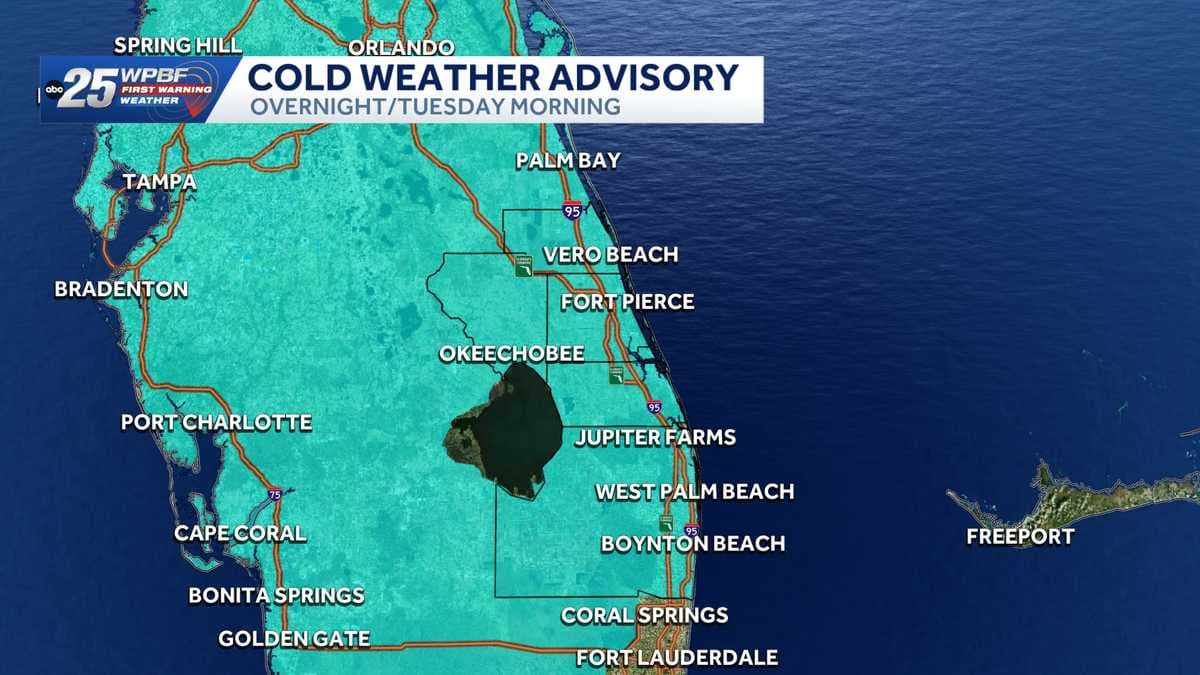
One of the most striking aspects of this storm is the **Arctic cold reaching regions typically immune to such extremes**. Central and southern Florida—including **Orlando**—are experiencing **historic cold temperatures**. Reports from FOX 35 Storm Team and local sources depict **widespread frosts, frozen infrastructure, and power outages**. This rare cold snap is damaging infrastructure and threatening residents, animals, and agriculture—highlighting a **rare event for such a mild climate zone**.
Specifically, **Orlando's forecast lows** around **38°F (3°C)**, coupled with widespread frosts and frozen pipes, have prompted emergency measures and alerts. The cold outbreak is unprecedented for the region, forcing local authorities to activate **additional warming centers** and issue **public safety advisories**.
### Notable Local Disruptions
- **Cabarrus County Schools** and **Kannapolis City Schools** will **shift to remote learning on Wednesday**, as icy roads and hazardous conditions persist.
- **Louisville** and **East Tennessee** report ongoing snow accumulations and travel delays, disrupting daily routines and emergency responses.
### Community and Emergency Response
Across affected regions, authorities continue **activating emergency warming centers** and **shelters**:
- Cities like **Memphis** are mobilizing **emergency warming stations** to shelter residents from the extreme cold forecast through the weekend.
- Towns such as **Taft** and **Beeville** operate **free shelters** to shield vulnerable populations from dangerously low temperatures.
Utility crews remain **deployed in full force** to manage ongoing outages in Montreal, Winnipeg, Georgia, and elsewhere. Despite these efforts, **recovery remains hampered** by persistent winter weather, icy roads, and prolonged cold temperatures.
---
## Regional Highlights and Alerts
- **Western New York:** Multiple severe weather alerts persist as **two massive Arctic fronts** sweep through, bringing heavy snow, bitter cold, and dangerous wind chills. Continued snow and refreezing could complicate travel and emergency efforts.
- **Cleveland:** Today remains **cold but relatively quiet**, with **single-digit to low teens temperatures**. However, **accumulating snow is forecasted Friday**, likely impacting travel and outdoor activities as the storm system moves through the Great Lakes.
- **Canton, NY:** A **severe weather alert** remains in effect, with heavy snow, freezing rain, and hazardous travel conditions expected through the weekend. Rugged terrain and ongoing winter weather pose additional risks, prompting local authorities to advise caution and preparedness.
---
## Short-Term Outlook and Community Preparedness
Forecast models project **continued heavy snowfall, gusty winds, refreezing hazards, and persistent cold** into early next week. The **10-day outlook** for regions like Canandaigua, NY, and surrounding areas indicates ongoing unsettled weather, including **periodic snow showers and potential refreezing events**.
**Implications include:**
- Extended power outages and infrastructure strain
- Prolonged hazardous travel conditions
- Increased risk of cold-related injuries among vulnerable populations
Authorities emphasize the importance of **personal preparedness**, **checking on neighbors**, and **utilizing warming centers**. Residents are advised to stay informed via official updates, avoid unnecessary travel, and ensure they have supplies to withstand ongoing cold and winter conditions.
---
## Current Status and Broader Implications
This historic winter storm remains active, with **heavy snow, dangerously low temperatures, poor visibility**, and **refreezing hazards** persisting across eastern North America. While localized improvements may occur, **hazardous conditions are expected to extend into early February**, impacting transportation, utilities, and public safety.
The storm’s extensive reach—from Canada through the U.S. Midwest and Southeast—underscores the **growing volatility of climate extremes**. It highlights the **critical need for resilient infrastructure**, **robust emergency response plans**, and **community resilience strategies** to cope with these extraordinary events.
---
## Recent and Notable New Article: Cold Weather Advisories and Freeze Warnings for South Florida
### Cold Weather Advisories and Freeze Warnings for South Florida
Amid the ongoing storm, **South Florida—including Orlando—has experienced a rare and significant cold outbreak**. Local authorities have issued **freeze warnings and cold weather advisories**, a phenomenon seldom seen in this typically warm region.
**Key details:**
- **Orlando's lows** are forecast around **38°F (3°C)**, leading to widespread frosts and dangerous conditions.
- Infrastructure such as **frozen pipes** and **damaged power lines** are reported across the area.
- Emergency officials have **activated warming centers** and **public safety advisories** urging residents to take precautions against frostbite and hypothermia.
- The cold snap has caused damage to agriculture and disrupted daily routines, with some schools shifting to remote learning to avoid travel on icy roads.
This unusual cold event emphasizes the **extraordinary reach of this Arctic outbreak**, affecting regions unaccustomed to such extreme cold. The situation continues to evolve, with authorities monitoring conditions and preparing for potential further impacts.
---
## Final Remarks and Implications
As this historic winter storm persists, residents across the affected regions must remain vigilant and prepared. The combination of **persistent snow**, **dangerous cold**, **layered coastal storms**, and **refreezing hazards** demands ongoing caution. Authorities urge everyone to **monitor official updates**, **limit travel**, **check on neighbors**, and **utilize shelters and emergency resources**.
This prolonged storm exemplifies the **increasing severity and geographic reach of climate-driven extreme weather events**. It underscores the importance of **resilient infrastructure**, **community cooperation**, and **proactive planning** to withstand these extraordinary conditions.
**Stay safe, stay informed, and prioritize safety during this ongoing and severe winter storm.**