# Rising US-Israel Confrontation with Iran Sparks Escalating Regional and Global Turmoil
The Middle East stands at a perilous crossroads as tensions among Iran, the United States, and Israel intensify into a multifaceted confrontation with profound regional and global repercussions. Recent developments reveal a dangerous escalation involving direct military strikes, maritime clashes, proxy warfare, and complex diplomatic maneuverings—all threatening to ignite a broader regional war that could destabilize energy markets and shift geopolitical balances.
---
## Escalation of Military Actions and Frontline Developments
The conflict has moved beyond traditional proxy skirmishes into direct military engagements, with the U.S. and Israel actively targeting Iranian military infrastructure. Precision missile and drone strikes have targeted Iranian missile depots, command centers, and energy facilities, aiming to weaken Iran’s military capabilities and disrupt its economic stability.
### Key Recent Events:
- **Maritime confrontations:** Iranian minelaying ships have deployed mines along strategic waterways, notably near the Strait of Hormuz. The U.S. Navy has responded with strikes to neutralize these threats, underscoring fears of a wider maritime conflict that could choke Gulf shipping lanes and threaten global oil supplies.
- **Attacks on energy infrastructure:** The recent attack on Saudi Aramco facilities—suspected to be partly orchestrated by Mossad covert operations—has caused significant damage to vital oil production sites, leading to partial shutdowns. This incident has compounded fears of prolonged energy disruptions, pushing global oil prices higher and raising concerns over economic stability worldwide.
- **Iran and proxies’ retaliations:** Iran, along with regional allies such as Hezbollah and Shi’ite militias in Iraq and Yemen, have responded with missile launches, shelling, and efforts to disrupt Gulf shipping. These clandestine networks are reportedly coordinating attacks across Lebanon, Iraq, Syria, and the broader Gulf region, escalating proxy warfare.
Adding another layer of complexity, Iran publicly accuses Israel’s intelligence agency Mossad of orchestrating covert drone strikes against Saudi oil infrastructure. Tehran frames these acts as part of a broader destabilization campaign, warning that retaliation will continue and intensify.
### Frontline Exchanges and Escalating Violence:
- **Lebanon:** Hezbollah and Iran-backed groups along the southern border have engaged in exchanges of fire, raising the risk of a broader regional conflict.
- **Iraq and Syria:** Iranian forces have launched sporadic missile and artillery strikes, further entangling the conflict.
- **U.S. military assets:** Several American bases and vessels have sustained damages; notably, the Pentagon confirmed the loss of a refueling aircraft following Iranian strikes—highlighting the conflict’s expanding scope.
---
## Diplomatic Reactions and International Responses
The rapidly escalating crisis has prompted varied international reactions, reflecting deep concerns over regional stability:
- **Russia’s stance:** Moscow sharply criticizes U.S. actions, emphasizing that “it is impossible to ignore the role of the United States” in fueling instability. Maria Zakharova, Russia’s Foreign Ministry spokesperson, accused Western nations of destabilizing the region and warned against further escalation. Historically distrustful of Western motives, Russia’s approach is rooted in its strategic interests, which include maintaining influence with Iran and Syria, and positioning itself as a potential mediator rather than a mere bystander.
- **UN Security Council:** The Council issued a resolution condemning Iran’s recent attacks and urging restraint. However, divisions persist, with some members advocating for increased sanctions, while others emphasize dialogue and de-escalation. The inability to reach consensus underscores the geopolitical fault lines shaping the crisis.
- **Global energy markets:** Oil prices remain volatile, with persistent disruptions to Gulf energy infrastructure and shipping lanes. Prolonged instability could sustain high prices, threatening economic growth worldwide.
- **China’s diplomatic efforts:** Beijing’s Middle East envoy is actively mediating, aiming to prevent further escalation. China’s role signals its interest in stabilizing energy supplies and expanding diplomatic influence in the region, positioning itself as a potential broker amid the chaos.
---
## New Developments and Their Significance
Recent events have added new dimensions to the crisis:
- **U.S. Navy minesweeper redeployments:** The U.S. has shifted some minesweeper units, such as the USS Tulsa and USS Santa Barbara, from the Middle East back to the Pacific. This reduction in regional mine-countermeasure capacity complicates maritime security efforts, leaving Gulf shipping lanes more vulnerable to Iranian mine threats and increasing the risk of unintended escalation.
- **Iran’s diplomatic signals:** Iran publicly denies responsibility for some recent oil attacks, notably the assault on Saudi Aramco facilities, while calling for a “serious review” of its ties with Arab Gulf states. This nuanced stance suggests Iran may be seeking diplomatic openings or strategic signals to de-escalate tensions—though its actions remain provocative.
- **Proxy warfare on multiple fronts:** Despite diplomatic overtures, proxy groups continue launching missiles and conducting attacks across Lebanon, Iraq, Syria, and Yemen, keeping regional violence intense. The risk of miscalculation remains high, with the potential for these conflicts to spill into wider regional war.
### Broader Implications:
- **Regional instability:** The combination of direct military clashes, proxy warfare, and maritime threats risks spiraling into a full-scale conflict involving major regional and global powers.
- **Energy security concerns:** Continued disruptions threaten global oil supplies, with prices potentially soaring if the conflict persists or expands.
- **Great-power maneuvering:** Russia’s opposition to U.S. and Israeli actions and China’s mediation efforts highlight the broader geopolitical contest, where influence is being contested through diplomacy, military support, and strategic signaling.
---
## Current Status and Future Outlook
The conflict remains highly volatile, with multiple active frontlines:
- **Maritime security:** Iranian attempts to disrupt shipping lanes persist, with U.S. naval forces responding decisively. The redeployment of minesweepers to the Pacific diminishes regional maritime security capacity, raising concerns about unchecked Iranian mine-laying activities.
- **Proxy hostilities:** Clashes in Lebanon, Iraq, Syria, and Yemen continue, with the risk of escalation into broader warfare. The ongoing attacks on energy infrastructure and shipping lanes keep global markets on edge.
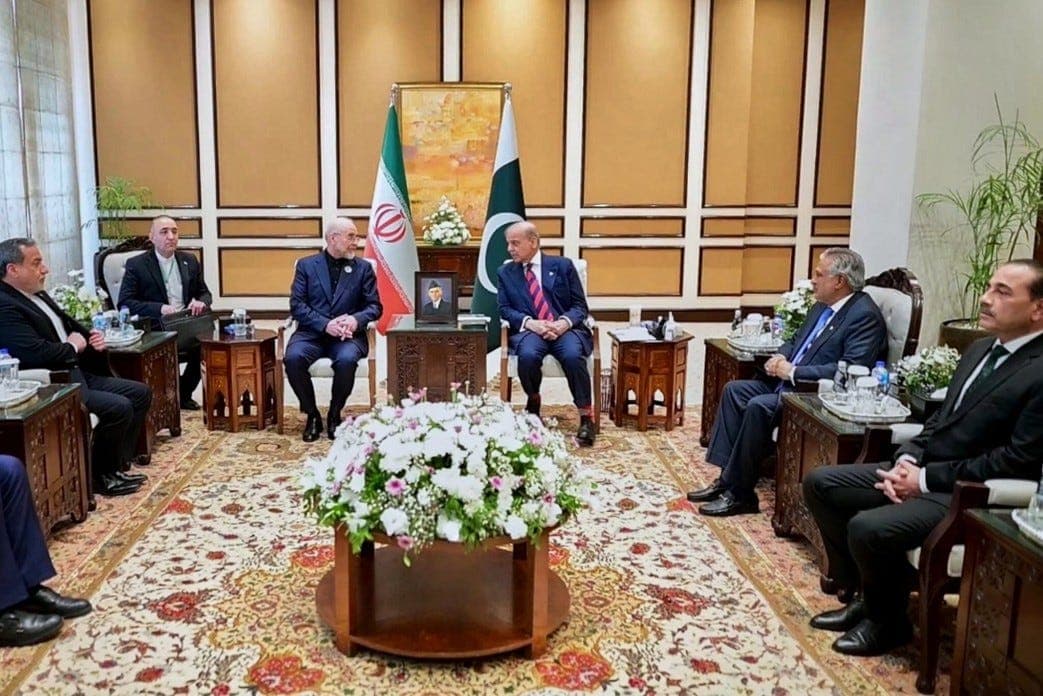
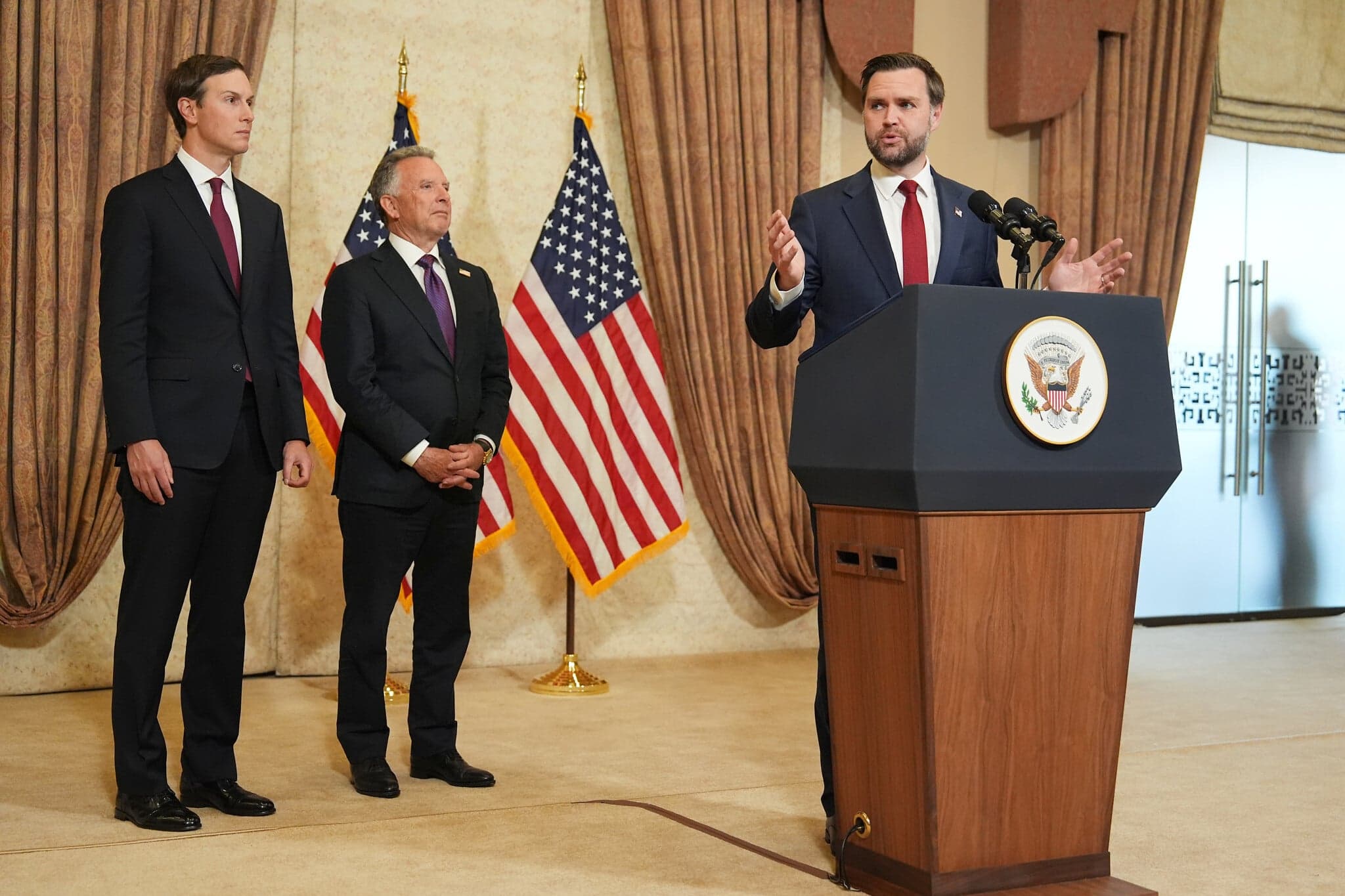
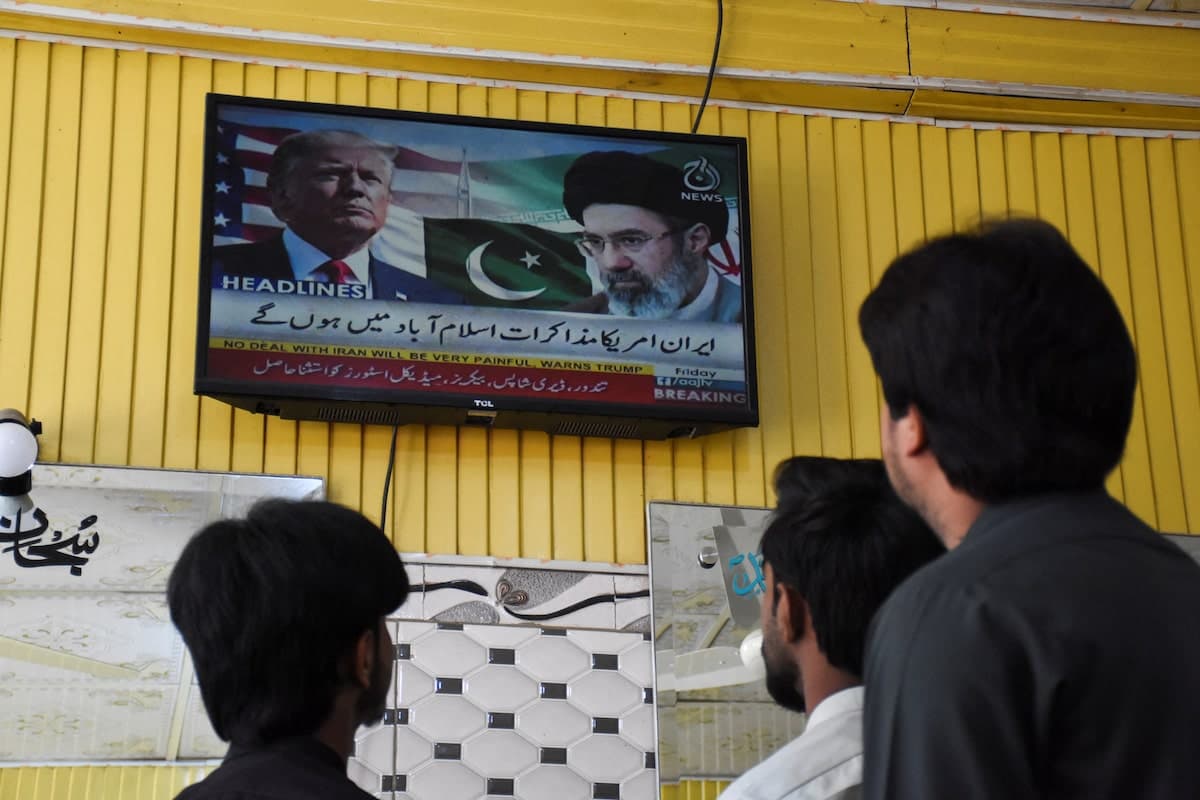
- **Diplomatic efforts:** While negotiations and mediations—particularly by China and Russia—are ongoing, mutual distrust, military clashes, and strategic interests complicate de-escalation prospects. The divided stance of international actors underscores the difficulty in forging a unified path toward peace.
---
## Conclusion
This unfolding crisis underscores the fragile state of peace in the Middle East. The escalation of direct military actions, proxy warfare, maritime tensions, and geopolitical rivalries creates a volatile environment where miscalculations could rapidly escalate into a regional or even global conflict. With global energy markets already jittery, the stakes are high: whether diplomatic efforts can stem the tide of violence or whether this crisis spirals further into chaos remains to be seen. The coming days will be decisive in shaping the future trajectory of this perilous confrontation—one that could redefine regional power dynamics and threaten international stability for years to come.