# Escalating Lebanese Front and Shifting Iranian Proxy Strategy Deepen Regional Crisis
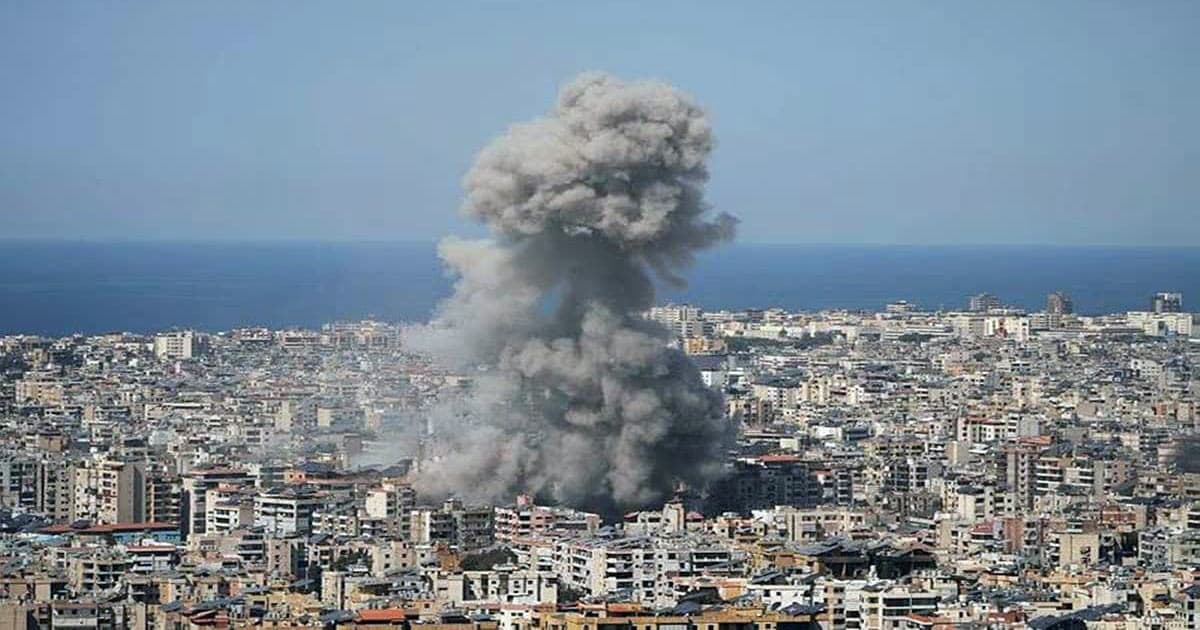
The Middle East’s geopolitical landscape has entered a dangerously volatile phase, with Lebanon emerging once again as a critical battleground in the escalating Iran–Israel confrontation. Recent developments reveal a profound transformation in Hezbollah’s military posture, supported by Iran’s strategic proxy operations, advanced weaponry, and aggressive messaging. These moves threaten to ignite a broader regional conflict, with implications extending beyond Lebanon’s borders into the wider international arena.
## Hezbollah’s Tactical Resurgence: From Deterrence to Active Combat Readiness
Hezbollah, once primarily a deterrent force, has markedly shifted toward active combat preparedness. Intelligence assessments and field reports confirm the group’s extensive efforts to enhance its operational capabilities:
- **Fortified border defenses**, including extensive tunnel networks designed for rapid infiltration, ambushes, and asymmetric warfare, exploiting Lebanon’s rugged terrain to complicate Israeli responses.
- **Deployment of mobile units** trained in guerrilla tactics, hit-and-run attacks, and sabotage, increasing their readiness for immediate engagement.
- **Enhanced weapon capabilities**, notably the deployment of *cluster munitions* supported by Iran—marking a strategic move toward more destructive and aggressive tactics.
Hezbollah's intensified military posture aims to deter Israeli ground advances by making any invasion costly and prolonged, thereby stretching Israeli military resources and morale. A Lebanese government minister publicly underscored Iran’s critical support, stating, **“Cutting off the Iranian lifeline to Hezbollah is critical,”** highlighting Iran’s pivotal role in enabling Hezbollah’s hardened stance.
Adding to this escalation, Hezbollah’s leadership publicly signals preparedness for a **“long confrontation”** with Israel, reflecting a strategic shift toward sustained conflict rather than quick deterrence. According to recent statements, Hezbollah is positioning itself for an extended asymmetric warfare campaign, signaling a potential protracted regional struggle.
## Iran’s Proxy Strategy: Balancing Restraint and Calculated Aggression
While Hezbollah’s active escalation garners widespread attention, Iran’s broader proxy network demonstrates a nuanced, strategic approach. Several proxies—including Iraqi militias and Yemeni Houthis—appear to be maintaining a cautious stance, possibly due to internal vulnerabilities or a desire to avoid regional overreach.
**Key elements of Iran’s current proxy strategy include:**
- Continued utilization of **cost-effective tools** like *Shahed drones*, which Iran employs for targeted strikes against Israeli and regional assets, minimizing risk and resource expenditure.
- Ongoing **drone attacks in Iraq**, including recent strikes targeting infrastructure such as radar installations at the Majnoon oil field in Basra, illustrating Iran’s capacity to exert multifront pressure without deploying large-scale ground forces.
- **Strategic restraint** with other proxies, likely intended to prevent overextension while retaining the capacity for selective escalation when deemed necessary.
Iran’s military activities are increasingly extending beyond Lebanon. Reports indicate heightened confrontations and threats against U.S. forces, exemplified by Iranian missile tests and offensive operations, signaling Iran’s readiness to escalate militarily if provoked. These actions underscore a calculated approach: Iran aims to maintain pressure across multiple fronts while avoiding full-scale conflict unless vital interests are threatened.
## Recent Developments Amplify Regional Tensions
Several recent incidents underscore the expanding scope of Iran’s strategic threats and regional instability:
- **Iran’s intensified offensive actions**, including strikes targeting U.S. military sensor networks and bases. Notably, a *refueling tanker*—a U.S. KC-135—crashed over Iraq amid Iran’s offensive operations, exemplifying the high risks of miscalculation or accidental escalation.
- **Diplomatic confrontations at the United Nations**, with Israel’s UN envoy accusing Iran of attempting to **“globalise”** the conflict, warning that Iran seeks to extend its influence and destabilize the international order.
- **Gulf states’ heightened alertness**, with Iran releasing a provocative video titled **“Iran’s Stark Warning to Gulf States — Choose America or Your Oil in 48 Hours,”** signaling readiness to escalate if regional interests are challenged.
- **China–Iran missile cooperation** has garnered significant attention. Recent reports and a *Gravitas* video reveal close collaboration on advanced missile systems capable of sinking U.S. warships. This cooperation could significantly alter naval and strategic balances, potentially sparking a new arms race and regional destabilization.
### New Signals and Strategic Calculations
In addition to these developments, public statements from Hezbollah leadership reveal a readiness for prolonged conflict. A recent video features Hezbollah’s chief explicitly stating the group’s preparedness for a **“long confrontation”** with Israel, emphasizing their intent to sustain military operations over an extended period.
Furthermore, analysts are raising concerns about Iran’s potential geographic expansion of conflict beyond the Levant. A recent *Ahram Online* analysis explores the possibility of Iran extending hostilities into the Horn of Africa, leveraging its strategic alliances and proxy networks in the region. Such a move would further complicate regional stability and deepen the crisis.
## Humanitarian and Security Implications
The ongoing violence exacerbates humanitarian crises across Lebanon and neighboring countries. The escalation results in:
- **Massive displacement and infrastructure destruction**, hampering relief efforts and aggravating civilian suffering.
- **Regional destabilization**, with the potential to spill into Israel and Gulf states, increasing the risk of a wider war.
- The *Council on Foreign Relations* warns that **“the Iran war is breaking global humanitarian aid efforts,”** as hostilities hinder relief operations, leaving vulnerable populations exposed to shortages, displacement, and deteriorating conditions.
## Current Status and Forward Trajectory
Lebanon remains at the epicenter of this increasingly complex crisis. Hezbollah’s tactical evolution—supported by Iran’s strategic messaging and military support—continues to pose a grave threat. The deployment of *Shahed drones* for targeted strikes, along with Hezbollah’s tunnel and guerrilla preparations, underscores the persistent danger of further escalation.
**Key factors to monitor include:**
- The ongoing use of **drone and asymmetric warfare tactics** by Iran and Hezbollah, which provide cost-effective yet impactful options for striking regional targets.
- The **partial restraint** exhibited by proxies such as Iraqi militias and Houthis, possibly due to internal vulnerabilities or strategic caution.
- The **diplomatic landscape**, which remains strained, with high risks of miscalculation that could trigger full-scale conflict.
## Implications for Regional and Global Stability
- Lebanon’s instability, driven by Hezbollah’s military buildup and Iranian backing, poses a serious risk of igniting wider conflicts involving Israel, Iran, Gulf states, and global powers.
- **Gulf countries** are reassessing their security strategies, contemplating military preparedness and diplomacy to counter regional spillovers.
- The **international community** faces mounting challenges in managing strategic interests, humanitarian concerns, and the risk of accidental escalation—especially given Iran’s cooperation with China on missile technology, which could significantly bolster Iran’s strike capabilities and intensify regional arms competition.
## Conclusion: A Precarious Path Forward
The Middle East remains on a knife’s edge. Hezbollah’s strategic shift toward active confrontation, Iran’s calculated messaging and proxy operations, and the expansion of proxy conflicts pose a real danger of wider war. Recent incidents—such as Iranian strikes on U.S. assets, diplomatic tensions at the UN, and the emerging missile cooperation with China—highlight the profound risks of miscalculation that could spiral into full-scale regional conflict.
**Diplomatic efforts, strategic restraint, and international engagement** are more critical than ever. Without concerted action to de-escalate tensions, the region risks descending into a devastating war with catastrophic humanitarian and geopolitical consequences. The international community must prioritize dialogue, crisis management, and restraint to steer the region back toward stability and peace.