3h ago
Insurance Alignment as Passive Real Estate Risk Management
- Review coverage by matching building type, occupancy, and location to actual asset and lease obligations
- Commercial property uses replacement-cost...

Created by GrowthMasters Team
News and analysis on healthcare real estate syndications and triple‑net lease investments
Explore the latest content tracked by AJ || Passive Income Real Estate Insights
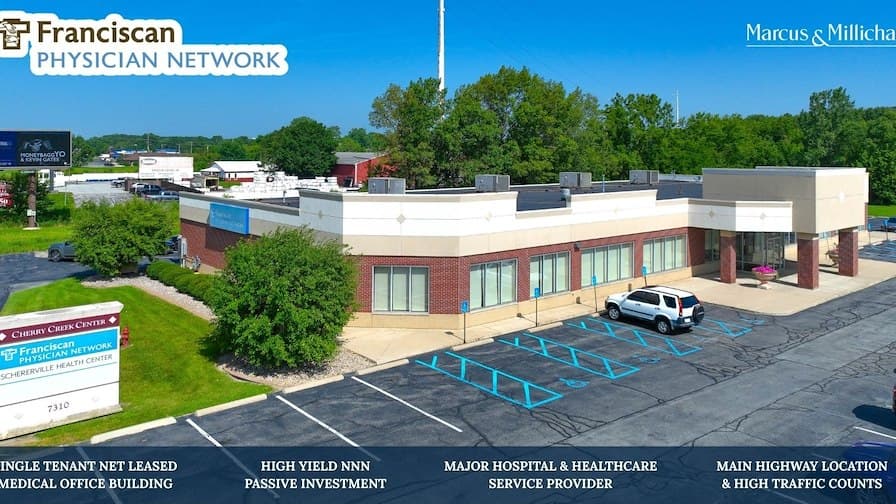
Passive investors evaluating this Franciscan Alliance NNN medical asset gain these explicit strengths:
CareTrust's staggered £1.1 billion deal with LNT secures 45 new UK care homes via triple-net leases to Crystal Care subsidiaries during the lease-up...
Higher Treasury yields and renewed central bank tightening signal elevated financing costs and refinancing risk ahead.
Exposing the asset to the broadest pool of qualified buyers while correctly presenting lease, guarantor, income, location, and real estate details...
Physicians investing passively in real estate deals or surgery centers often face K-1 surprises because the form reports your share of profit, not...
Aging boomers turning 80 are driving senior housing demand while new supply stays near historic lows.
Better estate management in community healthcare real estate could release £6.6 billion a year for the NHS, according to CBRE analysis calling for operational changes to support the NHS 10-Year Plan.
Corporate priorities in healthcare are eroding nursing care quality and staffing stability, creating underwriting blind spots for real estate...
Fayetteville medical net-lease delivers seven-year initial terms, 2% annual rent increases from year 3, and three three-year renewal options for contractual passive income stability.
SEC notices propose six credential-based routes to accredited status, including CPA, CFA, CFP, Series 79/86/87, and a new FINRA exam, bypassing income...
Rates fell sharply on Treasury buybacks and Fed comments signaling no rush to hike, which could ease near-term financing costs and cap-rate pressure...
AdventHealth's purchase of the 43,100 sq ft Class A MOB directly adjacent to its Davenport hospital from Flagship demonstrates health-system appetite...
Family offices merge personal relationships and values with institutional processes, creating patient capital that syndication sponsors can study.
-...
The US spent $5.3 trillion on healthcare in 2024—$15,474 per person—yet 30 million people will remain uninsured in 2026 and no basic care floor...
Experienced residential investors can transition by mastering income-driven valuation and concentrated tenant risks.
SEC proposals introduce an exam-based path to accredited status and ease performance-fee rules, opening healthcare real estate syndications to more...
National Healthcare Properties is speeding up the sale of its medical office buildings, which RBC Capital Markets says could shrink the REIT's debt load.