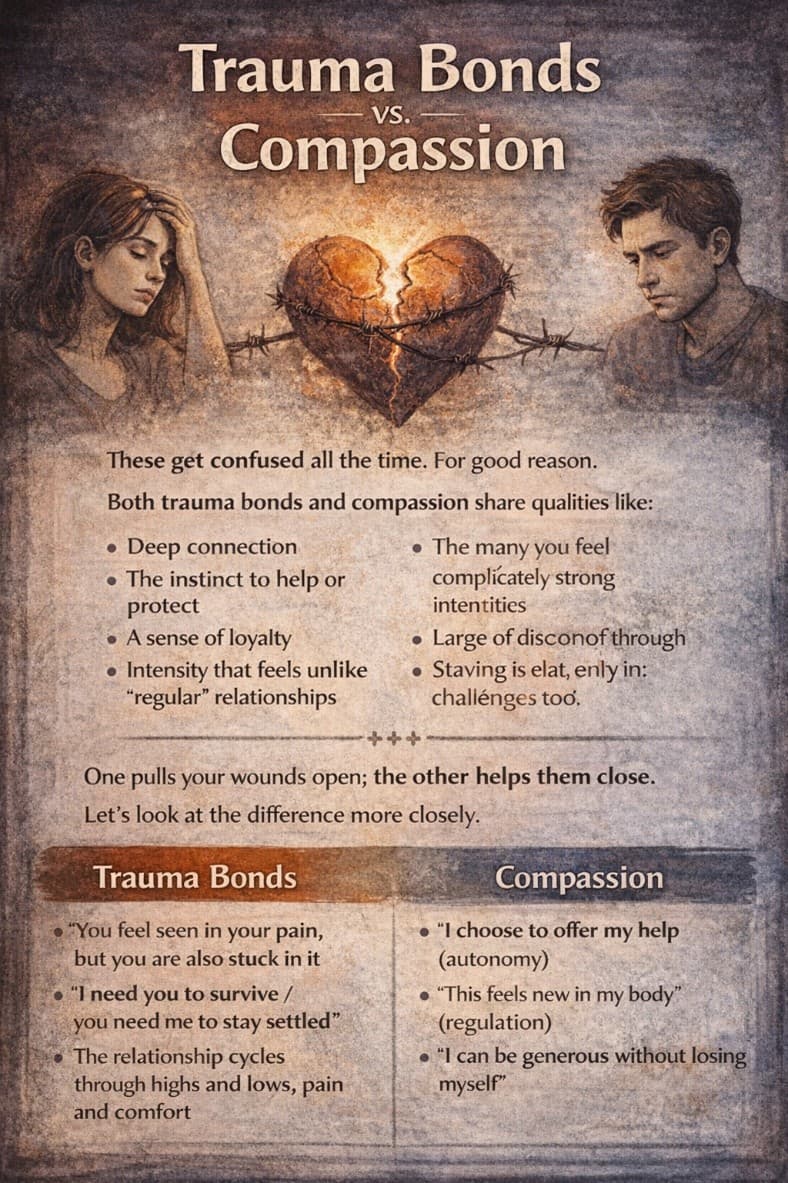
# How Emotional Safety, Boundaries, and Regulation Continue to Shape Relationship Health in 2026
In 2026, our understanding of what makes relationships genuinely healthy has advanced significantly beyond traditional notions rooted solely in effort, romance, or superficial compatibility. Today, the core of relationship health centers on **emotional safety**, **boundary integrity**, and **neurobiological regulation**—elements that are deeply supported by cutting-edge neuroscience, innovative technological tools, trauma-informed practices, and a heightened collective awareness. These developments are transforming how individuals and couples cultivate authentic connections, whether to **strengthen bonds** or recognize when a relationship no longer serves their well-being.
## The Evolving Foundations of Relationship Health
At the heart of these shifts is the recognition that **neural regulation capacity**—the brain's ability to manage internal stress and emotional responses—is **crucial** to building and maintaining trust and intimacy. Recent neurobiological research underscores that **trust flourishes** when individuals are equipped with **self-regulation tools**, especially during conflicts, trauma triggers, or periods of heightened stress. Conversely, **persistent dysregulation**—manifested through reactive behaviors, shutdowns, or heightened anxiety—can **erode relational safety** over time, leading to emotional disconnection or harm.
### Technological Support for Internal Regulation
The technological landscape has expanded dramatically, offering new tools that **complement traditional relational skills**:
- **Neurofeedback Wearables**: These devices now provide **real-time physiological and neural data**, alerting users to early signs of dysregulation such as elevated heart rate, muscular tension, or shifts in brain activity. This immediate awareness allows individuals to **deploy grounding techniques**, breathe, or practice mindfulness proactively, **preventing conflicts from escalating** and reinforcing **emotional safety**.
- **AI-Powered Regulation Apps**: Advanced platforms analyze personal emotional response patterns and recommend **tailored strategies**—like guided meditations, affirmations, or resilience exercises. Acting as **virtual emotional coaches**, these apps foster **self-awareness** and **habitual regulation skills**, making **emotional mastery** more accessible and consistent.
- **Virtual Reality (VR) Environments**: Immersive VR experiences are increasingly used for **empathy training** and **communication practice**. Couples engaging in **supportive, non-reactive interactions** within safe virtual spaces can **reduce fears related to conflict** and cultivate **mutual understanding**, especially when navigating complex or sensitive issues.
While these tools significantly enhance regulation capacity, they are designed to **support**—not replace**—core relational skills like validation, active listening, and empathy. The continued presence of **toxic patterns**, such as gaslighting or emotional manipulation, underscores the importance of **intentional relational work** alongside technological aids.
## Boundaries, Self-Trust, and Disengagement
**Boundaries** remain a **cornerstone** of emotional safety, but their effectiveness depends heavily on **self-trust**—the confidence to interpret internal cues and **assertively enforce** limits. In 2026, a nuanced approach has emerged, emphasizing **internal awareness** and **discerning** when to **stay**, **shift**, or **disengage**.
### Building and Reinforcing Boundaries
Recent insights highlight that **skills and mental shifts** can bolster boundary enforcement:
- **Emotion Labeling**: Precisely identifying feelings—such as anger, sadness, or fear—helps **clarify boundaries** and **guide responses**.
- **Mindfulness and Meditation**: These practices heighten **present-moment awareness**, making it easier to **detect early discomfort** or boundary violations, and respond with **clarity** and **calm**.
- **Body-Based Grounding Techniques**: Breathwork and somatic awareness stabilize the nervous system during relational stress, fostering **resilience** and **mental clarity**.
By cultivating these skills, individuals develop **the capacity** to evaluate relationships through questions like:
> _"Does this relationship respect my boundaries? Does it feel safe?"_
This internal compass informs whether to **stay**, **shift** boundaries to healthier dynamics, or **disengage** altogether.
### Recognizing When to Enforce Boundaries or Disengage
Persistent dysregulation, boundary violations beyond repair, or ongoing emotional harm signal that a relationship may be **unsafe**:
- **Reinforce Boundaries**: Implement **clear communication**, seek **external support** (e.g., therapy), or establish **mutual agreements**.
- **Disengage**: When **safety** is compromised despite efforts, boundaries are **ignored**, or the relationship causes **ongoing harm**, **disengagement** becomes an act of **self-preservation**.
Understanding that **emotional reactions** originate from **neurobiological responses** rather than personal failure fosters **self-compassion** and **more compassionate decision-making**.
## Deepening Connection: Emotional Availability, Sexual Intimacy, and Attachment
Moving beyond effort, **emotional availability**—the capacity to be present, responsive, and vulnerable—is increasingly recognized as a **more reliable predictor** of relationship stability. Cultivating this involves:
- **Vulnerability and Authenticity**: Sharing fears, hopes, and needs to deepen **trust** and **intimacy**.
- **Active Responsiveness**: Attuning to each other's **emotional cues** and **validating feelings**.
- **Renegotiating Sexual Needs**: Open dialogues about **sexual intimacy** are more common now, especially in **sexless relationships**. Resources like *"Sexless? You Must Renegotiate the Marriage (Or It Will Break)"* emphasize that neglecting intimacy can lead to emotional drift. With **conscious effort** and **mutual understanding**, couples can **reignite** or **maintain** their connection.
**Attachment styles**—such as **secure**, **anxious**, or **avoidant**—continue to influence relational dynamics. Recent insights, including work from trauma expert Aneeza Habib, highlight how **anxious attachment**, **ego clashes**, and **emotional insecurity** often fuel dysregulation and boundary challenges—especially in long-term partnerships. Recognizing and working through these patterns via **attachment-informed therapy** fosters **healthier engagement** and **effective conflict resolution**.
## Conflict, Repair, and Maintaining Warmth
Maintaining **warmth** and **safety** requires **intentional practices**:
- **Mindfulness and Breathwork**: Regular practices cultivate **emotional awareness** and reduce reactive tendencies.
- **Love Maps and Mutual Understanding**: Exploring shared values, fears, and needs strengthens bonds and prevents misunderstandings.
- **Shared Rituals and Physical Closeness**: Small acts—like daily check-ins or intentional touch—help **restore warmth** when distance emerges.
### Structured Conflict Protocols
In 2026, couples increasingly adopt **structured frameworks** to navigate disagreements effectively:
- **Gottman’s 4 Horsemen**: Recognizing and counteracting criticism, contempt, defensiveness, and stonewalling remains vital. Resources like *"Stop Divorce: Gottman’s 4 Horsemen Communication Secrets"* offer practical tools.
- **I-Statements and Active Listening**: These foster **empathy** and **reduce defensiveness**.
- **Conflict Protocols**: Frameworks such as *"5 Conflict Protocols To Handle Arguments In Relationships"* promote **respectful dialogue** and **minimize escalation**.
- **Reparative Cycles**: Recognizing that **rupture** is inevitable, but **repair** is essential—*"Rupture Is Inevitable. Repair Is Intimacy"*—guides couples toward **restoring trust** and **deepening bonds** after disagreements.
## Navigating Endings with Compassion and Resilience
Deciding to **end a relationship** remains complex, often entangled with **emotional guilt** and **shame**. **Closure rituals**—such as journaling, visualization, or sharing memories—are increasingly employed to process unresolved feelings and facilitate **healthy disengagement**.
**Community support** and a **growth mindset** transform endings into **learning opportunities** and **personal development**. Recognizing that **emotional reactions** are rooted in **neurobiological responses**, rather than personal failure, fosters **self-compassion**.
### Trauma-Informed Disengagement and Discernment
Emerging frameworks like **discernment counseling** and **trauma-informed approaches** ensure that **disengagement** is handled with **care**, reducing shame and promoting **resilience**. Recent resources such as *"The 20-Minute Relationship Reset"* and guides like *"5 Types of Disrespect You Should Never Tolerate"* offer tangible steps for boundary enforcement, conflict resolution, and graceful separation.
## Practical Trust Pillars: Financial Transparency and Shared Rituals
Trust extends into practical domains, with **financial transparency** now recognized as a **key component** of relational safety:
- **Money Conversations**: Regular, honest dialogues about **income**, **debts**, and **shared goals** prevent misunderstandings.
- **Shared Rituals**: Joint budgeting, financial planning, and rituals reinforce **teamwork** and **trust**.
- **Financial Boundaries**: Clear agreements about **spending** and **saving** respect individual needs and prevent conflicts.
Incorporating **financial transparency** demonstrates that **trust** encompasses both **emotional** and **practical** spheres.
## New Developments and Resources in 2026
The relationship landscape continues to evolve with **expanded regulation tools**, **trauma-informed care**, and **embodied practices**:
- **Emotional Intelligence Exercises**: Articles like *"This is what we call emotional intelligence. Here are 3 exercises to..."* provide accessible ways to enhance **self-awareness** and **empathy**—crucial for **trust** and **resilience**.
- **Micro-Changes for Couples at Crossroads**: The approach advocated in *"At a Crossroads in Your Marriage? Try a 1% Change"* emphasizes **small, manageable adjustments**—like a slight communication tweak or small act of kindness—that **compound** over time, yielding **transformative effects**.
- **Breath-Based Practices**: *"Close Breathing: The Science-Backed Secret That Deepens Intimacy & Elevates Sexual Connection"* highlights how **intentional breathing exercises** foster **emotional closeness** and **physical intimacy**. Engaging in **close breathing** with a partner enhances **trust**, **calm**, and **shared presence**.
- **Trauma-Informed Resources**: Works such as *"Going Down The Rabbit Hole of Emotional Mastery"* and *"Your Childhood Trauma Is Secretly Destroying Your Marriage"* emphasize **healing early trauma** as foundational for **healthy adult relationships**.
- **Addressing Empathic Over-Absorption**: A notable addition in 2026 is the emphasis on **managing emotional contagion**—the tendency to **absorb others’ feelings excessively**—which can undermine **regulation** and **boundaries**. The article *"Stop Absorbing Other People's Feelings (You're not an emotional sponge)"* explores strategies for **protecting oneself** from emotional overreach, including **setting clear boundaries** and **grounding techniques**.
- **Embodied and Micro-Change Practices**: Resources promote **small, intentional shifts**—such as **micro-movements** or **brief rituals**—to **build resilience** and **restore warmth** after conflicts or distance.
## Current Status and Broader Implications
Today, **relationship health** is viewed as a **dynamic, ongoing process** rooted in **neuroscience**, **technology**, and **trauma awareness**. The integration of these domains empowers individuals and couples with **powerful tools**:
- **Early detection** of dysregulation through wearables and apps **prevents escalation**.
- **Attachment-informed interventions** promote **long-term resilience**.
- **Financial transparency** and **shared rituals** bolster **trust** across emotional and practical domains.
- **Structured communication protocols** and **reparative practices** help **maintain warmth** and **safety**.
- **Trauma-informed approaches** facilitate **healthy endings**, emphasizing **compassion**, **self-care**, and **resilience**.
The collective trajectory suggests that the future of relationship health hinges on our **ability to integrate neuroscience, technology, and trauma-informed care**—supporting **authentic, resilient, and respectful connections**. Whether deepening bonds or navigating necessary endings, **ongoing practice**, **community support**, and **self-awareness** remain essential.
## Final Reflection
The developments of 2026 affirm a vital truth: **emotional safety, boundaries, and regulation** are **living practices**—requiring **continuous awareness**, **intentional effort**, and **compassion**. As tools and insights become more sophisticated, so does our capacity to **create relationships grounded in authenticity**, **mutual respect**, and **resilience**. Whether through **small micro-changes**, **embodied practices**, or **deep emotional work**, we are increasingly equipped to **navigate the complexities of modern relationships** with integrity, grace, and growth. The ongoing evolution underscores that **relationship health** is not static but a **commitment to ongoing self and mutual care**—a journey worth every effort.
---
**Note:** The recent addition of resources like the article *"Stop Absorbing Other People's Feelings (You're not an emotional sponge)"* underscores the importance placed in 2026 on **managing emotional contagion**—a crucial aspect of regulation and boundaries that complements foundational practices.