Fredericksburg in 2026 stands at a pivotal crossroads, exemplifying a community actively shaping its future through transparent governance, social justice initiatives, regional collaboration, and sustainable development. Recent developments deepen this narrative, highlighting a city committed to inclusive decision-making, confronting its historical wounds, and managing regional challenges with resilience and purpose.
## Civic Leadership and Public Engagement: Transparency and Community Voices at the Forefront
Fredericksburg’s political landscape continues to evolve with a focus on **inclusive governance** and **resident participation**. The recent addition of new City Council members reflects priorities such as **equitable development**, **public safety**, and **cultural initiatives** aligned with community values. Vice Mayor Chuck Frye Jr. emphasizes **interdepartmental collaboration** and **robust community dialogue**, asserting that **transparency fuels effective leadership**.
A key upcoming event is the **City Council Retreat scheduled for February 21, 2026**. This strategic session serves as a platform for **long-term planning**, **regional partnerships**, and **community priorities**. The **four-hour recorded session** showcases in-depth deliberations on **urban development**, **policy directions**, and **regional cooperation**, illustrating Fredericksburg’s commitment to **participatory governance**.
Following the retreat, residents are encouraged to participate in:
- The **February 24, 2026** **City Council Work Session and Meeting**, addressing **development policies**, **infrastructure projects**, and **social programs**.
- A **public hearing on a 25-year solar lease** scheduled for the same day, engaging the community on **renewable energy expansion** aligned with climate resilience goals.
These formal proceedings are complemented by ongoing outreach efforts designed to **encourage resident feedback** and **ensure community voices influence policymaking**, fostering a culture of **openness and accountability**.
## Confronting the Past: Inclusive Memorial Planning at the Slave Auction Block
A significant element of Fredericksburg’s social justice agenda is the **memorial development at the slave auction block site**, a potent symbol of racial exploitation. Recognizing its historical importance, the city is fostering an **inclusive, community-driven memorial process** centered on **remembrance, education, and reconciliation**.
An **Open House scheduled for February 2, 2026**, at the Visitor Center exemplifies this effort. It will gather **community members, historians, descendants, and artists** to review **design concepts**, discuss **educational components**, and clarify **the memorial’s purpose**. Community feedback emphasizes the need for a **respectful, somber monument** that **honors enslaved victims** and **serves as a catalyst for ongoing dialogue about racial justice**.
Community voices highlight:
- The importance of creating a **space for healing and reflection**.
- The necessity of **collaborating with historians, descendant groups, and artists** to develop a **dynamic monument** that **celebrates resilience** rather than merely memorializing trauma.
This project has garnered **increased community support**, marking a vital step toward **addressing historical wounds** and **promoting social equity**. The ultimate goal is to establish **a meaningful, educational site** that functions as **a hub for reconciliation and community empowerment**.
## Regional & Cultural Initiatives: Building Bridges Across Divides
Fredericksburg’s regional leadership continues to foster **interfaith dialogue and spiritual unity**. The ongoing **"Walk for Peace,"** now in **Day 103**, involves a spiritual procession led by monks from the Dhammacetiva tradition, emphasizing efforts to **promote harmony across diverse communities**.
Recent updates include:
- The monks arriving in **Stafford on February 6**, encouraging residents to **engage with their message of peace**.
- The procession being **broadcast live on FOX 5 DC**, extending regional outreach and **inspiring reflection on spiritual and communal harmony**.
- The **Courthouse Road closures** during the event to facilitate **community participation** and **ensure safety**.
Looking ahead, preparations are underway for the **Community Connections Expo on March 17, 2026**, a platform designed to **foster regional collaboration among residents, organizations, and businesses**. This event aims to **strengthen resilience**, **support economic development**, and **deepen community bonds**.
Additional cultural programming enhances regional engagement:
- A **lecture series beginning February 18**, focusing on **Fredericksburg’s sister cities**, exploring **international connections** and **cultural exchange**.
- The **Micah Ministries’ Coldest Night Walk** scheduled for February 28, supporting efforts against **homelessness** and **food insecurity**.
- The Arts Commission’s ongoing **art supply drive**, benefitting organizations like **Empowerhouse**, fostering **creativity and social outreach**.
Community outreach efforts also include initiatives like the **Lolli-Pops outreach concert**, which features **fire trucks, ambulances, tubas, and trumpets** to **salute first responders**, blending entertainment with public service and fostering youth engagement.
## Economic Development & Housing: Progress Amid Regional Challenges
Fredericksburg’s economy demonstrates resilience despite regional pressures. Recent milestones include:
- The anticipated opening of **Trader Joe’s along Fall Hill**, expected to diversify retail options and **boost local employment**.
- The **Stockyards Restaurant & Bar** at **407-409 William Street**, scheduled to **open during the week of February 9**, aiming to **revitalize downtown vibrancy**.
- A **new residential development** at the **former Greenbrier Shopping Center off Plank Road**, now branded **Greenbrier Place**, featuring **199 units** designed to **address housing demands** and **encourage urban density**.
In addition, **Micah Ecumenical Ministries** secured **$2.915 million in federal funding** for its **Jeremiah Community**, focusing on **affordable housing** and **social services** for vulnerable populations.
However, regional retail faces notable challenges:
> **"Major Supermarket Chains to Close Virginia Locations This Spring 2026,"** including the closure of JCPenney in Spotsylvania, which may result in **74 job losses**. Such closures threaten **community access and convenience**, prompting local officials to explore **retail resilience strategies** and **alternative support networks**.
Efforts like Greenbrier Place and other housing initiatives are responding to the **growing population**, but regional economic pressures underscore the need for **strategic planning and targeted investments** to sustain growth.
## Data Centers & Environmental Concerns: Balancing Growth with Sustainability
The proliferation of **data centers** continues to be a focal point of community concern. A recent **Stafford Planning Commission** public hearing addressed a **development proposal that includes a "data center option,"** reflecting **heightened community apprehension** about **water consumption**, **energy demands**, and **land use**.
Community advocacy groups are actively utilizing **Virginia FOIA requests** to **investigate environmental impact statements** and **hold developers and utility providers accountable**, ensuring **transparency** and **responsible growth**.
Legislative debates further influence regional policy:
- **Virginia Senate Bill 253**, proposed by **Senator L. Louise Lucas**, suggests **shifting energy costs onto data centers** while **reducing rates for residential consumers**. Critics argue this could **undermine sustainability efforts** and **disproportionately burden residents**.
- The **rescheduling of the Dominion Energy transmission-line public meeting** underscores ongoing **community efforts to scrutinize regional energy projects** and **demand accountability**.
Expert analysis underscores the environmental footprint of data centers:
> **"As artificial intelligence continues to grow, so does the demand for data centers, the facilities that power everything from cloud storage to AI processing,"** notes environmental researcher Dr. Lisa Carter. **"While they are critical to technological advancement, data centers consume vast amounts of water and energy, contributing significantly to regional environmental stress. Responsible siting and sustainable practices are essential to mitigate these impacts."**
## Infrastructure & Resilience: Building for the Future
Major infrastructure projects are underway to support Fredericksburg’s ongoing growth:
- The **Motts Run Water Treatment Plant expansion** aims to **enhance capacity** and **improve water quality** to meet increasing urban demands.
- The **Rt. 1 bridge replacement project** has commenced, with **detours and lane restrictions** to support **regional mobility** and **safety improvements**.
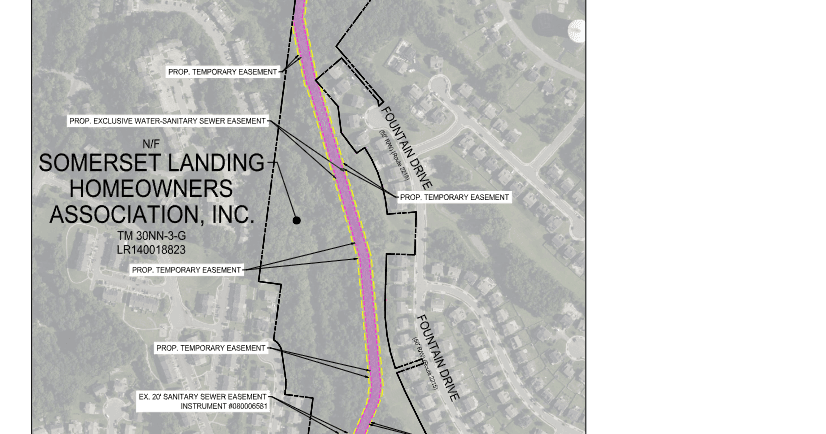
- The **Lower Hazel Run Sewer Project** and other **water and sewer upgrades** are designed to modernize infrastructure and **reduce environmental impacts**.
Additionally, the city is advancing its **25-year solar lease initiative**, with a **public hearing scheduled for February 24**, to **expand renewable energy** and **climate resilience**.
## Public Safety & Education: Responding to New Challenges
Public safety efforts are adapting to emerging challenges:
- **Brush fire-related emergency calls** have doubled since 2024, prompting **new land management strategies** and **fire prevention programs**.
- Educational institutions are **upgrading facilities**, expanding staffing, and launching **new curricula** to prepare students for **future workforce demands**.
- Youth activism remains vibrant, exemplified by **student-led protests** against ICE policies in Spotsylvania, reflecting **engaged and socially conscious youth**.
The **Stafford County School Board’s recent approval** of the **FY27 local funding request** underscores ongoing efforts to **secure resources for education and infrastructure**, ensuring **sustainable community development**.
---
### **Current Status and Broader Implications**
Fredericksburg in 2026 embodies a community committed to **balancing growth with justice, environmental sustainability, and inclusive governance**. The ongoing **public events**, **strategic planning sessions**, and **memorial projects** demonstrate a city actively listening, learning, and acting in alignment with its diverse community needs.
The **inclusive memorial at the slave auction block** symbolizes a genuine effort to **confront historical injustices** and **foster healing**, while initiatives like the **Walk for Peace** and the **Community Connections Expo** showcase **interconnected efforts** to promote **cultural understanding and regional resilience**.
Despite regional challenges—including **retail closures**, **water resource concerns**, and **energy debates**—Fredericksburg’s leadership remains dedicated to **transparent, responsible decision-making**. The community’s active engagement and collaborative spirit underscore a shared vision: to cultivate a **more equitable, sustainable, and vibrant city**.
As Fredericksburg moves forward, its trajectory reflects a community that **honors its past**, **embraces change**, and **strives for a future rooted in justice, collaboration, and resilience**. The ongoing efforts signal a city poised not only to adapt but to lead in regional transformation, ensuring growth benefits all residents while respecting its historical and environmental commitments.