September 16, 2026
SPS AI Network: Big Claims, Thin Verified Results
SPS Commerce pairs its 300,000+ trading relationships and 750M annual transactions with new agentic AI (MAX) to shift supply chains from reactive to...

Created by Taylor Smith
Real-world AI case studies for North American stores covering workforce, inventory, and analytics
Explore the latest content tracked by Retail AI Tracker
SPS Commerce pairs its 300,000+ trading relationships and 750M annual transactions with new agentic AI (MAX) to shift supply chains from reactive to...
UNFI completed rollout of its RELEX AI platform across all distribution centers to boost fill rates, inventory planning, and procurement.
Most generative AI retail examples remain conceptual or non-operational. Verified North American physical-store cases are narrower.
78% of enterprises deem AI essential, yet 77% cannot operationalize it due to fragmented data systems. Barriers include 54% lacking real-time data...
GreyOrange's gStore platform now operates in over 3,800 stores, locating SKUs within 3-5 feet via RFID and computer vision while feeding sales data...
Retail teams often specify the wrong metric, leading to poor sensor choices.
OneRail's new OmniSTAR platform evaluates all delivery modes for each order in real time and picks the lowest-cost option that meets service needs.
-...
Puerto Rican supermarkets are integrating AI for demand forecasting, inventory monitoring, and theft prevention via computer vision.
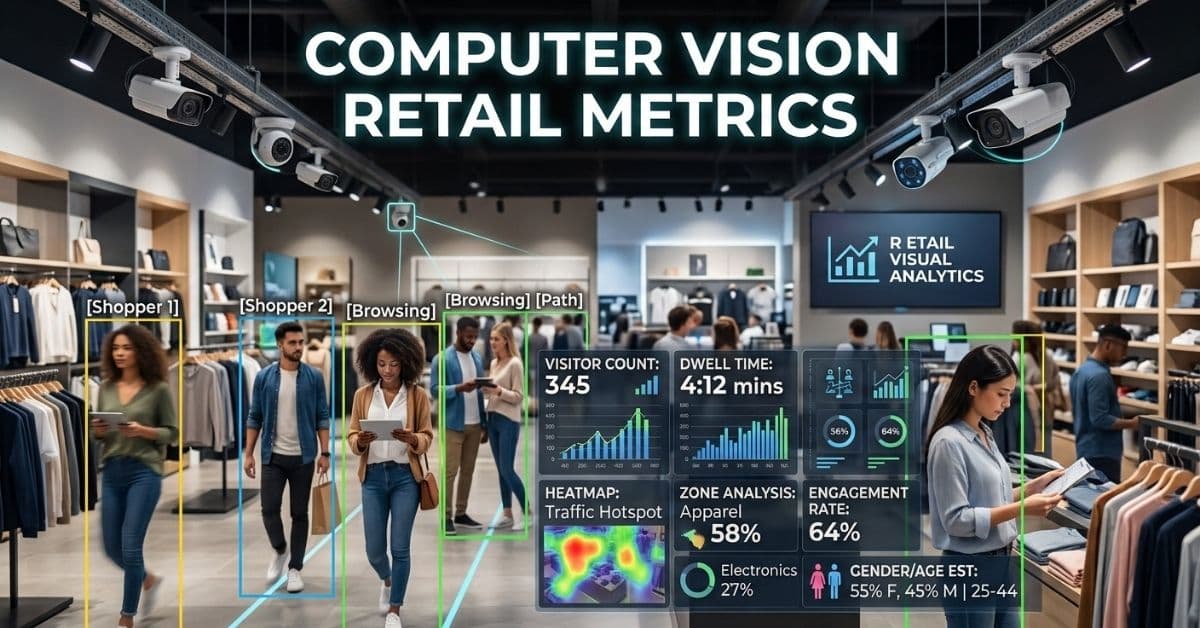
Retailers gain real value from computer vision by separating technical accuracy from operational alerts and strategic outcomes rather than chasing...
Dollar General is deploying RELEX’s AI-native platform to unify demand forecasting, replenishment, and allocation across its 21,000+ stores and 34...
DecisionBrain leads by combining agentic AI with mathematical solvers that verify every production change against real machine, labor, and material...
Hop Shops, a 15-store c-store chain owned by Valor Oil, is deploying Mashgin’s AI computer vision kiosks paired with Glory cash recyclers to...
AutoScheduler builds an operational twin that maps inventory flows and continuously replans around disruptions like truck no-shows or sick...
Real-world event data lets restaurants forecast hyperlocal holiday demand shifts days or weeks ahead, moving staffing from reactive calls to scheduled...
Target's incoming Chief AI Officer Chandhu Nair will launch his role with a listening tour to map workflows, ownership, and team dynamics before...
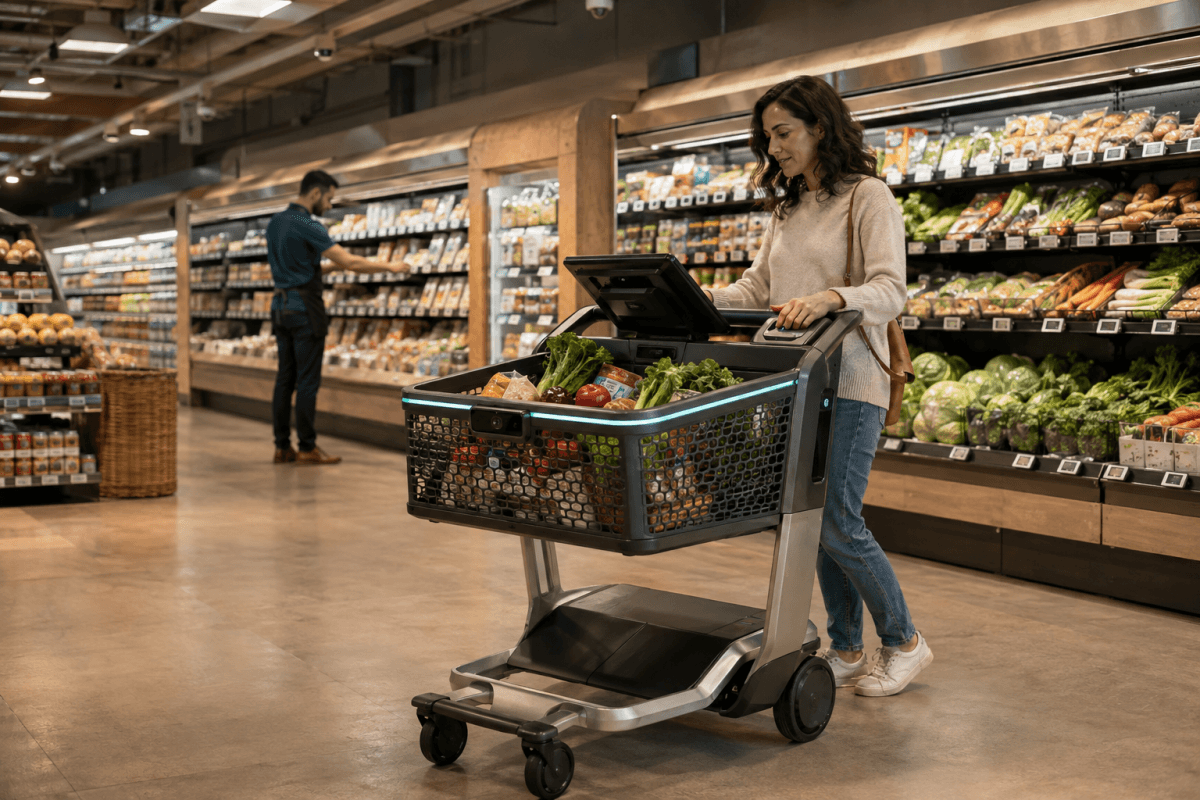
The Pantry at the Bridges in Stockbridge, Georgia, lets customers tap a card at entry, select items, and exit while AI and computer vision track...
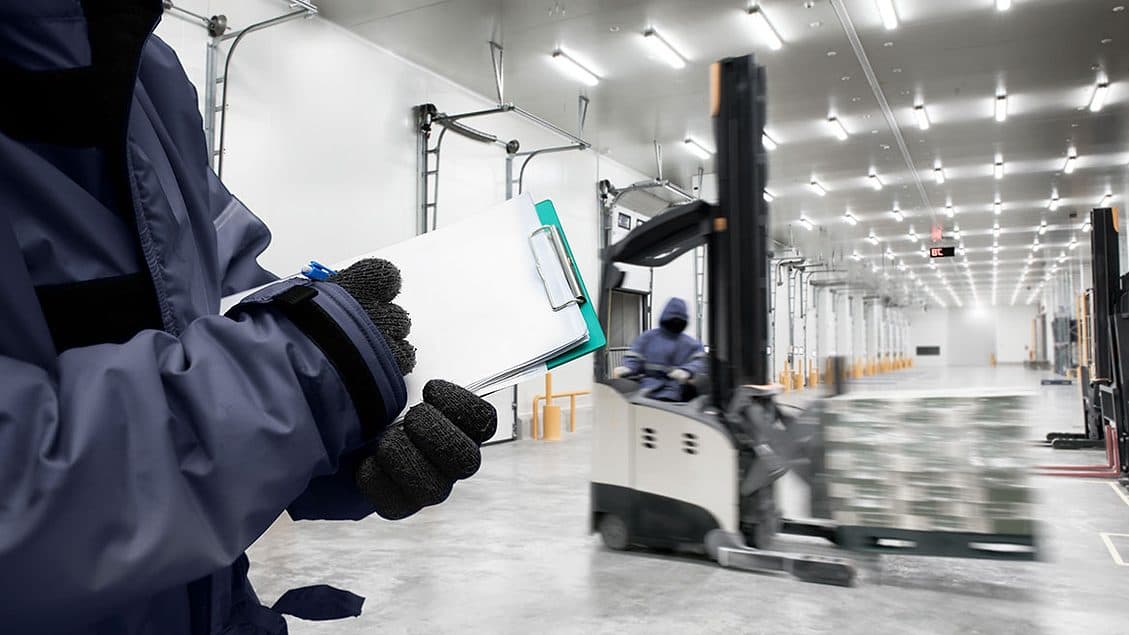
Lineage deployed Kargo's AI camera towers at its Decatur, Alabama cold storage facility to automatically capture inbound pallet data including SKU and...
Taco Bell expanded voice AI to 890+ locations in 38 states, but independent testing revealed a 30% employee intervention rate—far above Bojangles' 3% with Hi Auto. The gap shows platform maturity, not rollout size, now drives real drive-thru results.