# The 2026 AI Ecosystem: Accelerating Innovation with High-Speed Models, Autonomous Reasoning, and Strategic Infrastructure
The AI landscape of 2026 continues to surge forward at an unprecedented pace, driven by groundbreaking advances in high-speed, resource-efficient models, autonomous reasoning systems, and strategic infrastructure investments. These developments are fundamentally transforming the capabilities of AI, reshaping industry paradigms, and embedding intelligent systems more deeply into societal infrastructure. As models become faster, more accessible, and more autonomous—while safety and interpretability remain top priorities—the ecosystem is steering towards a future characterized by decentralized, trustworthy, and highly capable AI.
## The Rise of High-Speed, Resource-Efficient AI Models
A defining feature of 2026 is the proliferation of **ultra-fast, resource-efficient coding and multimodal models** that dramatically lower barriers to AI adoption and deployment:
- **OpenAI’s Spark Model** has achieved a remarkable **15× speed increase** over GPT-5.3-Codex, enabling **near real-time AI-assisted programming**. This leap accelerates development workflows, simplifies debugging, and fosters rapid collaborative innovation.
- The competitive landscape among large language models (LLMs) has intensified. Industry leaders like OpenAI have seen **GPT-5.3-Codex API** gain popularity due to its **cost-effectiveness** and **performance enhancements**. As @bindureddy notes, GPT 5.3 Codex "just dropped in API and is a lot cheaper," fueling ongoing improvements and broader adoption.
- **Accessibility and scalability** are exemplified by models such as **GPT-5.3-Codex-Spark** and **Llama 3.1 70B**. Notably, **Llama 3.1** can operate efficiently on a **single RTX 3090 GPU**, democratizing AI development for smaller organizations and regional developers who lack extensive infrastructure.
- The development of **quantized models** like **MiniMax-M2.5-MLX-9bit** enables **local inference** on edge devices such as smartphones and autonomous systems. These models leverage **quantization techniques** to reduce memory and compute demands, enhancing **privacy**, **low-latency operation**, and **resilience** by minimizing reliance on cloud infrastructure.
Complementing these models are innovations in **multimodal memory capabilities** and **mobile-optimized research** initiatives like **Mobile-O**, which allow **multimodal understanding and generation** directly on smartphones. This empowers users with **powerful, always-accessible AI functionalities** that respect privacy and eliminate the need for persistent cloud connectivity.
## Advances in Autonomous Reasoning, Agentic Systems, and Embodied Planning
The pursuit of **autonomous, reasoning-capable AI systems** has yielded impressive milestones this year:
- **Gemini 3.1 Pro** exemplifies this progress with an **impressive 77.1% ARC-AGI-2 score** and the capacity to process **up to 1 million tokens** within a single context window. These capabilities enhance **long-term reasoning**, **multi-step problem solving**, and **autonomous decision-making**, bringing us closer to **agentic AI** systems capable of **self-directed, multi-faceted reasoning**.
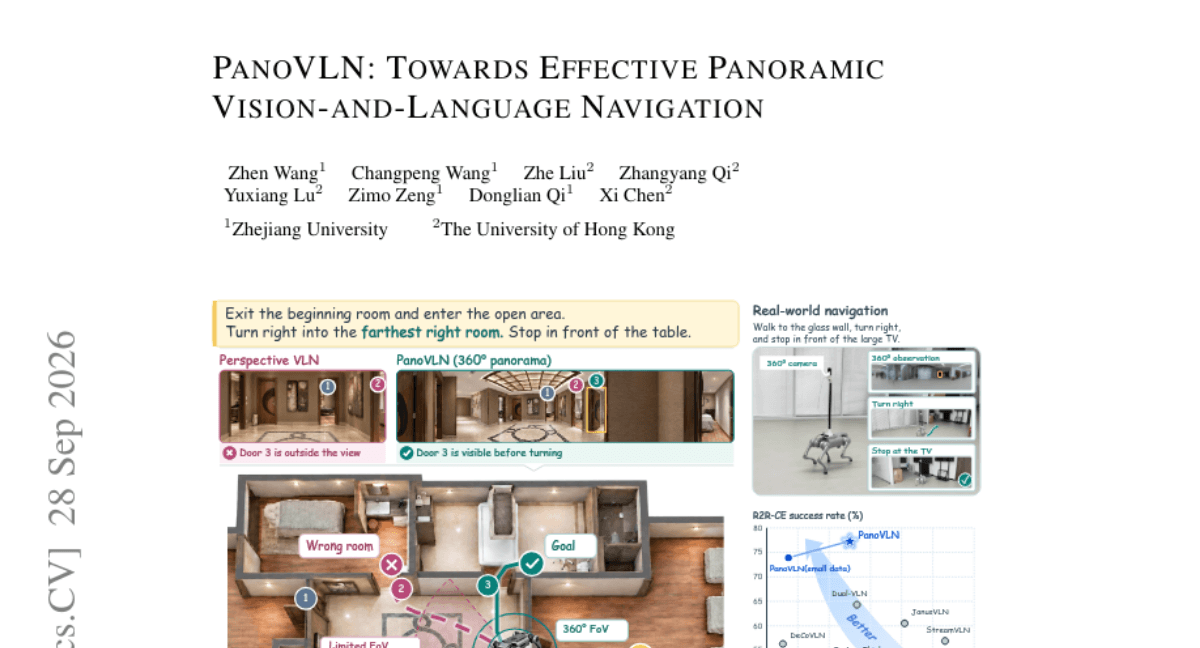
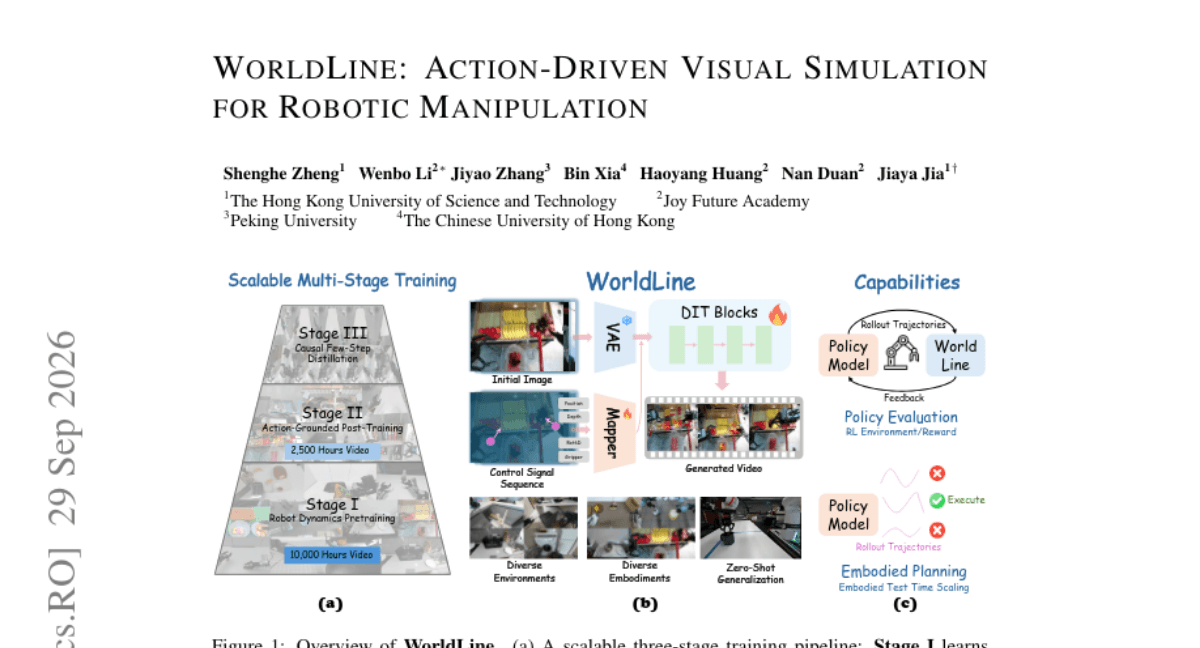
- **Reflective test-time planning** is emerging as a transformative technique, enabling **embodied LLMs** to **evaluate their actions**, **learn from errors**, and **dynamically adjust strategies**—a critical step toward **autonomous robotics** and **virtual agents** operating in complex, unpredictable environments.
- The establishment of **SAW-Bench (Situational Awareness Benchmark)** provides a **standardized framework** to evaluate AI systems’ **perception**, **interpretation**, and **action** in **dynamic scenarios**. This pushes systems toward **true situational awareness**, essential for **autonomous navigation**, **media analysis**, and **environmental comprehension**.
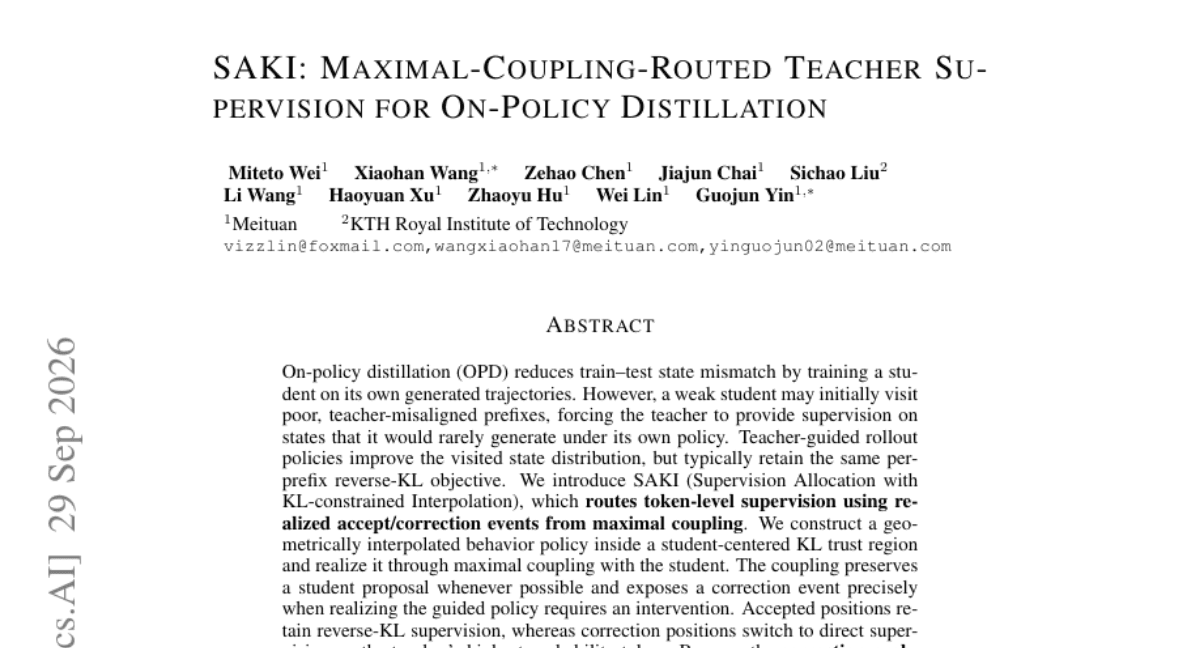
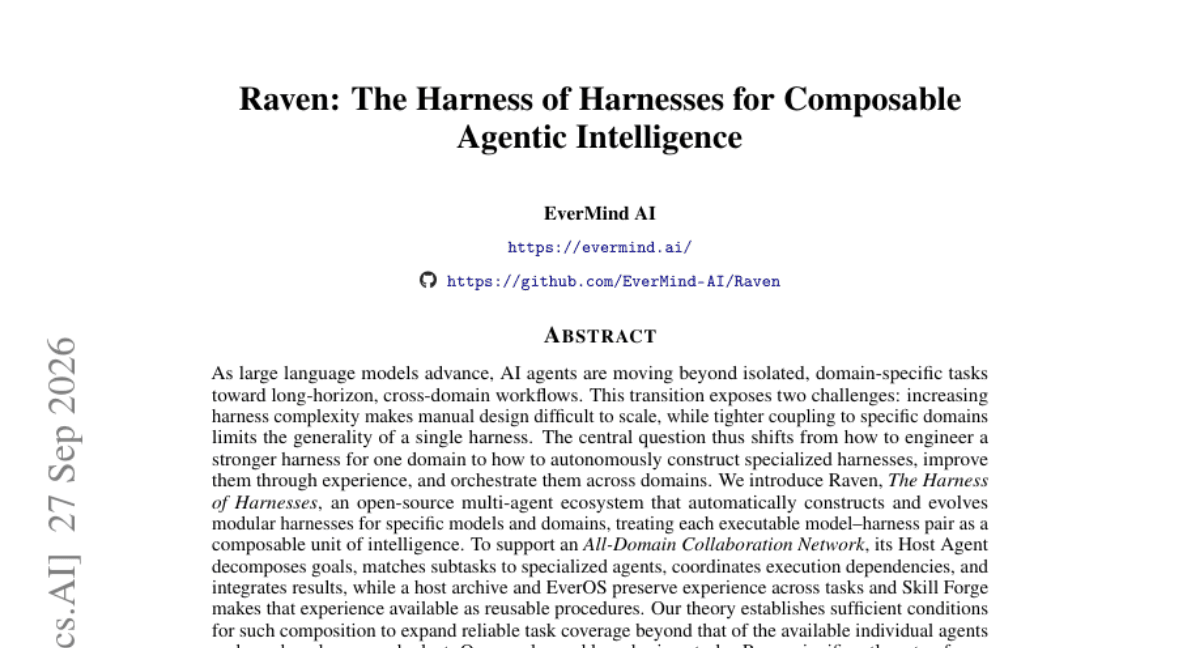
- **Multi-agent reasoning systems** like **Grok 4.2** demonstrate **specialized AI agents** engaging in **internal debates**, **collaborative reasoning**, and **answer synthesis**. This **collective reasoning** approach enhances **accuracy**, **nuance**, and **complex problem-solving**, edging AI closer to **human-like cognition**.
These systems enable AI to **operate more independently**, **comprehend multimodal data**, and **perform reasoning over extended contexts**, paving the way for deployment in **autonomous vehicles**, **robotics**, and **immersive virtual environments**.
## Scaling Compute, Infrastructure, and Edge Deployment
As AI models grow larger and more capable, **computational demands** continue to escalate, prompting strategic investments:
- **OpenAI’s recent report** highlights a **"compute scramble"**, projecting an investment of **USD 600 billion** in computational resources by 2030. This underscores the urgent need for **scalable**, **sustainable infrastructure** capable of supporting the exponential growth of AI models.
- **Regional investments and hardware innovations** are gaining prominence. For instance, **India’s AI hubs** and **hardware initiatives** aim to **foster local model development** and **hardware tailored for sovereignty and privacy**. This decentralization reduces dependence on Western cloud giants and enhances **resilience** against geopolitical disruptions.
- **Dedicated inference hardware** such as **Taalas’ HC1 chip** has achieved **nearly 17,000 tokens/sec** inference speeds on models like **Llama 3.1 8B**, enabling **local inference** on **smartphones**, **autonomous vehicles**, and **IoT devices**. This facilitates **privacy-preserving**, **low-latency AI at the edge**, alleviating pressure on centralized cloud servers.
- Innovations like **Untied Ulysses** employ **memory-efficient context parallelism** through **headwise chunking**, maximizing **context throughput** without excessive memory overhead. Such techniques support **longer contextual reasoning** in resource-constrained environments, vital for **autonomous reasoning** and **edge AI deployment**.
These infrastructure advancements foster a **diverse, resilient AI ecosystem** capable of supporting **billions of parameters** across **cloud and edge environments**, empowering **regional innovation** and **self-reliance**.
## Prioritizing Safety, Interpretability, and Ethical AI
As AI systems embed themselves into critical sectors, **trustworthiness** remains paramount:
- Techniques like **Scalpel**, which focus on **fine-grained attention alignment**, are effective at **eliminating multimodal hallucinations**, ensuring outputs are **accurate**, **aligned**, and **trustworthy**.
- **Interpretability initiatives** from organizations such as **Guide Labs** advance **model transparency**, **security**, and **explainability**, especially in **healthcare**, **finance**, and **legal** sectors—where **decision accuracy** and **user trust** are vital.
- The industry continues emphasizing **ethics statements**, **bias mitigation practices**, and **robustness measures** to develop **safe**, **privacy-preserving**, and **user-centric AI systems**.
## Industry Movement and Research Highlights
### Autonomous Vehicles and Strategic Investments
- **Wayve**, a UK-based autonomous driving company, recently attracted **USD 1.2 billion in Series D funding**, bringing its valuation to **USD 8.6 billion**. Supported by **Nvidia**, **Microsoft**, **Uber**, and **Mercedes**, Wayve exemplifies the integration of **autonomous reasoning**, **edge inference hardware**, and **multimodal perception**—hallmarks of the 2026 autonomous ecosystem.
### Breakthroughs in Multimodal and Reasoning Technologies
- **Qwen3.5-397B**, a **versatile multimodal large model**, continues to **dominate** on **Hugging Face**, reflecting industry momentum toward **situated awareness** and **multi-sensory understanding**.
- The paper **"Learning Situated Awareness in the Real World"** emphasizes **enabling AI to perceive, interpret, and adapt dynamically** within complex environments, a critical step for **autonomous agents**.
- The **t t tLRM** model, introduced at **CVPR 2026** by **Adobe and UPenn**, pushes the envelope in **visual-language understanding**, further enabling **autonomous perception** and **multi-sensor integration**.
- The release of **JavisDiT++**, a unified **audio-video generation model**, signifies substantial progress in **multimodal synthesis**, supporting **virtual interactions**, **media editing**, and **multimedia content creation**.
### Industry Consolidation and Tooling
- **Anthropic’s acquisition of Vercept** consolidates expertise in **AI safety**, **interpretability**, and **deployment tools**, supporting **trustworthy AI development** and **safe deployment pipelines**.
### AI Surpassing Human Performance
- Recent benchmarks reveal that **AI models now outperform humans on advanced math exams**, underscoring **rapid progress in reasoning abilities**. This holds profound implications for **education**, **automation**, and sectors reliant on **logical problem-solving**.
## Current Status and Broader Implications
The **2026 AI ecosystem** is characterized by a **synergistic convergence** of **speed**, **scalability**, **autonomy**, and **safety**:
- **Models like Spark, Llama 3.1, Gemini 3.1 Pro, and Grok 4.2** underpin **long-horizon reasoning**, **multimodal understanding**, and **autonomous decision-making**.
- **Hardware innovations**, including **HC1 inference chips** and **regional AI hubs**, promote **self-reliance**, **privacy**, and **resilience**.
- **Safety and interpretability measures** are integral to development pipelines, ensuring **trustworthy deployment** across sectors.
- The ecosystem is heading toward **multi-agent reasoning**, **autonomous collaboration**, and **edge-first deployment**, resulting in **more capable, adaptable AI systems** that **operate independently** with **less human oversight**.
**Implications** are profound: AI is becoming **more decentralized, accessible, and trustworthy**, enabling **regional innovation**, **autonomous systems**, and **edge solutions** that serve societal needs globally. The convergence of **speed**, **safety**, and **autonomy** positions AI as a transformative force for **economic growth**, **technological progress**, and **societal resilience**.
---
## In Summary
**2026** marks a pivotal year where **high-speed, resource-efficient models**, **autonomous reasoning systems**, and **robust infrastructure** are converging to redefine AI’s potential. From **AI outperforming humans in complex reasoning** to **multimodal synthesis breakthroughs** like **JavisDiT++**, and from **regional hardware hubs** to **industry consolidations**, the AI ecosystem is becoming **more decentralized, trustworthy, and dynamic**. These trends accelerate AI’s integration into daily life, powering **autonomous systems**, **edge intelligence**, and **human-AI collaboration**, all while emphasizing **safety**, **interpretability**, and **ethical development** to ensure a sustainable, inclusive future.