15h ago
Normal Vaccine Reactions vs. Red Flags for Shingles, Flu & More
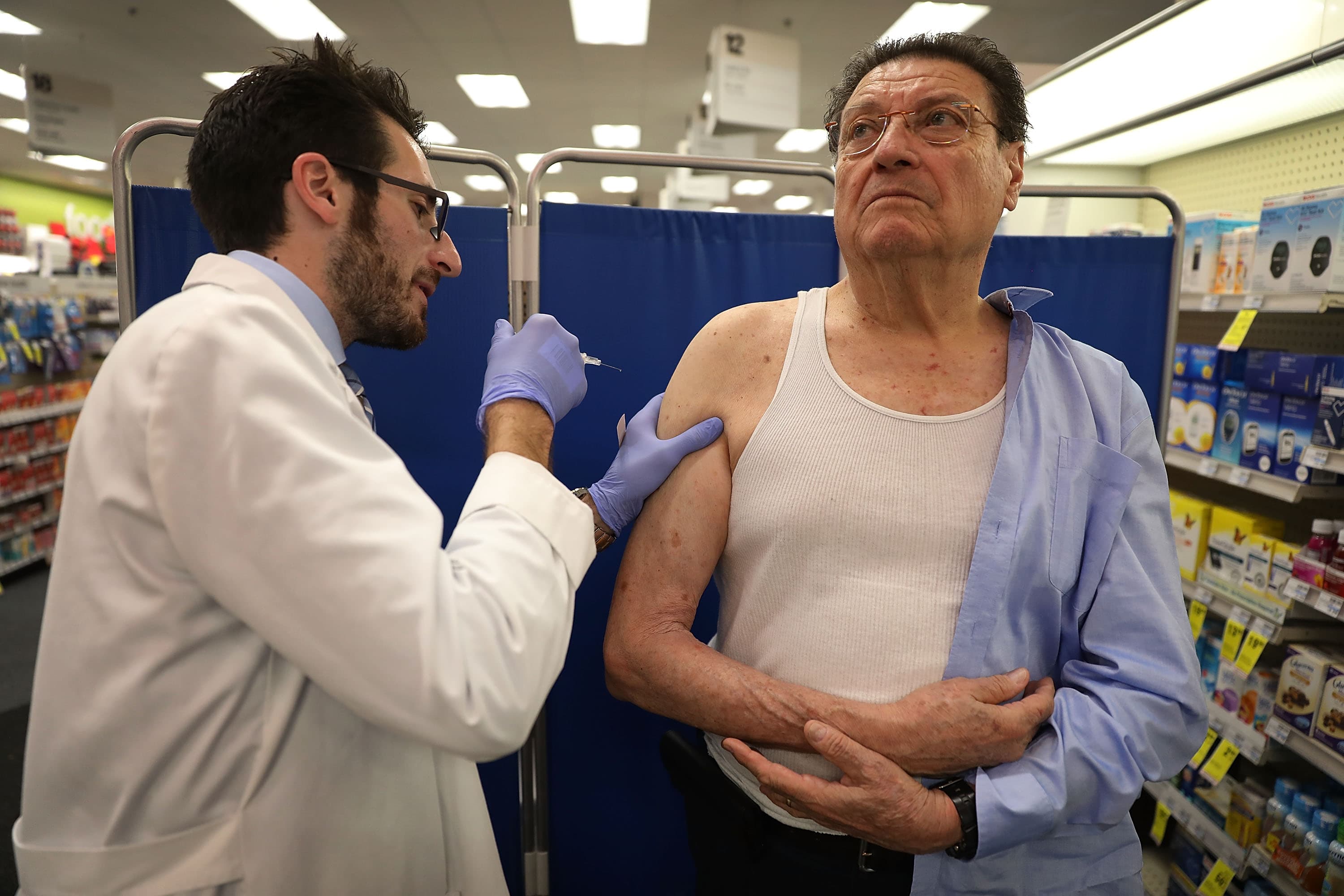
Most adults experience mild, short-lived side effects after shingles, flu, RSV, pneumonia, tetanus or MMR shots.
- Common reactions: sore arm,...

Created by Frank Samide
Adult vaccine guidance, approvals, boosters and travel updates from CDC, FDA, WHO
Explore the latest content tracked by Adult Immunization Updates
Most adults experience mild, short-lived side effects after shingles, flu, RSV, pneumonia, tetanus or MMR shots.
Most adults see mild effects like sore arms, fatigue or low fever after shingles, flu, RSV, pneumococcal, tetanus and MMR shots that resolve in 1–3...
Local health departments are reducing barriers like transportation and rural isolation by offering flu vaccines at mobile clinics, schools, and county...
国会议员向CDC主任Erica Schwartz施压,要求就疫苗接种计划变化及麻疹死亡报告作出解释,尤其在疫情爆发担忧背景下。
Both CDC and Washington DOH now recommend 2026–2027 COVID-19 vaccination for all adults, removing prior risk-based limits.
Early flu activity is rising nationally as the new season begins October 4, 2026.
This preclinical study created an HPV16 mRNA candidate that reached antibody levels comparable to GARDASIL 9, allowing definition of minimum...
In 1900, infectious diseases like measles and diphtheria caused 30% of U.S. deaths in children under 5; by century's end this fell to 1.4%, with...
Messages acknowledging distrust of government boosted willingness to vaccinate by 16 percentage points, while affirming personal liberty raised it...
Serious pneumococcal illness strikes most often in young children, older adults, and people with weakened immune systems or certain medical...
A completed Danish Phase 4 pragmatic trial randomized healthy adults aged 50-64 without risk factors to mRNA-1273 variant vaccine or no vaccine, using...
流感季已进入高峰,尽快接种仍是保护自己和家人的有效方式。
Immunize El Paso 提供四种疫苗供成人选择:
诊所提供上门移动服务,预约即可在家接种,无额外费用。
Northampton adults can get five key vaccines in a single appointment at an upcoming clinic.
Florida's public comment hearing on removing four school and daycare vaccine requirements highlights a clash between parental choice and community...
In December 2025, ACIP replaced universal hepatitis B birth-dose vaccination with shared clinical decision-making.
A 2026 Nature Medicine study found adults 60+ vaccinated in the Shingrix era had a 9% lower burden of major cardiovascular events versus the Zostavax...
Forsyth County Public Health offers free walk-in flu shots starting Oct. 5 at 799 N. Highland Ave. in Winston-Salem.
Vaccines.gov remains unreliable, pushing adults toward local options for seasonal flu vaccination.