# GBP-EUR Correlation and Bank of England & ECB Policy Outlook: Navigating a Complex Monetary Landscape
The relationship between the British pound (GBP) and the euro (EUR) continues to be shaped by a rapidly evolving mix of central bank strategies, macroeconomic indicators, leadership transitions, technological innovations, and external geopolitical shocks. Recent developments have added layers of complexity, underscoring the importance of closely monitoring policy signals from both the Bank of England (BoE) and the European Central Bank (ECB), as well as technological advancements like digital gilt issuance. As the UK and eurozone chart their respective paths, divergences in approach and internal dynamics are influencing currency movements, volatility, and investor sentiment more than ever.
## Diverging Central Bank Strategies: Leadership Changes and Policy Signals
### The Bank of England’s Cautious Pause Amid Internal Disagreements
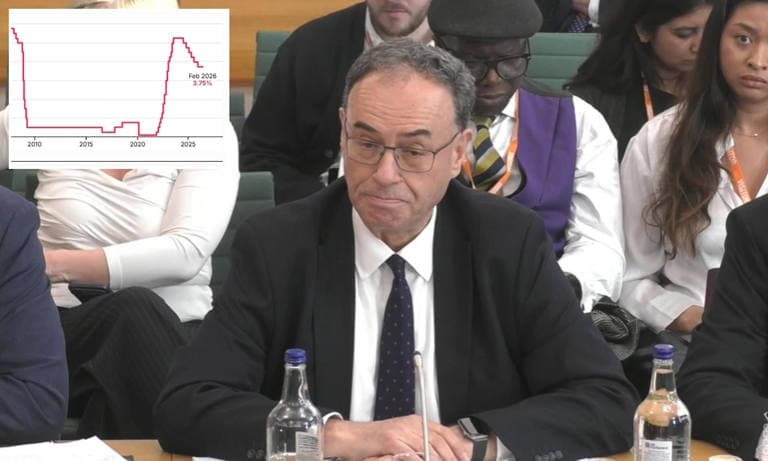
On February 5, the BoE held interest rates steady at 3.75%, a move widely anticipated by markets. However, the decision was notable for its **narrow 5-4 voting split**, revealing **significant internal disagreements** among policymakers. This division illustrates a **more cautious, data-dependent approach**, as the Bank grapples with persistent inflation, sluggish economic growth, and uncertain outlooks.
**Implications include**:
- The **pause indicates a 'wait-and-see' stance**, with policymakers hesitant to resume rate hikes until clearer economic signals emerge.
- Markets responded with a **sterling dip and a decline in gilt yields**, reflecting expectations for a **more dovish outlook** or policy caution.
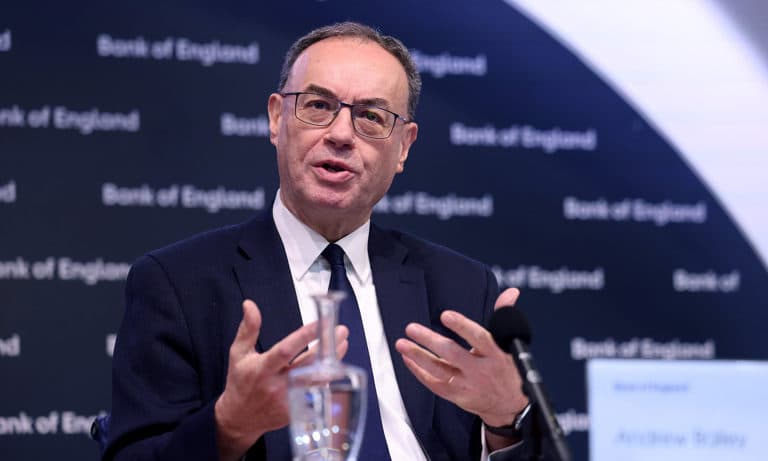
- **Governor Andrew Bailey emphasized policy flexibility**, stating the Bank remains **ready to cut rates if economic conditions worsen**, emphasizing a stance of **caution and adaptability**.
Adding to the internal debate, **discussions around reforms to the BoE’s governance structure are intensifying**, aiming to **strengthen its independence and credibility**. These reforms are viewed as essential for **enhancing transparency and market confidence**, which could influence future policy decisions.
### Macroeconomic Indicators and Political Reforms Support Caution
Recent data show **inflation easing slightly to around 3.0% in January**, down from 3.4% in December, yet still above the **2% target**. Consumer spending has softened, and **labour market indicators suggest a slowdown**, which could temper inflation but also pose growth risks.
Meanwhile, **political discussions on reforms to the BoE’s governance** are gaining momentum, with the aim of **bolstering the bank’s independence** and **decision-making credibility**. These reforms are perceived to be vital for **market confidence and long-term stability**.
Key macro signals include:
- The **January PMI for manufacturing revised upward to 51.8**, indicating ongoing industrial activity.
- An **uptick in export orders—the first in four years—and improved business confidence**, suggest cautious optimism despite vulnerabilities.
### External Risks and Strategic Communication
External shocks remain a persistent threat. A recent BoE policymaker warned that **US tariffs are “here to stay,”** highlighting **ongoing external tensions** that could **disrupt supply chains**, influence inflation, and add volatility to the GBP trajectory.
### Fiscal Stability and Institutional Credibility
Fitch Ratings reaffirmed the UK's sovereign credit rating at **'AA-' with a stable outlook**, bolstering confidence in fiscal management and institutional stability. This affirmation supports the sterling amid policy uncertainties.
### Parliamentary Scrutiny and Governance Reforms
On February 15, the **Treasury Select Committee scrutinized BoE officials**, including **Governor Bailey and Chief Economist Huw Pill**, emphasizing **transparency and market confidence**. Discussions on **further governance reforms** aim to **reinforce the bank’s independence**, an aspect generally viewed positively by markets for future stability.
### The UK’s Digital Gilt Pilot: A Technological Leap
A groundbreaking development is the **UK’s pilot issuance of digital gilts**, scheduled for **March 7, 2026**, in collaboration with **HSBC Holdings Plc**. This initiative aims to **modernize debt markets**, **enhance liquidity**, and **reduce issuance costs**.
**Potential impacts**:
- The **issuance of sovereign digital gilts** could **transform market dynamics**, **attract new investor segments**, and **improve liquidity**.
- This technological move positions the UK as a **leader in financial innovation**, potentially **supporting GBP valuation** and **enhancing its international competitiveness**.
---
## The Eurozone’s Resilience and Strategic Posture
Across the Channel, the eurozone demonstrates **notable resilience**:
- **Q4 GDP growth** was **+0.3%**, surpassing expectations.
- **Inflation slowed modestly to 1.7% in December**, still above the **ECB’s 2% target**, indicating **persistent inflationary pressures** that may require **extended accommodative policies**.
### Leadership and Internal Tensions within the ECB
Recent developments highlight **uncertainty regarding leadership changes within the ECB**. **Christine Lagarde**, the ECB President, has reaffirmed her commitment to **serve her full term**, offering reassurance amid broader internal tensions.
However, **internal friction persists**:
- Reports describe **staff as “confused, irritated, and uncertain”** over **Lagarde’s handling of policy exit strategies**, which could **undermine the ECB’s credibility**.
- **Speculation about leadership transitions** and disagreements over **timing of policy normalization** have intensified internal tensions, with some officials advocating for **more cautious, data-driven approaches**.
### Strategic Patience and Digital Euro Initiatives
The ECB continues to **prioritize patience**, signaling **possible extended rate hikes into 2027** to firmly anchor inflation expectations.
A critical focus remains on the **development of the digital euro**:
- Policymakers are actively exploring its potential to **enhance cross-border payments**, **strengthen euro resilience**, and **introduce new monetary policy tools**.
- Efforts aim to **increase the euro’s international role**, seeking to **expand euro-denominated assets’ global reach** and **bolster its share in international reserves**. These initiatives could **significantly influence currency valuation** and **geopolitical influence**.
### Leadership and Messaging Stability
In recent **Reuters reports**, Lagarde reiterated that **inflation and interest rate strategies remain “in a good place,”** aiming to **maintain market stability**. Nonetheless, **internal disagreements over exit timing and communication** persist, with **staff frustrations** raising concerns about **credibility and effective policy implementation**.
---
## External Risks and Geopolitical Shocks
External risks continue to loom:
- A **BoE policymaker warned that US tariffs are “here to stay,”** emphasizing **external tensions**.
- **Trade tensions and geopolitical conflicts** threaten to **disrupt supply chains**, exacerbate inflation, and influence currency flows—particularly GBP and EUR.
## Market and Technical Outlook
- The **EUR/USD** remains near **1.1800**, a critical level for **volatility and trading ranges**.
- The **GBP/USD** approaches **1.3834**, with potential for short-term swings driven by **policy signals and macroeconomic data**.
- **Gilt yields** and **SONIA futures**—trading around **96.4000**—continue to reflect **uncertainty about future rate paths**.
---
## Implications for Investors and Policymakers
In this environment, it is crucial to:
- **Monitor UK macroeconomic indicators**: inflation trends, employment figures, gilt issuance.
- **Follow BoE leadership signals** and **governance reforms** for insights into policy direction.
- **Track ECB developments**, including **leadership cues** and **progress on the digital euro**.
- **Stay alert to geopolitical risks**—US tariffs, trade tensions, and conflicts—that could disrupt markets.
- **Observe technical levels** in FX markets to anticipate short-term volatility.
---
## Current Status and Outlook
The GBP-EUR exchange rate remains deeply intertwined with **central bank policy signals, internal leadership dynamics, technological advancements, and external shocks**. The **diverging strategies**—the BoE’s cautious, internally divided approach versus the ECB’s strategic patience amid internal tensions—continue to influence currency movements.
Recent **ECB developments** further clarify the eurozone's outlook:
- The ECB expects **food inflation to settle just above 2%**, reinforcing the ongoing challenge of inflation management. This projection underscores the **persistent inflationary pressures** that may keep the ECB cautious yet patient.
- The **early retirement of Massimo Rostagno**, a key architect of the ECB’s loose monetary policy, signals potential shifts in **technical policy formulation** and **institutional knowledge transfer**. Rostagno’s departure at the end of the week could lead to **changes in policy communication and implementation**.
- The **adoption of an opinion on the appointment of the ECB’s future Vice-President** reflects ongoing leadership planning, with Boris Vujcic’s appointment signaling a move toward **stabilizing leadership** within the institution.
- The **monetary aggregate M3 growth** reached **3.3% in January 2026**, up from 2.8% in December, averaging **3.0% for the last quarter**. This increase in broad money supply suggests **continued liquidity support** and **cautious monetary easing**, which could influence inflation trajectories and currency strength.
---
## Final Thoughts
The GBP-EUR correlation remains highly sensitive to **central bank policies, leadership transitions, technological innovations, and external shocks**. The **UK’s cautious stance** amid internal divisions and the **ECB’s strategic patience** amid leadership changes and inflation pressures are key factors shaping currency movements.
**The appointment of Boris Vujcic as ECB Vice-President** signals a potential shift toward more **stabilizing leadership** in the eurozone, while the **UK’s digital gilt pilot** positions the UK as a **leader in financial innovation**. Meanwhile, **internal tensions within both central banks** highlight the importance of **clear communication and credible policy frameworks**.
As geopolitical hazards persist and technological frontiers expand, **market participants and policymakers must remain vigilant**, carefully monitoring **central bank cues, macroeconomic data, and geopolitical developments** to navigate the increasingly turbulent GBP-EUR landscape effectively.
---
*In sum*, the evolving strategies, leadership dynamics, and technological initiatives are reshaping the GBP-EUR relationship. The upcoming months will be pivotal—determining whether these developments lead to greater stability or heightened volatility across currency markets.