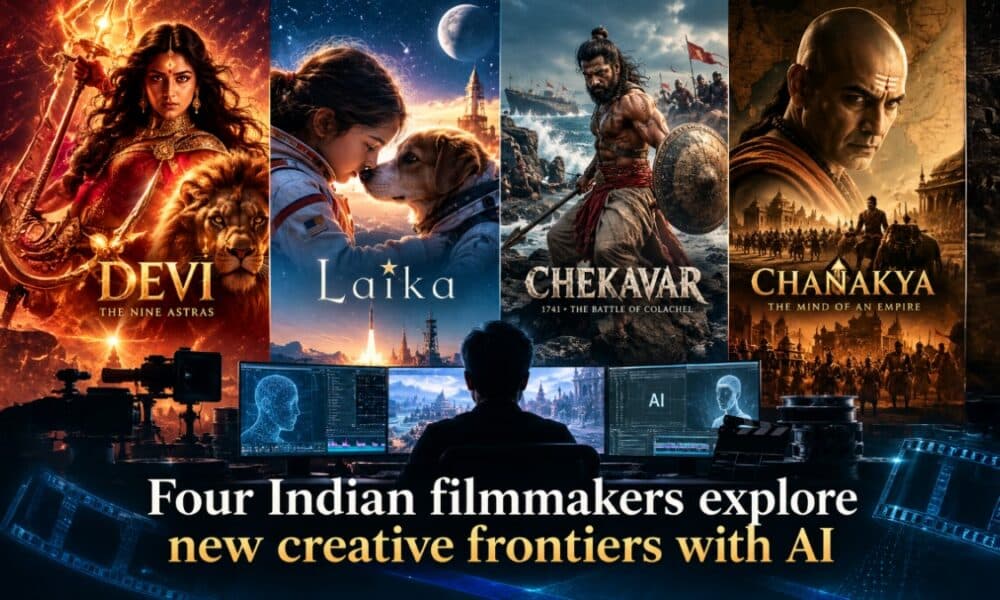
The creator economy in 2026 continues to evolve at an unprecedented pace, shaped by a dynamic interplay of **ownership-first monetization models, governance-by-design frameworks, AI integration, and robust cultural debates on authenticity and ethics**. Recent developments underscore how creators are moving beyond transactional gigs toward **equity-driven collaborations**, while embedding provenance and consent directly into AI-assisted workflows to protect and scale their intellectual property (IP). Meanwhile, the cultural and legal landscape is rapidly adapting to the realities of AI-generated content, prompting new transparency standards and ethical governance models that empower creators as stewards of their work in an increasingly automated world.
---
### Ownership-First Monetization Deepens: Equity, Co-Ownership, and AI Co-Founders Gain Traction
The shift from ephemeral sponsorships toward **Creator-to-Business (C2B) partnerships and co-ownership models** is now a defining feature of the 2026 creator economy. Creators assume roles as equity partners, not just content suppliers, embedding themselves in long-term ventures that convert creative capital into sustainable enterprises.
- **Smart contracts and blockchain royalty automation** remain foundational, with platforms like **TopFan** delivering transparent, real-time revenue splits that foster trust and reduce disputes.
- Creators increasingly co-develop IP and products with brands, influencing innovation and narrative direction from inception. This approach stabilizes income streams and redefines creator-brand relationships as strategic collaborations.
- The emergence of **AI co-founders and zero-person businesses**, where autonomous AI agents such as **OpenClaw** and **Manus** manage operational and creative functions, signals a bold new frontier. As explored in the podcast *“Your AI Co-Founder: OpenClaw, Manus & the Zero-Person Business,”* these models enable lean, scalable creator enterprises that integrate human creativity with AI-driven business management.
- Notably, auteur filmmakers and mainstream creators are experimenting with AI in production—Chinese director **Jia Zhangke’s Seedance 2.0 short film** exemplifies how AI tools are being woven into artistic workflows, heralding a new era of hybrid human-AI authorship.
These trends collectively cement ownership-first monetization as the core driver of creator economics, emphasizing **long-term value, equity, and collaborative innovation** over fleeting transactional engagements.
---
### Governance-by-Design & Provenance: Embedding IP Stewardship in AI-Enhanced Creative Pipelines
With AI-generated and AI-assisted content surging, **governance-by-design**—embedding metadata, licensing, and consent directly into creation workflows—has become indispensable for protecting IP and authenticity.
- Cutting-edge tools like **Runway Gen 4.5** and **Pikimov 5** now facilitate **live provenance metadata tracking** and licensing embedding during virtual production and AI-driven editing, making ownership and usage rights transparent and enforceable from the earliest stages.
- The **Power AI Workflow Playbook** continues to guide creators through ethical AI integration, ensuring provenance and human agency are preserved.
- FilmForge AI’s latest update introduces **ethical camera planning tools** that deliberately avoid AI content generation in cinematography, reaffirming the importance of **human-in-the-loop creative control**.
- Blockchain-based provenance solutions such as **IndieMe.ai’s Iron Dome** provide immutable ownership records, helping creators assert legal clarity and defend against IP disputes in an increasingly complex AI media ecosystem.
- The industry-wide embrace of transparency is documented in *“Transparency emerges as creator economy standard in 2026,”* which shows how provenance and consent have transitioned from aspirational ideals to baseline expectations demanded by both creators and audiences.
- Echoing these developments, filmmaker **Shekhar Kapur’s assertion that “Movie Stars Will Be AI Created”** highlights the urgency of provenance and consent frameworks as AI-generated digital personas become a reality, further intensifying ethical and legal challenges.
Together, these governance innovations ensure creators retain control and stewardship over their works even as AI tools become more embedded in the creative lifecycle.
---
### Creator Business Strategies: Diversification, Multi-Platform Retention, and Creator-Led Tooling in an AI Era
In response to platform volatility and the complexity of AI workflows, creators are adopting **multi-dimensional business strategies** designed for resilience and sustained growth.
- Multi-platform approaches, championed by creators like **Crunch Labs** and **Mark Rober**, combine AI-enhanced production with consistent branding and audience trust, buffering against unpredictable algorithmic changes.
- Jordan Matter’s **retention-first framework** emphasizes cultivating durable, loyal audiences over chasing viral spikes, ensuring steady revenue flows and deeper engagement.
- Innovative creator management platforms such as **Made by All**, led by **Leanne Perice**, centralize income streams, rights management, and audience analytics, professionalizing creator enterprises and reducing dependence on third-party platforms.
- The rise of **creator-built software ecosystems**, showcased in *“Creators Building Software (w/ Miles Sellyn),”* empowers creators to customize workflows, automate IP management, and decentralize operational control.
- AI co-founders and zero-person business models further optimize operations by automating routine tasks, allowing creators to scale without traditional overhead.
These strategies underscore the importance of **ownership, diversification, and technological empowerment**, enabling creators to thrive despite the uncertainties of platform ecosystems.
---
### Cultural and Legal Debates: Authenticity, Transparency, and Ethical Stewardship Shape AI Content Standards
The proliferation of AI-generated content has intensified cultural demands for **authenticity, transparency, and ethical governance**, reshaping industry norms and creator expectations.
- Grassroots campaigns like the **“NOT AI” label movement** have propelled audience engagement increases of over 40%, illustrating broad viewer insistence on clear human authorship and content provenance.
- Platforms such as Instagram have implemented transparent AI content labeling policies, reinforcing accountability and building trust, as communicated recently by Adam Mosseri.
- Legal and educational resources, including the podcast *“AI Without the Lawsuits - How to Build Without Burning Your IP,”* provide creators critical guidance on embedding provenance metadata and navigating the complex IP landscape surrounding AI.
- Ethical issues around biometric consent, voice cloning, and digital identity are being foregrounded in conversations with industry leaders like **Luke Harries from ElevenLabs**, emphasizing the need for responsible voice technology development and robust user consent frameworks.
- Projects like Justine Bateman’s *RACE TRACK* illustrate the tension between short-term viral monetization and long-term IP stewardship, highlighting the risks when commercial pressures eclipse creative control.
These debates are accelerating the adoption of **industry-wide transparency standards and ethical best practices**, fostering a creator economy that balances innovation with responsibility.
---
### Community and Open-Source Governance: Decentralizing Control Amid AI Platform Centralization
As AI platforms consolidate power, a grassroots movement toward **community-driven governance, open-source innovation, and decentralized stewardship** is gaining momentum.
- The collapse of ventures like Higgsfield AI has galvanized advocates such as Anil Chandra Naidu Matcha to promote **Web3-inspired decentralized models** that prioritize creator consent, transparent provenance, and equitable revenue sharing.
- Industry forums such as **CPH:DOX** and panels organized by **AIMICI** convene creators, technologists, and ethicists to debate AI’s dual role as collaborator and disruptor, emphasizing the preservation of human storytelling expertise.
- Thought leadership essays like *“Designing the Future of Media: Where Culture, Content, and Technology Collide”* call for ethics and governance to be embedded directly into innovation pipelines to safeguard creator empowerment.
- Creator-led projects, championed by figures like **Miles Sellyn**, exemplify decentralization efforts, enabling creators to tailor workflows and manage IP independently of dominant platform gatekeepers.
These initiatives are paving the way for **transparent, equitable, and community-oriented AI media ecosystems**, counterbalancing centralized platform dominance and reinforcing creator sovereignty.
---
### Recent Highlights and Emerging Trends
- **Jia Zhangke’s Seedance 2.0 short film** marks a significant milestone as a prominent auteur director experiments with AI filmmaking techniques, signaling mainstream industry interest in hybrid human-AI creative processes.
- Cinema veteran **Shekhar Kapur’s prediction that “Movie Stars Will Be AI Created”** underscores the accelerating cultural and technological shifts that demand robust provenance and consent frameworks.
- Educational resources such as **“AI Video Creation for Documentaries + Editing Techniques | Full Class Recording #grok #grokai”** offer creators practical insights into integrating AI tools while maintaining ethical and legal compliance.
- The ongoing dialogues with leaders like **Luke Harries of ElevenLabs** provide critical perspectives on voice synthesis ethics, biometric consent, and responsible AI technology deployment.
These developments reinforce the trajectory toward an ownership-first, governance-centric, and culturally grounded creator economy empowered by AI.
---
### Conclusion: Creators as Architects of an Equitable, AI-Augmented Future
In 2026, creators have transitioned from gig workers to **entrepreneurs and custodians of culture**, harnessing smart contracts, embedded governance, diversified strategies, and ethical frameworks to build resilient, ownership-driven enterprises.
- Automated royalty management and transparent revenue sharing via blockchain simplify complex income streams.
- Governance-by-design embeds provenance, consent, and IP stewardship into AI-augmented workflows, safeguarding creative agency.
- Multi-platform retention strategies and creator-built tooling reduce platform dependency and deepen audience relationships.
- Transparency mandates around AI content labeling and biometric consent reinforce authenticity and ethical standards.
- Decentralized, community-led governance models counterbalance centralized AI platform power, democratizing control.
Together, these converging trends define a sustainable and innovative digital creative future where AI amplifies human creativity and economic sovereignty—empowering creators to thrive as storytellers, entrepreneurs, and ethical stewards of culture.
---
### Selected Updated Resources for Further Insight
- *Jia Zhangke tests AI filmmaking with Seedance 2.0 short film*
- *Shekhar Kapur: 'Movie Stars Will Be AI Created' - Rediff.com*
- *Why the Smartest Brands Are Betting on Creators* – Kerry Flynn (Axios)
- *Creators Building Software (w/ Miles Sellyn)*
- *How Leanne Perice Is Building the Future of Creator Management at Made by All*
- *S2E24: AI Without the Lawsuits - How to Build Without Burning Your IP* (Podcast)
- *Authenticity in the Age of AI: The Future of Human Storytelling* – Solomon Williams (Ai Advantage)
- *The Wild West of Generative Media Ends as IndieMe.ai Deploys Iron Dome Infrastructure to Protect Human Creativity*
- *Decentralized Creator Economies: Are DAOs the Future or a Dead End?*
- *2026: Transparency Becomes a New Standard in the Creator Economy* (The AI Journal)
- *The New Film Business - Justine Bateman's RACE TRACK*
- *AI Video Creation for Documentaries + Editing Techniques | Full Class Recording #grok #grokai*
- *52. Your AI Co-Founder: OpenClaw, Manus & the Zero-Person Business* (Podcast)
- *An interview with Luke Harries, Growth / Engineering at ElevenLabs*
By embracing ownership-first monetization, embedding governance-by-design, diversifying business strategies, and engaging with cultural and ethical debates, creators are not only adapting but actively **shaping an equitable, AI-empowered future for creative industries worldwide**.