Winter backpacking endures as one of the most demanding outdoor disciplines—a convergence of **time-honored wilderness wisdom and cutting-edge innovation** that tests skill, gear, judgment, and mental toughness against the planet’s coldest environments. Recent insights, now enriched by evolving vehicle-based winter camping setups and solo expeditions into extreme cold, deepen our understanding of how to thrive safely and confidently in subzero conditions. These developments reinforce the primacy of **core survival skills, modular and repairable gear systems, advanced risk management, and adaptable minimalist strategies**, all grounded in pragmatic field experience and continual learning.
---
## Reinforced Foundations: Core Skills as Pillars of Winter Resilience
Despite leaps in gear technology, **fundamental skills remain the indispensable foundation** for winter wilderness success. Recent experiential narratives and instructional content continually underscore their life-saving value:
- **Primitive Firecraft as Cold-Weather Lifeline**
Accounts from full-time winter truck campers navigating Canada’s frozen wilds vividly demonstrate how friction fire-starting and ember management are essential fallbacks when modern igniters succumb to moisture or freezing. This skill transcends practicality, anchoring psychological calm and empowering deliberate action under pressure. Mastery converts fire from a vulnerable resource into a reliable lifeline for warmth, cooking, and morale.
- **Navigation Mastery Beyond Batteries**
Winter veterans emphasize that **dependence on GPS and smartphones is precarious** due to battery drain and signal loss in whiteouts. Regular, deliberate practice with map and compass ensures rapid, accurate navigation—often the ultimate difference between safety and catastrophe.
- **Cold-Specific Water Procurement and Treatment**
Frozen water sources and contamination risks demand fluency with multiple purification methods—chemical, filtration, UV—capable of functioning reliably at subzero temperatures. Efficient hydration is critical for thermoregulation and cognitive function, directly reducing hypothermia risk.
- **Advanced Cold-Weather First Aid and Early Symptom Recognition**
Updated training protocols stress acute awareness of subtle hypothermia and frostbite symptoms. Immediate countermeasures—active warming, sheltering, hydration—must be executed promptly. Customized cold-weather first aid kits, stocked with specialized supplies, have become standard in successful winter quivers.
- **Mental Resilience: Humor, Calm, and Positive Reframing**
Podcasts like *“How to Fail at Backpacking …and Still Have Fun”* illustrate that psychological agility—embracing setbacks with humor and solution-oriented calm—sustains morale and transforms adversity into growth.
- **Weather-Contingency Planning and On-Trail Decision-Making**
New instructional videos such as *“When Weather Turns Bad on a Backpacking Trip”* highlight that **anticipating sudden weather shifts and maintaining proactive contingency plans are critical survival strategies**. Key lessons include:
- Carrying emergency gear beyond the planned minimum (extra layers, shelter, food).
- Recognizing early weather warning signs and making conservative route choices.
- Prioritizing safety over itinerary adherence, with readiness to pause, hunker down, or abort.
The mindset shifts from reactive to anticipatory adaptability.
---
## Gear Philosophy: Modular, Repairable, and Cold-Specific Innovations in Action
Winter gear design continues evolving with a focus on **modularity, durability, field repairability, and specialized cold-weather performance**—a shift reinforced by new vehicle-based winter camping expeditions:
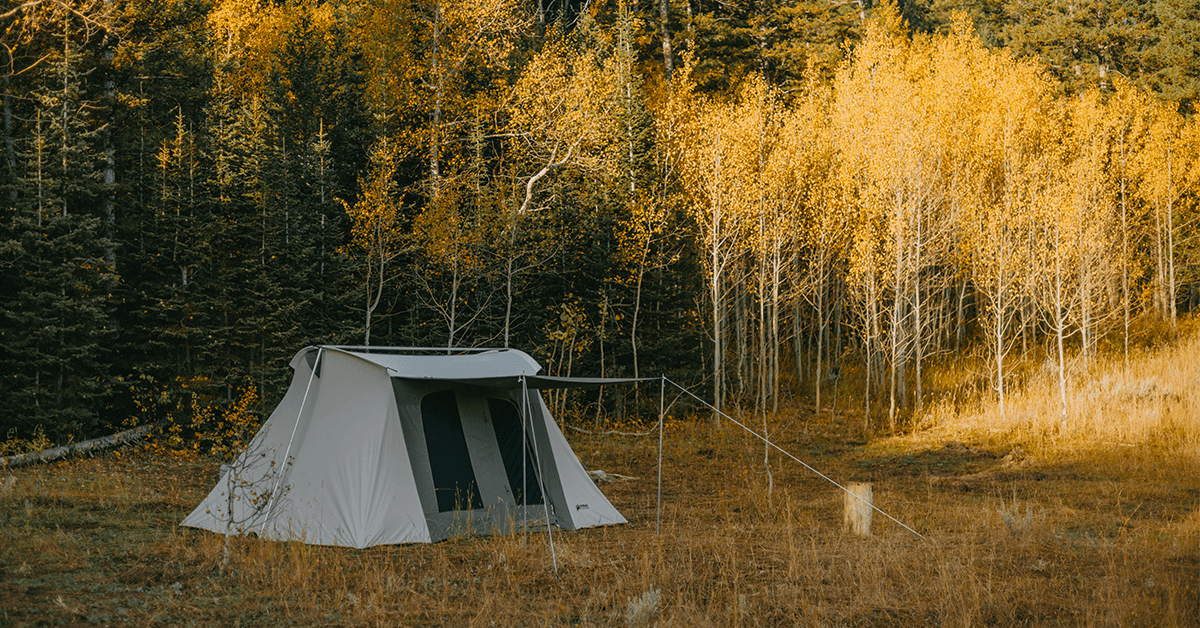
- **Hot-Tent Wood Stove Systems: Proven Comfort Meets Critical Safety**
Field reports from blizzard-bound car campers using hot tents with wood stoves reveal the profound benefits:
- Renewable fuel from local wood reduces reliance on fragile gas canisters vulnerable to freezing or leakage.
- Stable, controllable warmth sustains safety and comfort during multi-day storms.
- Cooking and drying inside the shelter diminishes hypothermia risks from wet gear.
However, **carbon monoxide safety remains paramount**. Recent vehicle-based winter camping videos, including *“Men Want This Awesome Camping Setup | Future of Camping”* (Tesla Cybertruck) and *“WEEKENDERLANDER EP 72 - Getting The Tacoma Dialed in -4° Cold Colorado”*, emphasize strict ventilation protocols, continuous CO monitoring, and stove placement as non-negotiables to prevent poisoning.
- **Winter-Optimized Shelters and Modular Components**
Trusted guides like *“The 13 Best Tents for Happy Camping”* align with field experiences in recommending shelters such as the *White Duck Alpha Wall Tent*, *Durston X-Dome 1+*, and *Big Agnes Copper Spur UL 2* for their blend of lightweight durability and repairability.
Modular add-ons—vestibules, snow walls, bivy sacks—allow rapid adaptation to changing weather and terrain.
- **Zoned Sleep Systems and Repair-Ready Packs**
Innovations like the Katabatic Gear Palisade pad provide critical zoned insulation to block conductive heat loss from snowpack. Packs such as the Pingora Outro 55, with Dyneema framing, offer modular load distribution and field-repair options essential for winter reliability.
- **Cold-Weather Stoves, Cookware, and Footwear**
The Sumet Flare Stove continues to excel for its cold-weather efficiency and modularity, especially in stove-jack tents. Titanium cookware offers durability and weight savings. Footwear systems now emphasize layered insulation paired with traction aids—microspikes, crampons—to maintain mobility and prevent slips on icy terrain.
- **Rapid Deployment and Repair-Ready Organization**
Inspired by *“Overland Gear Grab-Rapid Deployment that actually works”*, modern packing strategies focus on:
- Immediate access to fire-start kits, emergency shelters, and first aid supplies.
- Strategic load balancing (heavy gear near spine, insulated sleeping bags centrally) for stability and warmth retention.
- Compact repair kits with Dyneema patches, pole splints, strap fixes, and multi-tools to prevent minor failures from escalating.
---
## Advanced Winter Risk Management: Integrating Tradition with Emerging Technologies
Winter backpackers now blend foundational cold-weather practices with innovative technologies to mitigate risks more comprehensively:
- **Portable Power Stations Extend Electronic Reliability**
Devices like the ALLPOWERS P300 power station (*“This Tiny Power Station Can Run MORE Than You Think!”*) are becoming mission-critical, powering GPS units, radios, heated clothing, stove igniters, and water purifiers in subzero environments where conventional batteries fail rapidly. Vehicle-based winter campers, including those featured in Tesla Cybertruck and Tacoma setup videos, demonstrate how integrated power stations enable longer, safer stays off-grid.
- **Off-Grid Communication Systems**
Handheld radios, as detailed in *“Overland Handheld Radio Kit | 2-Person Comms”*, provide essential backup communication during whiteouts or cellular dead zones, facilitating group coordination and emergency signaling.
- **Carbon Monoxide Mitigation**
Continuing emphasis on CO safety in wood-stove hot tents stems from recent field experiences, especially in enclosed vehicle camping scenarios. Proper ventilation, stove placement, and CO alarm use are now recognized as mandatory safety protocols.
- **Avalanche Preparedness as a Standard**
Avalanche transceivers, probes, shovels, and terrain-assessment training, highlighted in *“What to Carry in the Mountains | Snowshoeing, Hiking & BC Skiing Essentials”*, are indispensable for travel in snow-covered mountain terrain, dramatically reducing fatality rates.
- **Mobility and Condensation Control Advances**
Combining snowshoes, skis, and crampons with comprehensive repair kits ensures consistent mobility on snow and ice. Improvements in shelter materials and ventilation techniques reduce condensation buildup, preserving insulation efficiency and minimizing hypothermia risk.
- **Trekking Pole Technique for Stability and Endurance**
Proper trekking pole use, as outlined in *“How To Use Trekking Poles Properly - Explore Gears”*, mitigates slips, distributes effort, and enhances balance on treacherous winter terrain—simple yet critical tactics for safe travel.
---
## Minimalist and Fastpacking Adaptations: Safety Through Skill and Smart Gear
Winter backpacking’s reputation for heavy, maximalist loads is being reframed by emerging minimalist and fastpacking approaches that emphasize **skill mastery and multi-use gear for safe, nimble travel**:
- Gilad Nachmani’s philosophy, presented in *Beyond the Trailhead Podcast Ep. 17*, casts minimalism as “simplicity and reliability, not sacrificing safety.” Mastery of core skills paired with durable, versatile gear enables responsible weight reduction without compromising survival essentials.
- The video *“How I Escaped Winter With a Cheap, 1 Night Fastpacking Trip (Even While on Vacation)”* showcases rapid shelter deployment, compact sleep systems, efficient hydration, and streamlined firecraft, demonstrating the viability of safe, short winter excursions.
This evolution broadens winter backpacking’s accessibility, proving that safety-first principles scale effectively from extended expeditions to brief outings.
---
## Practical Field Tactics: Efficiency, Resilience, and Lifelong Learning
Seasoned winter backpackers advocate a holistic approach blending **strategic organization, repair readiness, ongoing skill refreshment, and psychological resilience**:
- **Strategic Pack Organization**
Distributing heavy items near the spine, placing insulated sleeping gear centrally, and balancing loads optimize stability and retain warmth on slippery, uneven terrain.
- **Tailored Repair Kits**
Compact, multipurpose kits enable swift field fixes, preventing small gear issues from escalating into survival crises.
- **Regular Skill Refreshers**
Continuous practice of firecraft, shelter construction, navigation, cold-specific first aid, and trekking pole use maintain adaptability and confidence.
- **Mental Resilience Practices**
Humor, calm problem-solving, and morale maintenance transform challenges into growth opportunities—a recurring theme in winter survival narratives.
- **Learning from Setbacks**
Recent vehicle-based winter camping case studies, including Tesla Cybertruck, Toyota Tacoma, and solo clifftop Idaho winter expeditions, reveal that **gear and procedural improvements often originate in failure**. These real-world lessons underscore that setbacks are invaluable for refining stove use, shelter strategies, ventilation protocols, power management, and emergency planning.
---
## Conclusion: The Evolved Winter Backpacking Playbook — Mastery Through Integration
Winter backpacking has matured beyond brute survival into a **skill-driven, safety-first discipline where tradition and innovation converge**. The contemporary playbook integrates:
- **Reinvigorated foundational skills**—primitive firecraft, navigation, hydration, first aid, mental resilience, and weather contingency planning—that withstand winter’s brutal trials
- **Modular, repair-ready, cold-specific gear systems**—from hot-tent wood-stove shelters to zoned insulation pads and rapid-deploy pack organization
- **Advanced risk management protocols**—portable power stations, off-grid communications, avalanche preparedness, carbon monoxide mitigation, and mobility innovations
- **Scalable minimalist approaches** that adapt safety-first principles from fastpacking jaunts to multi-day expeditions
- **Practical field tactics** optimizing organization, repair readiness, continual skill refreshment, and psychological fortitude
By embracing this integrated framework—where **knowledge, gear, and mental toughness converge**—winter backpackers confidently meet nature’s harshest challenges. Recent vehicle-based and solo winter camping expeditions reinforce that the winter wilderness remains a demanding classroom, but today’s evolved strategies transform it into a realm of profound growth, memorable adventure, and enduring safety.