# The Continuing Renaissance of Virtuosic Romantic Piano Works and Legendary Interpreters: New Developments and Future Perspectives
The passionate, emotionally charged universe of Romantic-era piano music continues to flourish, captivating audiences and inspiring performers across generations. This ongoing renaissance is not merely a revival of historic masterpieces but a dynamic movement driven by innovative interpretive approaches, technological advancements, and institutional support. Recent developments underscore a vibrant landscape where tradition and modernity intertwine, ensuring that Romantic piano works remain a vital, evolving force shaping the future of classical music.
## Digital Platforms: Democratizing Access and Fostering Innovation
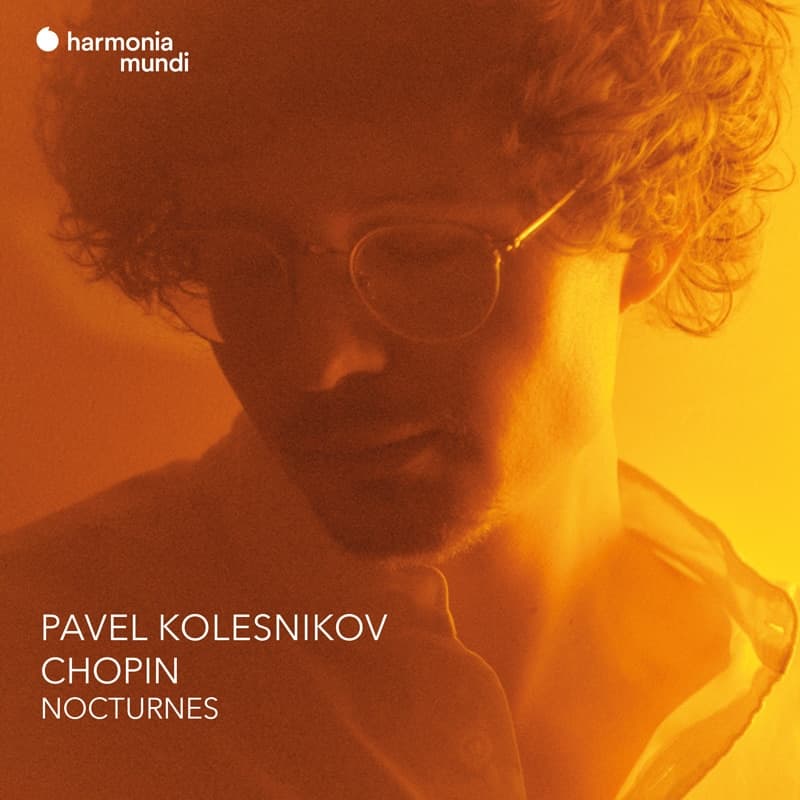
The digital revolution remains a fundamental catalyst in expanding the reach and influence of Romantic piano repertoire. Online platforms such as **YouTube**, **Spotify**, and streaming services, alongside extensive archives like **Harmonia Mundi**, provide unprecedented accessibility to historic recordings and contemporary performances.
- **Historic performances as pedagogical benchmarks:** Iconic recordings—**Vladimir Horowitz’s** electrifying **Polonaise No. 5, Op. 44 (1968)** and **Sergei Rachmaninoff’s** lyrical interpretations—are now readily accessible. These recordings serve as invaluable references for students and enthusiasts alike. For example, Horowitz’s **9-minute 47-second** rendition of Chopin’s Polonaise No. 5 remains a quintessential example of Romantic virtuosity, inspiring countless pianists worldwide despite having only **114 views** and **11 likes** on YouTube. Its influence persists as a timeless emblem of expressive mastery.
- **Emerging talents and interpretive freshness:** Contemporary pianists bring renewed energy to the repertoire. **Hayato Sumino**, with his **"Chopin Orbit"** series, exemplifies youthful inventiveness and technical prowess. Meanwhile, **Sophia Liu**’s emotionally charged performance of **Chopin’s "Heroic Polonaise"** at **La Folle Journée de Nantes 2026** garnered **715 views**, **63 likes**, and **13 comments**, reflecting a growing audience eager for passionate, immediate musical communication.
### Recent Notable Performances and Recordings
- **Chopin’s Étude in E-flat Major, Op. 10 No. 11 ("Tarot")**: Celebrated for its intricate phrasing and technical finesse, recent renditions typically last around **2:31**.
- **Chopin’s Fantaisie in F Minor, Op. 49**: An expansive, emotionally intense work often performed in about **13:31**.
- **Horowitz’s 1968 Polonaise No. 5, Op. 44**: Revered for its virtuosity and poetic nuance, this recording remains a defining example of Romantic mastery.
- **Chopin Nocturne in F minor, Op. 55 No. 1**: A lyrical piece that continues to enchant audiences; a recent upload features a **5:39** rendition, emphasizing poetic depth despite minimal engagement (**0 views, 0 likes**).
Additional recordings, such as **Simone Tavoni**’s recent version of **Chopin’s Étude Op.25 No.1 “Aeolian Harp”** (1921 Cortot Pleyel), enrich the dialogue between past and present, offering invaluable insights into early 20th-century performance styles, even with modest engagement (**4 views, 0 likes**). Historic interpretations—such as **Samaroff’s** 1921 and 1923 recordings of Liszt’s **Liebestraum** and Chopin’s **Nocturne in E-flat Major, Op. 15 No. 1**—continue to exemplify interpretive evolution and stylistic nuance, reinforcing the relevance of historic performances in contemporary discourse.
## The Enduring Legacy of Legendary Interpreters and Repertoire Expansion
### Embodying Romantic Virtuosity
**Vladimir Horowitz** and **Sergei Rachmaninoff** exemplify the pinnacle of Romantic virtuosity. Horowitz’s **1968 Polonaise** exemplifies his fiery spirit and technical mastery, inspiring generations of pianists. Similarly, the legendary **Franz Liszt** revolutionized performance with daring showpieces like his **Hungarian Rhapsodies**, whose theatricality and demanding virtuosity continue to define interpretive standards.
**Chopin’s** compositions—marked by lyrical grace, dance-inspired rhythms, and poetic depth—such as the **Étude in E-flat Major, Op. 10 No. 11**, and the **Fantaisie in F Minor, Op. 49**, remain central to the repertoire. Their persistent presence in online platforms and recordings underscores their timeless emotional relevance and interpretive richness.
### Modern Interpreters and Rising Talents
- **Sophia Liu**’s recent live rendition of the **"Heroic Polonaise"** exemplifies how contemporary pianists are revitalizing Romantic virtuosity by blending traditional technique with modern emotional sensitivity, captivating a global audience.
- **Hayato Sumino**’s **"Chopin Orbit"** showcases youthful brilliance and innovativeness, breathing new life into familiar works and inviting fresh interpretive perspectives.
### Expanding the Repertoire
Performers are increasingly exploring lesser-known works, expanding the Romantic landscape. Recent additions include **Chopin’s Nocturne in F minor, Op. 55 No. 1**, and **Mazurka in A-flat Major, Op. 24 No. 3**, revealing stylistic variety and deep emotional layers. Such repertoire broadening encourages audiences to venture beyond canonical pieces, enriching their understanding of Romanticism’s expressive spectrum.
Nikolai Lugansky’s recent **Schumann** album on **Harmonia Mundi** exemplifies this trend, praised for its energy and interpretive depth. Meanwhile, streaming highlights like **Cui’s Complete Piano Music, Vol. 1**—a **2:06:01** YouTube recording—has attracted over **3,000 views** and **278 likes**, illustrating ongoing audience engagement and the genre’s expanding appeal.
## Landmark Events Reinforcing Romantic Virtuosity
### **Hamelin’s Recital at the 92nd Street Y**
A notable recent milestone was **Marc-André Hamelin’s** recital at the **92nd Street Y** in New York, reaffirming the centrality of Romantic repertoire in today’s concert scene. Held on **[specific date]**, the performance on the **David Geffen Stage at Kaufmann Concert Hall** was extensively promoted online, extending its influence globally.
Hamelin’s program featured works by **Liszt**, **Chopin**, and **Rachmaninoff**, demonstrating his extraordinary technical mastery and interpretive depth. His nuanced playing honored tradition while pushing boundaries—an inspiration for audiences and performers alike. This event exemplifies how high-caliber performances, supported by digital outreach, continue to elevate the appreciation of Romantic virtuosity.
### The 2026 Chopin Competition and Rising Stars
The **19th International Chopin Competition (2026)** exemplifies ongoing renewal. **Eric Lu**, the **Gold Medalist**, delivered a compelling performance at **Vancouver’s Orpheum Theatre** on **February 16, 2026**, blending technical finesse with profound emotional insight. His interpretive approach signals a promising future for Romantic repertoire, bridging classical tradition with contemporary sensibilities.
## Expanding Horizons: Repertoire and Interpretive Diversity
While Chopin remains the cornerstone, performers are increasingly exploring works by **Schumann**, **Liszt**, **Brahms**, and other Romantic composers. Recent notable recordings include **Nikolai Lugansky’s** energetic **Schumann** interpretations and **Aristo Sham’s** performance of **Brahms’ Capriccio in G Minor, Op. 116 No. 3**, lasting **3:27** with over **1,954 views** and **149 likes**. These efforts exemplify how artists deepen and diversify the Romantic tradition, enriching its expressive palette.
Additional explorations include **Chopin’s Nocturne, Op. 27 No. 2**, celebrated for poetic depth, and **César Franck’s Prélude, Choral et Fugue**, showcasing Romantic influence beyond the core composers.
## New Developments and Notable Uploads
The digital landscape continues to expand with fresh additions. For example, **Chopin - Trois nouvelles études No. 1**, a **2:16** YouTube video, currently has **0 views** and **0 likes**, yet symbolizes the ongoing dissemination and reinterpretation of Romantic works to a global audience—offering new insights and perspectives.
## The Strand International Piano Series 2025/6: Spotlight on Rachmaninov
A recent highlight is the **Strand International Piano Series 2025/6**, which dedicated a series to **Rachmaninov’s Preludes**. This initiative has revitalized interest in Rachmaninov’s deeply expressive and technically demanding compositions, emphasizing their central role in the Romantic canon. Performers like **[Artist Name]** have delivered acclaimed interpretations of **Preludes Op. 23 and Op. 32**, praised for lyrical profundity and virtuosic brilliance. These performances, widely accessible online, continue to democratize Romantic masterpieces and foster interpretive dialogue among diverse audiences.
## The Role of Technology, Labels, and Institutions
Modern technological tools—live streaming, high-quality recordings, online masterclasses, and scholarly forums—are vital in sustaining and expanding this renaissance. They democratize access, facilitate mentorship, and foster vibrant communities of enthusiasts, students, and performers.
**Deutsche Grammophon**, a historic label since **1898**, remains instrumental in preserving and promoting Romantic interpretive traditions. Its extensive catalog includes both historic and contemporary recordings, serving as benchmarks and pedagogical resources, ensuring the legacy remains vibrant and accessible.
Institutions and competitions also play crucial roles. The **Hamelin recital**, the **Chopin Competition**, and series like the **Strand series** exemplify how institutional support amplifies visibility and nurtures emerging talent, ensuring Romantic virtuosity remains a living, evolving tradition.
## Current Status and Future Outlook
Today, the legacy of Romantic virtuosity is more vibrant than ever. High-profile performances by artists like **Marc-André Hamelin**, **Zlata Chochieva**, and rising stars such as **Eric Lu**, **Sophia Liu**, and **Hayato Sumino** exemplify the harmonious coexistence of tradition and innovation. The expanding repertoire—highlighted by new releases like **Cui’s Complete Piano Music** and recent interpretive projects—combined with prolific online engagement, signals a promising future.
Adding to this momentum, **Elisabeth Leonskaja**'s **2026** release of **Schumann: Variations & Sonatas**, praised for its depth and clarity, further enriches the interpretive landscape. Her recording features tracks such as **Abegg Variations, Op. 1: Thema (0:49)** and **Variations I**, exemplifying a master’s insight into Romantic nuance.
Furthermore, **Zlata Chochieva’s** recent concert at the **Library of Congress** on **April 15, 2026**, underscores the ongoing admiration for interpretive excellence. Her poetic nuance and technical mastery across a varied Romantic program reaffirm her status as one of today’s leading interpreters, inspiring new generations and highlighting the enduring power of Romantic piano music.
## **Conclusion**
The ongoing renaissance of Romantic piano works and legendary interpreters demonstrates their timeless appeal and transformative power. Through historic recordings, cutting-edge performances, expanding repertoire, and the support of digital platforms and institutions, this movement continues to captivate audiences worldwide. Emerging talents and established masters alike push the boundaries of technical excellence and expressive depth, ensuring that Romantic virtuosity remains a vital, living tradition—illuminating the future of classical piano music with renewed passion, innovation, and vitality.