# The Cutting Edge of Video-Language Models, Multimodal Perception, and Autonomous Reasoning: Recent Breakthroughs and Strategic Developments
The field of artificial intelligence (AI) continues to surge forward at an unprecedented pace, driven by groundbreaking advancements in multimodal perception, scalable training architectures, and autonomous reasoning capabilities. Building upon prior progress, recent innovations underscore a new era where AI systems are becoming more perceptive, autonomous, and trustworthy—capable of understanding complex environments, reasoning across diverse modalities, and acting with minimal human intervention. These developments not only expand the horizon of applications across autonomous vehicles, robotics, and scientific discovery but also raise crucial questions about safety, ethics, and global competitiveness.
This comprehensive update highlights the most significant recent progress, strategic industry movements, and technological innovations shaping the future landscape of AI.
---
## Rapid Advancements in Video-Language and Multimodal Models
**Real-Time Multimodal Processing and High-Quality Synthesis**
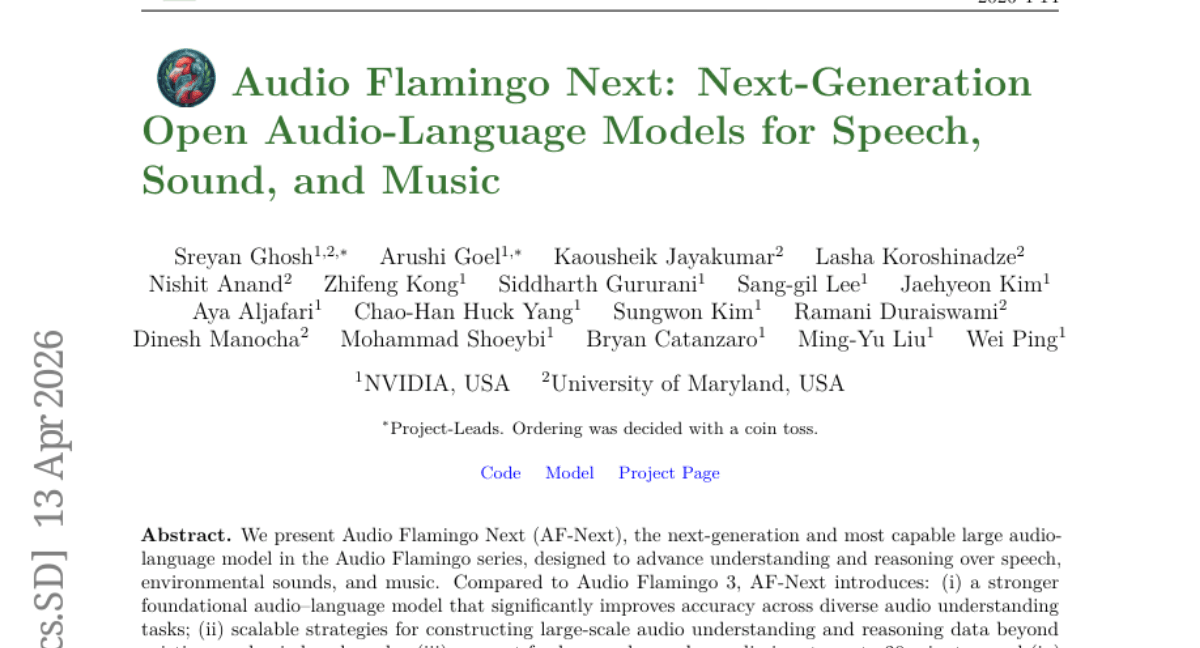
The push toward **real-time perception** and **high-fidelity synthesis** has yielded notable models and APIs. For instance, **OpenAI’s gpt-realtime-1.5**, integrated into their **Realtime API**, emphasizes **tighter instruction adherence** in speech-based agents. This model enhances reliability for **voice workflows**, enabling AI to interpret and respond with minimal lag, crucial for applications like virtual assistants, live translation, and interactive robotics.
Simultaneously, **Google AI’s Nano-Banana 2** exemplifies a leap in **fast, high-quality image synthesis**. This model achieves **sub-second 4K image generation** with **advanced subject consistency**, marking a significant milestone in **generative multimodal AI**. Its efficiency supports **interactive applications**, such as immersive media, rapid prototyping, and augmented reality, where **speed and fidelity** are paramount.
**Enhanced Video Understanding through Codec and Transformer Architectures**
Innovations like **CoPE-VideoLM** demonstrate how **codec primitives** effectively encode **temporal dynamics**, such as motion, scene transitions, and event sequences, while minimizing computational costs. This advancement facilitates **real-time video understanding** on resource-constrained devices—an essential feature for **autonomous vehicles**, **public surveillance**, and **live media**.
Transformers, once primarily NLP tools, are now being adapted for sophisticated video and multimodal tasks. Models such as **VidEoMT** leverage **Vision Transformers (ViTs)** to process sequences of frames, capturing contextual cues across time. Additionally, **R2I** integrates visual, auditory, and textual signals to enable **scene segmentation** and **event detection** in complex environments, pushing AI toward **comprehensive environmental comprehension**.
**Scaling Multimodal Data and Models**
Large-scale models like **DeepVision-103K** exemplify training on vast, diverse datasets, supporting **fine-grained audiovisual understanding**. These models excel in **video summarization**, **activity recognition**, and **multimodal reasoning**, demonstrating **generalization** across varied contexts. Their ability to interpret **dynamic, unstructured environments** signifies a move toward more **generalized perceptual AI**.
Community efforts are also expanding **multimodal datasets**. For example, **Versos AI’s structured video archives** convert large repositories of unstructured videos into **annotated, structured data**, facilitating **factual verification**, **perceptual reasoning**, and **efficient training**.
---
## Building Rich, Action-Oriented World Models for Autonomous Systems
**From Perception to Action with World Models**
A pivotal theme is the shift toward **world models**—predictive, action-oriented representations that enable AI to **understand, anticipate, and plan**. For example, **World Guidance** explores **world modeling within condition space**, empowering AI agents to generate **contextually grounded actions** and execute **long-term planning** in complex, dynamic settings such as autonomous navigation and robotics.
**Zero-Shot Object Manipulation and Embodied AI**
Recent breakthroughs like **SimToolReal** focus on **object-centric policies** that facilitate **zero-shot tool manipulation**. These systems can generalize **tool use** to **unseen objects and scenarios**, greatly advancing **embodied AI**. Such capabilities reduce dependency on extensive retraining, allowing robots and virtual agents to **adapt swiftly** in real-world situations—crucial for deployment in unpredictable environments.
**Reflective and Self-Improving Planning**
Emerging research demonstrates **embodied large language models (LLMs)** capable of **self-refinement** through **trial-and-error** during inference. For example, systems that **learn from their mistakes** via **reflective planning** enhance robustness and autonomy, which is vital for **real-world applications** where unpredictability is the norm.
**Unified Agentic Frameworks**
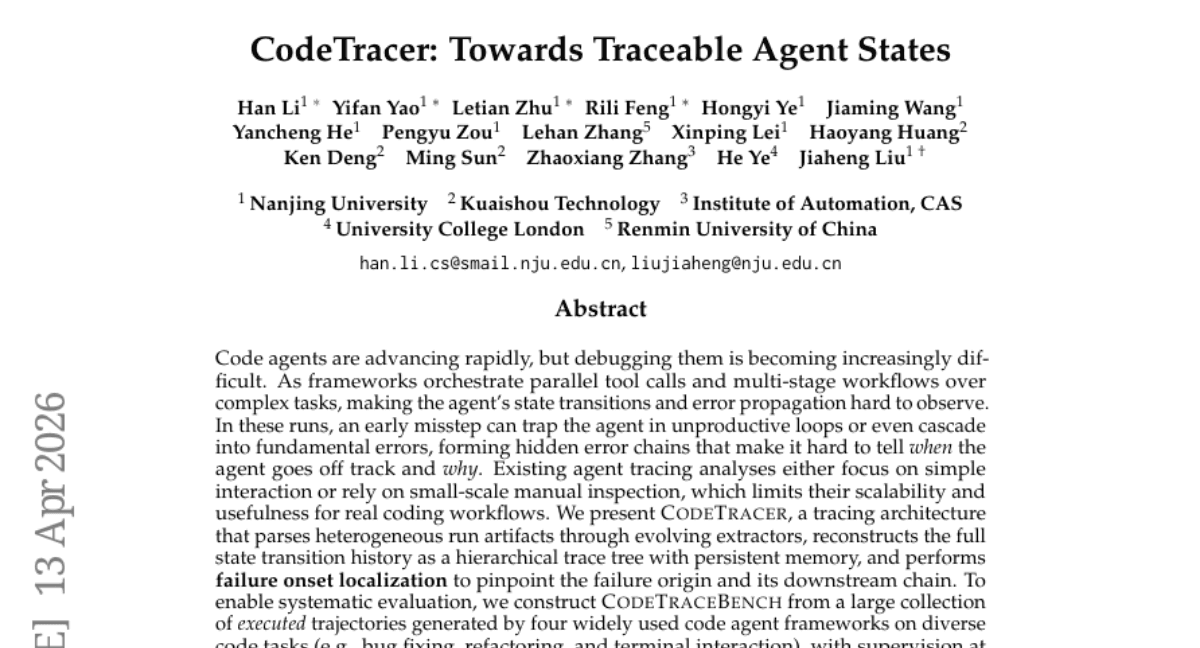
Frameworks like **ARLArena** aim to **integrate perception, decision-making, and action** into **cohesive, long-term strategic agents**. These models are designed to operate **autonomously over extended periods**, with safety and goal alignment as core principles, paving the way for **trustworthy, autonomous agents**.
---
## Infrastructure, Efficiency, and Hardware: Scaling Up
**Innovative Training and Inference Techniques**
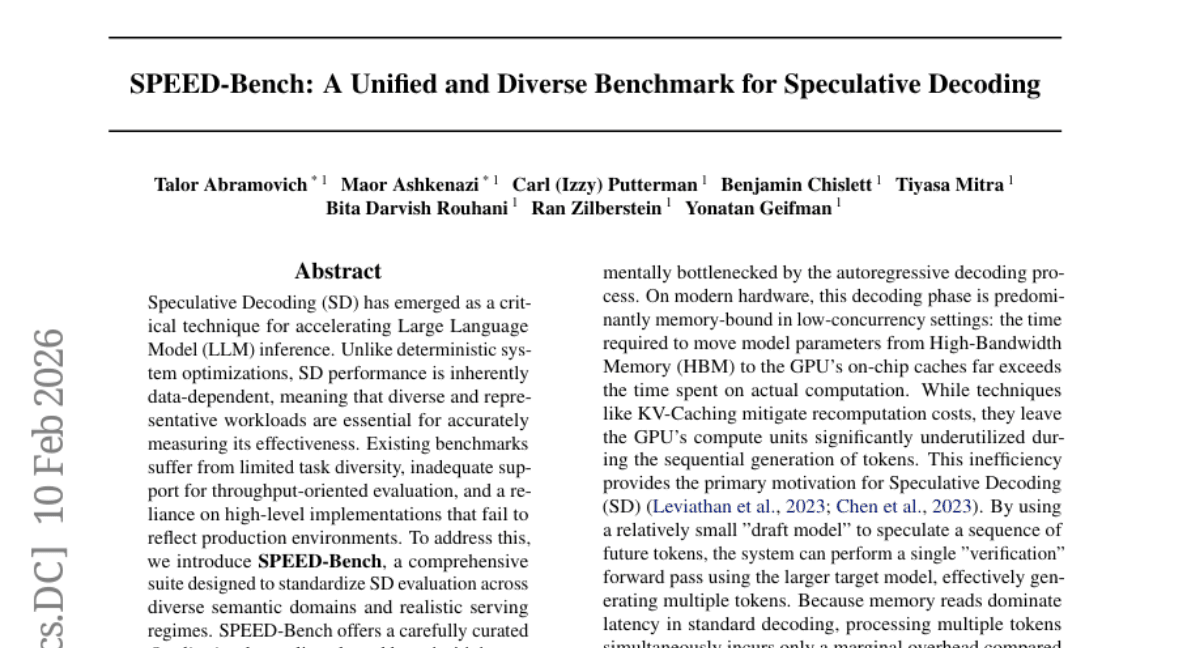
To manage the increasing complexity and size of multimodal models, researchers are developing **self-correcting distillation methods** like **Adaptive Matching Distillation**. These techniques **detect and refine errors** during model generation, **reducing computational load** while maintaining high accuracy, thus democratizing access to large-scale AI.
**Memory and Long-Context Processing**
Advances in **query-focused, memory-aware rerankers** enable models such as **GPT-5.3** and **Gemini 3** to process **thousands of tokens per second**, supporting **long, complex reasoning tasks**. This is especially vital for fields like **scientific research**, **medical diagnostics**, and **legal analysis**, where understanding extended context is essential.
**Hardware Innovations and Industry Collaborations**
Hardware breakthroughs significantly accelerate AI development. Examples include **2Mamba2Furious**, which employs **linear attention mechanisms** for faster inference, and **DDiT**, featuring **adaptive patch scheduling** to optimize resource usage. Industry leaders like **NVIDIA** have upgraded core training engines, while cloud providers such as **Google Cloud** offer scalable infrastructure for training and deployment.
Collaborations are also advancing **specialized hardware**—for instance, **Intel’s partnership with SambaNova**—aimed at **tailoring AI hardware** for large models, further reducing costs and increasing efficiency.
---
## Safety, Evaluation, and Geopolitical Competition
**Ensuring AI Safety and Reliability**
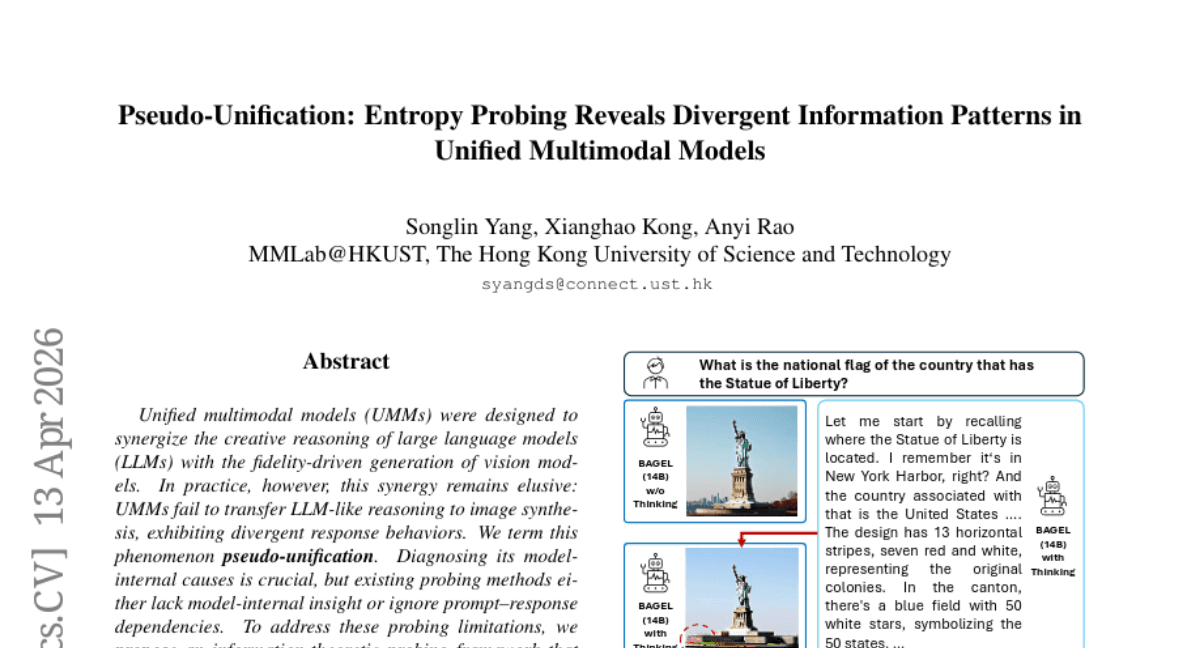
Organizations like **DARPA** emphasize the importance of **high-assurance AI systems** with **formal safety guarantees**, especially for **military**, **healthcare**, and **critical infrastructure** applications. Recent efforts include **mitigating hallucinations** and biases—such as **NoLan**, which dynamically suppresses language priors to improve **factual accuracy** and **trustworthiness**.
**Benchmarking and Standards**
The development of comprehensive **evaluation benchmarks**—like **BiManiBench**—enables transparent assessment of **multimodal reasoning** and **perceptual accuracy**, guiding **model improvements** and **safety standards**.
**Global Governance and Strategic Dynamics**
International organizations, including the **OECD** and **NSF**, promote **ethical standards**, **transparency**, and **risk mitigation**. Meanwhile, geopolitical tensions are intensifying. For example:
- **Chinese research labs** continue extensive **data mining efforts** to advance AI capabilities.
- Export restrictions on advanced AI hardware—such as **DeepSeek’s** operations amid tightening controls—highlight the **geopolitical race** for **technological dominance**.
- The upcoming deployment of **DeepSeek’s latest AI model**, amidst these tensions, exemplifies the race for **strategic influence** in AI.
**Implications**
These dynamics underscore the necessity for **international cooperation** and **regulatory frameworks** that balance **innovation** with **safety**. As AI systems become more capable, ensuring **ethical deployment** and **global stability** remains a paramount challenge.
---
## Emerging Frontiers and Research Directions
Recent research explores **intrinsic world modeling** via **kernel co-evolution** (**K-Search**), aiming for **self-aware, adaptive systems** that **co-evolve** with their environment. This approach seeks to **bridge training and open-ended testing**.
Other promising avenues include **tri-modal masked diffusion models**, which unify **text, image, and audio modalities** for **coherent generation**; **GUI agents** capable of reasoning and acting within user interfaces; and methods to **probe and augment** model knowledge through **external tools** and **knowledge bases**.
Efforts to **mitigate hallucinations**, improve **factual alignment**, and ensure **verifiability** are central to making AI systems **more trustworthy and transparent**.
---
## Current Status and Outlook
The convergence of **advanced multimodal perception models**, **autonomous world representations**, and **scalable infrastructure** signifies an era where AI systems are becoming **more perceptive, autonomous, and aligned** with human values. Demonstrations of **long-term reasoning**, **complex planning**, and **real-time interaction** are already transforming domains such as **robotics**, **healthcare**, and **scientific research**.
However, as these capabilities expand, **safety, transparency, and governance** must remain at the forefront. The global community is actively working toward **robust frameworks** that foster **trustworthy AI deployment**, emphasizing **explainability**, **bias mitigation**, and **international collaboration**.
---
## In Summary
The recent surge in **video-language models**, **multimodal perception**, and **autonomous reasoning** reflects a decisive step toward **more capable, efficient, and trustworthy AI**. Innovations like **world-guided modeling**, **zero-shot manipulation**, and **intrinsic co-evolving systems** are pushing AI toward **self-aware, adaptable agents** capable of **long-term planning and safe interaction**.
Amidst intensifying **geopolitical competition**, these technological advances are accompanied by **strategic efforts** to establish **ethical standards**, **evaluation benchmarks**, and **governance frameworks**. The path forward promises a future where AI systems not only **understand and reason** about our world but do so **responsibly and collaboratively**, unlocking transformative possibilities across all sectors of society.