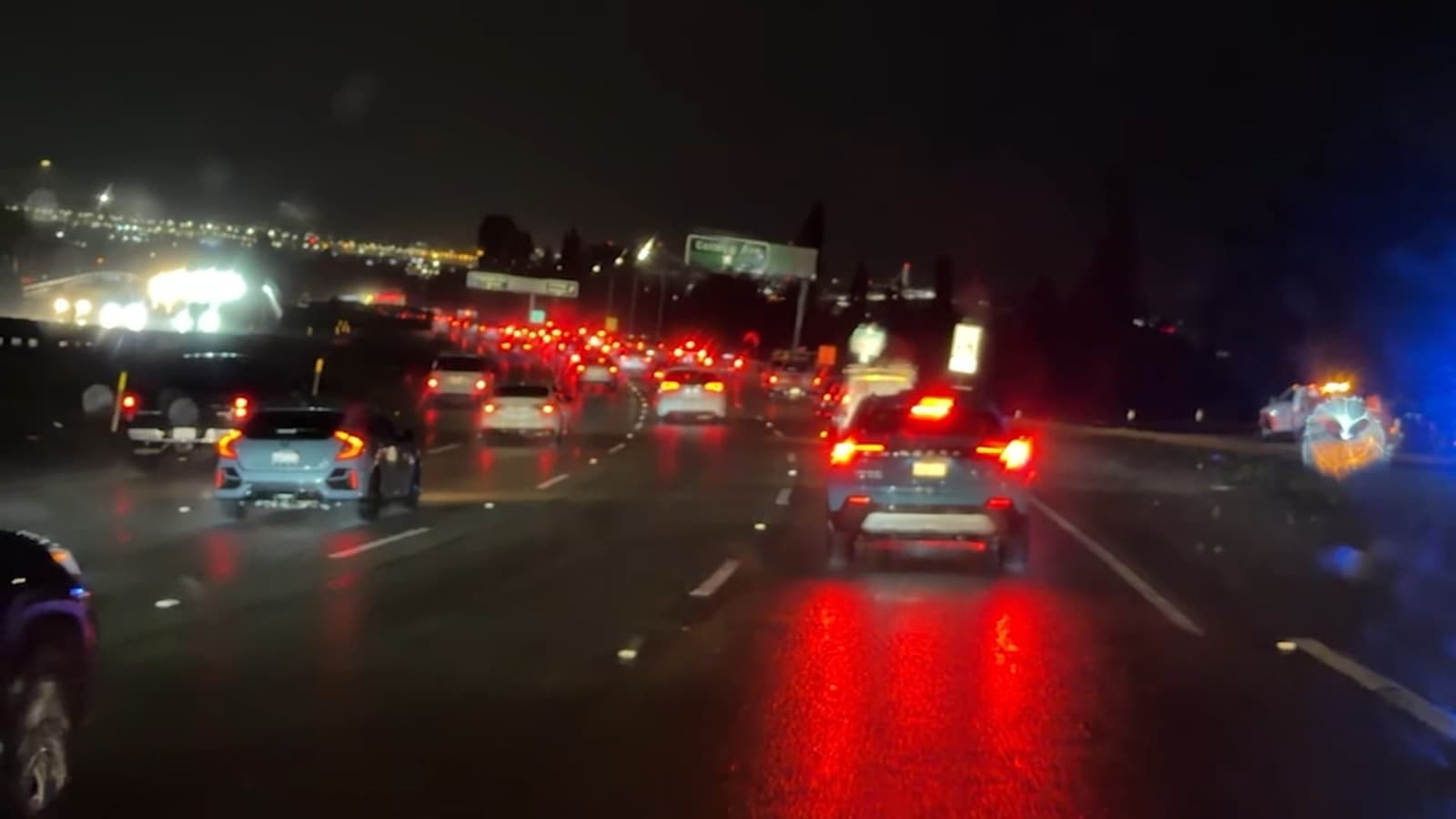
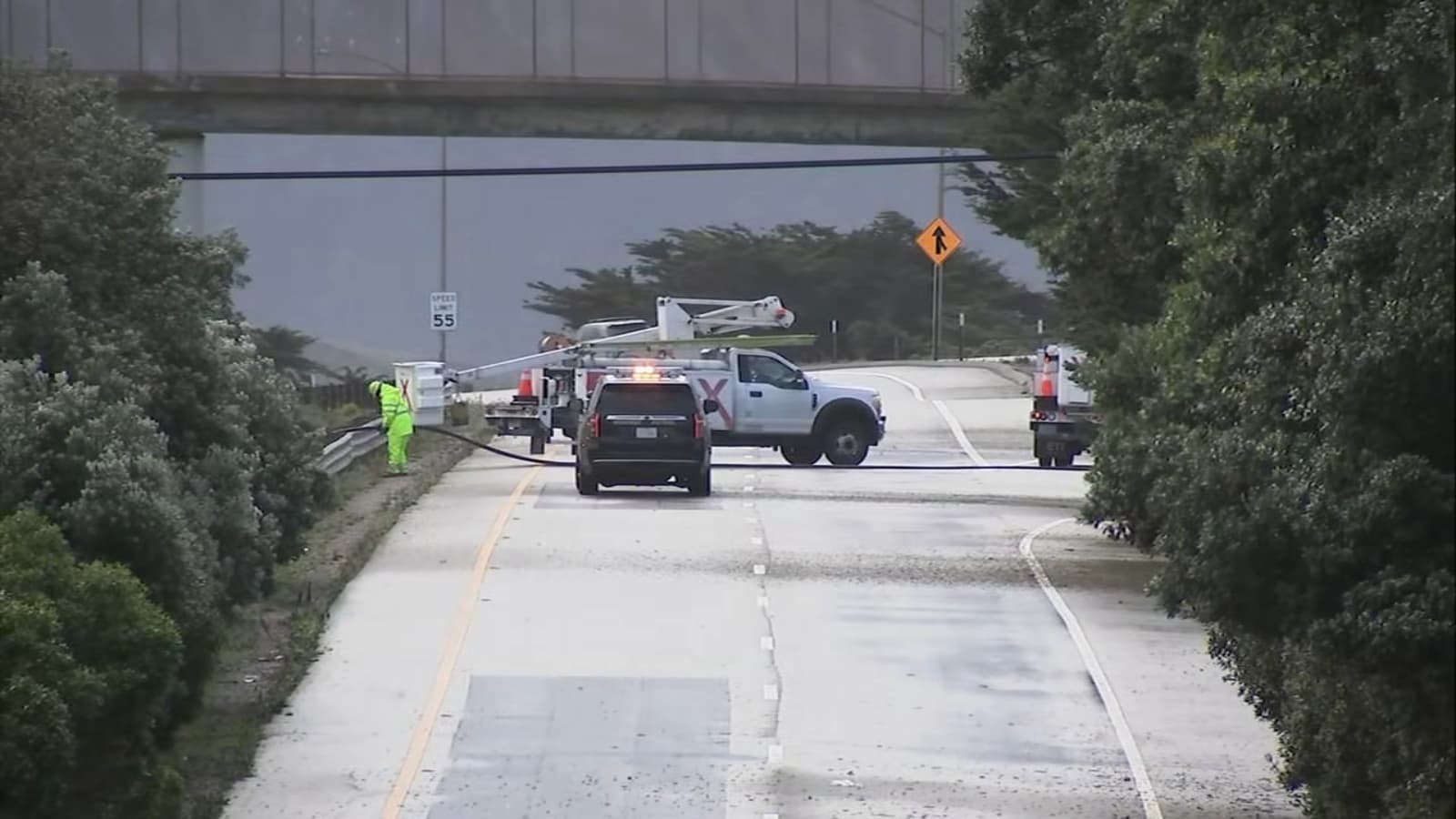
As Super Bowl LX continues to transform the Bay Area into a vibrant, high-stakes hub, the region’s transportation network faces escalating pressures from an unprecedented intersection of event-related restrictions, severe weather, critical incidents, and extensive infrastructure projects. Recent developments—including newly confirmed prolonged freeway closures, expanding hazardous weather advisories, intensifying transit disruptions, and fresh maintenance work along key corridors—have deepened travel challenges for commuters, visitors, freight operators, and emergency responders alike.
---
### Prolonged Eastbound I-80 Closure in San Francisco Significantly Exacerbates Downtown Travel Disruptions
In a critical update from the San Francisco Municipal Transportation Agency (SFMTA) and Caltrans, a **55-hour full closure of eastbound I-80 between 17th Street and 4th Street** will commence late Friday evening, April 25, 2026, continuing through early Monday morning. This extended shutdown, part of urgent safety and infrastructure upgrades, represents one of the most impactful regional freeway disruptions during the Super Bowl window.
- **Closure specifics:**
- Complete eastbound I-80 closure over the 55-hour period
- Segment affected: 17th Street to 4th Street in San Francisco’s downtown core
- **Impacts:**
- Major detours forced for commuters, freight traffic, and transit accessing the Transbay corridor
- Severe congestion anticipated on alternative freeway connectors including I-280 and US-101, as well as on surface streets downtown
- Transit agencies have ramped up shuttle deployments and rerouting strategies to ease pressure on the downtown network
Commuters, freight operators, and visitors are strongly urged to plan alternate routes well in advance, expect substantial delays, and continuously monitor live updates from SFMTA and Caltrans.
---
### Transit Network Strain Intensifies: Muni Service Resumes but BART Transbay Tube Outage Persists Indefinitely
Surface transit demand remains extraordinary as thousands of riders displaced by the ongoing indefinite suspension of the BART Transbay Tube increasingly rely on buses, ferries, and personal vehicles, further straining already congested corridors.
- **Muni Update:**
- The inbound M Ocean View line has successfully cleared its blockage at Broad and Plymouth, with **regular service resuming**, although residual delays continue.
- SFMTA continues to modify shuttle services and bus routing to accommodate soaring ridership levels.
- **BART Status:**
- No restoration timeline for the Transbay Tube has been provided, with advisories urging travelers to allow for extended travel times and consider multi-modal alternatives.
The combined transit constraints amplify pressure on surface street networks and freeway corridors, particularly in San Francisco and the East Bay.
---
### Expanded Dense Fog Advisories and Ongoing Winter Storm Watch Compound Travel Hazards
The Bay Area remains under an **expanded winter storm watch through midweek**, with persistent heavy rain, thunderstorms, and lightning contributing to hazardous conditions, including downed trees, localized flooding, and power outages affecting traffic signals.
- **New dense fog advisories** now affect critical travel corridors:
- **San Francisco Bay Shoreline:** Dense fog is significantly reducing visibility along shoreline routes and urban areas, including much of San Francisco proper.
- **East Bay Interior Valleys:** Fog is expected to linger into the morning commute, heightening collision risks.
Drivers are strongly cautioned to reduce speeds, use headlights appropriately, maintain safe following distances, and exercise extreme care—especially during early morning and nighttime hours when visibility is poorest.
---
### Ongoing and Expanded Infrastructure Projects Continue to Restrict Capacity Across Key Corridors
Caltrans District 5 has announced continued **SR-1 rehabilitation work between Moss Beach and Half Moon Bay**, extending through March 2026. This project includes critical ADA upgrades such as curb ramps, crosswalk improvements, and bus stop enhancements, but also introduces **additional lane restrictions** and traffic slowdowns on this vital coastal route.
- **Recent lane restrictions on northbound Highway 1** between Rio del Mar Boulevard and State Park Drive remain in place through the weekend, compounding traffic delays.
- The full closure of Highway 1 in Pacifica continues to restrict access along the coastal corridor.
Additional ongoing infrastructure challenges across the Bay Area include:
- San Francisco’s eastbound I-80 closure and 4th Street off-ramp shutdown
- Mountain View’s downtown Castro Street Caltrain crossing closure, disrupting local traffic and transit operations
- San Jose’s lane restrictions caused by gas leaks, hillside crash investigations, and VTA light rail upgrades
- West Oakland BART station closure, worsening the Transbay Tube outage’s surface transit burden
- East Bay and Contra Costa infrastructure projects such as SR-4 Old River Bridge maintenance and San Pablo Avenue improvements
These concurrent projects collectively contribute to a marked reduction in roadway capacity and increase travel unpredictability.
---
### Surge in High-Impact Incidents Further Elevates Emergency Response Burden and Traffic Volatility
The region has experienced a notable spike in critical incidents, compounding travel disruption and straining emergency services:
- **Oakley police chase fatal crash:** Newly released surveillance footage has intensified public concern about the dangers of high-speed pursuits and their ripple effects on traffic safety.
- **I-880 knife standoff in Oakland:** A morning shutdown triggered extensive multi-mile backups despite a safe resolution.
- **San Francisco semitruck fire:** Resulted in prolonged lane closures, worsening downtown congestion.
- Additional incidents include:
- Police pursuit crashes in San Francisco, San Jose, and San Leandro causing injuries and extended closures
- Big-rig collisions and fires on US-101 near Rohnert Park and the MacArthur Maze
- Multi-vehicle pileups on the Golden Gate Bridge causing regional gridlock
- Gasoline tanker spill cleanup near US-101 in Santa Clara County continuing to impede traffic flow
- Fatal hit-and-run in Fremont and a DUI crash in Antioch critically injuring teenagers
- Infrastructure-impacting gas leaks and hillside accidents in San Jose
The frequency and severity of these incidents produce unpredictable, prolonged delays and complicate emergency response coordination amid already stretched resources.
---
### Morning Traffic Complications: Defective Signals, Vehicle Fires, and Lane Blockages Add to Congestion
Friday morning commuter traffic was further disrupted by several emergent issues:
- **Defective traffic signals** reported at the intersection of SR-129 and Industrial Road in the Watsonville/Pajaro area caused stop-and-go delays.
- **Vehicle fires and partial lane blockages** in multiple locations, including minor brush fires near freeway shoulders, forced temporary closures and slowdowns.
These incidents, though localized, contribute cumulatively to regional traffic strain during an already challenging travel period.
---
### Pedestrian Zones and Arterial Closures Sustain Traffic Diversion onto Major Freeways
To protect tens of thousands of Super Bowl attendees, pedestrian-priority zones and arterial road closures remain enforced across Santa Clara County, San Jose, San Francisco, and surrounding communities, funneling vehicular volumes onto major freeway corridors:
- **Key affected freeways:**
- US-101
- I-280
- I-80
- SR-85
This sustained diversion, combined with lane restrictions and incident responses, maintains heavy congestion, especially during peak ingress and egress periods near Levi’s Stadium and downtown San Jose. Commuters report stop-and-go traffic, unpredictable delays, and elevated collision risks.
---
### Enhanced Traffic Management and Public Communication Efforts Intensify in Response
Bay Area transportation agencies have escalated efforts to manage traffic complexity and keep the public informed:
- **AI-Enhanced Traffic Signals:** San Jose’s adaptive signal system now prioritizes transit vehicles downtown, improving bus speeds by approximately **20%**, with plans to expand this technology regionally.
- **Real-Time Traveler Alerts:** Residents and visitors are urged to subscribe to San Mateo County’s SMS alert system (“**One Text Could Change Your Super Bowl Week**”), utilize the **Caltrans Near Me** app, monitor BART advisories, and follow local police and transit social media for live updates.
- **Shuttle and Parking Guidance:** Event organizers strongly encourage use of official parking and shuttle services near Levi’s Stadium and downtown areas to alleviate vehicle volumes and enhance safety.
- **Traveler Advisory Highlights:**
- Avoid driving solo when possible—prioritize public transit, carpooling, biking, or walking.
- Anticipate substantial extra travel time due to unpredictable incident-related delays and closures.
- Avoid incident scenes, protest zones, and law enforcement areas, particularly in San Mateo County and adjacent hotspots.
- Follow official routing, parking, and shuttle instructions meticulously to minimize bottlenecks.
---
### Regional Impact Summary Reflecting New Weather and Infrastructure Challenges
- **Santa Clara County:** Traffic near Levi’s Stadium remains constrained by arterial closures and ongoing US-101 gasoline tanker spill cleanup.
- **San Jose:** Multiple closures—including gas leak responses, hillside crash investigations, VTA light rail construction, and police-chase incidents—continue to elevate congestion and emergency service demands.
- **San Mateo County:** Fatal crash investigations on the San Mateo Bridge, protest-related detours, severe weather, and dense fog advisories further complicate travel.
- **San Francisco:** Transit hubs near capacity; ferry and surface transit overcrowded; semitruck fire and police pursuit crashes worsen downtown traffic; new prolonged eastbound I-80 closure significantly impacts Transbay routes; dense fog reduces visibility.
- **East Bay:** West Oakland BART closure along with Transbay Tube outage increases surface transit demand; multiple critical incidents cause significant disruptions; dense fog advisory in effect.
- **Contra Costa County:** SR-4 Old River Bridge maintenance, pedestrian fatality investigations, and San Pablo Avenue closures continue to affect traffic flow.
- **Mountain View:** Downtown Caltrain crossing closure forces rerouting of local traffic and transit.
- **Freeway Network:** US-101, I-280, I-80, and SR-85 experience lane restrictions, HOV modifications, and emergency closures, especially during peak travel times.
- **Weather:** Expanded winter storm watch remains active through midweek, with heavy rain, flooding, downed trees, power outages, and now dense fog advisories increasing travel hazards.
---
### Conclusion: Vigilance, Flexibility, and Informed Travel Essential Amid Complex Challenges
A senior Bay Area transportation official summarized the current state:
> “The combination of Super Bowl activities, a surge in critical incidents, ongoing infrastructure projects, severe weather, and the prolonged BART Transbay Tube outage has pushed our transportation systems to their limits. Public cooperation—through staying informed, planning ahead, and adjusting travel behavior—is vital to maintaining safety and mobility during this extraordinarily challenging period.”
Residents, visitors, and event attendees are urged to remain proactive by monitoring official sources, adopting flexible travel plans, prioritizing multimodal transportation, and exercising extreme caution—especially given the new dense fog advisories and extended freeway closures.
---
### For Continuous Updates, Consult:
- Official transportation and Super Bowl event websites for **Santa Clara, San Jose, San Mateo, and San Francisco**
- [Caltrans Road Conditions](https://dot.ca.gov) and the **“Caltrans Near Me”** mobile app
- Local police department alerts and **BART advisories**
- San Mateo County SMS alert system: **“One Text Could Change Your Super Bowl Week”**
---
Remaining informed, adaptable, and cooperative remains the most effective strategy to safely navigate Bay Area travel during Super Bowl LX amid intersecting incident, infrastructure, and weather challenges. Travelers should prepare for extended travel times, prioritize safety, and consider alternative transportation modes whenever possible.