# Long Island Police Disparities Persist: Deepening Crisis of Systemic Failures and Urgent Calls for Reform
Despite five years of mandated reforms aimed at addressing racial inequities within law enforcement, Long Island—and indeed the entire nation—continues to grapple with systemic disparities that disproportionately harm Black residents. Recent developments, including graphic bodycam footage, investigative reports, federal misconduct revelations, and significant legal rulings, underscore that superficial policy adjustments have fallen far short of fostering meaningful, lasting change. These new findings make clear that **true reform must go beyond surface-level policies** and focus on accountability, community engagement, and transformative training strategies.
---
## Persistent Racial Disparities in Use-of-Force Despite Reforms
Multiple data analyses, community reports, and recent viral videos reveal a troubling and ongoing pattern: **Black residents are markedly more likely to face use-of-force during police encounters**. For example, **Marc Merritt’s** case—being stopped shortly after starting his motorcycle during a routine traffic stop—embodies these systemic issues. While details remain limited, Merritt’s experience echoes a broader perception of bias and heightened safety concerns faced by Black individuals across Long Island.
Across communities such as Baldwin, Brentwood, and others, residents report similar encounters, emphasizing that these incidents are **not isolated anomalies but part of a persistent, deeply rooted pattern of racial bias**. Studies reinforce this perception: data indicates that **Black residents are up to three times more likely** to experience police violence despite ongoing reform efforts. This persistent disparity demonstrates that **superficial policy changes have failed to dismantle entrenched systemic inequities**, reaffirming that **genuine reform must confront underlying biases and systemic practices**.
---
## Recent Viral Footage and Systemic Tactical Failures
### Shocking Videos That Amplify Calls for Change
Over recent months, multiple disturbing videos have surfaced, vividly illustrating **excessive force and tactical failures** fueling community outrage and demanding urgent attention:
- **Traffic Stop with Excessive Punching**
A widely circulated clip titled **"Traffic Stop Goes Wrong When Suspect Fights Back"** captures a routine traffic stop where resistance escalates. An officer delivers **at least 18 punches** to a suspect’s face during a physical struggle. Critics argue this reflects systemic issues around restraint and de-escalation training, showing how protocols often favor immediate escalation over community safety and restraint. Although the officer was later arrested, the video underscores how entrenched practices contribute to dangerous encounters.
- **Punching a Handcuffed Woman**
A particularly troubling incident involves footage showing an officer repeatedly punching a woman who was already handcuffed. The video, approximately **12.5 minutes long with over 2,000 views**, raises serious questions about use-of-force policies, officer misconduct, and accountability. This incident has sparked widespread outrage and intensified calls for disciplinary action and systemic review.
- **Dashcam Manipulation and Excessive Force**
Newly surfaced dashcam footage reveals an officer manipulating the scene to justify aggressive actions, including multiple punches and physical restraint, despite the suspect appearing restrained and non-resistant at times. Viewed over **138,000 times**, this footage raises serious concerns about transparency, misconduct, and a culture of impunity within law enforcement agencies.
- **Brentwood Officer-Involved Shooting**
On Christmas Eve, an officer fatally shot a suspected DUI driver following a traffic stop. Rapid escalation and failure to employ de-escalation techniques resulted in tragedy, prompting community protests and calls for comprehensive investigation. This incident exemplifies how routine stops can quickly escalate into deadly encounters when tactical protocols prioritize immediate escalation over safety.
### Systemic Tactical Failures Linked to Fatalities
A recent report titled **"Police Combat Training Has Led to Deaths, Injury"** details how current tactical training—designed to prepare officers for high-risk situations—may inadvertently increase violence:
- **Inadequate conflict resolution and restraint training** often lead officers to resort to force prematurely.
- Evidence links specific tactical protocols to fatalities and serious injuries.
- Officers often feel pressured to escalate quickly, sometimes without fully assessing the situation.
This systemic issue underscores that tactical training rooted in aggressive responses rather than de-escalation fuels preventable tragedies. The recurring pattern of such incidents highlights the **urgent need to overhaul tactical protocols**, emphasizing restraint, communication, and community-centered approaches.
---
## Federal Misconduct and Systemic Violations
Adding to local concerns, recent investigations reveal misconduct beyond police departments:
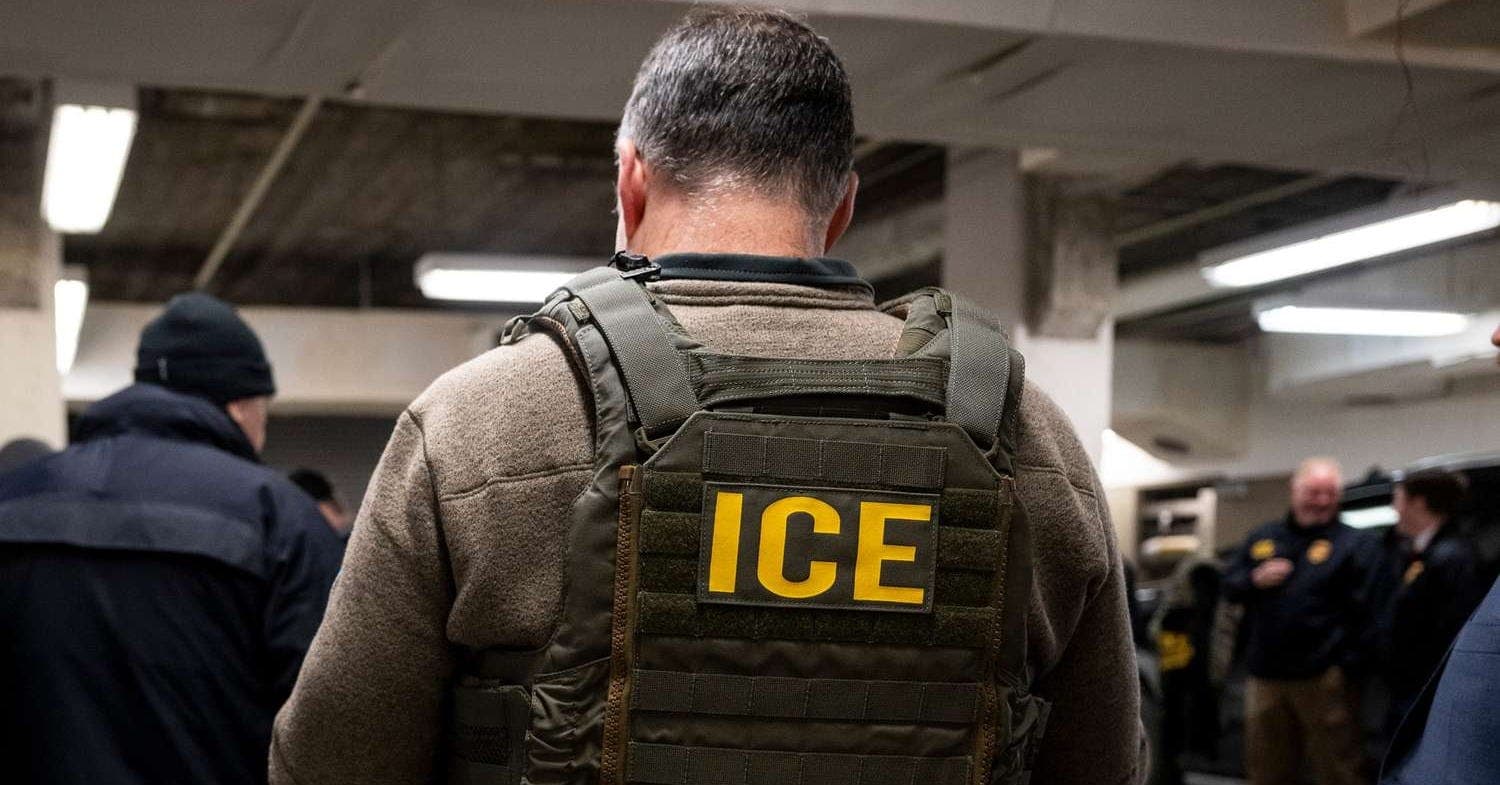
- **ICE Agents Using Banned Chokeholds**
A *ProPublica* investigation confirms over **40 cases** involving federal immigration officers employing chokeholds—explicitly prohibited by agency policies. These violations exemplify systemic issues within agencies like ICE, where oversight and accountability are often lacking. [*Source: Al Jazeera*]
- **Border Patrol Abuse and Manipulation**
Reports indicate Border Patrol agents have manipulated or disobeyed protocols to justify aggressive use of force. Evidence suggests many federal agents are trained in tactics that prioritize immediate escalation, often at the expense of community safety and rights.
- **Disputed Official Narratives and Cover-Ups**
Investigations, such as those by *Bucks County Beacon*, reveal significant discrepancies between official DHS reports and on-the-ground evidence, implying federal agencies often downplay or misrepresent misconduct and use-of-force incidents. This erosion of trust hampers accountability efforts.
### New Developments: ICE Shooting and Federal Court Orders
Adding a critical dimension, **U.S. citizen Martin Rascon** recently recounted a traumatic incident where **ICE agents shot at his family during an immigration enforcement operation**. Rascon, speaking publicly through *AP* reports, described how his wife and children were subjected to gunfire during a routine enforcement action, emphasizing the dangerous escalation and excessive use of force by federal immigration authorities.
This incident underscores systemic issues: **federally sanctioned violence, lack of accountability, and aggressive tactics during immigration enforcement**. Additionally, a federal judge issued a **restraining order limiting DHS chemical munitions outside the Portland ICE facility**, reflecting legal pushback against the use of chemical agents like tear gas and pepper spray against protesters and community members. The *YouTube* video titled **"Judge issues restraining order limiting DHS chemical munitions outside Portland ICE site"** (duration: 7:23, views: 91) illustrates ongoing legal efforts to curb such aggressive tactics, emphasizing oversight and restraint.
### Recent Viral Footage of Federal Misconduct
- **Bodycam Captures Moments Before Agents Smashed Activist’s Window**
A *YouTube* video titled **"Bodycam Captures Moments Before Agents Smashed Activist’s Window"** (duration: 3:36, views: 18,378, likes: 306, comments: 234) shows newly released footage where federal agents, during an enforcement operation, approach an activist’s vehicle. Moments later, agents are shown smashing the window, raising questions about escalation and use of force. Critics argue this reflects systemic issues of aggression and lack of accountability within federal enforcement agencies.
- **Suspect Lunges at Reno Officers With Tow Chain Before Being Shot**
Another recent incident involves a *YouTube* video titled **"Suspect Lunges at Reno Officers With Tow Chain Before Being Shot"** (duration: 4:10, views: 156,804, likes: 10,459, comments: 2,625). The footage depicts a suspect lunging at officers with a tow chain, prompting officers to respond with deadly force. This incident highlights how perceived threats—particularly involving weapons or dangerous objects—often trigger rapid escalation leading to death, underscoring the need for better crisis communication and restraint protocols.
---
## Systemic Escalation: The Reno Shooting After a Threatening Lunge
The Reno incident exemplifies how quickly situations can escalate when officers respond with lethal force rather than de-escalation. The suspect, wielding a tow chain, lunged at officers during a confrontation, prompting officers to fire multiple rounds, fatally striking him. Community advocates and experts emphasize that **training should prioritize crisis management and non-lethal responses** to prevent such tragedies. This case adds to the growing recognition that **current tactical approaches often prioritize immediate escalation** over community safety and proportional responses.
---
## Failures of Past Reforms and Continuing Challenges
While reforms introduced five years ago—including **bias and de-escalation training**, **community review boards**, and **mandatory data collection**—their effectiveness remains limited:
- **Training Gaps**: An independent audit in 2023 revealed that **less than 40% of officers** had completed the full mandated de-escalation training, raising concerns about compliance.
- **Weak Oversight Bodies**: Many oversight agencies lack the authority or transparency needed to enforce discipline or conduct thorough misconduct reviews.
- **Community Distrust**: Surveys and protests reveal deep skepticism, especially among Black residents, who see policing as biased and unsafe.
### Additional Incidents Highlighting Systemic Failures
- **San Diego Welfare Check**: The *San Diego welfare check* video shows deputies entering a residence with poor communication and resorting to force prematurely, exemplifying how inadequate training and bias influence escalation.
- **Routine Stops Racial Profiling**: A viral *YouTube* video titled **"When Walking Down the Street Gets You Arrested By the Police"** (duration: 26:30, over 102,000 views) depicts routine stops driven by racial profiling, reinforcing systemic biases and community distrust.
---
## Concerns About Entry Tactics and Use of Administrative Warrants
A significant new development involves the increasing reliance on **administrative warrants**—a tool often used to enter homes without the traditional suspicion-based warrants. Critics argue that this practice **raises profound concerns about transparency and accountability**, especially given reports of aggressive enforcement tactics and lack of community oversight.
In particular, a recent *YouTube* video titled **"Lyons defends use of administrative warrants to enter homes"** (duration: 3:03, views: 322, likes: 4) highlights how law enforcement officials justify these warrants as necessary for efficiency but often at the expense of community trust and residents' rights. Advocates warn that such tactics can lead to unnecessary confrontations, especially in communities already distrustful of police, and further entrench systemic disparities.
---
## The Path Forward: Deep, Practice-Based Reforms Needed
The mounting evidence—from graphic videos to systemic investigations—demonstrates that **superficial reforms have failed to address root issues**. To genuinely combat disparities and prevent tragedies, law enforcement agencies must undertake **fundamental, practice-oriented reforms**:
- **Revise Tactical Protocols**: Emphasize restraint, de-escalation, and bias mitigation, incorporating scenario-based training with community input.
- **Strengthen Oversight**: Empower independent bodies with authority and transparency to enforce discipline and review misconduct thoroughly.
- **Implement Continuous, Bias-Informed Training**: Regular, scenario-based exercises focusing on conflict resolution, cultural competence, and restraint.
- **Deploy Non-Lethal Tools with Strict Protocols**: Proper training and clear guidelines are essential to prevent misuse.
- **Foster Community Partnerships**: Engage residents in policing strategies to rebuild trust, ensuring policies reflect community needs.
- **Leverage Data Analytics**: Use comprehensive data collection and analysis to monitor disparities, refine policies, and ensure accountability.
---
## Recent Legal and Investigative Developments
### The Dignean Report and Systemic Failures
Adding a crucial dimension, the **official investigative report on the death of Miles Dignean** provides detailed insights into systemic failures and tactical misjudgments that contributed to his fatal shooting. The report, titled **"[PDF] Report on the Investigation into the Death of Miles Dignean,"** thoroughly documents the circumstances surrounding his death on March 21, highlighting how inadequate protocols, poor decision-making, and oversight failures played roles in the tragedy:
> **"This investigation reveals significant lapses in tactical decision-making and oversight, which ultimately led to the fatal outcome. The report underscores the need for comprehensive reform in training, accountability, and community engagement."**
This document reinforces the argument that **superficial policy changes are insufficient**; instead, a shift towards **practice-based and accountability-driven reforms** is essential.
### The Recent "Self-Defense" Defense in the GRPD Shooting
Adding to the complex narrative, a new article titled **"Officers' attorney: GRPD shooting was self-defense"** (duration: 3:22, views: 812, likes: 14, comments: 30) reports that the officers involved in a recent shooting claim their use of deadly force was necessary for self-defense. This defense, while common, raises questions about accountability and the standards used to justify lethal actions, especially when community members and witnesses contest the narrative. Such contested accounts underscore the importance of transparent investigations and community trust.
---
## The Current Status and Broader Implications
The convergence of viral videos, systemic investigations, legal rulings, and new research paints a clear picture: **superficial reforms are inadequate in confronting deep-rooted disparities and misconduct**. Key recent developments include:
- The **Supreme Court’s recent 9–0 decision** emphasizing that deadly force must be objectively justified, encouraging more cautious use-of-force policies.
- Federal court orders limiting DHS chemical munitions, signaling legal pushback against aggressive tactics.
- Investigations into federal agencies like ICE and Border Patrol, exposing systemic abuses and oversight deficiencies.
- The growing body of viral footage and reports that continue to shed light on misconduct, bias, and tactical failures.
- **The US Senate’s recent heated hearing**, where senators accused ICE of employing military-style tactics in civil operations, highlighting the national concern over federal enforcement practices.
These events highlight the **urgent need for a shift toward practice-oriented, community-centered reforms** that prioritize accountability, transparency, and genuine engagement. Without such changes, systemic disparities and abuses will persist, eroding trust and perpetuating cycles of violence.
---
## The Path Forward: Toward Meaningful, Practice-Based Reform
The mounting evidence underscores that **superficial policies are insufficient** to address systemic disparities and prevent tragedies. The way forward requires **bold, practice-oriented reforms** such as:
- Overhauling tactical protocols to prioritize restraint, de-escalation, and bias mitigation.
- Strengthening independent oversight bodies with authority and transparency.
- Ensuring ongoing, mandatory training that emphasizes community engagement and crisis intervention.
- Using data analytics to monitor disparities and inform policy adjustments.
- Building genuine community partnerships to rebuild trust and ensure policies are responsive to residents’ needs.
- Implementing stricter protocols governing non-lethal tools to prevent misuse.
Only through **deep, sustained, and practice-based reforms** can law enforcement begin to dismantle systemic disparities, restore community trust, and prevent future tragedies.
---
## Current Status and Implications
Recent developments—including viral videos, systemic investigations, legal rulings, and reports like the Dignean review—collectively emphasize that **superficial reforms are no longer sufficient**. The need for **practice-driven, accountability-focused change** is urgent, especially to address persistent racial disparities and systemic misconduct.
The ongoing activism, legal challenges, and mounting evidence serve as a clear call to action: **law enforcement agencies must commit to transformative reform** rooted in community partnership, transparency, and continuous improvement. Without such efforts, systemic failures and community distrust will continue to undermine justice and safety.
**In sum**, the situation on Long Island and across the nation demands unwavering dedication to deep reform—grounded in practice, accountability, and community engagement—if we are to achieve a just, equitable, and safe policing system for all residents.