# Building Secure, Automated Software Delivery Pipelines in 2026: The Latest Breakthroughs and Their Broader Implications
The landscape of software engineering in 2026 has undergone a seismic transformation—where **autonomous, security-first, AI-augmented pipelines** are no longer futuristic concepts but industry standards. These systems are revolutionizing how digital products are built, tested, deployed, and safeguarded, shaping a new era defined by **resilience, intelligence, and security**. The previous focus on speed and automation has evolved into a comprehensive ecosystem that **self-heals**, **predicts failures**, and **adapts proactively**—all while maintaining the highest security standards.
This article updates and expands upon the latest breakthroughs, tools, practices, and their implications, emphasizing how these innovations are redefining the software delivery paradigm in 2026.
---
## The 2026 Paradigm: Autonomous, Security-First, AI-Enhanced Ecosystems
At the core of today's software delivery are **fully autonomous AI-powered CI/CD pipelines**. These systems leverage **large language models (LLMs)**, **machine learning**, and **predictive analytics** across the entire software lifecycle—from code commit to deployment—enabling **real-time decision-making**, **failure prediction**, and **automatic remediation**.
### Key Characteristics of Modern Pipelines
- **Autonomy:** Pipelines now **operate independently**, making decisions based on **AI insights** that **minimize manual oversight** and **accelerate release cycles**.
- **Security-First Design:** Integration of **ML-driven secrets detection**, **automated security patching**, **runtime defenses**, and **tamper-proof logging** ensures **continuous integrity**.
- **Unified Observability:** Tools like **Sazabi** integrate logs, metrics, and trace data into **predictive dashboards**—**forecasting issues** and **preventing outages**—replacing reactive troubleshooting with **proactive maintenance**.
This **holistic, intelligent approach** **reduces operational overhead**, **speeds up deployments**, and **fortifies security**, leading to **more reliable, efficient, and secure pipelines** capable of handling the complexities of modern software ecosystems.
---
## Cutting-Edge Tools and Practices of 2026
### Secrets Detection & Prevention
**ML-enhanced secrets detection** remains a cornerstone innovation. Tools like **ggshield** now **analyze commit patterns in real-time**, **detecting secrets leaks early**. This **proactive approach** **prevents insecure code from propagating downstream**, **minimizes vulnerabilities**, and **streamlines secure workflows**.
> *For example*, organizations employ **ML-powered commit analysis** to **catch secrets leaks before code reaches production**, vastly improving security posture. These capabilities **reduce vulnerabilities**, **ensure compliance**, and **speed incident response**.
### AI-Enhanced Developer Assistance
AI tools have become deeply embedded into everyday development routines:
- **GitHub Copilot** continues to **assist with code generation**, security suggestions, and context-aware recommendations, making coding **faster and safer**.
- The **Gemini CLI**, an **open-source AI agent**, is now **integrated directly into developer terminals**, providing **instant security insights and automation suggestions**. Developers frequently comment, **"With Gemini CLI, I get real-time security guidance without leaving my terminal,"**, highlighting how these tools **streamline security practices**.
- **Local LLM deployments**, such as **"Install Local LLM on Ubuntu Using Docker,"**, enable teams to **maintain full control over data and models**, ensuring **privacy** and **compliance** in sensitive environments.
### Impact of AI Developer Tools
These innovations **reduce vulnerabilities**, **enhance compliance**, and **speed incident response**, forming **resilient security architectures** that **adapt proactively** to emerging threats.
---
## Predictive Observability and Ecosystem Monitoring
Recent advances in observability leverage **ML-driven diagnostics** for **system health maintenance**:
- **Test analytics**, like those in **K6**, now **identify flaky tests**, **detect environmental dependencies**, and **spot failure patterns** that could lead to outages.
- **Proactive deployment monitoring** employs **anomaly detection models** to **detect performance degradations** or **error spikes** early—sometimes **reducing debugging times by up to 30%**.
- **OpenTelemetry** standards underpin **structured logs, metrics, and traces**, enabling **comprehensive system insights**.
- Teams utilize **Kafka** (including **KRaft mode**) and the **ELK stack (Elasticsearch, Logstash, Kibana)** for **scalable, real-time log pipelines**. For example, **TryHackMe’s Elastic Stack tutorials** demonstrate how these tools support **predictive diagnostics**.
- **Grafana dashboards** visualize logs **in real-time**, **correlating logs, metrics, and traces** into **actionable intelligence**. This **visualization layer** empowers teams to **preempt outages** and **optimize system performance**.
*These capabilities* **enable** **predictive diagnostics**, **holistic system insights**, and **proactive system optimization**, **ensuring high-quality, reliable releases** and **enhanced customer satisfaction**.
---
## Automation and Infrastructure as Code (IaC): Cross-Platform, Secure, and AI-Enhanced
Automation in 2026 is **augmented with AI**, supporting **more intuitive**, **secure**, and **multi-platform workflows**:
- **AI-assisted vulnerability scanning** during **Docker image builds** now **suggests mitigation strategies** in real-time, ensuring **secure, compliant containerization** across **multi-cloud and on-premises** environments.
- **Ahead-of-Time (AoT)** compilation in frameworks like **Angular** and **React** **pre-optimizes code**, resulting in **faster builds** and **fewer runtime vulnerabilities**.
- **Cross-platform testing orchestration** automates **compatibility testing** across **Windows, Linux, and macOS**, reducing platform-specific bugs and **accelerating release pipelines**.
- **AI-enhanced IaC tools** such as **Terraform**, **Ansible**, and **CloudFormation** now incorporate **ML-driven analysis** to **predict deployment issues**, **recommend improvements**, and **automate provisioning**—minimizing human error.
- **Code review automation** offers **context-aware pull request feedback** on **code quality**, **security**, and **standards compliance**, fostering a **culture of continuous improvement**.
### Practical Resources & Tutorials
- Updated **"Install Ansible on Ubuntu 24.04"** guides support **secure, cross-platform IaC workflows**.
- Tutorials like **"Katalon Agentic AI-PART 1 | StudioAssist"** showcase **AI-powered test automation**.
- **"n8n + Claude Code"** demonstrates **building AI-driven workflows** for **automated decision-making**.
- **Playwright** tutorials such as **"Automate Nested Frames"** exemplify **robust UI testing**.
- Additional guides include **"Robot Framework CZ | Database Testing"**, **"Java Vibe Coding with GitHub Copilot CLI"**, and **"Master OpenAI Codex in 26 Minutes"**, offering comprehensive guidance on integrating AI into development and testing.
---
## Self-Hosted, AI-Enhanced Stacks & Edge Deployment
Organizations are increasingly favoring **self-hosted stacks** integrated with **AI modules** for **full control** and **customization**:
- **One-command installations** via **Docker Compose** or **Kubernetes operators** enable **rapid deployment** of environments including **Grafana**, **Loki**, **OpenTelemetry**, **n8n**, and **Qdrant**—all **locally hosted** with **AI-powered log analysis**, **predictive alerting**, and **incident response**.
- **Containerized security gateways**, often **lightweight Docker containers**, embed **AI modules** for **adaptive threat detection**, especially valuable in **edge deployments** or **resource-constrained environments**.
- **Remote management tools** like **PiKVM** facilitate **secure remote server access**, streamlining **system maintenance** and **disaster recovery**.
- **Automated cluster onboarding scripts** now **register EKS clusters** with **Argo CD** effortlessly.
- **Team onboarding scripts** automate **creation of Slack, Jira, and GitHub accounts**, ensuring **security** and **workflow consistency**.
### Practical Examples & Resources
- A **production-grade media processing pipeline** built with **AWS Lambda** demonstrates **serverless, autonomous content analysis**, including **object detection**, **scene classification**, and **speech-to-text**, exemplifying how **AI and cloud-native architectures** automate complex workflows.
- Tutorials like **"K6 Beginner Guide 1"** and **"TryHackMe Elastic Stack"** provide hands-on experience in **load testing** and **incident response**.
- Guides on **installing Service Foundry Community Edition** on AWS and **Proxmox’s management features** highlight how **self-hosted environments** are becoming more accessible and manageable.
---
## Advances in Cloud-Native Pipelines and Container Technologies
**Azure DevOps Pipelines** now support:
- **Cross-platform, multi-cloud**, **hybrid**, and **on-premises** deployments.
- **Self-hosted agents** that **adhere to security policies** and **performance needs**.
- **Automation scripts** streamline **pipeline creation**, **management**, and **cluster onboarding**.
### The Rise of Podman: Secure Container Management
Recent developments spotlight **Podman**, a **rootless container engine**, gaining significant traction:
- **Rootless operation** **reduces attack surfaces** by **eliminating root privileges**.
- **Enhanced security** through **better isolation** and **less privilege escalation**.
- Seamless orchestration with **systemd** and **Kubernetes support** **supports secure, autonomous environments**.
This evolution aligns with **security-first, self-healing visions**—**lightweight, secure, and autonomous** systems that are **resilient** and **easy to manage**.
---
## Operational Resilience, Cost Controls, and RAM Constraints
Beyond automation, organizations emphasize **resilience testing** and **resource optimization**:
- **Backup restoration testing** remains critical—**"If you aren't testing your backup restoration process, your data is at risk,"** warns cybersecurity experts. Routine testing **ensures reliable recovery** and **business continuity**.
- Many leverage **idle GPUs** for **on-prem/self-hosted AI workloads**, **maximizing resource utilization**, **accelerating inference**, and **reducing reliance on cloud resources**. This approach **enhances system resilience** and **cost efficiency**.
### The RAM Shortage Challenge
A new obstacle for **home lab enthusiasts** has emerged:
> **The RAM apocalypse is especially terrible for home labbers**
> Whether reusing old PCs or investing in pre-built NAS chassis, many **home lab enthusiasts** face **severe RAM shortages**. The scarcity hampers the ability to **run multiple virtual machines**, **host AI modules**, or **manage large-scale logs**. The cost of upgrading RAM is often **prohibitive**, and **demand exceeds supply**, leading to **bottlenecks** in maintaining **resilient, autonomous self-hosted stacks**.
> To adapt, enthusiasts are **getting creative**—recycling RAM **from decommissioned servers**, **optimizing resource allocation**, and **dynamically managing workloads** with **agentic automation tools** that **prioritize workload needs**.
This **RAM shortage** **limits scaling** but **drives innovation** in **resource-efficient architectures**, **software optimizations**, and **hardware recycling**—highlighting **the importance of resource management**.
---
## Recent Security & Operational Tooling Enhancements
Organizations are increasingly leveraging **forensic triage CLI tools** and **secrets management solutions**:
- **Episode 13 — Command Line for Triage: Fast Evidence Collection Without Breaking Systems**
Offers **best practices** for **rapid evidence collection** during incident response, emphasizing **non-intrusive methods** that **preserve system integrity**. It guides analysts in **collecting logs**, **memory snapshots**, and **files** efficiently to **speed up forensic analysis**.
- **EnvHub: Git for Your Secrets** — a **comprehensive demo and tutorial** showcasing **secrets management** through a **Git-like interface**. It enables **versioned, auditable secrets storage**, **collaborative secret sharing**, and **secure access controls**, drastically reducing **secret leaks** and **misconfigurations**.
---
## The Power of CLI and Developer Ergonomics
In 2026, a **single command-line app** can **transform daily workflows**:
> **"This one command-line app saves me an hour every day"**
> Developers and DevOps engineers highly value **streamlining repetitive tasks**. This utility **automates routine operations**, **integrates seamlessly** into pipelines, and **reduces manual errors**. As pipelines become more autonomous, **CLI tools** are **vital enablers**—empowering **terminal mastery** and **automation**.
Further, **Linux shell scripting** and utilities like **awk**, **sed**, and **pipes** remain **cornerstones** of **efficient pipeline scripting** and **log manipulation**. The recent tutorial **"Linux Text Processing: awk, sed, Pipes & Redirections | DevOps Command Line"** underscores their continued importance in **crafting robust, automatable workflows**.
### New Tools and Examples
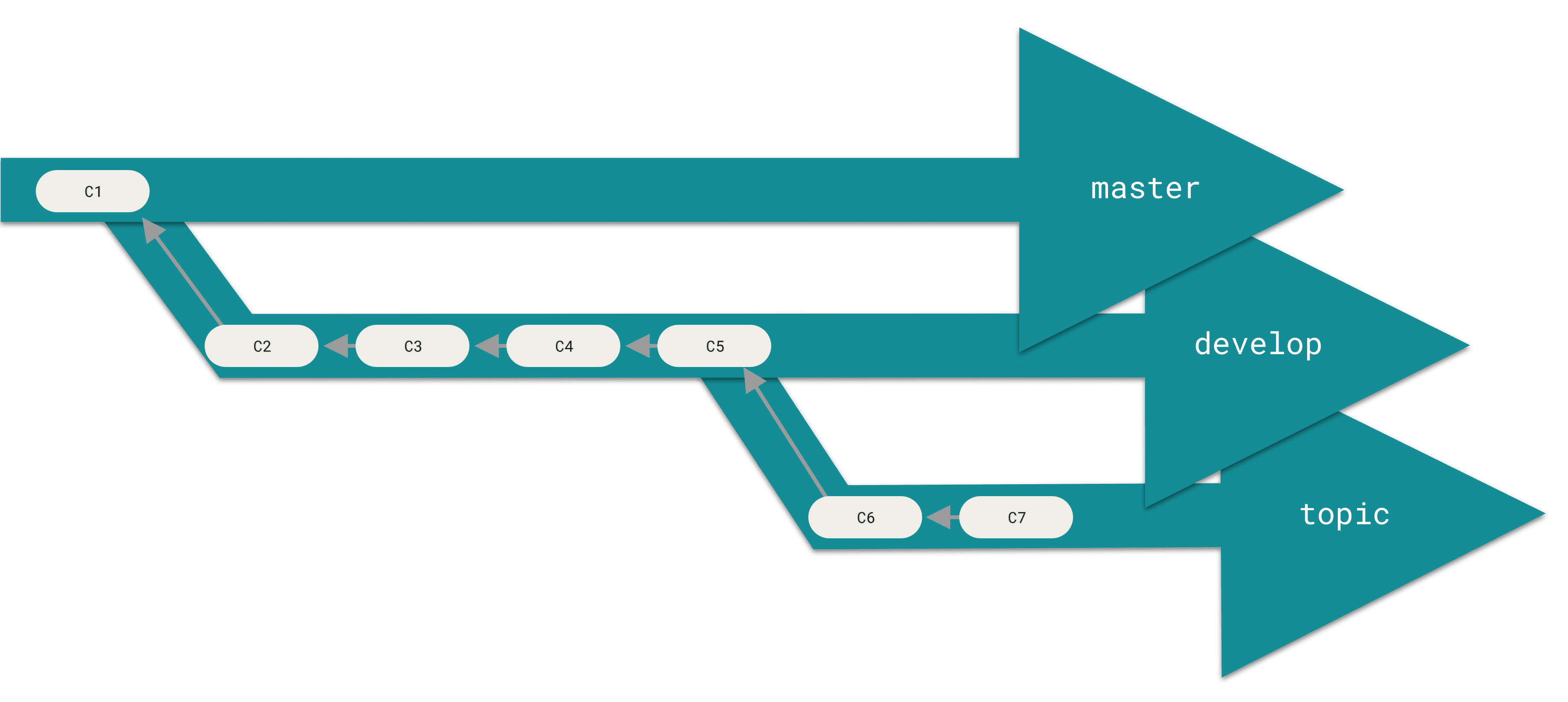
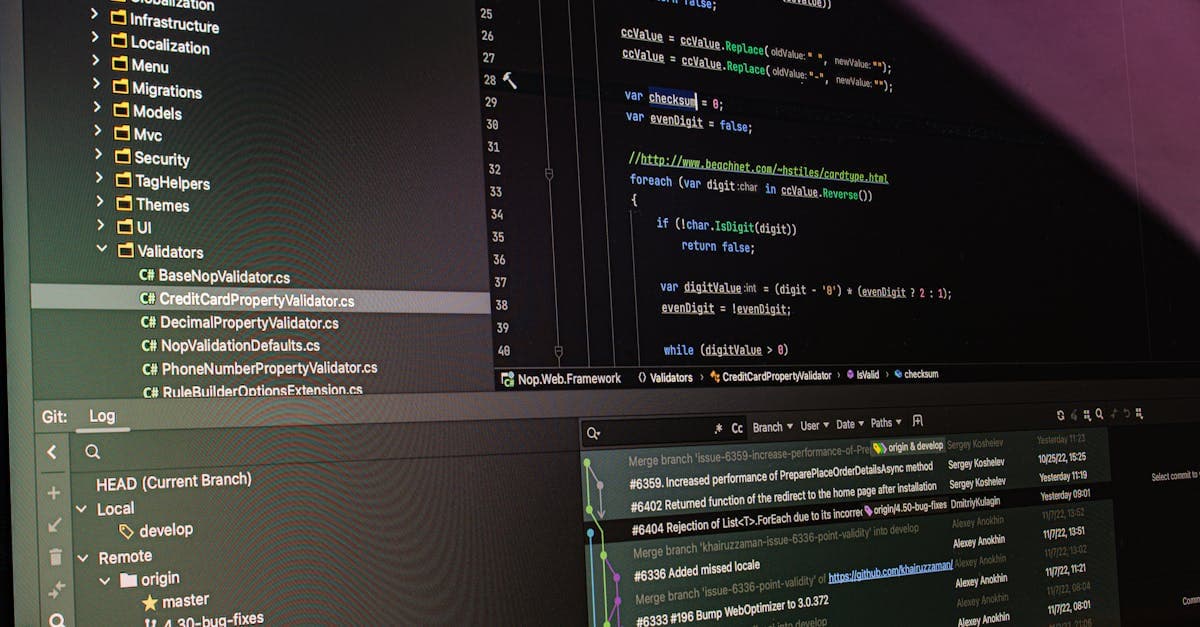
- A **tiny yet powerful utility** for **reading Git history** simplifies **code review** and **forensic analysis**:
> **"This tiny tool is a game changer for reading Git history"**
> It streamlines navigating **large commit histories**, **spotting code evolution**, and **performing targeted searches**, making **review** and **forensics** **more efficient**.
- Demonstrations of **running Llama 3 locally with Ollama** highlight **self-hosted LLM deployment**, providing **ultra-low latency** and **full data control**—crucial for **privacy-conscious** and **autonomous AI workflows**.
---
## Automated Documentation Generation via AI
A significant breakthrough is **AI-powered documentation automation**:
> **"Automate Your Documentation with AI: Save Time and Boost Accuracy"**
> Using **GitHub Actions** integrated with **OpenAI's GPT models**, teams can **generate comprehensive, up-to-date documentation** automatically from code changes and commit histories. Upon releases or pull requests, **AI analyzes code modifications** and **produces API docs, architectural summaries, and deployment instructions**—reducing manual effort and **keeping documentation synchronized**.
This **automation** **accelerates onboarding**, **improves maintainability**, and **ensures documentation remains current** with minimal manual input.
---
## Detecting Silent Failures in Microservices
Silent failures—those that evade standard alerts—pose a serious threat in microservice architectures. A recent deep dive emphasizes **detecting subtle signs early**:
> **"How to Detect Silent Failures in Microservices Using Advanced Tracing, Log Aggregation, and Anomaly Detection"**
> Leveraging **distributed tracing** via **OpenTelemetry**, **log aggregation** with **ELK** or **Grafana Loki**, and **ML-based anomaly detection**, teams can **spot latent failures** before they impact users. Analyzing **call latencies**, **error rates**, and **resource utilization** allows **proactive intervention**, **minimizing downtime**.
This **holistic detection approach** **closes gaps** of traditional monitoring, maintaining **high system availability**.
---
## The Latest Security & Runtime Controls: Platform-Level Sandboxing
A notable recent development is the emergence of **platform-level sandboxing tools** designed to enhance runtime security for developer and CI environments. For example:
> **macOS's Little-Known Command-Line Sandboxing Tool**
> This utility allows administrators and developers to **restrict resource access** and **limit system calls** for specific processes via **command-line configurations**. If a system framework changes resource access during updates, this tool helps **contain potential exploits** and **prevent privilege escalation**, **adding an extra layer of runtime security** without significant overhead.
> Such sandboxing mechanisms **complement container and VM security models**, providing **fine-grained control**, especially in **sensitive development or CI/CD pipelines**.
**Implication:** Integrating platform-level sandboxing enhances **defense-in-depth**, ensuring **runtime integrity** even when other security layers are compromised.
---
## Current Status and Future Outlook
The developments of 2026 confirm that **autonomous, security-first, AI-powered ecosystems** are now **industry standards**. These systems **self-heal**, **predict failures**, and **respond proactively**, **shrinking MTTR** and **ensuring high availability**.
- **AI assistants** like **OpenClaw**, **Copilot**, **Gemini CLI**, and **Agent Zero** **streamline coding**, **security**, and **workflow automation**. The recent **"OpenClaw AI in 100 Seconds"** tutorial demonstrates how **AI can analyze code**, **detect vulnerabilities**, and **perform automations rapidly**—foreshadowing a future where **AI assistants** are **integral** to **building autonomous, secure pipelines**.
- **Security architectures** are increasingly **adaptive and predictive**, utilizing **container management** with **Podman’s rootless operation** and **self-hosted stacks** for **full control**.
- The **RAM shortage** for home labs **poses challenges** but **drives innovations** in **resource-efficient architectures**, **software optimizations**, and **hardware recycling**—highlighting **the importance of resource management**.
### Broader Industry Implications
- The **trend toward self-hosted AI modules** and **edge deployments** grants **greater control**, **privacy**, and **resilience**.
- **Remote development tools** like **VS Code via SSH** **enhance productivity** in distributed setups.
- **Automation**, **observability**, and **cost controls** are **more critical than ever** to maintain **secure, efficient operations**.
- **Security enhancements** such as **tamper-proof logs** and **layered observability** **strengthen trust** and **forensic capabilities**.
---
## **Final Reflection**
The innovations of 2026 affirm that **autonomous, security-first, AI-powered ecosystems** are **mainstream**—**self-healing**, **predictive**, and **proactive**. These systems **reduce MTTR**, **improve reliability**, and **accelerate development cycles**.
Organizations **embracing these advancements** will **deliver higher-quality software faster**, **build resilient, adaptive systems**, and **maintain a competitive edge**. The relentless focus on **automation**, **security**, and **intelligence** is **reshaping software engineering**, **empowering developers**, and **securing digital infrastructures** for the future.
---
## **Key Takeaways**
- **AI-driven, autonomous CI/CD pipelines** enable **predictive, self-healing systems**.
- **Security-first architectures** incorporate **ML-enhanced secrets detection**, **adaptive runtime defenses**, and **tamper-proof logging**.
- **Predictive observability**—leveraging **OpenTelemetry**, **Grafana**, **ELK**, **Kafka**, and **Sazabi**—facilitates **proactive diagnostics** and **cost/resource-efficient telemetry**.
- **AI-powered developer tools** like **Copilot**, **Gemini CLI**, and **OpenClaw** **streamline coding**, **security**, and **workflow automation**.
- **Self-hosted stacks** built on **Docker Compose**, **Kubernetes**, and **Podman** **offer control and resilience**, especially at the edge.
- The **RAM shortage** for home labs **poses challenges** but **drives resource-efficient innovations**.
- **Remote development tools** such as **VS Code via SSH** **enhance productivity** in distributed environments.
- **Security and compliance** are strengthened through **tamper-proof logging** and **layered observability**.
The **industry’s ongoing pursuit** of **building smarter, safer, and more autonomous pipelines** is **fundamentally transforming software engineering**, **empowering developers**, and **securing digital infrastructures** for years to come.
---
**This continuous evolution** underscores that **building secure, automated, and intelligent software delivery pipelines** is **the backbone of modern software engineering in 2026**—a future where **resilience, security, and automation** are seamlessly integrated into every stage of the software lifecycle.