July 4, 2026
Memory Changes: Normal Aging or Dementia?
Not every memory slip signals dementia—many stem from aging or treatable issues like medication effects or vitamin deficiencies.
- Normal lapses:...

Created by Vivian Reese
Evidence-based health, fitness, and lifestyle tips for adults 60+ aging well
Explore the latest content tracked by Senior Wellness Digest
Not every memory slip signals dementia—many stem from aging or treatable issues like medication effects or vitamin deficiencies.
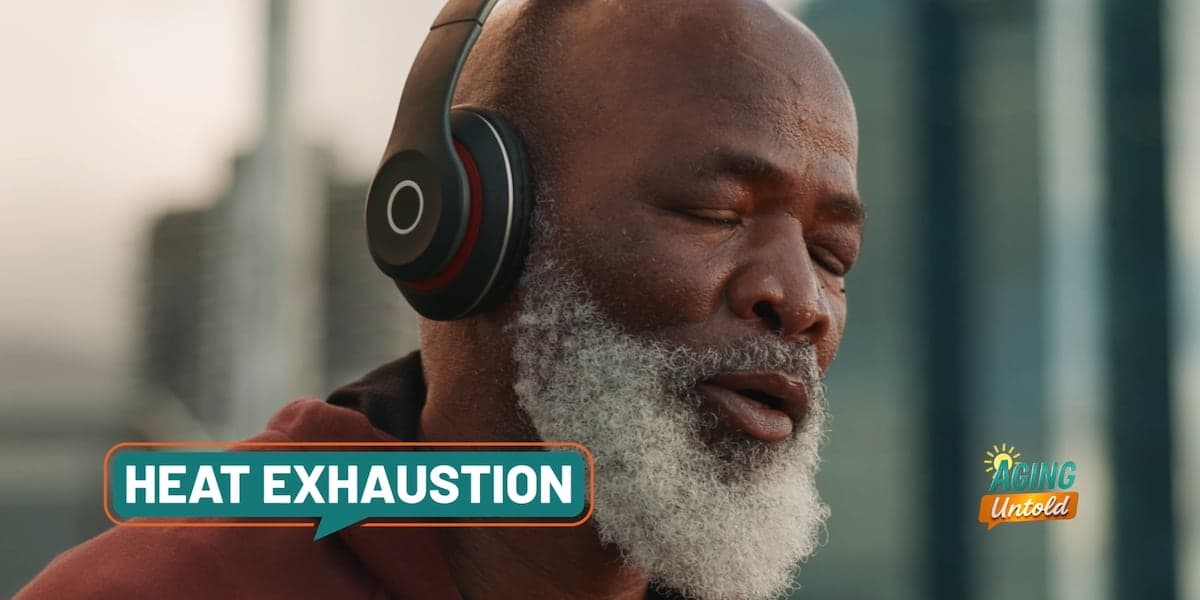
Older adults face faster heat risks due to less efficient temperature regulation and certain medications.
Key practical steps:
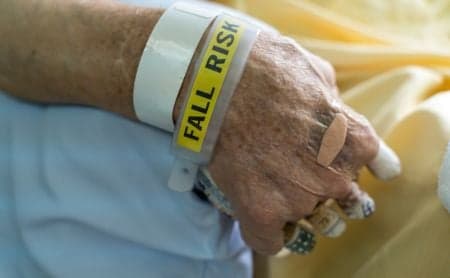
Aging brings sarcopenia, thinner cartilage, and slower balance, making some exercises risky for joints and fall prevention.
Key exercises to avoid...
Core contractions create pressure changes that drive brain fluid circulation and may support memory and focus.
Sarcopenia speeds up after age 60, with muscle loss reaching up to 8% per decade.
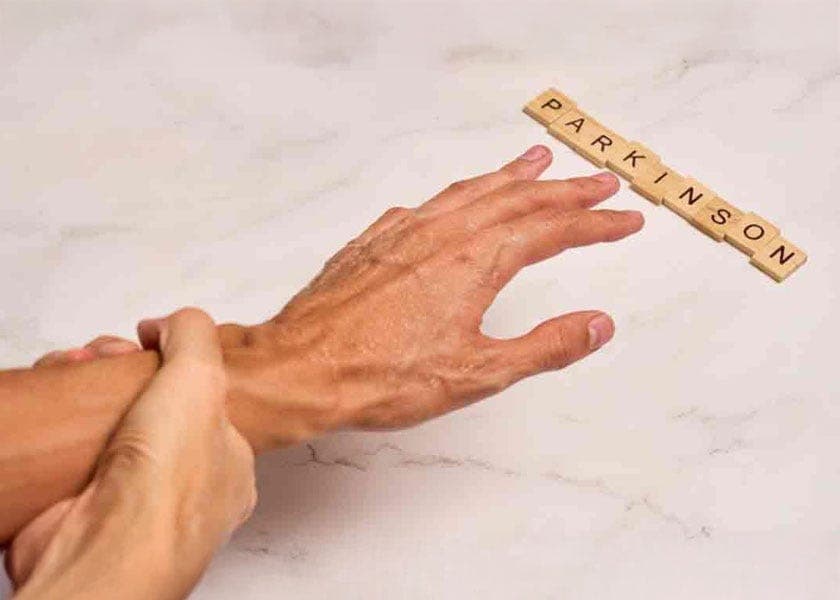
Emerging research links daily food choices to both Parkinson's prevention through gut health and measurable memory gains.
Community-clinical linkages expand access to proven programs like Tai Chi and Matter of Balance, especially in rural areas where falls are 25%...
It's never too late to build habits that preserve autonomy, health, and joy. These five pillars reinforce each other for lasting results.
A 12-week multimodal program slowed aging pace by 2.2% in older men, aligning with expert longevity habits.
Seniors face real walking hurdles like noise and slopes, which often outweigh measured conditions in shaping daily mobility.
Three research-backed strategies stand out for adults 60+:
A 10-week VR trial at Resthaven Marion Community Services tested immersive therapy for Parkinson's and balance groups.
A large Japanese study of 2,044 adults over age 64 found higher blood vitamin C linked to greater gray matter volume and stronger default mode network...
Every 10% rise in ultraprocessed food intake links to measurable attention declines in adults 40-70, even without dementia.
Exercise strategies for Alzheimer's and Parkinson's deliver overlapping benefits for cognition, mobility, and safety in older adults.