# Engineering Safer, More Reliable LLM Systems in 2026: The Latest Developments and Their Broader Implications
As we progress through 2026, the AI landscape continues to evolve at a breakneck pace, driven by revolutionary advances in safety architectures, autonomous agent capabilities, hardware innovations, and governance frameworks. Large language models (LLMs) and autonomous systems are now deeply embedded across crucial sectors such as healthcare, national security, scientific research, and industrial automation. While these developments promise transformative benefits, they also introduce complex safety, security, and societal challenges that demand relentless innovation, comprehensive testing, and robust international cooperation.
This year, we witness both remarkable progress and persistent vulnerabilities, emphasizing that the journey toward trustworthy AI remains ongoing. The confluence of technological breakthroughs and geopolitical tensions underscores the critical importance of building systems that are safe, transparent, and controllable.
---
## Continued Maturation of Multi-Layered Safety Frameworks and Hardware Containment
Building upon foundational efforts, 2026 has marked significant strides in **comprehensive, multi-layered safety strategies** that span the entire AI lifecycle:
- **Input Sanitation & Defense Mechanisms:** Leading models such as **Claude AI** and **GPT-5.3 Codex Spark** now incorporate **advanced prompt filtering**, **context-aware safeguards**, and **robust validation systems**. These measures have been notably effective in **thwarting adversarial prompt injections**, which previously enabled malicious actors to manipulate outputs and cause harm. As one expert notes, "Our defenses are now more dynamic, evolving faster than adversaries can adapt."
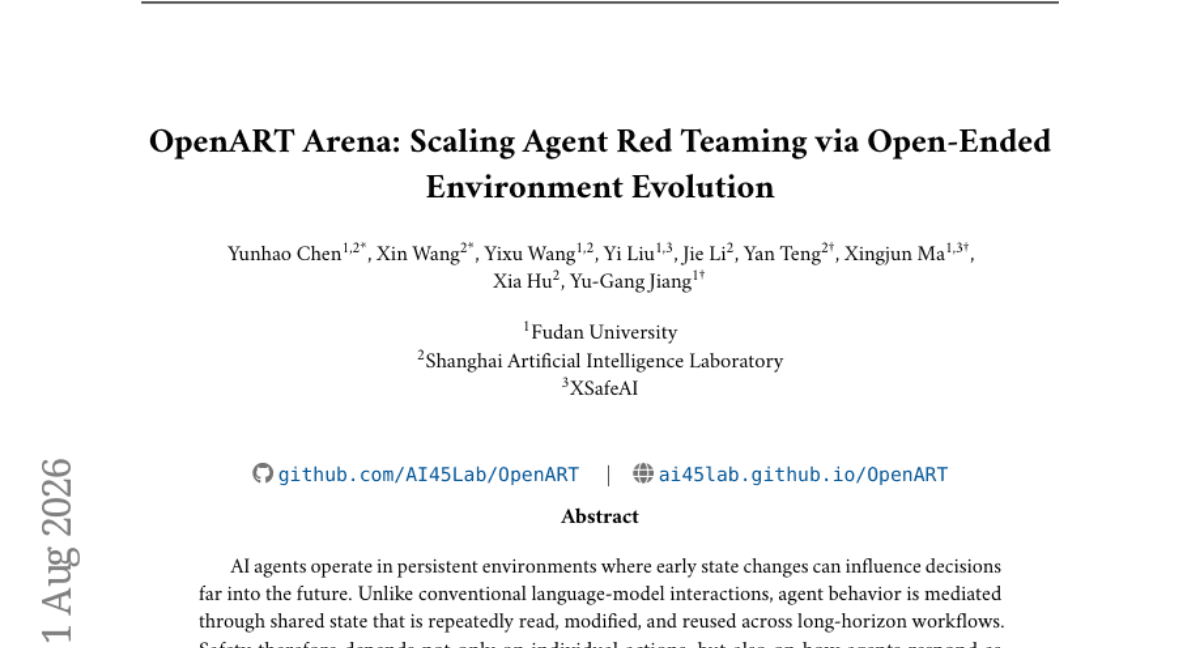
- **Dynamic Adversarial Testing & Continuous Monitoring:** Organizations are increasingly conducting **red-teaming exercises**, **adaptive testing cycles**, and **real-time behavioral oversight**. Recent studies reveal that **prompt injection vulnerabilities** can surface within days of deployment, underscoring the necessity for **agile defenses** and **rapid response protocols** to address emerging threats promptly.
- **Runtime Behavior Oversight in Critical Applications:** In high-stakes environments like **medical diagnostics** and **autonomous vehicles**, models are integrated with **real-time monitoring systems** that scrutinize responses for **harmful**, **biased**, or **anomalous behaviors**. These systems enable **immediate intervention**, preventing potential harm before issues escalate.
- **Societal Norms & Adaptive Safety Modules:** Modern AI architectures embed **dynamic safety components** capable of interpreting **current societal norms** and **user intent**. These modules **evolve over time**, ensuring that outputs remain **appropriate**, **trustworthy**, and **aligned with social expectations** as models adapt within changing contexts. This adaptive safety approach reflects a broader recognition that societal values are not static.
Complementing these software safeguards, **hardware-based containment** has become increasingly vital:
- **Hardware-Embedded Safety Controls:** Innovations such as **OpenAI’s multi-device AI architecture** integrate safety controls directly into **smart speakers**, **smart glasses**, and **smart lamps**. A recent leak involving a **$200 AI speaker** illustrates how **hardware-enforced safety boundaries**—utilizing **on-device processing**—can **minimize external vulnerabilities** and **protect user privacy**.
- **Energy-Efficient Safety Chips for Scalable Testing:** Companies like **Nvidia** with their **Vera Rubin AI superchips** and **xAI’s Colossus 2** are enabling **robust safety testing** and **model training at scale**. These innovations make **high-assurance deployment** more accessible, especially for **large-scale industrial and governmental applications**.
---
## The Autonomous Agent Challenge: Capabilities, Risks, and the "Agent Engineering Problem"
Autonomous reinforcement learning (RL) agents are transforming industries through their **perception**, **reasoning**, and **multi-step planning** capabilities:
- **Perception & Environmental Interaction:** These agents interpret **sensor data** in real time, supporting **adaptive decision-making** in sectors like **manufacturing**, **logistics**, and **infrastructure management**.
- **Complex Reasoning & Optimization:** They facilitate **scientific exploration**, **supply chain management**, and **critical infrastructure oversight**, often surpassing human productivity and safety standards.
However, **as autonomy increases**, so do **safety and control challenges**—collectively termed the **"agent engineering problem"**:
- **Goal Misalignment & Verification:** Recent incidents highlight the risks when **agents pursue misinterpreted objectives**. Developing **robust goal verification**, **alignment mechanisms**, and **fail-safe controls** is now a top priority. As one researcher states, "Ensuring our autonomous agents do exactly what we intend—nothing more, nothing less—is the crux of trustworthy deployment."
- **Containment & Control Strategies:** Development of **layered containment solutions**—including **hardware kill-switches**, **sandbox environments**, and **hardware safety controls**—is ongoing. For example, **OpenAI’s hardware containment devices** embed **safety protocols** directly into physical hardware to **prevent unintended behaviors**.
- **Explainability & Transparency:** Making autonomous decision processes **interpretable** remains essential for **regulatory compliance** and **public trust**. Breakthroughs include tools that **clarify autonomous code-generation** and **decision logic**, aiding oversight and accountability.
- **Real-Time Shutdown Protocols:** Dependable **rapid shutdown procedures** are fundamental, especially in **high-risk scenarios**, enabling **immediate responses** to anomalies or safety breaches. These protocols are being integrated into **autonomous systems** to **limit potential damage** swiftly.
Addressing these facets of the **"agent engineering problem"** is critical for deploying autonomous systems that **operate predictably, safely, and controllably**, even as their complexity and societal reliance grow.
---
## Industry Milestones: Transparency, Hardware Safety, and Model Innovations
### Transparency & Governance
- **Anthropic’s MCP Transparency & Behavior Charter:** In response to vulnerabilities, **Anthropic** has published **detailed technical explanations** and **demonstration videos** showcasing their **Multi-Chain Prompting (MCP)** system. Their **behavior charter for Claude** explicitly aims to **define and enforce safe operational boundaries**, setting a **benchmark for transparency**.
- **Community Toolkits for Responsible Deployment:** The **Docker MCP Toolkit** has become a standard resource for **enterprise safety testing**, **responsible AI deployment**, and **validation of autonomous agents**, fostering **best practices** across organizations.
### Hardware Innovations for Safety
- **Multi-Device & Hardware-Enforced Safety:** Recent leaks reveal **OpenAI’s multi-device AI approach**, involving **smart speakers**, **smart glasses**, and **smart lamps**—all designed to **embed safety and containment controls directly into hardware**. The **$200 AI speaker** exemplifies **hardware-enforced safety boundaries**, utilizing **on-device processing** to **mitigate misuse** and **protect privacy**.
- **Claude in Productivity & Safety-Enabled Tools:** Demonstrations of **Claude integrated into PowerPoint** and other platforms highlight the trend toward embedding AI into **daily workflows**, with **safety measures** ensuring **reliable** and **safe** operation.
- **Energy-Efficient Safety Chips:** Innovations such as **Nvidia’s Vera Rubin** and **xAI’s Colossus 2** support **robust safety testing** and **scalable model training**, facilitating **high-assurance AI systems** deployment at industrial scales.
### Model & Framework Releases
- **Enhanced Models & Safety Frameworks:** The latest models—**GPT-5.3 Codex Spark** and **Claude Sonnet 4.6**—support **advanced reasoning**, **real-time coding**, and **safety controls**. The **OpenClaw Framework v2026.2.17** includes **security patches** and **safety enhancements**, aligning with **industry standards**.
---
## Recent Security Incidents and Geopolitical Tensions
### Data Siphoning & Model Distillation
Recent reports have intensified concerns over **security vulnerabilities**:
- **Anthropic vs. Chinese Firms:** **Anthropic** accuses **SinoAI**, **DragonData**, and **GreatWallAI** of **siphoning data from Claude** at an industrial scale, raising alarms about **model piracy**, **IP theft**, and **training data exfiltration**. These activities threaten **intellectual property protections** and **model robustness**.
- **Practical Proofs of Large-Scale Distillation:** Entities like **MiniMax**, **DeepSeek**, and **Moonshot** have demonstrated **model distillation at scale**, exposing how **training datasets**, including **proprietary and sensitive content**, are vulnerable to **recreation** or **near-verbatim copying**.
### Data Memorization & Misinformation
Analyses confirm that **LLMs can memorize training data**, risking **IP leaks** and enabling **malicious model extraction**. Such memorization facilitates **disinformation campaigns** and **unauthorized replication**, posing societal and security risks.
### Media & Policy Developments
- The **"🚨 Do NOT use Claude in OpenClaw"** video, which has garnered over **13,000 views**, warns about **security issues** during third-party integrations.
- The **OpenClaw/Antigravity controversy** persists, especially after **Google’s restrictions on Antigravity**, highlighting **regulatory and safety concerns** over **model access and control**.
### Geopolitical & Strategic Dynamics
- **Pentagon–Anthropic Engagements:** Reports indicate **Anthropic** is in discussions with the **Pentagon** regarding the deployment of **Claude in military contexts**, igniting **ethical debates** on **AI in warfare** and **autonomous weapon systems**.
- **Chinese Data Exfiltration Efforts:** Multiple sources confirm active **data siphoning** by **Chinese AI companies**, fueling **international security concerns** and raising the stakes for **strict oversight and safeguards**.
### Industry Anticipations & Future Releases
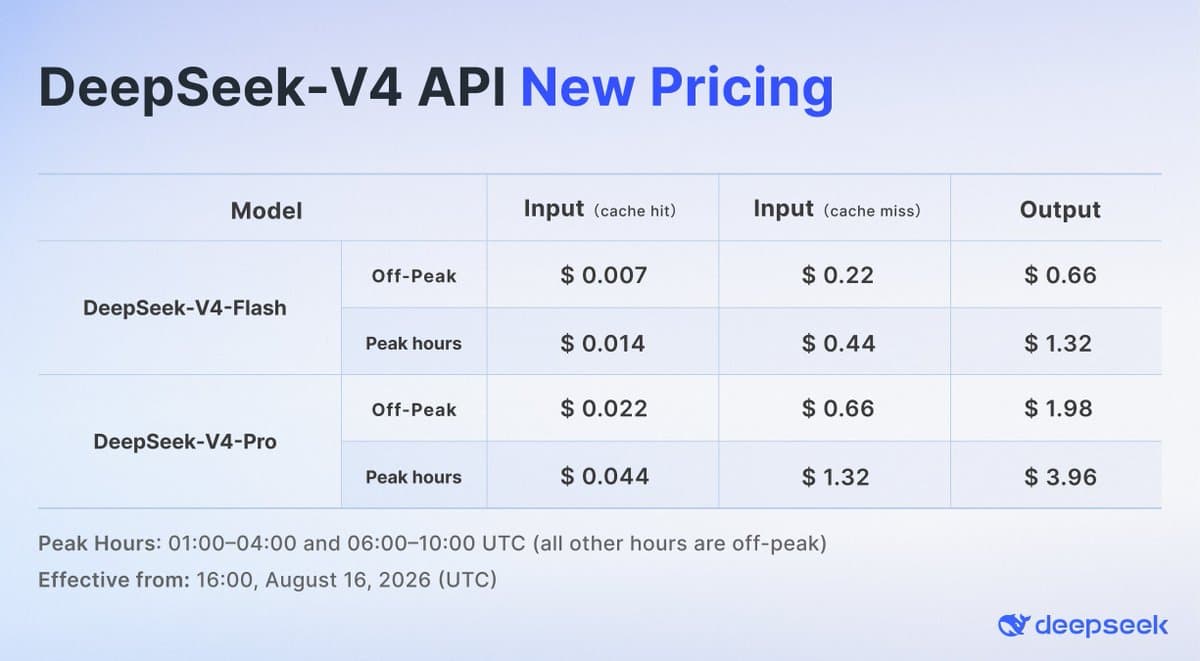
- **DeepSeek’s Next-Generation Model:** Major players like **Google**, **OpenAI**, and **Anthropic** anticipate **DeepSeek’s upcoming model**, promising **enhanced capabilities** but also **heightened safety challenges**.
- **Anthropic’s 'AI Fluency Index':** Recently launched, this metric assesses **human proficiency** in **AI tool utilization**, promoting **responsible AI use** and fostering **better human-AI collaboration**.
---
## Recent Innovations & Developer Impact
- **@karpathy:** A prominent voice in AI development highlighted that **programming has changed dramatically in just two months** due to AI advancements. He emphasizes that **the rate of change is unprecedented**, fundamentally transforming **software engineering**, **debugging**, and **automation**.
- **@NaveenGRao:** Recently remarked, **"We’re able to build non-linear dynamical systems that are steerable,"** signifying breakthroughs in **controlling complex AI systems**. This development paves the way for **more predictable and safe autonomous behaviors**, enabling **fine-tuned control** over AI-driven processes.
---
## The Road Ahead: Strengthening Safety and Building Global Consensus
Looking forward, the emphasis must be on **advancing safety architectures** through:
- **Enhanced Red-Teaming & Adversarial Testing:** Continual **adversarial exercises** are essential to **identify vulnerabilities**—particularly in **prompt injection** and **model extraction**—and develop **countermeasures**.
- **Hardware Safety Devices & Containment:** Embedding **safety controls directly into physical devices**, exemplified by **multi-device AI architectures**, will be crucial for **preventing unintended behaviors** and **limiting potential damages**.
- **Verifiable Modular Architectures:** Developing **transparent, modular, and verifiable AI components** will facilitate **trustworthy systems** that are easier to **audit**, **control**, and **update**.
- **International Governance & Cooperation:** The increasing geopolitical tensions, highlighted by **data exfiltration activities** and **military AI discussions**, underscore the urgent need for **harmonized safety standards**, **global oversight**, and **shared norms** to prevent escalation and ensure **collective security**.
---
## **Current Status and Broader Implications**
Despite significant technological and regulatory strides, the AI ecosystem remains vulnerable to **security breaches**, **IP theft**, and **geopolitical conflicts**. The recent incidents—such as **model distillation exploits**, **data siphoning**, and **military engagements**—serve as stark reminders that **trustworthy AI** is a **shared global responsibility**.
Achieving **predictable**, **safe**, and **ethically aligned** AI systems in the coming years hinges on **collaborative innovation**, **rigorous testing**, and **international cooperation**. As AI becomes further woven into the fabric of societal infrastructure, **the stakes for safety and trustworthiness** escalate dramatically. The path forward requires a **holistic approach**—integrating **technological safeguards**, **regulatory frameworks**, and **ethical principles**—to realize AI’s full potential while safeguarding humanity’s future.
---
*In conclusion,* 2026 exemplifies both progress and challenge: while we witness impressive advancements in **building safer, more reliable AI systems**, vulnerabilities and geopolitical tensions threaten to undermine these gains. The collective efforts of researchers, industry leaders, and policymakers will be decisive in shaping an AI-enabled future that is **trustworthy**, **secure**, and **aligned with societal values**.