# Evolving Frontiers in Large-Scale Autonomous Agent Ecosystems: Advanced Operational Practices, Organizational Design, SDKs, and Orchestration Patterns
The rapid progress in autonomous agent ecosystems powered by large language models (LLMs) continues to reshape how organizations design, deploy, and govern complex AI fleets. What once was confined to experimental or small-scale pilot projects is now transitioning into sophisticated, enterprise-grade systems that demand **robust operational frameworks, scalable orchestration, and trustworthy governance**. Recent breakthroughs have propelled this evolution, integrating innovative control architectures, cutting-edge platform tools, and security-by-design principles—paving the way for **trustworthy, resilient, and highly efficient large-scale autonomous fleets**.
This article synthesizes the latest developments, featuring new research, deployment patterns, and practical insights that demonstrate how organizations are orchestrating millions of agents with unprecedented sophistication and confidence.
---
## 1. Advanced Operational Architectures: Hierarchical Control, Identity, and Governance
Managing vast fleets of autonomous agents requires **multi-layered control architectures** that balance **scalability, oversight, and safety**. The shift from **flat, decentralized models** to **hierarchical control planes** underscores a strategic move toward **organized governance**.
### Key Innovations:
- **Multi-Layered Control & Meta-Agent Oversight:** Leading enterprises such as *Rakuten* exemplify deploying **multi-tiered control structures**, where **centralized or distributed policy hubs** coordinate agent behaviors, enforce compliance, and facilitate **fault recovery**. Such layered systems enable **scalable oversight** while maintaining **granular control** over individual agents.
- **Identity Fabrics & Behavioral Transparency:** To bolster **security** and **traceability**, organizations adopt **identity fabrics**—integrated frameworks embedding **authentication**, **authorization**, and **behavioral policies** across fleets. This approach is crucial in sensitive domains like finance and healthcare, ensuring **regulatory compliance** and **behavioral accountability**.
- **Engineers as Orchestrators:** The role of **software engineers** is evolving into **system orchestrators**—crafting **dynamic workflows**, managing **control hierarchies**, and embedding **governance standards**. This paradigm, sometimes called **agentic software engineering**, emphasizes **behavioral policy integration** with **system integrity**, fostering **trustworthiness** at scale.
**Implication:** The adoption of **multi-layered, identity-driven organizational architectures** empowers enterprises to **manage complex fleets** confidently, ensuring **safety, compliance, and operational clarity**.
---
## 2. Orchestration: The Central Pillar of Performance, Safety, and Flexibility
Recent advances underscore that **orchestration**—the management and coordination of agent behaviors—is now recognized as the **core enabler** of large-scale autonomous systems. While model size and compute power remain important, **orchestration frameworks** are increasingly pivotal in **driving performance, safety, and adaptability**.
### Cutting-Edge Developments:
- **Open-Source Multi-Agent Orchestrators:** Platforms such as **Composio** are democratizing **multi-agent workflow creation**, enabling **collaborative task execution**, **dynamic assignment**, and **resilient operation**. These tools support **complex collaborations** beyond traditional **ReAct** patterns, embracing **flexibility** and **scalability**.
- **Runtime Tree Construction & Dynamic Reconfiguration:** Inspired by systems like **Cord**, agents now **build and adapt execution trees at runtime**, facilitating **reactive workflows** that respond to **real-time data**, **faults**, or environmental changes. This capability significantly enhances **fault tolerance** and **autonomous recovery**, essential for enterprise resilience.
- **No-Code & Visual Workflow Builders:** The emergence of **no-code agent platforms** such as **Opal 2.0 by Google Labs** and **Notion’s Custom Agents** simplifies **workflow design and iteration**, making **complex orchestration** accessible to even non-technical users. Features like **smart agent memory**, **routing**, and **interactive chat** foster **visual, scalable AI workflows**.
- **Cross-System Automation:** Companies like **Talkdesk** demonstrate how **agentic AI** can **orchestrate interactions** across diverse backend systems, enabling **end-to-end autonomous processes** that reduce manual effort and streamline operations.
**Significance:** Elevating **orchestration** as the **central focus** unlocks **performance gains**, **safety assurances**, and **system flexibility**—all critical as fleets grow exponentially.
---
## 3. Platform & SDK Innovations: Foundations for Trustworthy and Scalable Ecosystems
Supporting **large-scale, safe, and long-horizon autonomous fleets** hinges on **next-generation SDKs and platform architectures** that emphasize **modularity, behavioral governance, and persistent reasoning**.
### Key Developments:
- **Spring AI 2.0 Architecture:** This platform emphasizes **agentic engineering**, **secure deployment**, and **hyper-scalability**. It supports **long-term reasoning**, **behavioral policies**, and **modular control**, enabling organizations to **manage extensive fleets confidently**.
- **Agent SDKs & Memory Architectures:** SDKs like **Claude Agent SDK** facilitate **custom behavioral modules**, **formal validation**, and **reliable deployment**. Recent research highlights **structured memory architectures**—where agents **preserve knowledge** over extended periods—supporting **long-horizon planning** and **behavioral continuity**.
- **Evaluation & Benchmarking Frameworks:** Initiatives such as **LongCLI-Bench** provide **performance benchmarks** for **long-horizon, command-line agentic programming**, assisting organizations in **measuring** and **improving** their agent capabilities in real-world scenarios.
- **Data Platform Integration:** Tools like **Databricks** and **MLflow** enable **model lifecycle management**, **performance tracking**, and **deployment automation**, aligning AI development with **enterprise operational standards**.
**Impact:** These SDKs and platforms empower organizations to **construct, govern, and maintain** large fleets of **long-lived, safety-conscious agents**, ensuring **behavioral integrity** and **long-term reasoning**.
---
## 4. Security, Safety, and Governance by Design
As autonomous ecosystems scale, **embedding security and safety** into **system architecture** becomes imperative. Recent innovations focus on **preventing unsafe behaviors**, **proactive risk mitigation**, and **regulatory compliance**.
### Innovations and Approaches:
- **Safety-by-Design Principles:** Industry leaders like **Anthropic** emphasize **scaling safety policies** from inception, aiming to **preempt unsafe actions** rather than reactively address failures.
- **Behavioral Policy Compilers & Constraints:** Tools such as **Policy Compiler** embed **behavioral constraints** directly into agent workflows, **proactively** limiting potential risks. Coupled with **runtime threat detection** and **risk agents**, these mechanisms **monitor** and **mitigate unsafe behaviors** in real-time.
- **Secure Runtimes & Data Protection:** Embedding **runtime secrets management**, **sandboxing**, and **tamper-resistant memory modules**—as demonstrated by **Microsoft’s secure AI browser agents**—protects **confidential data** and **prevents malicious interference**.
- **Prompting & Compliance Controls:** Multi-tenant architectures now implement **prompting controls** and **behavioral policies** that ensure **consistent, compliant behaviors** across organizational units, facilitating **regulatory adherence**.
**Implication:** Integrating **security and safety** **by design** is essential for **trustworthiness**, **regulatory compliance**, and **system robustness** in large-scale deployments.
---
## 5. Deployment Patterns and Infrastructure: From Prototype to Production
Transitioning autonomous agent systems into **production environments** involves **reliable infrastructure**, **fault-tolerance**, and **observability**.
### Current Trends:
- **Hybrid Edge-Cloud Architectures:** Combining **cloud scalability** with **edge responsiveness** allows organizations to **optimize privacy**, **latency**, and **resource utilization**. Platforms such as **N3 on GCP** support **retrieval-augmented generation (RAG)** workflows, while lightweight **edge agents** (e.g., **Tiny Claw**) enable **on-device deployment** for sensitive or latency-critical tasks.
- **Fault-Tolerant & Self-Healing Infrastructure:** Enterprises are investing in **self-healing workflows**, **distributed fault detection**, and **comprehensive observability tools**—drawing from recent reports—to support **millions of agents reliably operating in production**.
- **Operational Tools & Monitoring:** Implementation of **fault detection**, **performance dashboards**, and **real-time observability**—via tools like **ResearchGym** and **SkillsBench**—ensures **system health**, **performance**, and **compliance**.
### Practical Examples:
Organizations such as **Loblaws** demonstrate how **hybrid architectures** optimize **privacy**, **speed**, and **resilience** across **local** and **cloud** resources, exemplifying **scalable enterprise deployment**.
---
## 6. Emerging Capabilities and Practical Resources for Production Deployment
The ecosystem continues to evolve rapidly, introducing **multi-modal grounding**, **long-horizon planning**, and **self-healing** capabilities, supported by **practical tools** and **research**.
### Notable Trends:
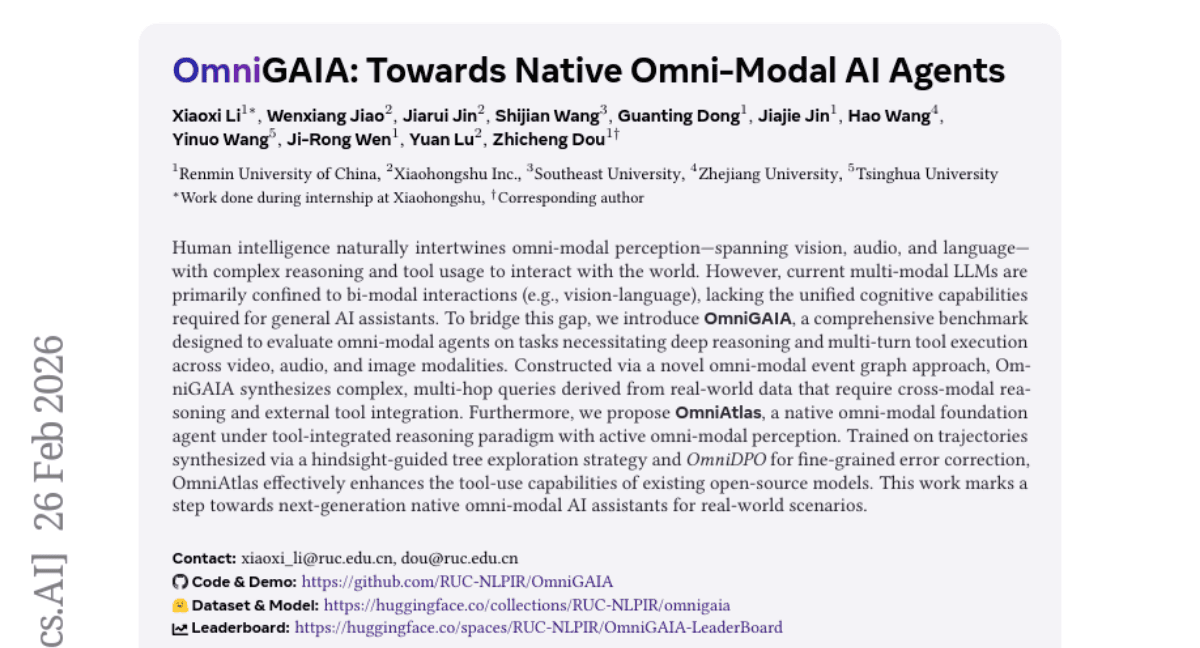
- **Multi-Modal Grounding:** Integrating **video**, **audio**, and **text** data enhances **contextual understanding**, critical for domains like **industrial automation** and **customer support**.
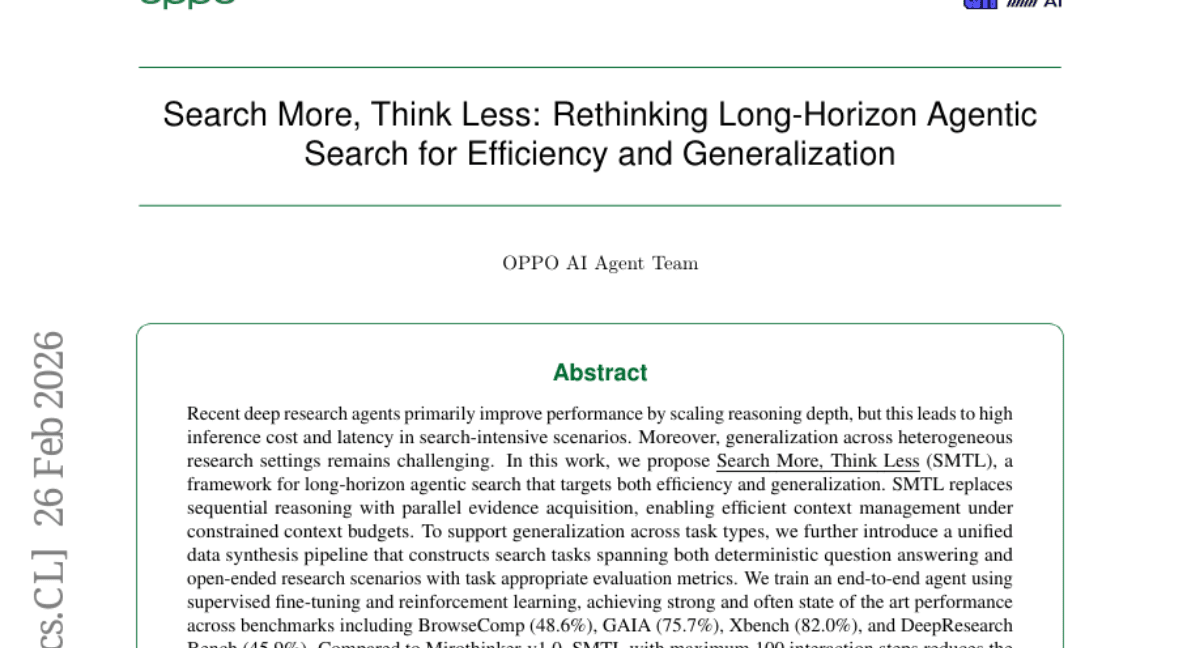
- **Long-Horizon & Self-Healing Agents:** Advanced agents now execute **extended workflows** with **fault detection** and **autonomous recovery**, underpinning **enterprise resilience**. Tools like **ResearchGym** and **SkillsBench** facilitate **behavioral validation** and **performance benchmarking**.
- **Sociotechnical Integration:** Deploying **agentic AI at scale** involves **organizational change**, promoting **human-AI collaboration**, and embedding **ethical, legal, and operational standards** at every level.
- **GUI & Interactive Agent Research:** Recent research from Georgia Tech and Microsoft Research introduces **GUI agents** capable of **interactive, visual workflows**, enabling more intuitive **agent management** and **collaborative human-AI interfaces**.
- **Agentic DevOps & Practical How-Tos:** Resources such as **building multi-agent systems with Microsoft AutoGen** and **deployment architecture guides** accelerate **production readiness**.
### Key Resources:
- **Hands-on Guides:** Platforms like **"How to build Claude AI Agents"** and **"Deployment Architecture with Claude"** provide step-by-step instructions for deploying **enterprise-grade agents**.
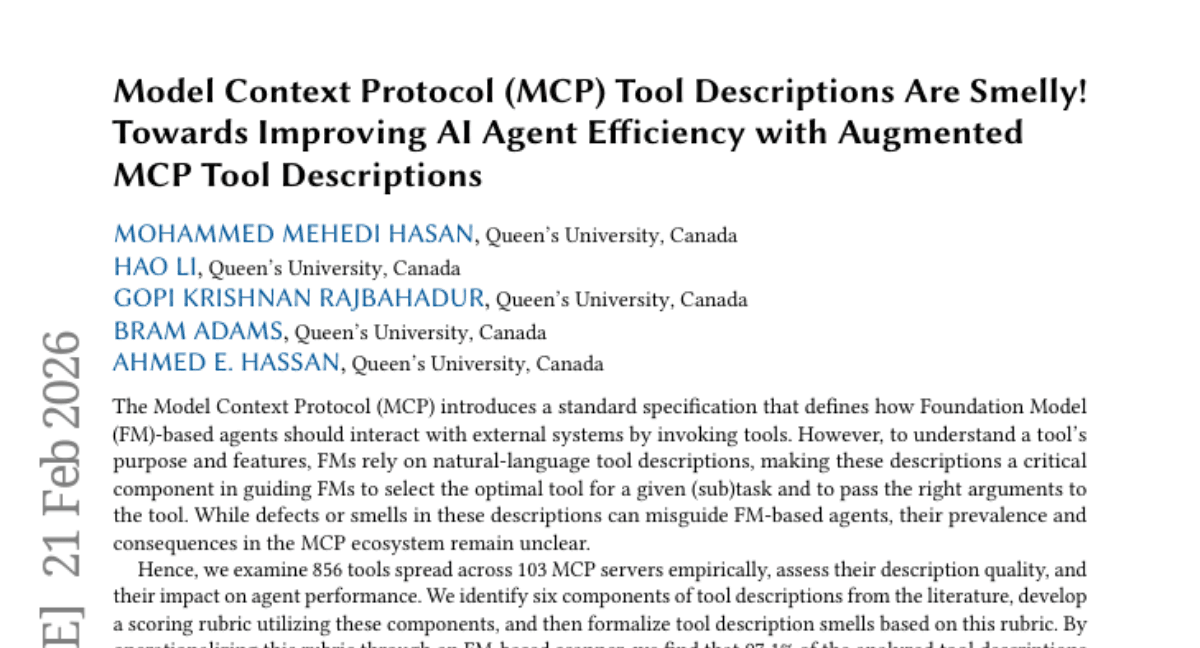
- **Research & Tooling:** Initiatives like **MCP Tool Descriptions** aim to **enhance agent efficiency**, while **agentic DevOps systems** streamline **deployment**, **monitoring**, and **maintenance**.
---
## **Current Status and Future Outlook**
The landscape of **large-scale autonomous agent ecosystems** is now firmly rooted in **enterprise deployment**, driven by **innovative control architectures**, **orchestration platforms**, and **security-by-design** principles. Organizations are confidently deploying **millions of agents** with **trustworthy behaviors**, **fault tolerance**, and **scalability**.
Emerging capabilities such as **multi-modal grounding**, **long-horizon planning**, and **self-healing systems** are setting the stage for **next-generation automation**, promising **unprecedented efficiency**, **resilience**, and **organizational agility**. The integration of **GUI-based interfaces** and **interactive research** from institutions like Georgia Tech and Microsoft Research further broadens accessibility and management capabilities.
Looking forward, success hinges on **technological innovation coupled with organizational discipline**—fostering **collaborative governance**, **interoperable infrastructure**, and **trustworthy AI**. The ecosystem is rapidly maturing, transforming **what was once experimental** into **enterprise norm**. The future of **trustworthy, autonomous enterprise ecosystems** is actively being orchestrated, secured, and scaled at an unprecedented level, heralding a new era in AI-driven automation and organizational intelligence.