# Cincinnati’s City Services and Infrastructure: Navigating Recent Challenges and Embracing Growth as Winter Approaches
As Cincinnati gears up for the colder months ahead, the city’s efforts to strengthen its infrastructure, public safety, utilities, and community vitality have taken on renewed urgency. Recent developments reflect both ongoing hurdles—such as rising utility costs, public safety concerns, and regional infrastructure upgrades—and promising strides in revitalization, green initiatives, and community engagement. These initiatives collectively underscore Cincinnati’s resilience and unwavering commitment to building an equitable, sustainable, and vibrant urban environment.
## Winter Preparedness and Transportation: Enhancing Response and Connectivity
Cincinnati’s winter readiness measures have been actively intensified, especially with forecasted snow and rain arriving Thursday morning. Snow removal crews have been mobilized extensively, focusing on main roads, high-traffic corridors, and critical transit routes to ensure mobility and safety for residents. Despite these efforts, challenges persist in underserved neighborhoods, where snow accumulation continues to hinder mobility—particularly impacting seniors and residents with mobility challenges.
**Recent efforts include:**
- **Deployment of additional snow removal resources** aimed at clearing sidewalks and streets to facilitate emergency response and daily commuting.
- The city’s **regional infrastructure improvements** saw a significant milestone with the **reopening of the Sharon Road railroad crossing in Sharonville**, easing regional traffic flow and improving safety at a key transit point connecting Cincinnati and its suburbs.
Community input remains vital in transit planning. The **Clifton Town Meeting** recently declined to endorse the proposed Clifton Avenue Bus Rapid Transit (BRT) stop, citing concerns about route placement and station accessibility. This decision will influence future transit proposals and community consultations, emphasizing the importance of local voices.
Looking ahead, **Cincinnati Metro announced upcoming route and schedule adjustments** set for March 1, designed to improve service reliability and efficiency through the winter and spring months. These enhancements aim to sustain dependable transit options for residents across the region.
Adding to regional infrastructure concerns, the **Kentucky Transportation Cabinet (KYTC)** has scheduled a **controlled demolition of Covington’s 4th Street Bridge**, a critical step toward replacing aging infrastructure and improving regional connectivity. This demolition is part of broader efforts to modernize bridges and transportation corridors in the area.
Furthermore, **law enforcement agencies are increasing their presence in northern Cincinnati regions** to combat rising public safety issues. The **Northern Cincinnati Police Department (NCPD)** has ramped up patrols and visibility in these neighborhoods, aiming to deter crime and foster community trust. A recent **YouTube video** showcases these increased efforts, signaling a heightened focus on safety in vulnerable areas.
## Public Safety: Confronting Violence, Fires, and Emergency Response Challenges
Over recent weeks, Cincinnati has faced persistent public safety challenges, including gun violence, fatal fires, and emergency response system issues. The shooting of a **12-year-old boy in Northern Kentucky** has intensified calls for intervention and law enforcement action to address gun violence. The suspect in that case is currently held on a **$1 million bond**, highlighting the severity of the incident.
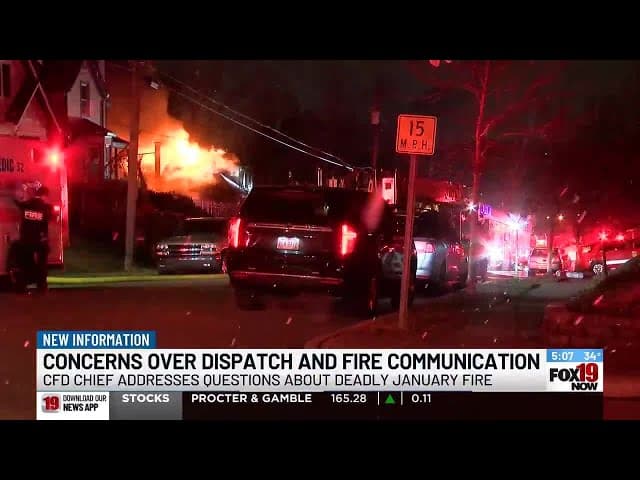
Adding to safety concerns, Cincinnati experienced an **uptick in fatal fires**, including a house fire in Northside that injured two firefighters and a civilian. Fire Chief Frank McKinley has acknowledged recent **disruptions in dispatch protocols**, which have been linked to an increase in fire-related fatalities. **“We are actively reviewing protocols to improve response times and effectiveness,”** he stated, emphasizing the importance of addressing communication gaps.
**Recent improvements include:**
- A **50% reduction in protocol errors** at Cincinnati’s **911 call center** over the past three years, reflecting ongoing efforts to enhance emergency response systems.
- **Community safety initiatives** such as search efforts for missing teenager **A’zire Whiting-Osley**, last seen near Burnet Avenue, with authorities urging the public to remain vigilant and report pertinent information.
In regional law enforcement developments, **ShotSpotter technology** played a crucial role in responding to violence. An **early-morning ShotSpotter alert** led Cincinnati police to a double homicide at Roll Hill, where officers found two victims fatally shot at the Villages at Roll Hill complex. This incident underscores the importance of technology in rapid response and crime scene investigation.
In a notable policy move, Cincinnati City Council has **restricted ICE access to city property and surveillance footage**, aiming to safeguard residents’ privacy and prevent federal agencies from conducting immigration enforcement operations on municipal grounds. This move reflects the city’s broader commitment to community trust and safety.
On the regional front, **Kentucky lawmakers are considering a bill** to oversee and regulate **synthetic opioid manufacturing and distribution**, addressing the rising dangers posed by synthetic drugs. This legislation aims to enhance oversight of drug compounds and improve coordination among agencies combating overdose crises.
## Utilities and Sustainability: Rising Costs and Green Initiatives
Utility costs continue to be a pressing issue for Cincinnati households. **Duke Energy customers** are experiencing noticeable increases, driven by fluctuating energy consumption and inflationary pressures. To help mitigate these costs, Cincinnati has launched innovative programs, including a **pilot energy-efficiency scholarship** designed to provide hands-on HVAC and sustainable systems training for students. This initiative not only aims to **develop a skilled workforce** but also to **lower household utility bills** and promote community-wide sustainability.
**Green infrastructure projects** are expanding, emphasizing renewable energy adoption, green building standards, and resilient design. These efforts are aligned with the city’s climate goals and aim to buffer against future weather disruptions or economic shocks.
In addition, **the Northern Kentucky Water District (NKWD)** has elected new **Board of Commissioners**—a move aimed at strengthening governance and oversight of regional water resources. This election signals ongoing efforts to ensure reliable water service and investments in infrastructure resilience.
### Other notable developments include:
- Continued focus on emergency preparedness within the **911 call center**, which has made significant progress in reducing protocol errors.
- Community funding initiatives, such as **Interact for Health’s rural investment programs**, are working to bolster resilience and health equity in underserved regions, supporting Cincinnati’s broader vision of an inclusive city.
## Housing, Development, and Civic Engagement
Cincinnati’s development scene remains robust, with major projects contributing to neighborhood revitalization and social equity. A **$20 million overhaul of a historic building in Over-the-Rhine** is nearing completion, transforming the landmark into a vibrant mixed-use space that preserves its historic character while housing residential and commercial tenants.
In Hyde Park Square, a **$150 million mixed-use development** aims to promote walkability, support local businesses, and increase affordable housing options. Meanwhile, **Cold Spring Pointe**, a large-scale mixed-use project, is progressing swiftly, offering residential, retail, and green spaces designed to meet diverse community needs.
Civic engagement continues to thrive through community events and nonprofit initiatives. The **return of the Cincinnati Home & Garden Show** at the renovated convent exemplifies regional pride and revitalization efforts, fostering civic pride and neighborhood identity.
Volunteerism is on the rise, exemplified by the **Freestore Foodbank**, which has expanded its volunteer base to **12,000 volunteers** through platforms like VolunteerHub. Leadership changes, including **Kreg Keesee’s recent appointment as President and CEO**, are expected to bolster community resource distribution and support.
## Local Business and Placemaking: New Ventures and Neighborhood Revitalization
Cincinnati’s neighborhoods are vibrant with new ventures that reinforce placemaking and local economic vitality. The **Cinsei Cafe and Manga House**, moving into the former Coffia location, exemplify the city’s growing cultural and entrepreneurial scene. These establishments aim to create inviting spaces for community gathering and support local entrepreneurs, further strengthening neighborhood identities.
Such projects are part of Cincinnati’s broader strategy of transforming underused spaces into lively community hubs, fostering economic vitality and social cohesion.
## Overall Outlook: Building a Resilient, Inclusive Cincinnati
As winter approaches, Cincinnati’s comprehensive strategies—encompassing infrastructure upgrades, safety enhancements, green initiatives, and community development—are positioning the city to effectively meet seasonal and ongoing challenges. Recent incidents, including the shooting of a young boy, the search for missing youth, and fire safety concerns, highlight the importance of community vigilance, technological innovation, and responsive policymaking.
Promising developments such as **progress on Cold Spring Pointe**, **finalized financing for the new convention hotel**, and ongoing investments in green infrastructure demonstrate Cincinnati’s vision for **economic vitality and climate resilience**.
**Key recent regional actions include:**
- The **controlled demolition of Covington’s 4th Street Bridge**, a major regional infrastructure project.
- The **increased police presence in northern Cincinnati** to ensure safety.
- The **election of NKWD Board Commissioners**, promoting regional water governance.
**In sum**, Cincinnati is actively shaping a future rooted in resilience, equity, and community well-being. As winter settles in, these initiatives will be crucial in maintaining progress, safeguarding residents, and ensuring the city remains vibrant and welcoming for all its residents.