# The 2026 Revolution in Mastery and Self-Optimization: Turning Intentions into Effortless Habits
In 2026, the landscape of personal mastery and self-optimization has experienced a profound transformation. No longer reliant solely on grit, discipline, or sheer willpower, individuals now leverage a sophisticated, ecosystem-driven approach that seamlessly integrates environmental design, cutting-edge technology, physiological anchors, and cognitive resilience strategies. This holistic evolution is making the cultivation of effortless, sustainable habits more accessible, adaptable, and enjoyable—reshaping how we unlock our full potential with less friction and more flow.
## The Paradigm Shift: From Willpower to Ecosystem Engineering
For decades, behavior change depended heavily on mental grit—resisting temptations, enduring discomfort, and forcing oneself through sheer determination. While effective temporarily, these methods often led to burnout, frustration, and inconsistent progress. Recognizing these limitations, a **paradigm shift** has emerged: the **most effective path to lasting habits is through intentional ecosystem design**.
This new model emphasizes creating environments, routines, and identities that support automaticity, thereby reducing reliance on conscious effort. Instead of battling resistance, individuals now craft their surroundings to promote desired behaviors naturally. Habit formation becomes a process of **environmental facilitation**, transforming intentional actions into effortless routines.
### Core Principles of Ecosystem Design
- **Reducing Friction:** Simplify behaviors to feel instinctive. Examples include leaving workout gear in plain sight, pre-portioning meals, or establishing dedicated zones for work and relaxation.
- **Environmental Cues & Triggers:** Use persistent visual signals like sticky notes, specific lighting, or designated habit zones to prompt action, minimizing mental load.
- **Identity-Based Goals:** Cultivating a self-concept—such as “I am a healthy person”—integrates habits into core identity, making them feel authentic and effortless.
- **Supportive Spaces:** Design dedicated areas—meditation corners, clutter-free workstations—that foster spontaneous engagement in desired behaviors.
This **environment-centric strategy** shifts focus from brute-force effort to creating supportive contexts, allowing habits to develop naturally and sustainably, with minimal conscious intervention.
## Practical Tactics: Micro-Routines, Feedback Loops, and AI-Enhanced Ecosystems
Recent scientific insights and technological breakthroughs have introduced **innovative tactics** to embed habits more efficiently:
- **Implementation Intentions:** Precise plans—e.g., “After I brew my coffee, I will meditate for two minutes”—transform vague intentions into automatic responses, reducing resistance.
- **Visual Progress Indicators:** Tools like **“marble jars”**, where tokens accumulate for each completed task, provide tangible proof of progress, reinforcing motivation.
- **Minute-by-Minute Tracking:** Engaging in short, focused activities—such as 3-minute stretches or quick journaling—build micro-habits that compound over time.
- **Workflow Reversal:** Starting with the most enjoyable or approachable part of a task reduces resistance and builds momentum, making progress effortless.
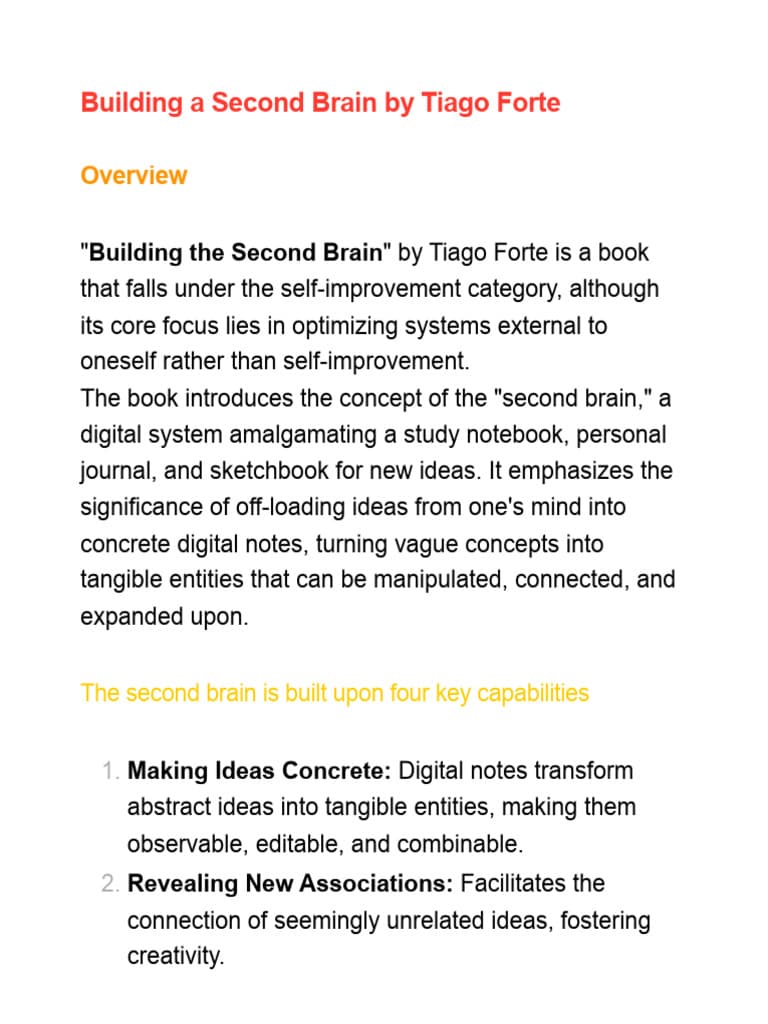
- **AI-Enhanced External Memory & Growth Systems:** A groundbreaking development is the proliferation of **personal AI research notebooks**, such as tailored versions of *Building A Second Brain* by Tiago Forte. These serve as **persistent external memory systems** that do more than track habits—they actively support reflection, resource management, and goal alignment. They transform passive data collection into personalized, active growth tools.
### Example in Action
A user setting up a **personal AI research notebook** can effortlessly capture insights, monitor progress, and retrieve habit-related information. This seamless integration makes habit maintenance adaptive and intuitive. However, **caution is essential**: over-reliance or misuse—such as obsessively tracking without taking action—can lead to analysis paralysis or distraction.
## Physiological Anchors: Breath, Movement, and Brain Resilience
Complementing environmental strategies, **physiological practices** are now recognized as vital for reinforcing habits and supporting mental resilience:
- **Breath Regulation:** Deep diaphragmatic breathing induces calmness and reduces anxiety. Recent studies by **Dr. Arif Khan** highlight that **the brain “listens” to your breath**, and intentional breathing shifts neural states, fostering sustained habits.
- **Short Exercise Routines:** Brief physical activities—like stretching, walking, or light cardio—**release endorphins** and elevate mood, reinforcing emotional resilience and making habit engagement more enjoyable.
- **Neuroplasticity & Mental Rehearsal:** Visualization, puzzles, and mindfulness meditation **strengthen neural pathways**, embedding habits more deeply. Regular mental rehearsal primes the brain, making desired actions feel more natural.
This **integration of physiological anchors** creates a positive feedback loop—where physical and mental states reinforce each other—making habits more resilient and easier to sustain over the long term.
## Building Cognitive Resilience & Lifelong Brain Health
In 2026, **cognitive health** is increasingly prioritized, supported by groundbreaking research:
- **Lifelong Learning & Social Engagement:** Activities like learning new languages, solving complex problems, and maintaining social ties **delay Alzheimer’s onset by up to 5 years**. These habits **preserve neural plasticity**.
- **Physical Exercise:** Routine movement—walking, stretching, or light cardio—**reduces dementia risk** and supports overall brain health. The **“Hidden Brain Benefit of Exercise”** continues to be validated.
- **Sleep Hygiene:** High-quality sleep remains fundamental, aiding memory consolidation and neural recovery.
- **Reward System Management:** Brain-training games such as **“double decision”** help **regulate dopamine pathways** and **reduce dementia risk by up to 29%**. Proper reward management also prevents addictive behaviors that impair focus.
- **Nutritional & Pharmacological Advances:** Recent findings reveal that **a single dose of creatine** can **boost cognitive processing speed by approximately 24.5% within 3.5 hours**. Additionally, regular coffee or tea consumption correlates with an **18% decreased risk of dementia**.
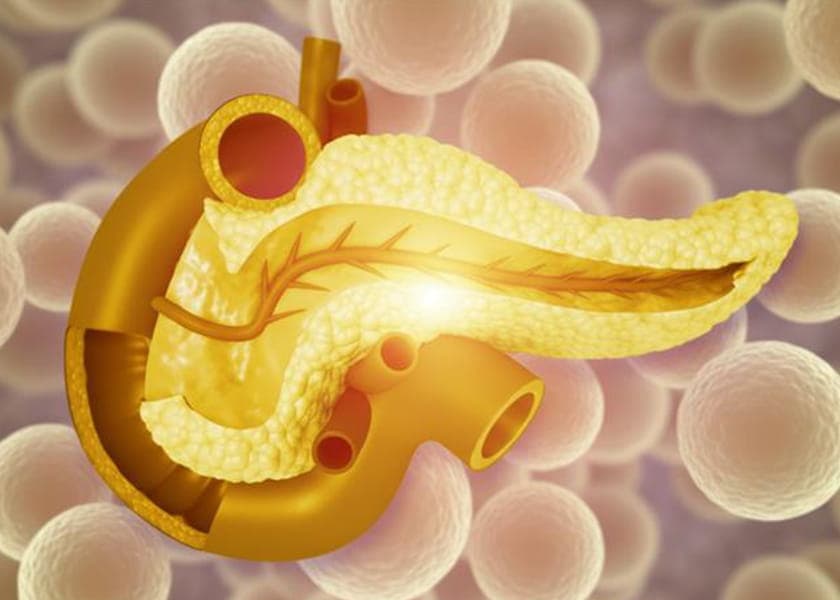
- **Emerging Organ Fat Insights:** A pivotal discovery in 2026 links **deep visceral fat stored within organs—particularly the pancreas and abdomen—to brain shrinkage, increased neural inflammation, and accelerated cognitive decline**. Unlike subcutaneous fat, this organ fat contributes to **systemic inflammation** and **metabolic disturbances** that **deteriorate neural tissue**, significantly **raising dementia risk**. This emphasizes the importance of **targeted fat reduction strategies** beyond general weight management.
- **Lifelong Cognitive Engagement:** Activities like reading, writing, and solving complex problems **reduce dementia risk by roughly 40%**, underscoring the necessity of continuous mental activity.
This **holistic approach**—combining physical, nutritional, and mental strategies—establishes a **robust foundation** for **lifelong brain health**.
## Attention Management & Digital Landscape: Navigating the Algorithmic Cage
Despite these scientific advances, **digital environments** pose new challenges:
- **The “Algorithmic Cage”:** Curated content designed to maximize engagement often leads to **distracted minds**, **time-wasting**, and **reduced mental clarity**.
- **Echo Chambers & Reduced Diversity:** Social media feeds reinforce existing beliefs, **stifling creativity** and **limiting cognitive flexibility**.
- **Decreased Autonomy:** Personalized content diminishes **intrinsic motivation**, making deliberate focus increasingly difficult.
### Countermeasures for Digital Mastery
- **Digital Hygiene:** Limit app usage, curate feeds consciously, and schedule **digital detoxes**.
- **Boundaries & Time Blocks:** Set specific periods for social media and notifications to protect focused work.
- **Content Curation:** Follow sources that promote growth, learning, and positivity to foster a nourishing digital environment.
Emerging research, including insights from **“Your Brain on AI”**, emphasizes **mindful digital engagement**—actively managing AI influences to prevent cognitive overload and maintain mental clarity.
### The Risk of Cognitive Capitulation
A critical concern in 2026 is the trend toward **letting AI think for us**. Titles like **“Are We Cruising Toward Cognitive Capitulation?”** warn that over-reliance on AI could **diminish our innate cognitive faculties**, eroding critical thinking, creativity, and problem-solving skills. While AI provides immense support, **balancing** its use as an assistant with **active mental engagement** is vital to **preserve human cognition**.
## Cognitive Maintenance: Play, Flexibility, and Resilience
While routines and systems are powerful, **over-optimization**—excessively rigid routines or hyper-structured days—can diminish vitality:
> *"There was a time when days unfolded with organic unpredictability. Over-optimization risks turning habits into mechanical routines, stifling innovation and spontaneity."*
To sustain engagement and mental agility, it’s essential to **integrate play, novelty, and diverse activities**. Creative pursuits, spontaneous breaks, and varied routines **preserve distributed attention** and foster resilience against stress and burnout.
### Recent Insights:
- **Playing like the Elderly:** The best way to stay sharp after 70 isn’t just doing crosswords. Instead, engaging in **playful, social, and dynamic activities** such as improvisational games, dance, or arts are shown to **maintain cognitive flexibility** longer.
- **Resilient Decision-Making:** Neuroscience research by **Alexis Danson** emphasizes that **strategic mental models** and **neuroplasticity training** foster **adaptive, resilient decision-making**—crucial in unpredictable environments.
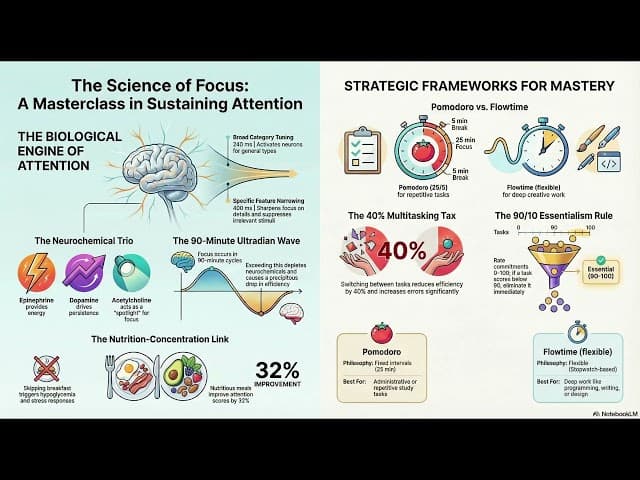
- **Counteracting Mental Fatigue:** As detailed in recent studies, **short breaks**, **intentional pauses**, and **mindful pauses** can **counteract mental fatigue**, boost focus, and **improve overall productivity**.
## Eliminating Energy-Draining Habits
Building upon the concept of **“Habits That Secretly Drain Your Energy,”** it’s vital to **identify and reduce energy drains**:
- Passive scrolling
- Multitasking
- Excessive notifications
### Strategies:
- **Awareness & Tracking:** Use journaling or app data to recognize low-value habits.
- **Replacement:** Swap these habits with energizing routines—movement, mindfulness, or inspiring content.
- **Boundaries:** Set strict limits to prevent low-value habits from hijacking mental resources.
**Reducing energy drains** **preserves mental energy**, accelerates habit formation, and enhances overall well-being.
## New Articles & Insights
### Why Doing Nothing for a Few Minutes Can Actually Boost Productivity
Recent studies reveal that **intentional pauses—doing nothing for a few minutes—counteract mental fatigue**, improve focus, and **increase overall productivity**. Allowing the brain brief moments of stillness resets neural activity, reduces distraction, and fosters creative insights. Incorporating these simple pauses into daily routines can **lead to more efficient work sessions** and **better decision-making**.
### Peak Mental Sharpness Can Boost Your Productivity by 40 Minutes a Day
Research indicates that **hitting peak mental sharpness** during specific times can **add approximately 40 minutes of high-quality work per day**. Techniques such as **targeted focus sessions**, **mindful preparation**, and **aligning work with circadian rhythms** enable individuals to **maximize cognitive potential**. Integrating these strategies into daily routines becomes a critical lever for **accelerating personal and professional growth**.
## Resources and Broader Implications
Several influential tools and frameworks have become essential:
- **“Building A Second Brain” by Tiago Forte:**
Advocates for **external knowledge systems**—digital repositories that **capture, organize, and synthesize information**—enhancing creativity and productivity. Building a **resilient second brain** complements biological memory, creating an accessible knowledge ecosystem.
- **Critical Thinking & Reflection Guides:**
Resources like **“Asking The Right Questions”** sharpen analytical skills, vital for navigating complex information landscapes.
- **Memory Techniques & Learning Aids:**
Techniques such as **spaced repetition** and **mnemonic devices**—demonstrated in **“How to Remember More With Less Effort”**—help retain information effortlessly.
- **Behavioral Science & Habit Formation:**
Insights from **“The Science of Habit Formation”** and stories like **“I Deleted 90% of My ‘Productivity’ System — And Got More Done”** highlight the importance of **simplicity, context, and identity-based change**.
- **AI-Enhanced Growth Tools:**
The rise of **personal AI research notebooks**—tailored versions of *Building A Second Brain*—has revolutionized habit tracking, reflection, and resource management, turning passive data into **active personal growth partners**.
- **“Your Brain on AI”** offers critical insights into **mindful AI engagement**, emphasizing **active regulation** to **avoid cognitive overload** and **preserve mental clarity**.
## Current Status and Future Outlook
Today, **personal mastery** is a **science-backed, ecosystem-focused process**. By integrating **environmental design**, **physiological anchors**, **cognitive resilience**, and **digital mindfulness**, individuals can cultivate **effortless, sustainable habits** that adapt seamlessly to a complex world.
### Key implications include:
- **Accelerated progress** with **less effort and stress**.
- **Enhanced mental resilience and emotional well-being**.
- A foundation for **lifelong brain health** through continuous engagement and strategic interventions.
- The transformative potential of **AI-powered tools**, especially **persistent research notebooks**, which **turn passive tracking into active, personalized growth assistants**.
## The Emerging Challenge: Organ Fat and Cognitive Decline
A pivotal development in 2026 underscores the importance of **organ-specific visceral fat**. Cutting-edge research now links **deep visceral fat stored within organs—particularly the pancreas and abdomen—to brain shrinkage, increased neural inflammation, and accelerated cognitive decline**. Unlike subcutaneous fat, this organ fat contributes to **systemic inflammation** and **metabolic disturbances** that **deteriorate neural tissue**, significantly **raising dementia risk**.
This discovery emphasizes the necessity of **targeted fat reduction strategies**, beyond general weight management, to **preserve cognitive health over the lifespan**.
## Final Reflection: Toward Effortless Mastery
The innovations of 2026 demonstrate that **turning intentions into effortless habits** is increasingly within reach. Success hinges on **deliberate ecosystem design**, **physiological reinforcement**, **digital mindfulness**, and **flexibility**. By **eliminating energy-draining habits**, leveraging **cutting-edge resources**, and cultivating **adaptive routines**, we can **thrive amid complexity** and unlock our full potential with less effort and more joy.
This integrated, holistic approach guides us toward a future where mastery is not an elusive goal but a **natural, ongoing part of daily life**—a continuous journey of growth, resilience, and joyful pursuit.
---
**In essence, 2026 marks a new era where mastery is democratized through systems, science, and seamless integration—empowering us to convert intentions into effortless, sustainable habits that elevate every aspect of life.**