# Rabat Deepens Global Alliances While Facing Domestic Discontent in 2026
In 2026, Morocco stands at a crossroads of asserting itself as a formidable regional and international power while grappling with mounting internal challenges. Its strategic diplomacy, military initiatives, and economic pursuits underscore ambitions to elevate its influence across Africa, the Middle East, and beyond. Simultaneously, internal unrest, cybersecurity threats, and regional rivalries threaten to undermine these efforts, highlighting Rabat’s delicate balancing act between external projection and internal stability.
## Expanding Morocco’s International Influence
### Military and Diplomatic Engagements
Morocco’s proactive military and diplomatic moves have positioned it as a key regional actor. A landmark development was the **deployment of Moroccan troops to Gaza in February 2026**, joining a coalition that includes Indonesia, Kosovo, Kazakhstan, and Albania. This deployment signifies Morocco’s intent to shape regional security dynamics and support Palestinian reconstruction, emphasizing its longstanding stance on Middle Eastern issues.
In parallel, Morocco has **bolstered its alliance with Bahrain**, engaging within the **United Nations Security Council** to advocate for a unified Arab approach to regional crises. These diplomatic efforts aim to reinforce Rabat’s role as a mediator and stabilizing force, capable of influencing both Arab and international policies.
### U.S. and Western Sahara Diplomacy
The strategic partnership with the United States remains a cornerstone of Morocco’s regional diplomacy. Negotiations have intensified around **revising the Western Sahara autonomy plan**, with U.S. mediation offering a cautiously optimistic outlook for a **revised territorial settlement**. Such developments could reduce longstanding tensions and redefine regional borders, potentially reshaping North African geopolitics.
Additionally, the U.S. has **facilitated talks between Morocco and Algeria**, signaling a potential thaw in their historically tense relationship. This rapprochement, if sustained, could lead to **joint security initiatives**, increased **trade**, and a more integrated regional economic landscape.
### Hosting Global Forums and Promoting Sustainability
Morocco is preparing to host a **major international conference in 2026** focused on **climate change, sustainable development, and regional cooperation**. This event aims to elevate Rabat’s standing as a global convenor and demonstrate leadership in addressing critical environmental and social challenges, aligning with its broader strategic vision.
### Soft Power and Economic Diplomacy
Economic diplomacy remains vital. Morocco reports **record trade volumes with the European Union**, with ongoing negotiations to expand trade agreements, fostering domestic employment and regional stability. The private sector has seen notable partnerships, such as **Stellantis Morocco** and **AXA Maroc**, emphasizing **environmental sustainability** and **technological innovation**, especially in **electric micromobility**—a sector aligned with national green growth policies.
Furthermore, Morocco is positioning itself as a regional leader in **food security**, collaborating with the **Islamic Organization of Food Security (IOFS)** to promote sustainable agriculture and resilient supply chains. These efforts are crucial given Morocco’s agricultural importance and geographic strategic position.
### Strengthening Regional and Bilateral Relations
Recent agreements with **France**, notably through the **Chamber of Commerce and Industry of Metropolitan France (CFCIM)**, have deepened economic and professional ties. These accords streamline **professional visas**, **language training**, and **skilled worker mobility**, integrating Morocco more closely into European markets and facilitating knowledge exchange.
## Regional Dynamics: Border Opening and Emerging Alliances
### Algeria–Morocco Border Opening
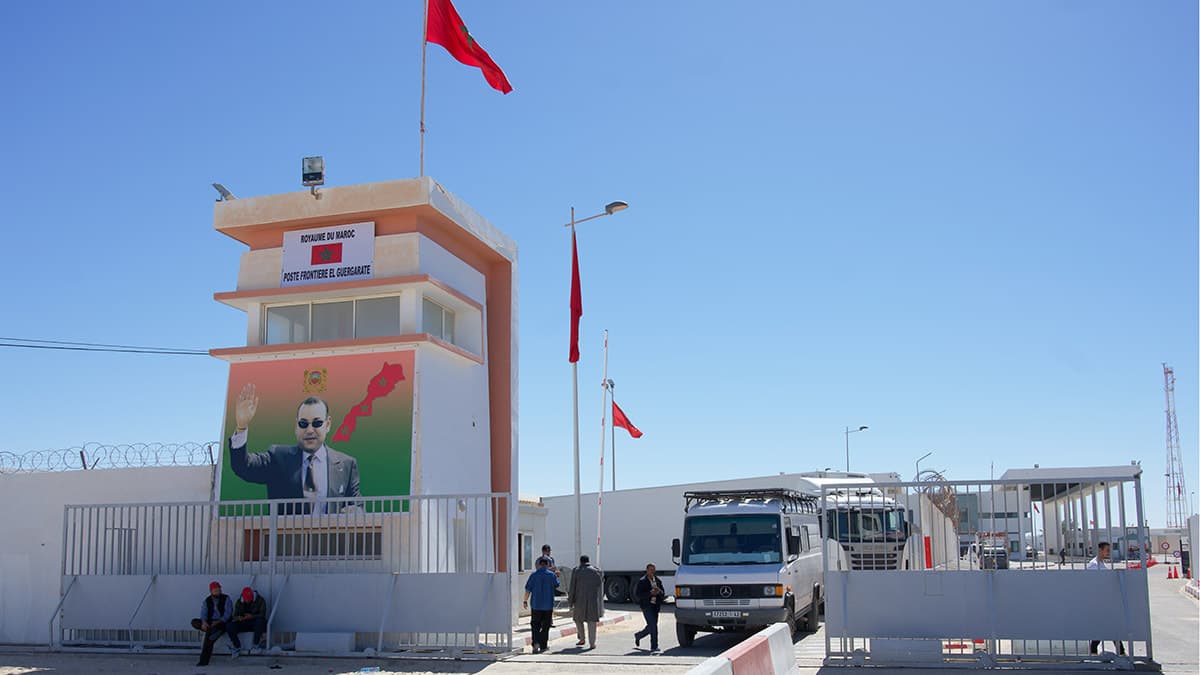
A surprising development in 2026 is the **exceptional opening of the Algeria–Morocco border**. A viral social media video—**lasting 2 minutes and 44 seconds** and viewed over **5,171 times**—shows border officials facilitating crossings, hinting at a **cautious move toward regional rapprochement**. While official statements remain guarded, analysts interpret this gesture as a **tactical step** toward fostering **regional stability** and **economic cooperation**. The border opening has the potential to **enhance trade**, **joint security efforts**, and **economic integration**, challenging Morocco’s regional dominance.
### Algeria–Sénégal Axis as a Strategic Challenge
Conversely, the **Algeria–Sénégal alliance** is emerging as a **significant counterweight** to Moroccan influence. A viral video titled **"Algérie–Sénégal : l’axe stratégique qui défie ouvertement le Maroc sur tous les fronts"** has garnered over **17,500 views**, illustrating the deepening partnership aimed at **countering Moroccan initiatives**, **reshaping alliances**, and **expanding influence across West Africa and North Africa**. This alliance complicates Morocco’s regional strategy, prompting a reassessment of its diplomatic priorities.
## Internal Challenges: Unrest, Governance, and Cybersecurity
Despite its outward ambitions, Morocco faces serious internal issues. **Widespread protests and strikes** persist, driven by **economic hardship**, **unemployment**, and **social inequality**. These socio-economic grievances fuel unrest and challenge the government’s narrative of stability.
A notable incident involved the **arrest of 19 individuals linked to hooliganism during the Africa Cup of Nations (AFCON)**, symbolizing ongoing law-and-order challenges amid societal frustrations. In response, the government announced a **MAD 30 million press support fund**, with **nearly 70% allocated to journalists**, aiming to promote more transparent media coverage. Critics argue, however, that these measures do little to address **deep-rooted socio-economic issues**.
Adding to internal vulnerabilities, Morocco experienced a **major cyberattack targeting its social security database**, resulting in sensitive personal data exposure. This breach has heightened concerns over **cybersecurity resilience**, emphasizing the urgent need for **digital security reforms** amid growing cyber threats.
Public calls for **greater transparency**, **improved public services**, and **enhanced political participation** remain strong. The government’s ongoing reform efforts face resistance, and societal discontent poses a risk to internal cohesion and long-term stability.
## Human Rights and Foreign Policy Controversies
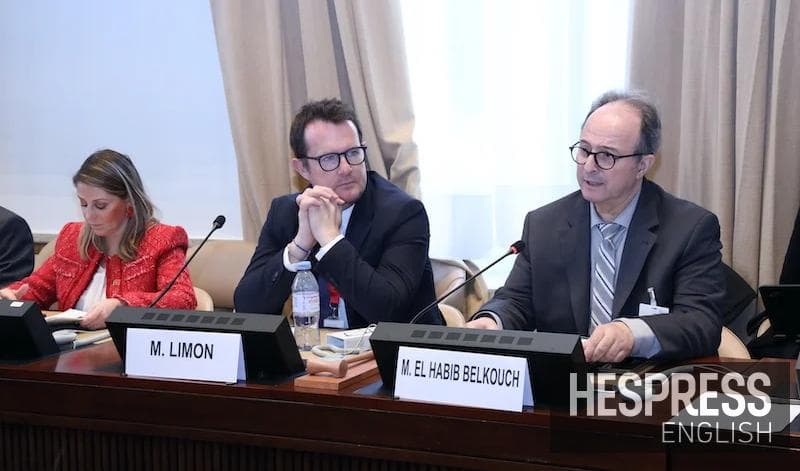
Morocco’s human rights record continues to attract international scrutiny. While the government emphasizes **UN human rights initiatives**, critics argue progress remains insufficient. Recent reports describe Morocco’s stance that **UN efforts are a “political test of state credibility,”** reflecting ongoing tensions between sovereignty and international expectations.
### Public Outcry Over Gaza Participation
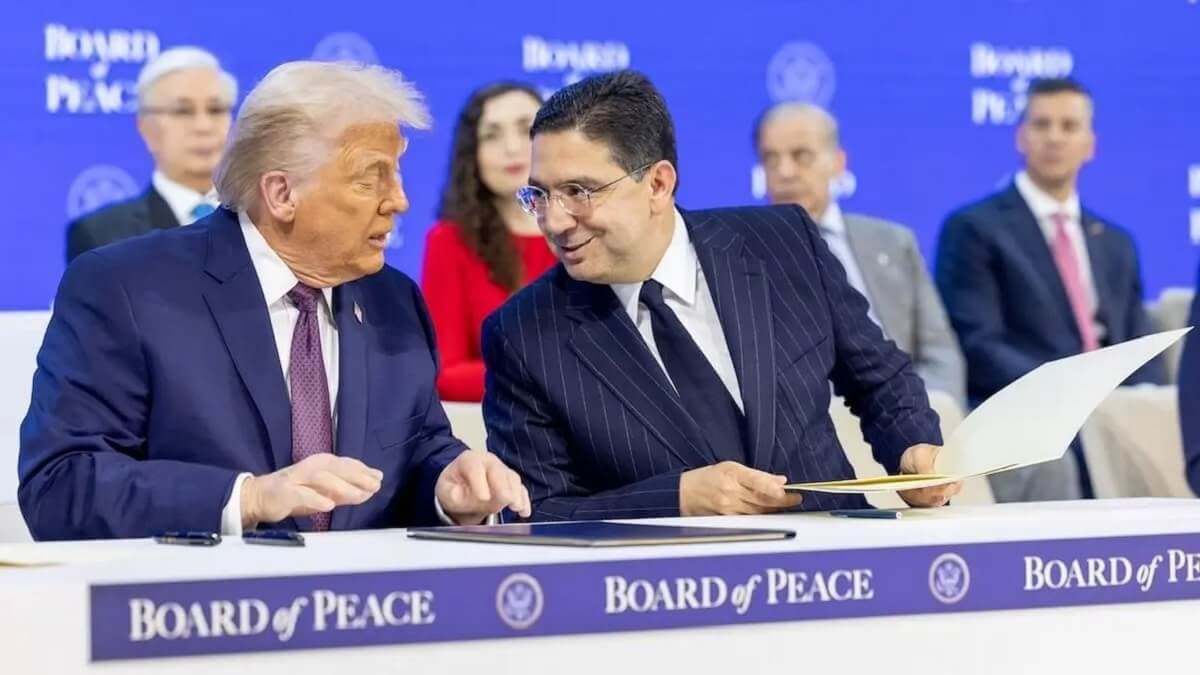
Morocco’s participation in the **Gaza Board of Peace** has sparked significant public backlash. Many citizens, supporting Palestinian causes, view the government’s stance as at odds with popular sentiment. This controversy underscores broader societal debates over **foreign policy priorities** and **national identity**—highlighting the delicate balance between external influence and domestic opinion.
## Recent Cultural and Social Events
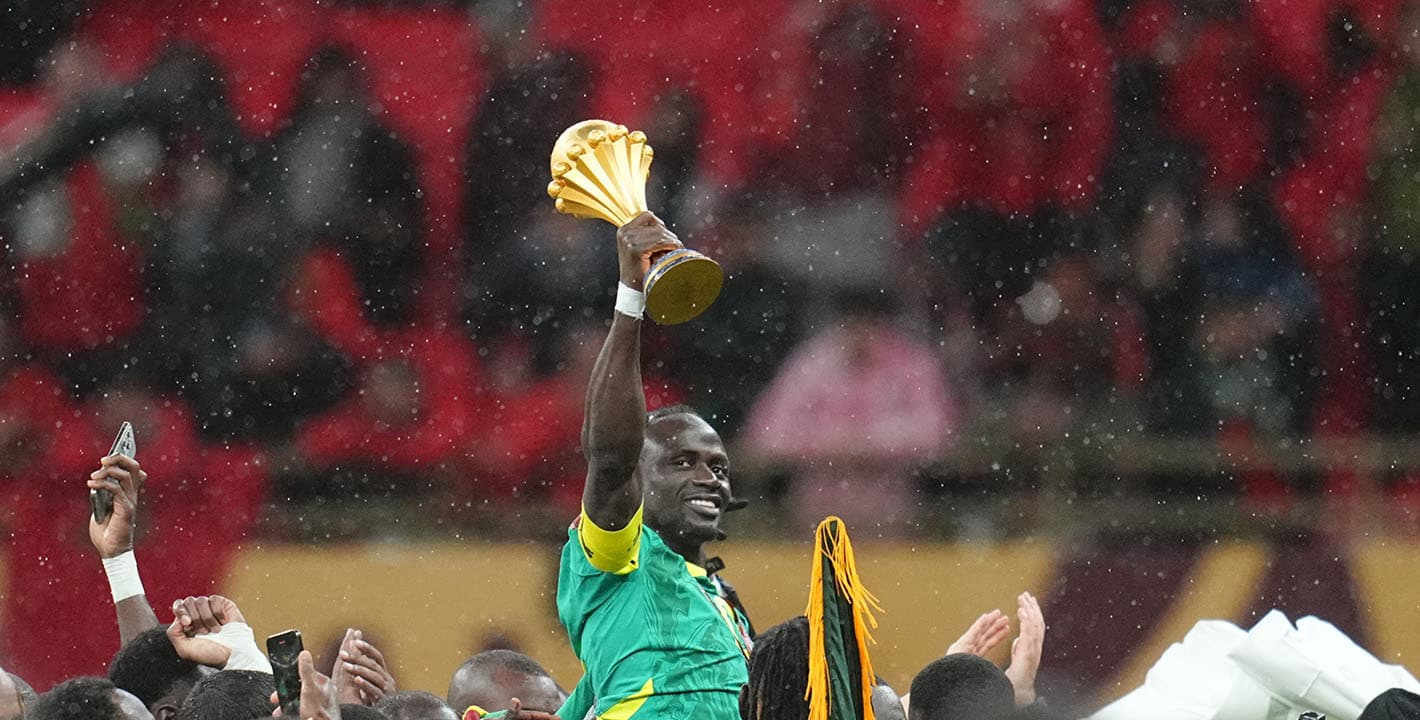
Adding a layer of complexity, Morocco hosted the **2026 African Cup of Nations (AFCON)**, an event that not only showcased its capacity to organize major international sports competitions but also became a platform for broader socio-political narratives. An influential article by the **Carnegie Endowment for International Peace** titled **"When Football Is More Than Football"** examines how football in Morocco has evolved beyond sport into a symbol of national unity and a reflection of societal tensions. The tournament’s success bolstered national pride but also exposed underlying social fractures.
## Implications and Outlook
Morocco’s trajectory in 2026 is characterized by outward expansion amid internal vulnerabilities. Its efforts to project influence through military deployments, diplomatic initiatives, and economic partnerships have elevated its regional profile. However, internal unrest, cybersecurity threats, and regional rivalries—particularly with the **Algeria–Sénégal axis**—pose significant challenges.
The **border reopening with Algeria** and the **growing Algerian–Sénégal alliance** signal a shifting regional landscape where Morocco must navigate new partnerships and rivalries. Success in **Western Sahara negotiations**, especially with **U.S. mediation**, remains central to regional stability and Rabat’s influence.
### **Key Takeaways:**
- Morocco is actively consolidating its **regional and global influence** through military actions, diplomacy, and economic diplomacy.
- The **border opening with Algeria** hints at cautious rapprochement but remains fragile.
- **Internal unrest**, driven by socio-economic grievances and cybersecurity vulnerabilities, continues to threaten stability.
- **Regional alliances and rivalries**, exemplified by the Algeria–Sénégal axis, are reshaping North African and West African geopolitics.
- The kingdom must **balance external ambitions with internal reforms**, addressing social discontent and digital security concerns.
**In summary**, Morocco’s 2026 landscape reflects a nation striving for influence amid internal and regional headwinds. Its ability to **harmonize external expansion with domestic reform** will determine whether Rabat can sustain its emerging role as a resilient power across Africa, the Middle East, and beyond. The coming months will be decisive in shaping its future trajectory, as regional shifts and internal challenges continue to evolve.