# US-Israel Strikes Hammer Iran’s Arsenal and Infrastructure: New Developments Signal a Complex and Evolving Conflict
The ongoing military campaign against Iran, codenamed **Operation Epic Fury**, has reached a pivotal phase marked by tactical advances, new underground defenses, and mounting regional and global tensions. While recent strikes have successfully targeted Iran’s surface missile and drone capabilities, Iran’s resilient underground complexes, regional proxy activities, and asymmetric tactics continue to challenge the mission’s ultimate goals. The latest developments reveal a multifaceted conflict that demands adaptive strategies, increased intelligence, and diplomatic engagement.
---
## Progress and Persistent Obstacles in Operation Epic Fury
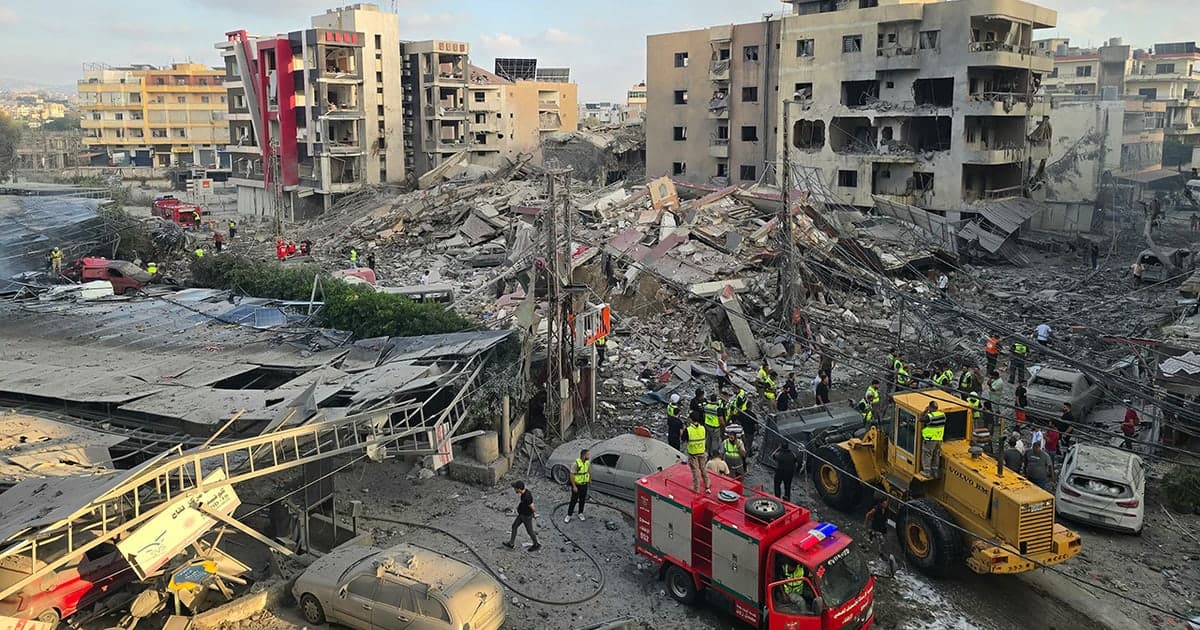
Since the campaign’s launch, US and Israeli forces have executed **high-precision airstrikes** on Iran’s military-industrial infrastructure, including missile bases, drone manufacturing sites, and command centers. These operations, involving B-1B bombers, stealth aircraft, and guided munitions, have achieved important objectives:
- **Disruption of Iran’s missile and drone launch capabilities**, temporarily reducing its ability to retaliate or conduct offensive operations.
- **Dismantling logistical hubs and communication nodes**, impairing coordination among Iranian forces and proxies.
Despite these gains, Iran’s development of **underground defensive complexes**—notably the newly identified **N1 complex**—has become a significant hurdle. These subterranean fortresses are engineered to withstand conventional aerial assaults, effectively shielding Iran’s core missile and drone arsenals.
---
## Iran’s Underground Fortress N1: A Game-Changer
Recent intelligence confirms the existence of **N1**, an extensive underground military installation believed to be located beneath mountainous terrain or concealed within urban zones. Its sophisticated engineering renders **surface strikes largely ineffective** against its core functions.
### Key Features of N1:
- **Location & Structure:** Reinforced with advanced materials, N1’s tunnels and bunkers are designed to absorb or deflect conventional bombs.
- **Operational Capacity:** Likely to house missile and drone storage, maintenance, and command facilities, all protected from external attack.
- **Strategic Significance:** Its underground nature means Iran can sustain operations despite ongoing surface-level damage, complicating efforts to fully disable Iran’s offensive capabilities.
### Strategic Implications:
- **Targeting Challenges:** Conventional airpower alone cannot neutralize N1. Success will likely depend on **cyber warfare, covert sabotage, and special forces operations**.
- **Operational Resilience:** Iran’s ability to maintain missile and drone activity despite surface strikes means a **multi-domain approach** is necessary to degrade its military infrastructure comprehensively.
Defense analysts emphasize that **neutralizing N1** requires **integrated strategies** combining cyber, clandestine, and precision tactics, shifting focus from purely aerial assaults.
---
## Regional Dynamics and Proxy Engagements
Iran’s regional posture remains highly active amid the conflict:
- **Proxy militias** in Syria, Lebanon, Iraq, and Yemen bolster Iran’s strategic influence and threaten regional stability.
- **Maritime threats** persist, with Iran warning of potential attacks on vital chokepoints like the Strait of Hormuz, especially if provoked further.
Recent intelligence reports, including outlets like **CNN** and **Al Jazeera**, reveal escalating threats:
- **Iran’s escalation threats** include vows to retaliate against strikes on vital infrastructure, such as the oil export hub **Kharg Island**. In recent developments, **the US confirmed striking military assets on Kharg**, effectively disrupting Iran’s oil exports and impacting regional energy security.
- **IRGC threats against US forces** in the Gulf have increased, with exchanges of fire and heightened military posturing, raising regional tensions.
Adding a new dimension, **Iran’s use of advanced missile systems** and **proxy attacks** point toward a strategy of asymmetric escalation. **A notable recent development** is the **simultaneous two-front missile barrage** into northern Israel by the IRGC and Hezbollah, signaling a coordinated effort to stretch Israeli defenses.
---
## Iran’s Shadow Operations and Geographical Spread of Hostilities
### Drone Attacks and Retaliations
Iran continues to leverage **shadow drone tactics** to strike Israeli military bases, particularly in retaliation for the killing of Iranian or proxy commanders. These clandestine drone strikes underscore Iran’s preference for **indirect and asymmetric warfare**, avoiding direct confrontation while exerting pressure on Israeli and US forces.
### Naval Engagements: The Sri Lanka Incident
Adding to the regional tension, a **U.S. submarine reportedly sank an Iranian warship, IRIS Dena, near Sri Lanka**. This incident, detailed in a recent YouTube briefing, indicates Iran’s **geographic expansion of operational scope**, challenging US naval dominance and signaling broader regional escalation.
---
## Environmental, Humanitarian, and Military Strain
The intensity of ongoing strikes has environmental repercussions, with reports of **“black rain”** and pollution over Tehran, raising concerns about ecological damage and long-term health impacts. The campaign’s **munition burn rate** has strained military stocks, risking readiness for future conflicts.
Iran’s internal stability also appears fragile:
- **Military morale issues** have emerged, with reports of **desertions and internal rivalries**, potentially weakening Iran’s operational effectiveness.
- **Proxy networks** continue to pose threats, complicating diplomatic efforts to de-escalate regional tensions.
---
## Current Status and Strategic Outlook
The conflict remains dynamic, with **surface and underground strikes** ongoing. Recent intelligence indicates a **shift toward multi-domain operations**, emphasizing cyber, covert, and special forces tactics to penetrate Iran’s underground defenses like N1.
**Key recent developments include:**
- **Continued surface strikes** on missile and drone sites.
- **Targeted cyber and covert operations** aimed at disabling N1.
- **Escalation of regional hostilities**, including the two-front missile barrage and shadow drone attacks.
- **Naval confrontations**, exemplified by the sinking of IRIS Dena, signaling expanded geographic scope.
### Strategic Challenges and Opportunities:
- **Replenishing munitions stocks** and enhancing intelligence capabilities are critical.
- **Integrating multi-domain tactics**—cyber, clandestine operations, and precision strikes—is essential for long-term success.
- **Diplomatic efforts** aimed at curbing proxy activity, securing maritime routes, and de-escalating regional tensions are more urgent than ever.
The risk of **broader escalation**, including potential conflicts involving global energy markets and regional stability, remains elevated.
---
## In Conclusion
While **Operation Epic Fury** has inflicted significant damage on Iran’s surface military infrastructure, the emergence of **underground defenses like N1** underscores Iran’s resilience and adaptability. The conflict’s trajectory depends on **innovative military tactics, intelligence integration, and diplomatic engagement**. Iran’s ongoing proxy activities, asymmetric tactics, and regional threats highlight the complexity of this evolving confrontation.
As tensions escalate with coordinated missile attacks, shadow operations, and naval confrontations, the international community must remain vigilant. The coming weeks will be critical in determining whether this campaign leads toward strategic de-escalation or broader regional and global escalation.